The Weight of History in Your Kitchen Mass-produced stainless steel looks fine.
It functions reliably.
But it lacks a pulse.
The Weight of History in Your Kitchen
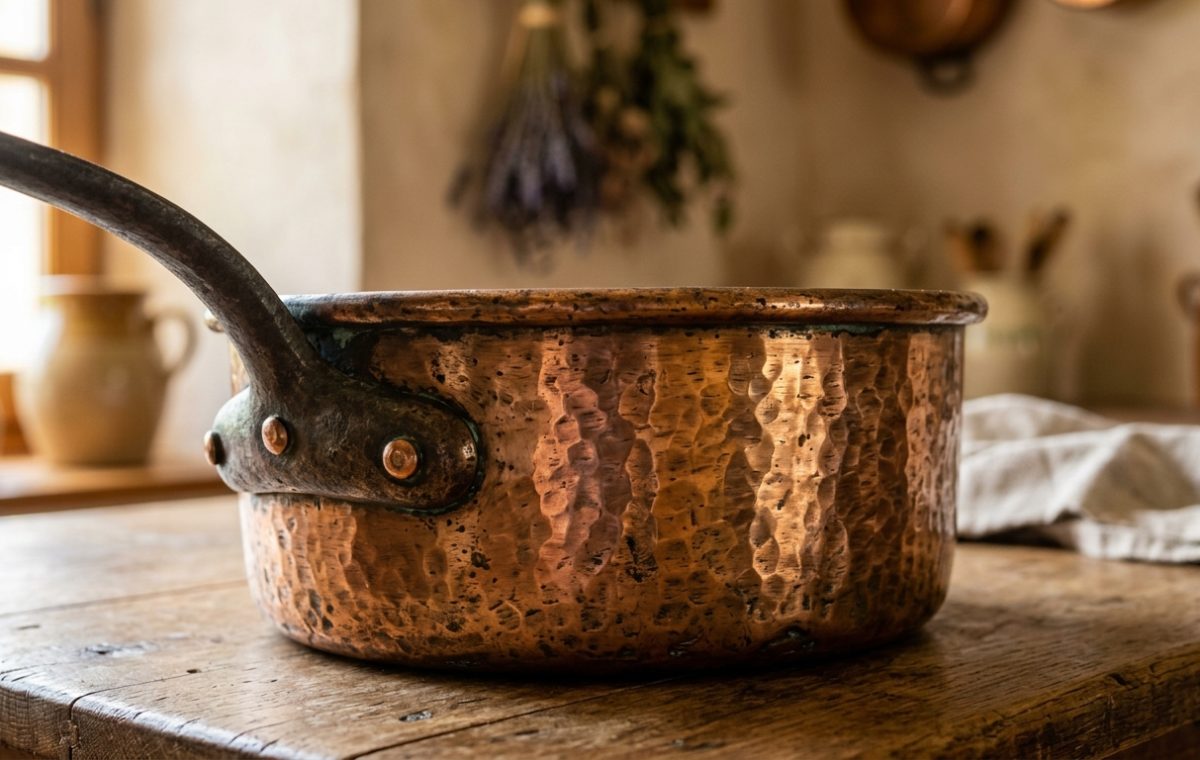
Mass-produced stainless steel looks fine. It functions reliably. But it lacks a pulse. When you place a heavy, hammered antique copper cookware piece onto a worn wooden countertop, the room’s entire energy shifts. That heavy patina tells a story of decades past. Every dent and discoloration proves it was made to work, not merely to decorate.
Spotting Genuine Heritage Craftsmanship
True vintage metalwork feels substantially heavier than modern decorative replicas. Look closely at the handle attachments. Hand-forged copper pots usually feature robust iron handles secured by thick copper rivets. If the rivets look overly polished and uniform, walk away. You want authentic texture. The surface should reveal subtle hammer marks left by an artisan who shaped the vessel over an anvil.
Inspect the rim for uneven thickness indicative of manual spinning or hammering.
Check the interior tin lining for wear, which confirms historical utility.
Look for maker stamps or maker’s marks near the handle joint.
Balancing Function and Preservation
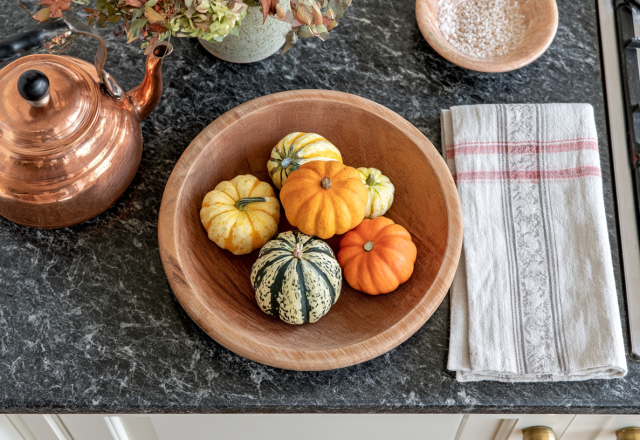
Owning heritage kitchenware demands a shift in mindset. You can leave the piece unpolished to embrace a deep, dark oxidation, or you can scrub it back to a blazing penny-bright shine. Most cooks prefer a middle ground. Let the high-contact areas glow while the recessed crevices hold their dark history. Pair the pot with coarse linen cloths and earthenware pottery nearby to anchor the rustic aesthetic without making the space look like a sterile museum exhibit.
Do you prefer your vintage kitchen items scrubbed to a high shine, or do you let the dark, aged patina build up over years of use?
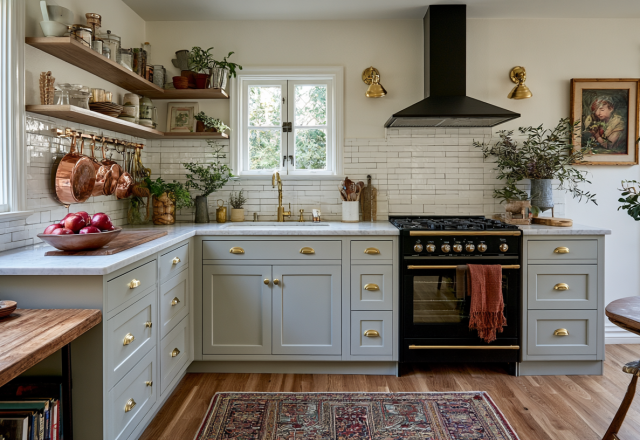
Reimagining the Work Triangle Designing an efficient workspace often starts with corners. An L-shaped kitchen design naturally unlocks flow without forcing appliances into rigid…
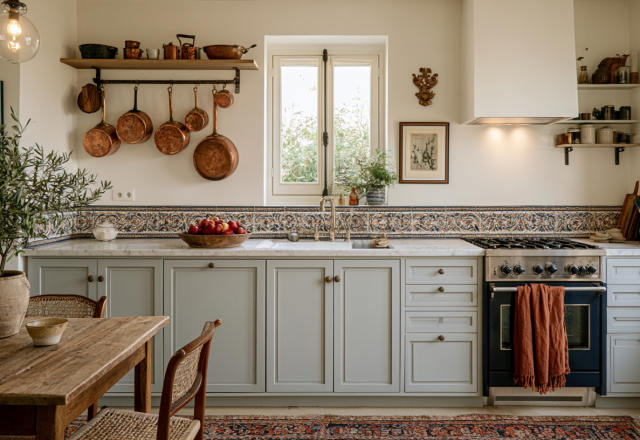
The Allure of French Country Design Modern kitchens often lean toward cold sterility. They favor stark white surfaces and automated minimalism. Yet, a true…