
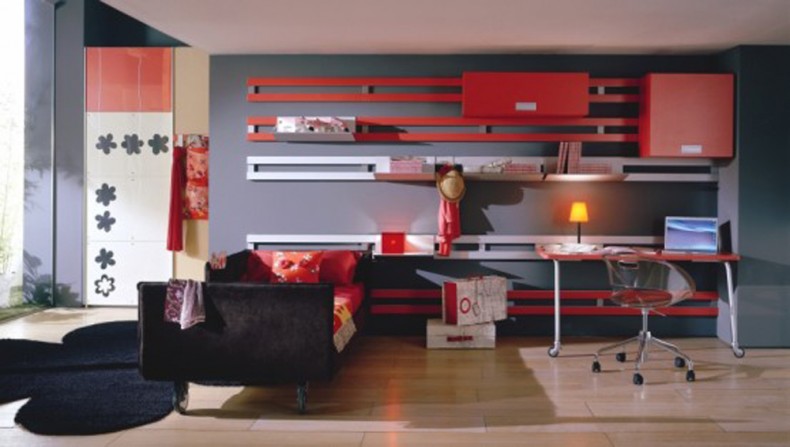
Parents should observe kid room. Kid room has differences with adults. It is better to use color combination for kid room design. The color concept used will help in determining a kid development. Good situation of their room will also increase the kid’s brain development. This design will make your child be creative and clever. Parents should determine the design room for children properly.
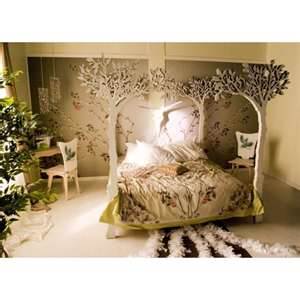
Picture above is the design for a kid room. This bedroom design uses the concept of fiction. The bedroom design has a two artificial trees between the bed. There is a large bed which is made of a soft sponge. The wall is painted with brown color. It will lead to the kid imagination. They will feel in a fairy tale. This kid bedroom model is furnished with a small table. Kid will love to write and draw here. In addition, the room is furnished with rugs. The carpet is made of wool with black and white color. Kid will feel comfortable when they are playing on the floor.
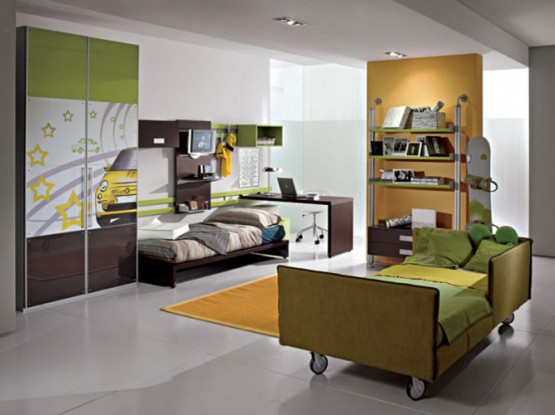
Picture above is the design for kid bedroom. This design has the square footage. This Design equipped with bed, wardrobe and shelves. The bed design uses the concept of minimalism and symmetry. Bed has a rectangular shape. This design will make the child feel comfortable. There are bed which uses small wheels. This bed can be moved easily. This design comes with a closet. Cabinet placed corner of the room. This design uses a large closet. So the kid toys can be stored in the closet. Cabinet designs to choose bright colors. This design will make the room brighter. In addition, the rack can be placed next to the bed. Shelves can be used to store books and box.
Design is about the Amazing Kid Rooms. There are some pictures below can inspire you.
70 / 100 by 946 users

Editorial design notes
Amazing Kid Rooms Design Inspiration works best when the room is planned around real daily habits, not only around the first impression of the photo. Start by deciding what the space needs to do most often: relaxing, hosting guests, storing everyday items, helping children move safely, or making a compact area feel more open. That simple priority keeps the design from becoming a collection of unrelated pieces.
For this bedroom idea, the most useful starting point is sleep comfort, storage, soft lighting, and a color palette that feels calm at night and fresh in the morning. Keep the main furniture pieces visually steady, then add character through smaller details such as lamps, pillows, art, plants, trays, or a textured rug. The room will feel more intentional when every accent repeats at least one color, material, or shape already present in the larger pieces.
How to apply the look at home
Measure the largest wall, the walkway, and the distance between main furniture before buying anything new. A beautiful item can still feel wrong when it blocks movement or makes cleaning difficult. Leave breathing room around doors, drawers, and seating, then use vertical space for storage or display if the floor area is limited.
Materials matter as much as the layout. Consider cotton bedding, low-glare lamps, warm wood, washable rugs, and baskets or drawers for small everyday items. These choices help the room stay polished after everyday use, which is important for a design that should look good beyond the moment it is photographed. If the room already has a strong color, repeat it in smaller accents instead of adding many competing shades.
Finishing details to review
Lighting is usually the detail that changes the mood fastest. Combine one general light with a lower lamp, wall light, or task light so the room can shift between bright practical use and a softer evening atmosphere. If the photo inspiration feels warm and welcoming, the effect often comes from layered light rather than decoration alone.
For maintenance, rotate bedding, keep nightstands edited, and review lighting levels whenever the room starts feeling too busy. This keeps the space comfortable after the initial styling is finished. A good design should be easy to reset, easy to clean, and flexible enough to accept small seasonal changes without needing a complete makeover.
Use the gallery images as a reference for proportion, color balance, and placement rather than as a strict shopping list. The strongest results usually come from adapting the idea to the actual room size, natural light, and existing furniture already available at home.
Image Gallery


