
Color is always fun for children. It creates the spirit atmosphere for them. As the result, we would like to show you some amazing bedroom ideas for kids that can create comfort for children.
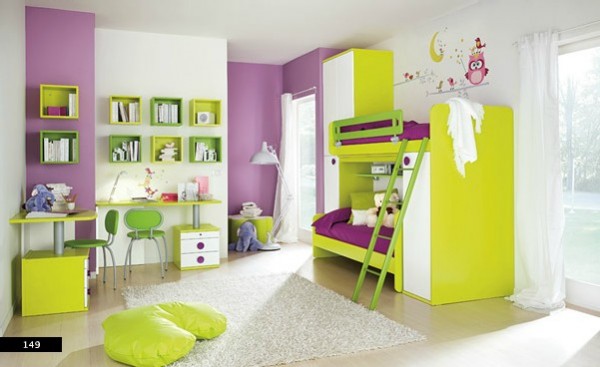
There are some models of child bedroom design ideas that we can show you in related to some topics: amazing kids bedrooms, amazing kids room crafts, ideas kids bedrooms, fun bedrooms, amazing kid beds, amazing children rooms, amazing children’s rooms, interior design kids room ideas, cool bedroom designs, amazing modern bedrooms, amazing modern kids bedrooms, modern kids bedroom sets, modern kids beds, modern kids bathrooms, modern kids furniture, modern children bedroom, awesome girls bedrooms, creating awesome girls bedroom, girls bedroom ideas, girls bedroom sets.
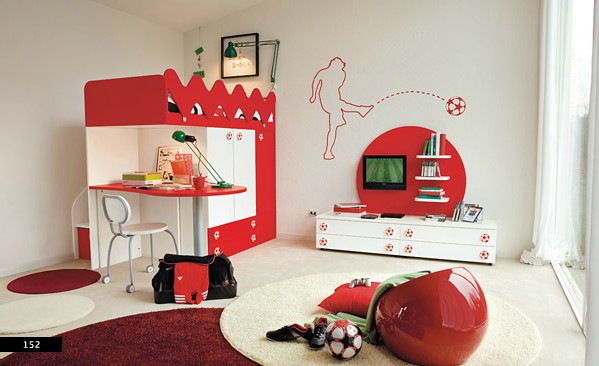
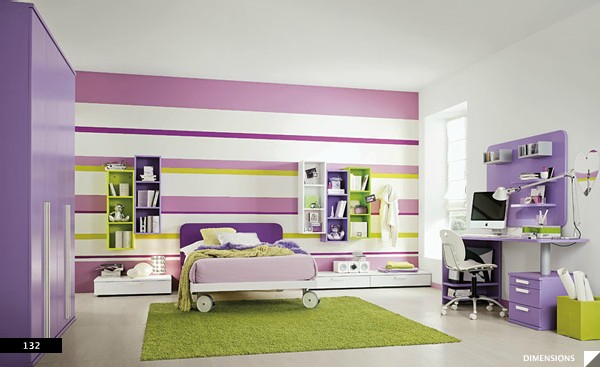
Fell free to check these Amazing Kids Bedrooms with Colorful Color Scheme Ideas on the gallery bellow.
73 / 100 by 987 users

Editorial design notes
Amazing Kids Bedrooms With Colorful Color Scheme Ideas works best when the room is planned around real daily habits, not only around the first impression of the photo. Start by deciding what the space needs to do most often: relaxing, hosting guests, storing everyday items, helping children move safely, or making a compact area feel more open. That simple priority keeps the design from becoming a collection of unrelated pieces.
For this bedroom idea, the most useful starting point is sleep comfort, storage, soft lighting, and a color palette that feels calm at night and fresh in the morning. Keep the main furniture pieces visually steady, then add character through smaller details such as lamps, pillows, art, plants, trays, or a textured rug. The room will feel more intentional when every accent repeats at least one color, material, or shape already present in the larger pieces.
How to apply the look at home
Measure the largest wall, the walkway, and the distance between main furniture before buying anything new. A beautiful item can still feel wrong when it blocks movement or makes cleaning difficult. Leave breathing room around doors, drawers, and seating, then use vertical space for storage or display if the floor area is limited.
Materials matter as much as the layout. Consider cotton bedding, low-glare lamps, warm wood, washable rugs, and baskets or drawers for small everyday items. These choices help the room stay polished after everyday use, which is important for a design that should look good beyond the moment it is photographed. If the room already has a strong color, repeat it in smaller accents instead of adding many competing shades.
Finishing details to review
Lighting is usually the detail that changes the mood fastest. Combine one general light with a lower lamp, wall light, or task light so the room can shift between bright practical use and a softer evening atmosphere. If the photo inspiration feels warm and welcoming, the effect often comes from layered light rather than decoration alone.
For maintenance, rotate bedding, keep nightstands edited, and review lighting levels whenever the room starts feeling too busy. This keeps the space comfortable after the initial styling is finished. A good design should be easy to reset, easy to clean, and flexible enough to accept small seasonal changes without needing a complete makeover.
Use the gallery images as a reference for proportion, color balance, and placement rather than as a strict shopping list. The strongest results usually come from adapting the idea to the actual room size, natural light, and existing furniture already available at home.
Additional Editorial Notes
Bedroom planning notes
A bedroom should support rest first. Before adding decoration, check the walking space beside the bed, the position of the window, and the amount of storage needed for daily items. The room will feel more comfortable when the largest furniture pieces are placed simply and the decorative details are used as accents.
Color and lighting suggestions
Soft lighting helps the bedroom feel calm at night, while a brighter task light is useful near a desk, vanity, or reading corner. Repeating the same color in bedding, curtains, and small accessories can make the design feel intentional without making the room too busy.
Final Review Checklist
Before applying this idea, review the room in daylight and at night. Natural light can change the way colors, textures, and finishes appear, while evening lighting shows whether the room feels warm enough for daily use. If the room looks flat, add one layer of light, one natural texture, or one repeated accent color rather than adding many unrelated decorations.
Also consider maintenance. A design that is difficult to clean or blocks everyday movement will quickly become frustrating. Leave enough space around furniture, choose surfaces that match the activity of the room, and keep small items grouped in baskets, trays, shelves, or drawers. These simple checks make the inspiration easier to live with after the room is finished.
Use the gallery images as visual references, then adapt the idea to the actual home. Room size, ceiling height, existing furniture, budget, and family routines should guide the final choice. The most successful version is usually the one that feels comfortable, practical, and personal rather than a direct copy of a photo.
Image Gallery


