The Weight of History at the Table
Mass-produced stainless steel is efficient. It never complains in the dishwasher and demands zero maintenance. Yet, it lacks soul. When you set a table with vintage silverware, you are placing actual history into your guests’ hands. The slight wobble of a tined fork or the comforting heft of a worn silver spoon tells a silent story about decades of family dinners, holiday feasts, and quiet morning coffees.
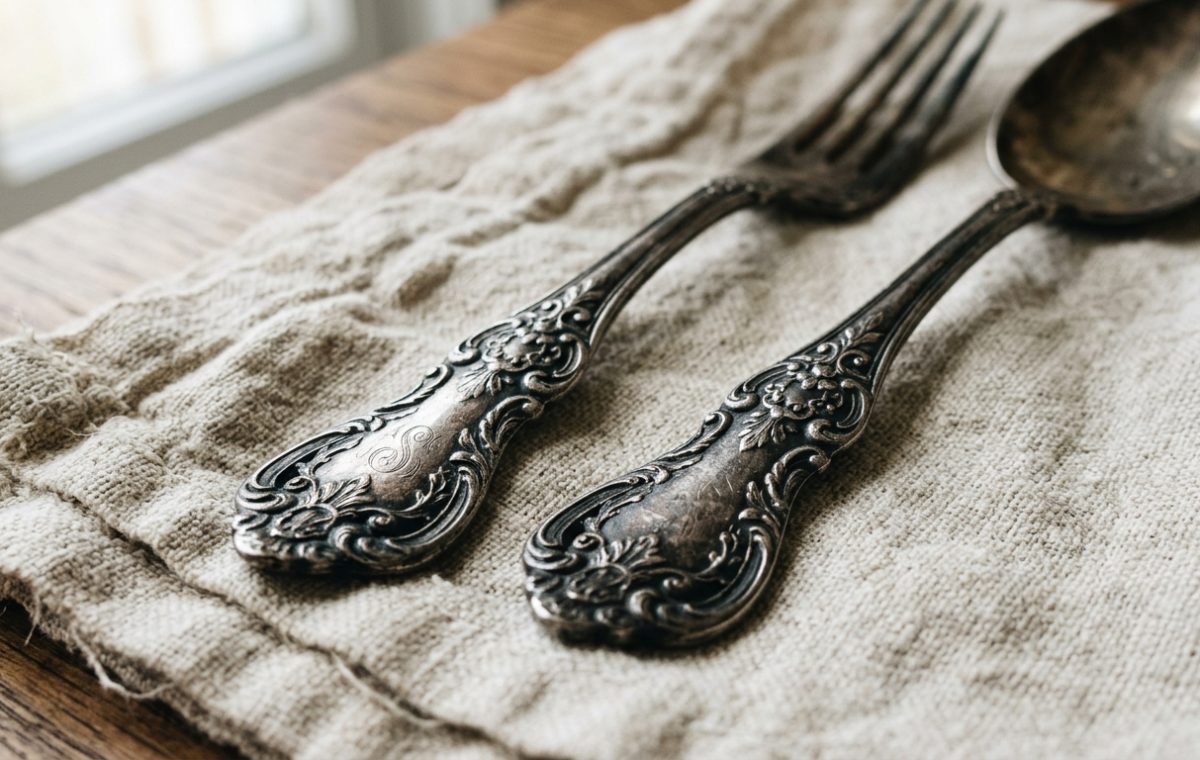
Metals like sterling and high-grade silver plate develop a personality over time. They collect micro-scratches and dark patches in the intricate recesses of their stamped handles. That dark patina is not a flaw. It is proof of life. Polishing every single crevice away strips away the very character that makes antique cutlery worth collecting in the first place.
Sourcing and Inspecting Heirloom Flatware
Estate sales and dusty thrift store bins remain goldmines for unique flatware. But before you hand over your cash, flip the pieces over. Look for maker’s marks stamped on the back of the bowl or near the neck of the tines. These tiny hallmarks reveal the manufacturer and sometimes the exact decade of production. Silver-plated pieces will often carry stamps like ‘EPNS’ (electroplated nickel silver), while solid sterling will proudly bear a purity stamp.
Check the structural integrity carefully. Silver is a relatively soft metal. Spoons can wear down thin at the edge of the bowl from decades of scraping bottom, and fork tines can bend if forced through hard foods. Run your thumb along the edges. If a tine feels razor-thin or cracked near the base, leave it behind. You want pieces that can handle actual food, not just display duties.
Embracing Patina Instead of Endless Polishing
Modern households often panic at the first sign of tarnish. We reach for abrasive chemicals to strip the dark oxidation away until the metal screams with a mirror-like factory shine. But a gentle hand is much better for antique metals. Natural oils from human hands combined with sulfur in the air create that gorgeous dark contrast in the stamped handle motifs. It highlights the floral scrolls and monogram carvings that factory stampers worked so hard to create.
If you prefer a cleaner look without scrubbing the life out of the metal, skip harsh dips. Use a soft microfiber cloth and a mild, non-abrasive paste only when food residue requires it. Let the deeper valleys of the handle stay dark. That contrast is what separates authentic vintage pieces from cheap reproductions.
Setting a Modern Table with Vintage Pieces
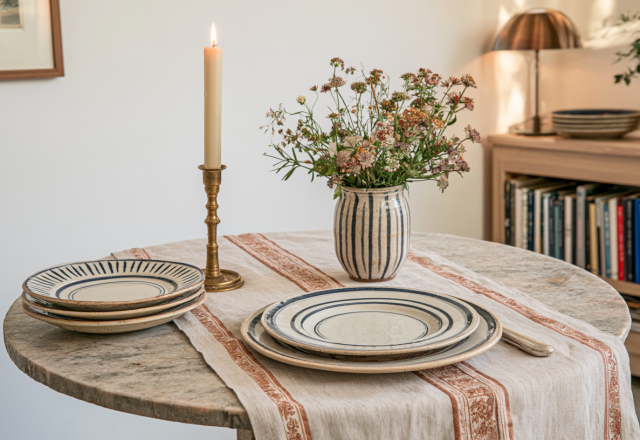
You do not need a complete twelve-setting matching set to make an impact. Mixing mismatched heirloom flatware creates an eclectic, lived-in aesthetic that feels infinitely more welcoming than a rigid formal arrangement. Pair a heavy baroque fork with a simple ceramic plate and a textured linen napkin. The juxtaposition makes the table feel curated rather than staged.
How do you plan to incorporate heirloom flatware into your weekly routine, or will you keep your vintage pieces strictly reserved for special weekend gatherings?
Editorial Lookbook & Photo Collection