The Imperfect Beauty of Reclaimed Timber Mass-produced furniture often tries too hard to hide its origins.
Every knot, saw mark, and hairline crack gets…
The Imperfect Beauty of Reclaimed Timber
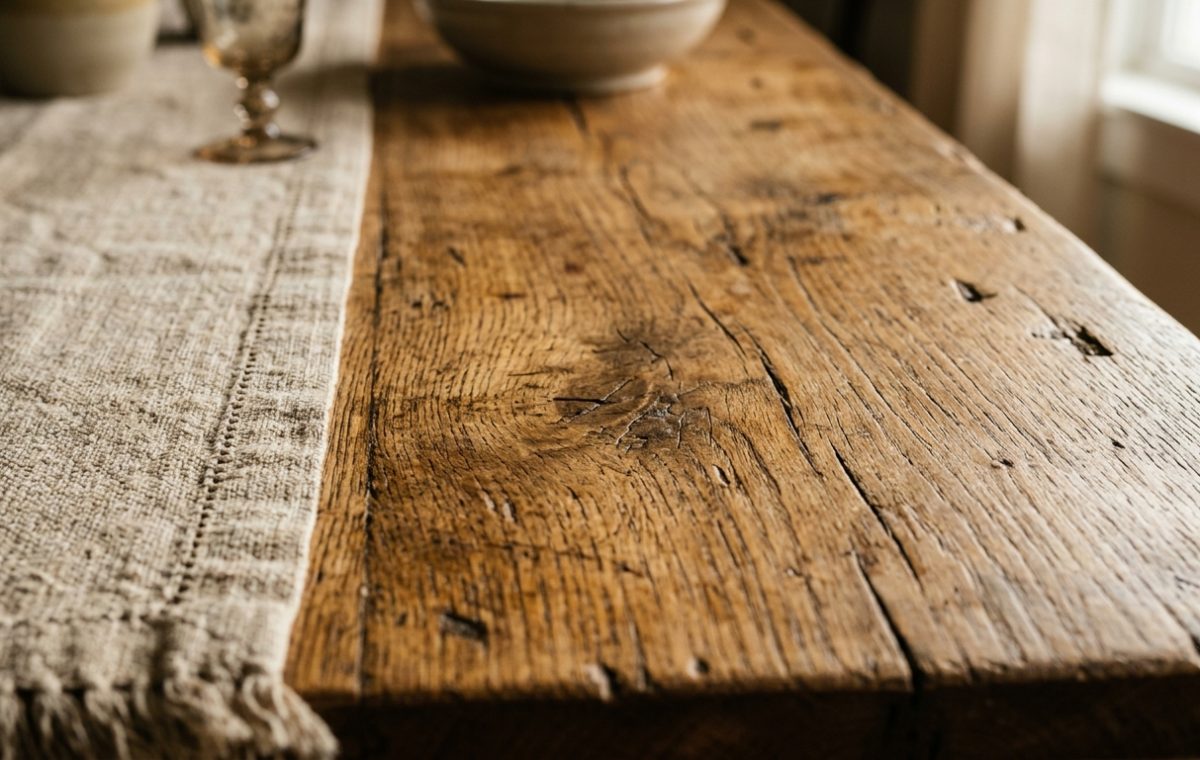
Mass-produced furniture often tries too hard to hide its origins. Every knot, saw mark, and hairline crack gets sanded away until the piece looks like a sterile showroom display. Real character asks for the exact opposite. A well-crafted reclaimed wood dining table wears its history directly on the surface. You can run your fingers across ancient grain patterns and feel the tactile weight of decades past. It is not trying to be perfect. That is precisely why it works.
Why Patina Matters More Than Polish
Factory finishes scratch easily and reveal pale synthetic cores underneath. Authentic solid oak or salvaged pine tells a different story entirely. When a glass leaves a watermark or a knife slips during dinner prep, the damage simply melts into the existing landscape of dents and gouges. This raw resilience takes the stress out of daily hosting. You stop worrying about protecting an untouchable surface and start enjoying actual meals.
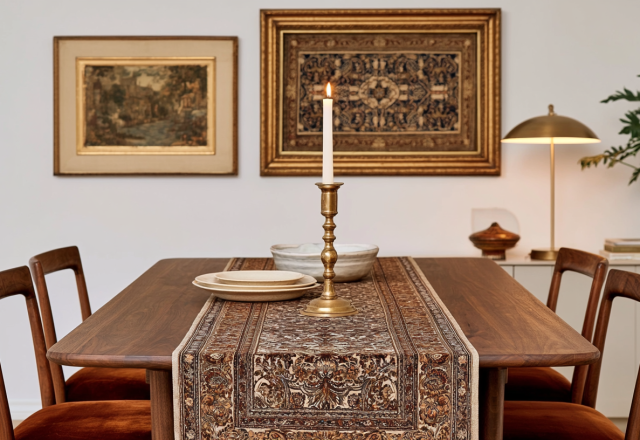
Styling around heavy timber demands restraint. Keep surrounding textures honest and tactile. A coarse linen table runner or heavy earthenware bowls amplify the organic feel without tipping the room into a themed rustic caricature. Contrast the rugged grain with slender iron chairs or modern ceramic dinnerware to keep the eye moving.
The Reality of Maintenance
Owning salvaged timber requires a shift in expectations. Dust settles deep into open grain lines. Spills need prompt attention, especially oils and red wine. A simple beeswax conditioner once or twice a year keeps the fibers nourished without building up an artificial plastic sheen. Do you prefer your furniture pristine, or do you love pieces that collect memories over the years?
Curating the Modern Heritage Dining Space Most dining areas feel like showrooms rather than lived-in rooms. They lack grit. They miss that lived-in depth…