Vintage Hallway Runner: Sizing and Styling Antique Rugs
Key Points
The Anatomy of a Proper Hallway Rug Most hallways get treated as dead zones.
Builders slap down standard oak planks, paint the baseboards white,…
The Anatomy of a Proper Hallway Rug
Most hallways get treated as dead zones. Builders slap down standard oak planks, paint the baseboards white, and leave the floor bare. That leaves a cold corridor echoing every footstep. Adding a vintage hallway runner changes the acoustic profile instantly. It softens harsh steps while bringing instant character to otherwise neglected square footage.
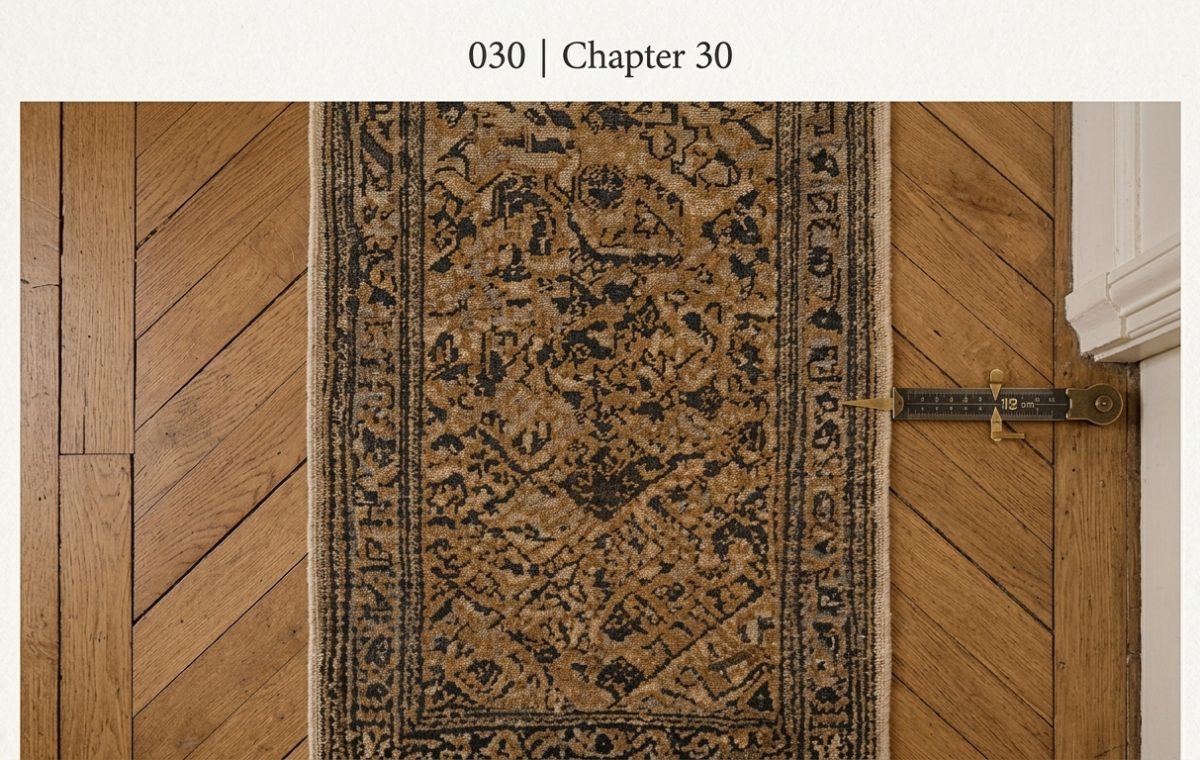
Look at the floor in the image. You see classic herringbone parquet paired with a weathered, muted-tone antique runner. A vintage piece works here because its faded motifs and earthy browns play nicely with the grain of natural wood. If you drop a bright, neon-saturated modern rug onto authentic chevron floors, the visual clash fights for attention. Antique patterns possess a built-in neutrality.
Getting the Measurements Right
Measuring for narrow spaces requires patience. As shown by the brass caliper resting against the baseboard, precision matters down to the centimeter. Leave an equal border of bare wood exposed on both sides. A runner that spans wall-to-wall feels cramped and suffocates the room. Aim for roughly four to six inches of visible floor on either edge. This frames the textile like artwork.
Traffic patterns dictate material choices. Hallways absorb constant friction from shoes, pets, and heavy boots. Wool remains the undisputed champion here. Natural lanolin repels liquid spills, and the fibers bounce back after compression. Synthetic alternatives crush flat within months, trapping dirt deep inside their plastic backing.
Handling Placement Pitfalls
Sliding represents the number one hazard with long rugs. A runner positioned on polished oak acts like a skateboard unless secured underneath. Skip cheap plastic mesh that eventually melts into the floor finish. Invest in a breathable felt-and-rubber pad. It keeps the textile planted firmly in place without ruining your hardwood underneath.
How do you handle transitions between rooms? Keep the runner centered within the main corridor axis. Do not let it creep awkwardly past door thresholds where people trip on the fringe. Every inch counts when working with tight dimensions.
How do you balance antique textile patterns with modern minimalist baseboards in your own home?
Editorial Lookbook & Photo Collection
Photo Archive: Vintage Hallway Runner: Sizing and Styling Antique Rugs
36 Photos
Written by
JayhawkRent Editorial Team
Culinary Critic exploring visual stories and modern design based in Paris, France.
Editorial review fields are available through custom fields: jayhawk_reviewer_name and jayhawk_reviewer_note.
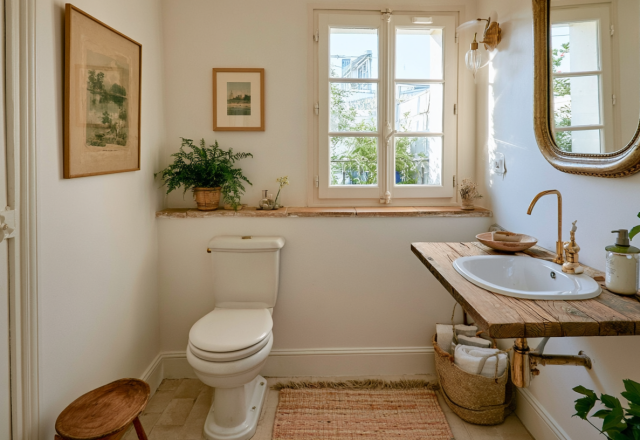
Designing Around Tight Corners Most small bathroom designs default to sterile white porcelain and oversized mirrors in a frantic attempt to trick the eye.…
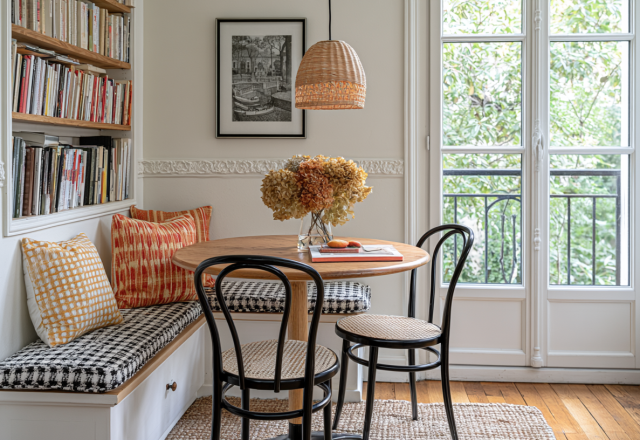
Reclaiming Dead Space with Built-In Banquettes Most apartments have that one awkward corner where nothing quite fits. Instead of shoving a houseplant into the…