How to Style a Rustic Kitchen Table Centerpiece With Fruit
Key Points
Styling a tabletop without making it look like a staged furniture catalog requires a certain amount of restraint.
Too many accessories clutter the walkway,…
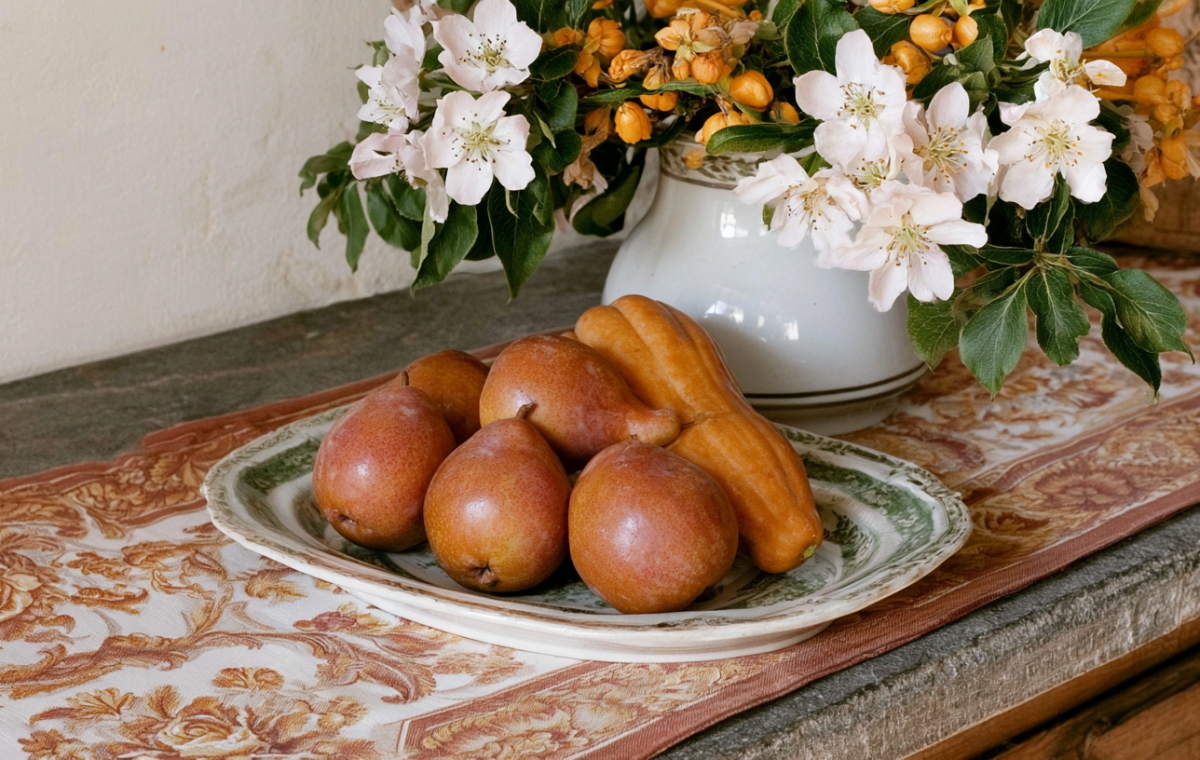
Styling a tabletop without making it look like a staged furniture catalog requires a certain amount of restraint. Too many accessories clutter the walkway, while a single lonely object leaves the space feeling cold. The sweet spot lies in combining natural textures with practical tableware. Look at how a heavy white ceramic pitcher brimming with pale blossoms pairs with a low-slung platter holding ripe pears and an heirloom gourd. It feels collected over time rather than bought in one afternoon.
Choosing Your Base Elements
Scale matters immensely when styling everyday surfaces. A tall vessel adds height, but it can easily block conversations if placed in a dining area. On a buffet sideboard or an unused corner runner, height works brilliantly. Pair that tall element with a wide, shallow dish to anchor the arrangement. An antique transferware platter with a soft green botanical border grounds the glossy, warm tones of the fruit sitting directly inside it. Contrast is your best friend here. Rough stone counters or patterned fabric runners soften the hard edges of ceramic and glass.
The Art of Imperfect Arrangement
Forget strict symmetry. Nature does not work in straight lines, and neither should your displays. Cluster three or four pears together, letting one tilt carelessly toward the edge of the plate. Let a uniquely shaped squash rest naturally against them, introducing an irregular organic silhouette. Fresh apple blossoms in soft creams and whites introduce a delicate fragrance and an ephemeral quality. Flowers do not last forever, and that fleeting nature is precisely what makes them charming.
Mix matte and glossy textures for visual depth.
Vary heights between floral vessels and low fruit dishes.
Use vintage runners to protect surfaces and add pattern.
Incorporate seasonal produce that ripens gracefully over a few days.
Maintenance is surprisingly low, provided you remember to swap out bruised fruit before guests arrive or flies notice. It is an evolving display that changes slightly every time you grab a snack or water the stems. How do you usually dress your kitchen surfaces for the changing seasons?
Editorial Lookbook & Photo Collection
Photo Archive: How to Style a Rustic Kitchen Table Centerpiece With Fruit
36 Photos
Written by
JayhawkRent Editorial Team
Culinary Critic exploring visual stories and modern design based in Paris, France.
Editorial review fields are available through custom fields: jayhawk_reviewer_name and jayhawk_reviewer_note.
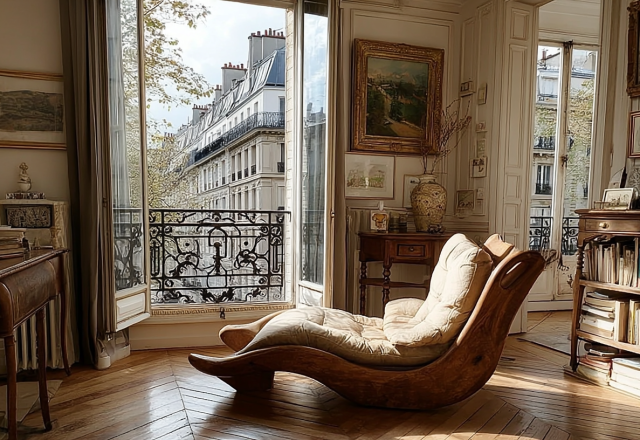
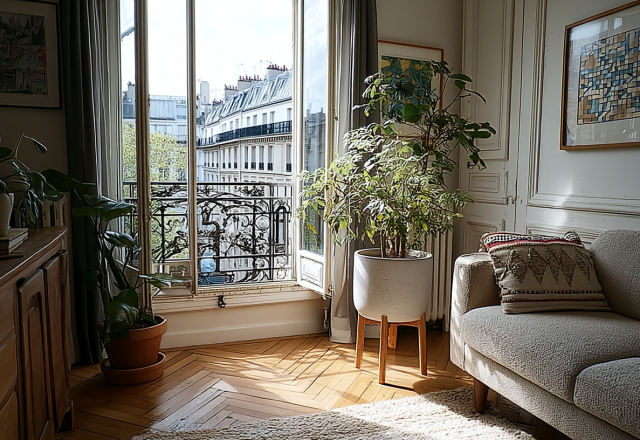
The Anatomy of a Parisian Living Space Designing a timeless French apartment living room requires a delicate balance between historic architectural weight and effortless…
Designing Around Historic Bones Real Parisian architecture does heavy lifting before you even buy a stick of furniture. High ceilings, intricate moldings, and narrow…