The Anatomy of a Well-Dressed Surface
Most flat surfaces in a home suffer from an identity crisis. They either become accidental dumping grounds for mail and keys, or they look so starkly curated that touching anything feels like a federal offense. Effective console table styling requires finding that narrow sweet spot in between. Think about visual weight before placing a single object down.
Symmetry often gets a bad reputation for feeling stiff. Yet, when executed with slightly organic variations, matched lamp bases anchor both ends of a long wooden surface without looking like a hotel lobby. Look at how paired ceramic table lamps with pleated shades establish clear boundaries for the arrangement. They frame the space, drawing the eye inward toward the central focal point.
Layering Texture and Warmth
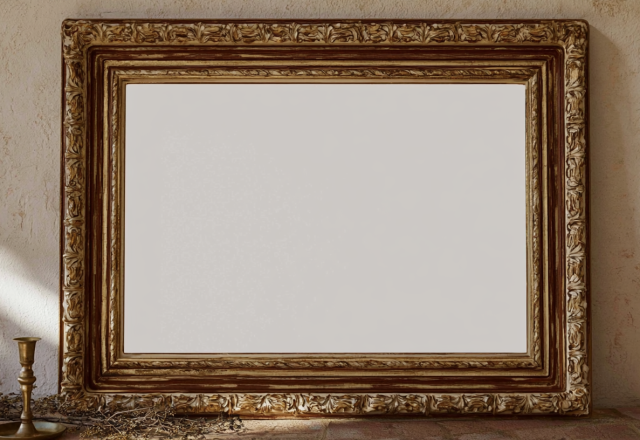
Flat walls need depth. A heavy gold-trimmed mirror reflects natural light while adding a touch of classical structure behind the vignette. Beneath it, a woven basket packed with deep red mums introduces living color and rustic texture. Contrast is everything. Smooth ceramics and shiny glass jars sit comfortably against rough wicker and distressed wood grain.
- Use odd numbers when grouping candles on a metallic tray.
- Mix translucent amber glass with opaque stoneware.
- Vary object heights to keep the viewer eye moving dynamically.
- Keep everyday drop zones hidden inside nearby drawers rather than cluttering the tabletop.
Lighting as a Mood Modifier
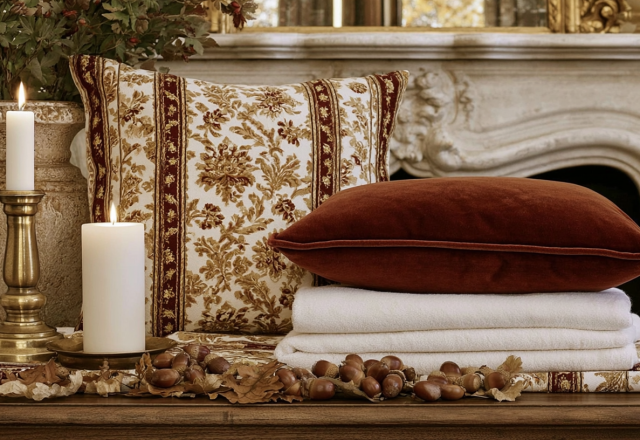
Overhead recessed cans kill ambiance instantly. Soft pools of light radiating from table lamps at dusk change the entire personality of a transitional hallway or living room. Grouped pillars clustered on a hammered brass tray add an extra layer of flickering glow once the sun goes down. Sure, dusting around multiple candle holders and lamp bases takes an extra minute on cleaning day, but the ambient payoff makes the upkeep worth it. How do you usually balance lighting and decorative objects on your main entryway surfaces?
Editorial Lookbook & Photo Collection