Antique Brass Kitchen Faucet: Choosing Patina and Character
Key Points
The Allure of Living Finishes Most modern hardware store fixtures arrive polished to perfection, only to scratch, chip, and look tired within two years.…
The Allure of Living Finishes
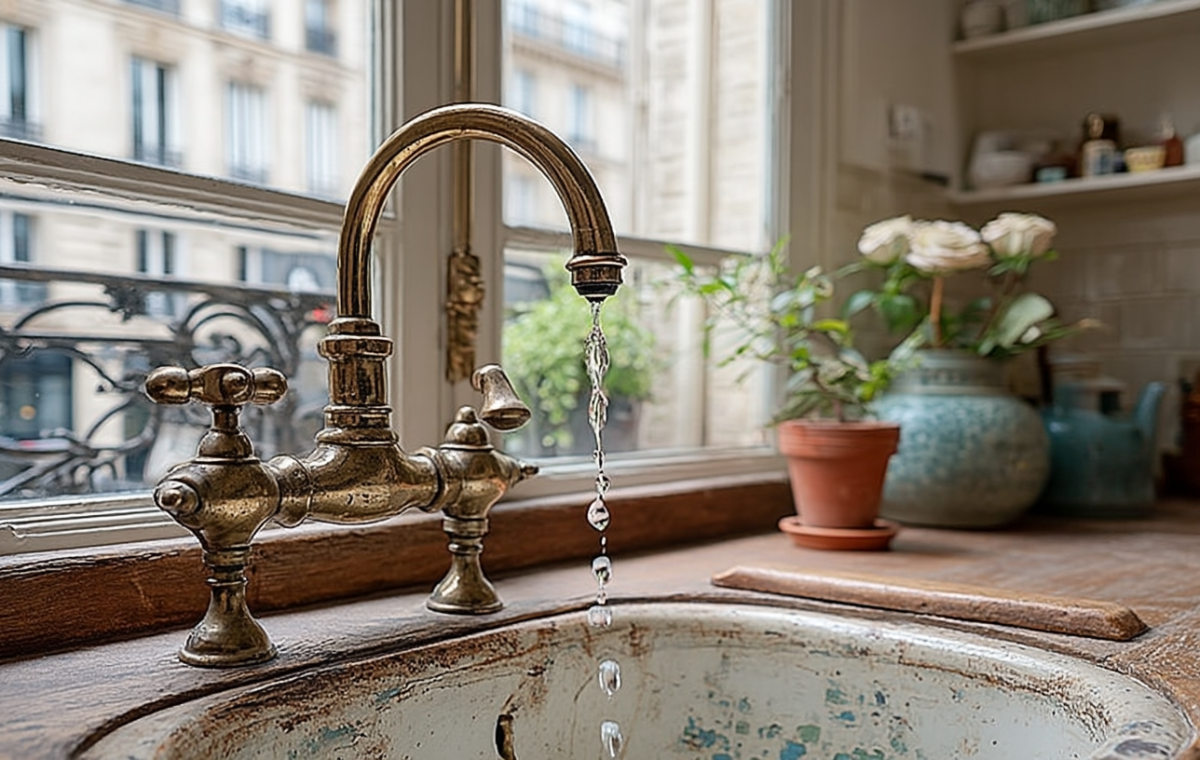
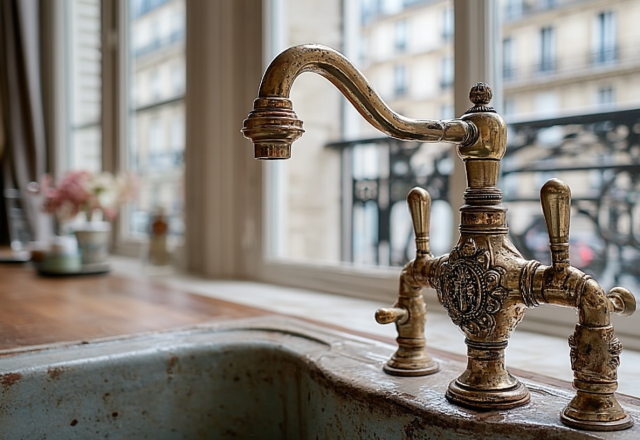
Most modern hardware store fixtures arrive polished to perfection, only to scratch, chip, and look tired within two years. An antique brass kitchen faucet operates under an entirely different philosophy. It embraces wear. Over time, hands grip the handles, minerals interact with the spout, and the metal develops a rich, complex patina that tells a real story about how a home gets lived in.
Choosing unlacquered brass means accepting imperfection. Water spots happen. Tonal variations appear naturally near the base and handles. That is not a flaw; it is the entire point. Mass-produced chrome lacks this organic depth, feeling sterile against weathered wood counters or vintage fireclay basins.
Practical Realities of Vintage Taps
Before ripping out your standard mixer, consider the mechanical upkeep. Older styles or heavily detailed reproduction spouts often house proprietary ceramic cartridges or classic compression washers. Sourcing replacement parts might take an extra afternoon compared to grabbing a generic big-box kit. Furthermore, high-arc spouts look striking by a window, but they can cause relentless splashing if your sink basin lacks sufficient depth or width.
Installation quirks also pop up unexpectedly. Old plumbing rough-ins rarely align neatly with heavy, double-handle deck mounts. Plumbers might need to fabricate custom supply lines or adjust mounting nuts in painfully tight spaces behind the basin. Patience during installation saves endless headaches later.
Integrating Historic Hardware Today
Pairing a distressed brass mixer with modern quartz or concrete can create an arresting visual tension. The trick lies in balancing warm metallics with subtle supporting textures. A simple clay pot with greenery or a timeworn wooden sill grounds the shiny metal droplets suspended in mid-air. How do you balance raw, aged metals with modern everyday convenience in your own cooking space?
Editorial Lookbook & Photo Collection
Photo Archive: Antique Brass Kitchen Faucet: Choosing Patina and Character
36 Photos
Written by
JayhawkRent Editorial Team
Culinary Critic exploring visual stories and modern design based in Paris, France.
Editorial review fields are available through custom fields: jayhawk_reviewer_name and jayhawk_reviewer_note.
Styling a tabletop without making it look like a staged furniture catalog requires a certain amount of restraint. Too many accessories clutter the walkway,…
The Problem with Over-Styled Tablescapes Most dining setups look like they belong in a showroom rather than a lived-in home. They are stiff, over-accessorized,…