The Anatomy of Historic Rooms
Old houses demand patience. You cannot simply rush in with modern drywall and expect heritage proportions to forgive you. Consider the sheer weight of detail in a proper historic interior. The walls are not flat planes of paint; they are layered canvases framed by heavy wainscoting, deep baseboards, and soaring door casings. When you stand in a room featuring original millwork, the silence feels different. It holds history.
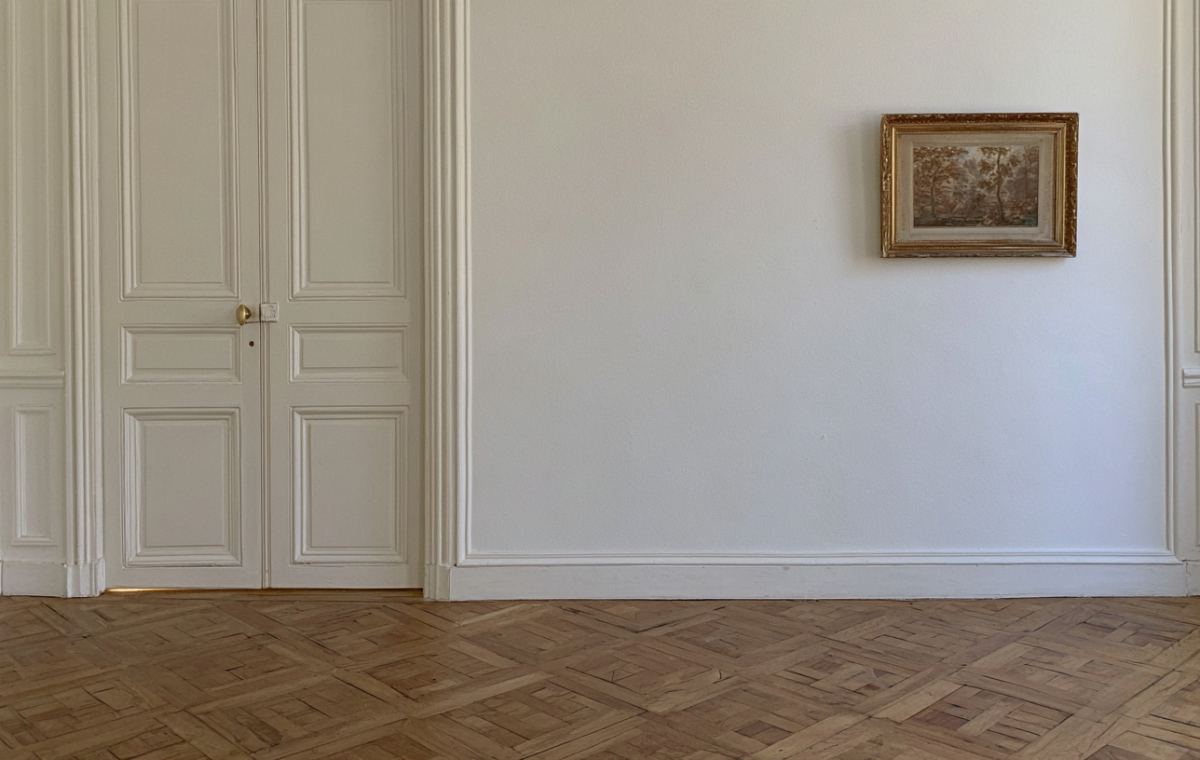
Take a hard look at the woodwork. White-painted double doors with brass hardware stand sentinel against high plaster walls. This is not factory-stamped MDF. These are heavy wooden panels that have swollen and shrunk through decades of seasonal changes. Preserving them means embracing minor imperfections. Stripping away heavy latex paint to reveal the crisp shadow lines beneath takes hours of meticulous labor.
Why Parquetry Flooring Changes Everything
Look down. The floor tells the real story. Traditional parquetry flooring and complex geometric wood block patterns completely transform how light bounces across a room. Unlike standard wide planks, intricate parquet layouts draw the eye inward, creating an immediate sense of scale and craftsmanship.
- Use knife-grade wood fillers sparingly for historic repairs.
- Opt for hard-wax oils instead of glossy polyurethane finishes.
- Maintain stable indoor humidity to prevent wood block separation.
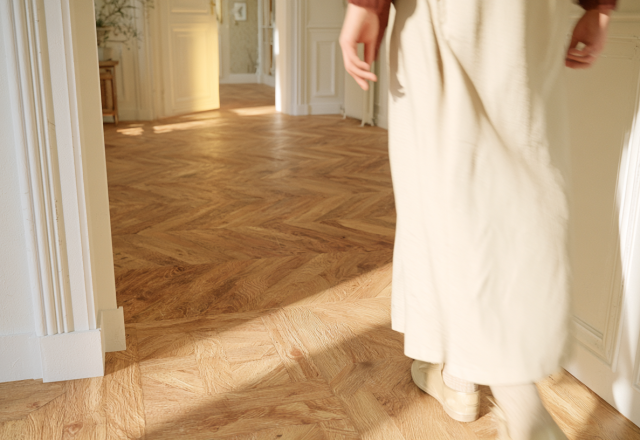
Of course, maintaining vintage wood floors is no weekend picnic. Older timber shifts. Gaps appear. Seasonal heating cycles cause boards to contract, leaving tiny chasms where dust loves to settle. Yet, walking barefoot across aged oak blocks with subtle grain variations beats synthetic laminate every single time. The slight unevenness underfoot is proof of a living, breathing house.
Balancing Negative Space and Art
Empty white walls terrify most decorators. They rush to fill every square inch with gallery walls, oversized mirrors, or floating shelves. But restraint wins. Hanging a single, small landscape painting in a heavy gilt frame off-center on a massive expanse of wall creates dramatic tension. It forces the viewer to pause.
When you let architectural features breathe, the room starts working for you. You stop needing trendy furniture to prop up the aesthetic. The brass door handles, the rhythm of the wooden floor tiles, and the clean plaster surfaces carry the entire design narrative. How do you plan to balance historic preservation with your own daily modern comfort?
Editorial Lookbook & Photo Collection