The Power of Vertical Illumination
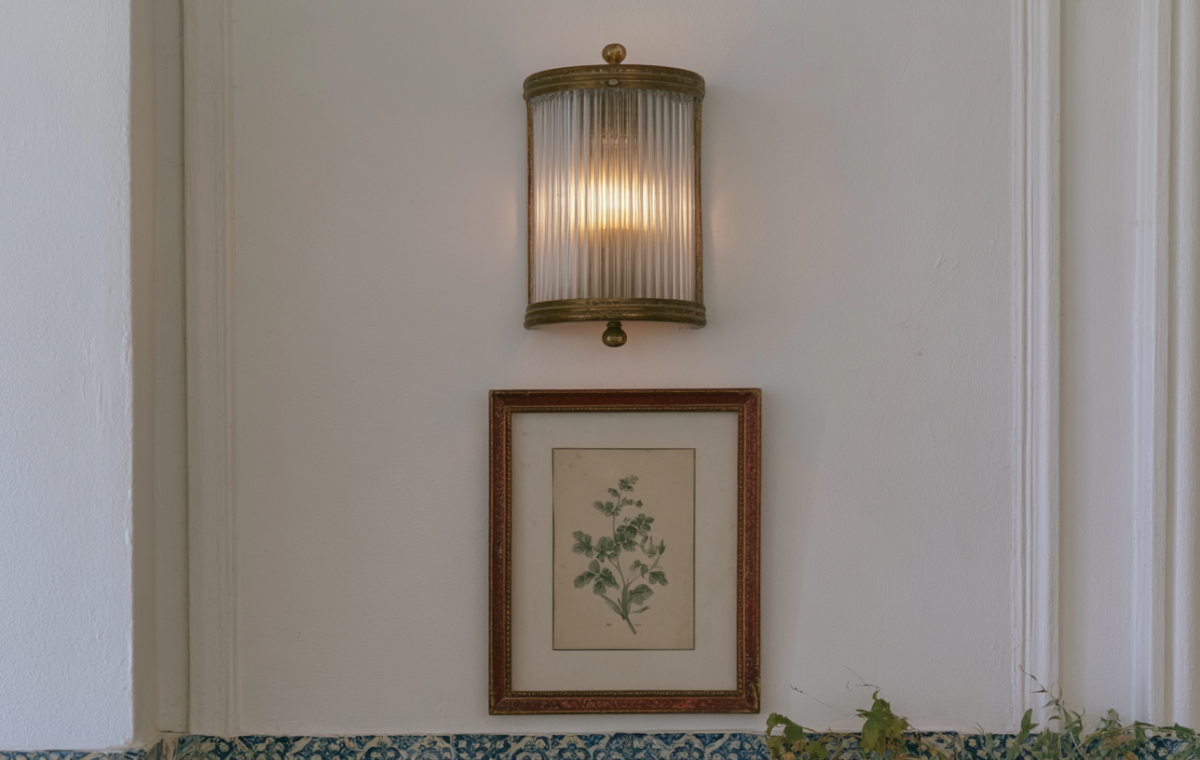
Overhead ceiling fixtures often flood a space with flat, uninspired glare. Wall-mounted alternatives change the psychological geometry of a room completely. A ribbed glass fixture mounted directly onto textured plaster casts gentle, striated shadows that turn a blank corridor into an intimate architectural journey. It is about layering light at eye level.
Hardware choice matters immensely. Shiny, lacquered metals scream fast-fashion retail, whereas living finishes like aged brass gain character through exposure and time. Pair that metallic warmth with a classic botanical print housed in a slender, worn wooden frame. The combination feels curated over decades rather than bought in a single afternoon.
Balancing Proportion and Placement
Scale can make or break a display. Placing a compact vertical sconce directly above a framed picture creates a cohesive visual stack. If your ceilings run high, mounting these fixtures a fraction above standard eye level draws the gaze upward. However, watch out for harsh glare leaking from open bulbs; frosted or reeded shades are essential for diffusing output into a warm, buttery glow.
- Choose high-CRI bulbs to keep botanical greens looking true-to-life.
- Match your sconce finish to nearby door hinges or cabinet pulls for subtle cohesion.
- Ensure the wiring depth accommodates your chosen backplate without awkward gaps.
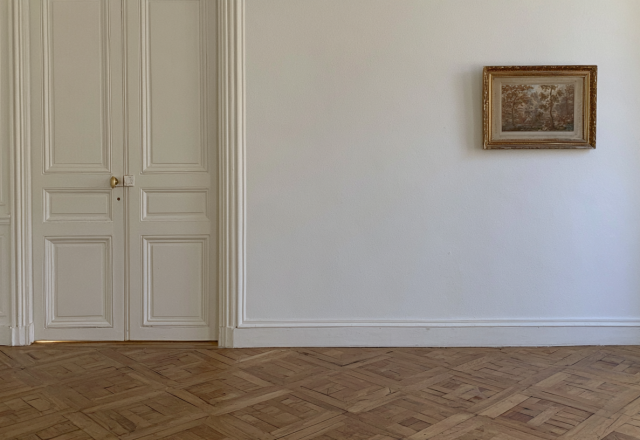
Styling vertical planes is rarely about filling every inch. Sometimes, letting crisp white walls breathe around a single illuminated focal point yields a much stronger design statement than heavy gallery walls.
Everyday Upkeep and Practical Caveats
Ribbed glass looks stunning when clean, but dust settles rapidly in the grooves. Expect to wipe down your fixtures bi-weekly with a microfiber cloth to maintain that crisp refraction. Brass components also demand care—skip harsh chemical cleaners unless you want to strip away the desirable patina that makes antique-style hardware look authentic in the first place.
How do you approach lighting transition zones in your own home? Does a single accent sconce feel sufficient, or do you prefer layering multiple light sources down a long corridor?
Editorial Lookbook & Photo Collection