Choosing Interior Doors: Small Details That Transform Spaces
Key Points
The Subtle Power of Interior Doors Most people ignore internal passageways.
They treat them as functional barriers rather than primary design surfaces.
A flat…
The Subtle Power of Interior Doors
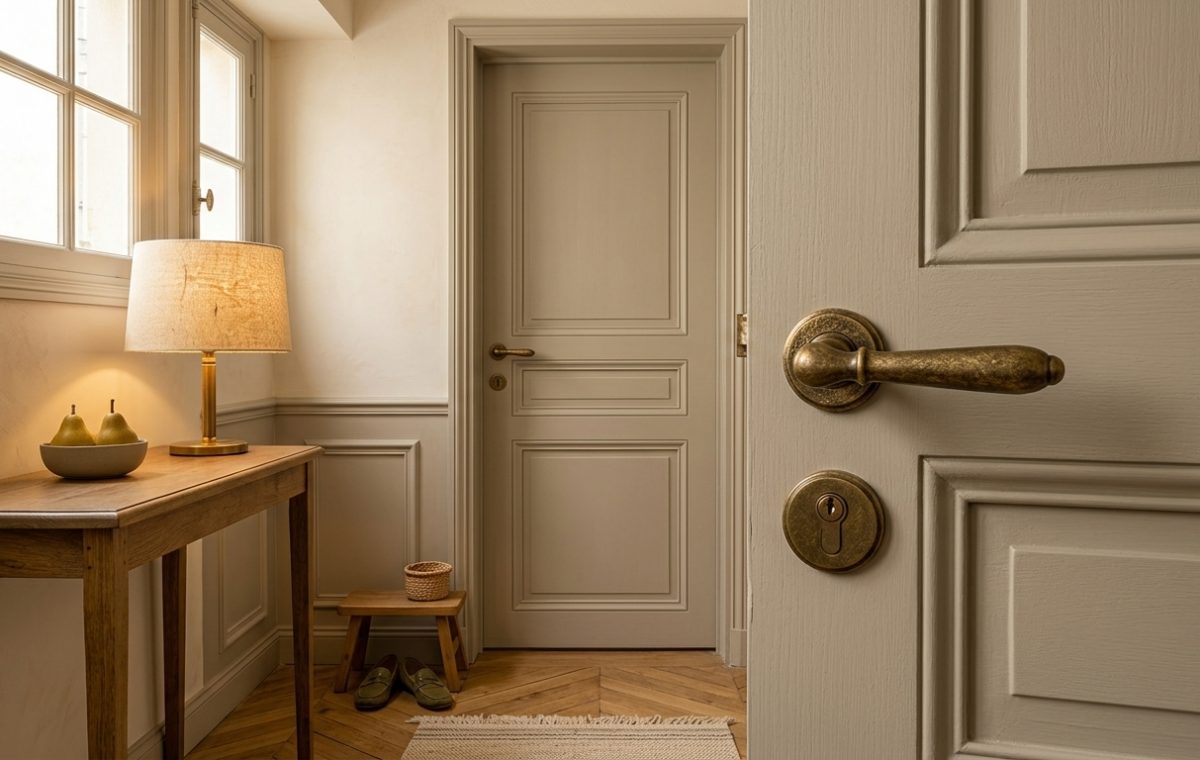
Most people ignore internal passageways. They treat them as functional barriers rather than primary design surfaces. A flat hollow-core slab slapped onto a frame kills atmosphere instantly. But when you switch to heavy panels featuring classic molding, the tactile experience shifts entirely.
Think about your hand gripping the handle. It should feel substantial. Antique brass or aged bronze hardware adds weight to routine movements. Cheap metal jiggles and squeaks; quality hardware stays silent and firm. Small tactile details anchor a home in reality.
Matching Hardware with Architectural Trim
Paneling and trim dictate whether a hallway feels cramped or breathing. When wainscoting matches the wall color, the space unifies visually. Soft greige and warm beige tones bounce morning light from nearby windows, making narrow transitional zones feel wider.
Select heavy, solid-core slabs for better acoustic insulation.
Pair traditional panels with aged hardware finishes to avoid a sterile look.
Keep baseboards proportional to your ceiling height.
Maintenance matters too. Flat paint finishes look chalky and catch every fingerprint around doorknobs. Satin or eggshell finishes offer enough sheen to wipe clean while diffusing overhead light softly. Do you find yourself constantly wiping smudge marks off high-traffic doors around your house?
Editorial Lookbook & Photo Collection
Photo Archive: Choosing Interior Doors: Small Details That Transform Spaces
36 Photos
Written by
JayhawkRent Editorial Team
Culinary Critic exploring visual stories and modern design based in Paris, France.
Editorial review fields are available through custom fields: jayhawk_reviewer_name and jayhawk_reviewer_note.
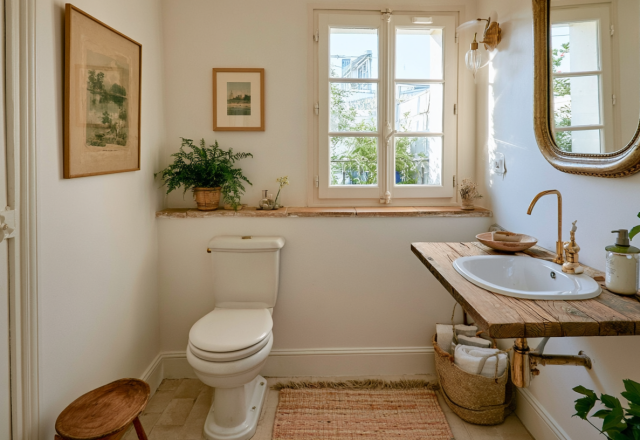
Designing Around Tight Corners Most small bathroom designs default to sterile white porcelain and oversized mirrors in a frantic attempt to trick the eye.…
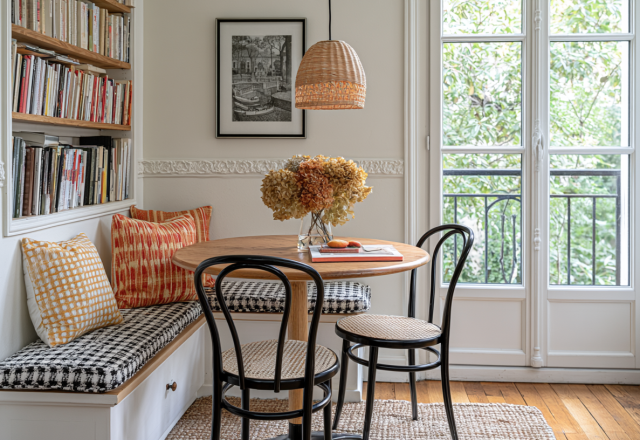
Reclaiming Dead Space with Built-In Banquettes Most apartments have that one awkward corner where nothing quite fits. Instead of shoving a houseplant into the…