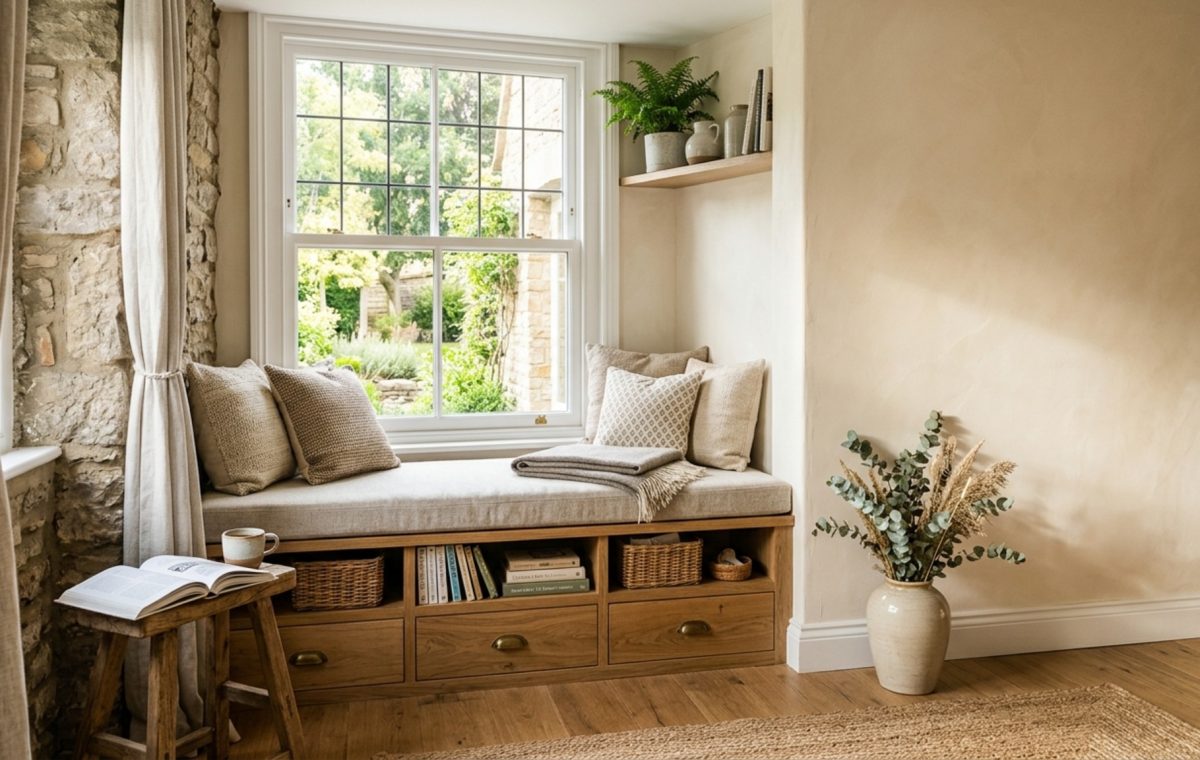
Polished honed travertine meets the organic warmth of rift-sawn oak in a quiet architectural embrace, framing the view with a precision-crafted window nook that defies the chaos of daily living. Within this threshold, the dance of shadow across matte plaster surfaces reveals a sanctuary where every square inch is curated for both repose and high-performance utility.
Creating a window nook is not merely about finding a place to sit; it is about reclaiming the architectural envelope of a home to serve a dual purpose. In modern urban residences and sprawling estates alike, the transition between the interior world and the landscape outside offers a unique opportunity to embed storage that feels like a natural extension of the wall rather than an afterthought. By utilizing precise ergonomic measurements and high-end material palettes, we can transform these secondary spaces into primary functional hubs. Whether you are addressing a tight corner in a city apartment or a vast bay window in a countryside manor, the key lies in the invisible details—the hidden slides, the recessed hardware, and the strategic alignment of sightlines that make a small window nook feel expansive.
1. The Integrated Plinth with Precision Drawers
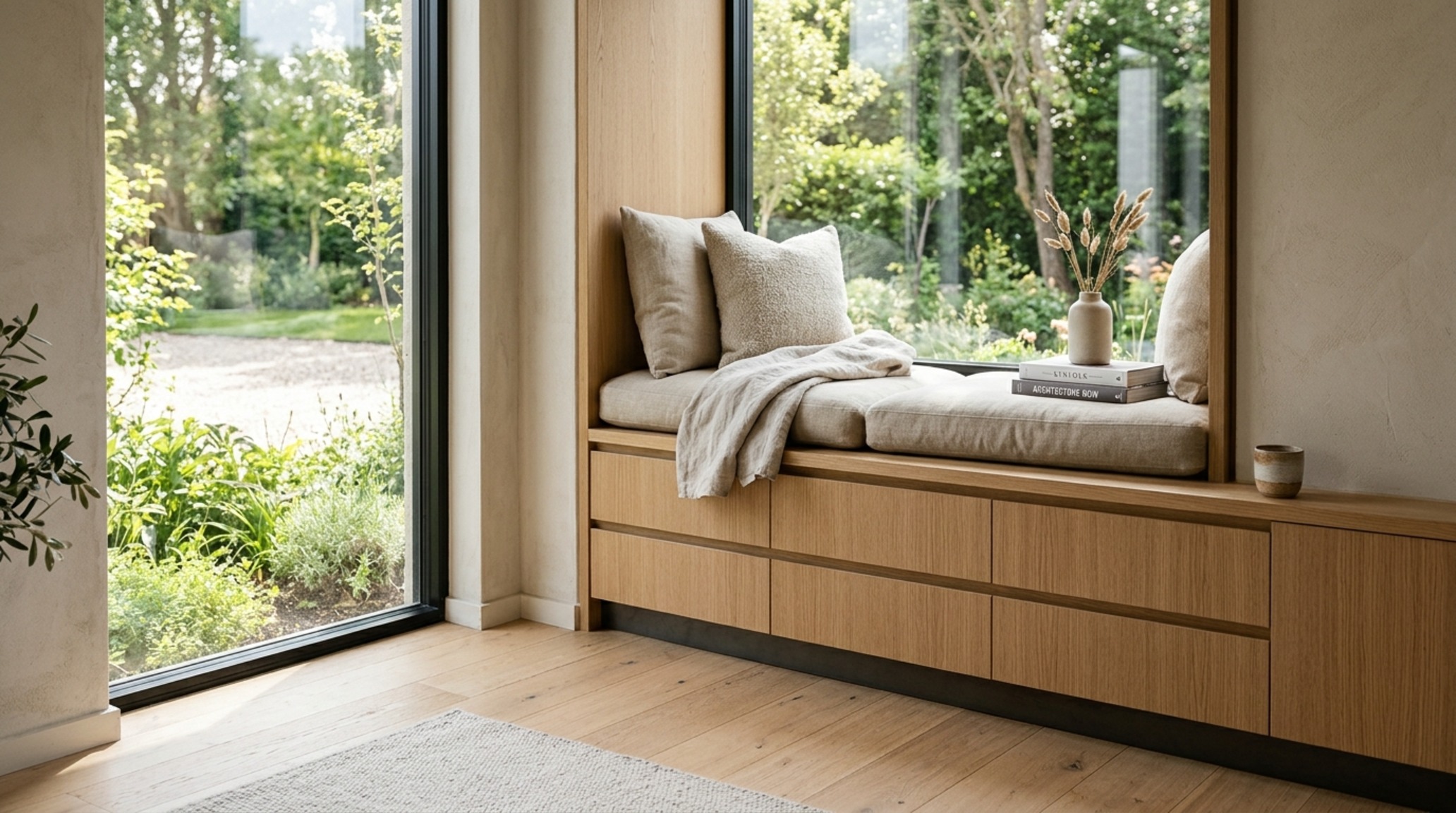
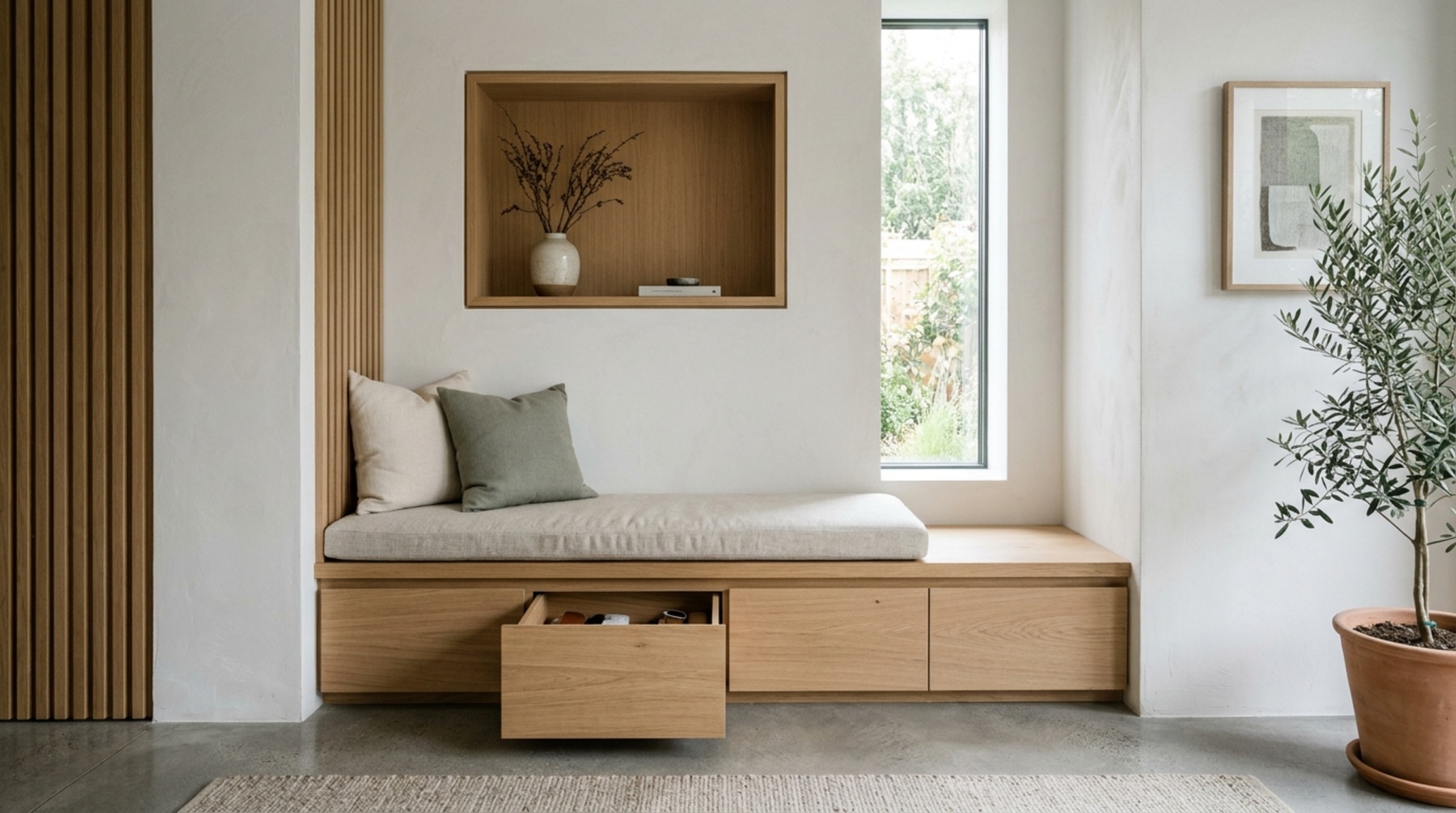
The most effective window nook storage solutions start from the ground up, utilizing a heavy-duty plinth base that mimics the home’s existing baseboard architecture. To achieve a seamless look, many architects are now specifying rift-sawn white oak for the cabinetry faces, ensuring the grain flows horizontally across the entire length of the seat. This horizontal orientation trick is essential for widening the visual perception of the room. From a technical standpoint, integrating oversized pull-out drawers with Blum Movento soft-close slides allows for 100-pound load capacities, making them ideal for heavy linens or seasonal items. By maintaining a 4-inch recessed toe kick, you create a subtle shadow line that makes the entire structure appear to float, adding a layer of architectural lightness to a heavy-duty storage solution. When the wood is finished in a clear matte lacquer, it reflects the soft morning light, grounding the room in a tactile, organic materiality.
2. Vertical Flanking for the Small Window Nook
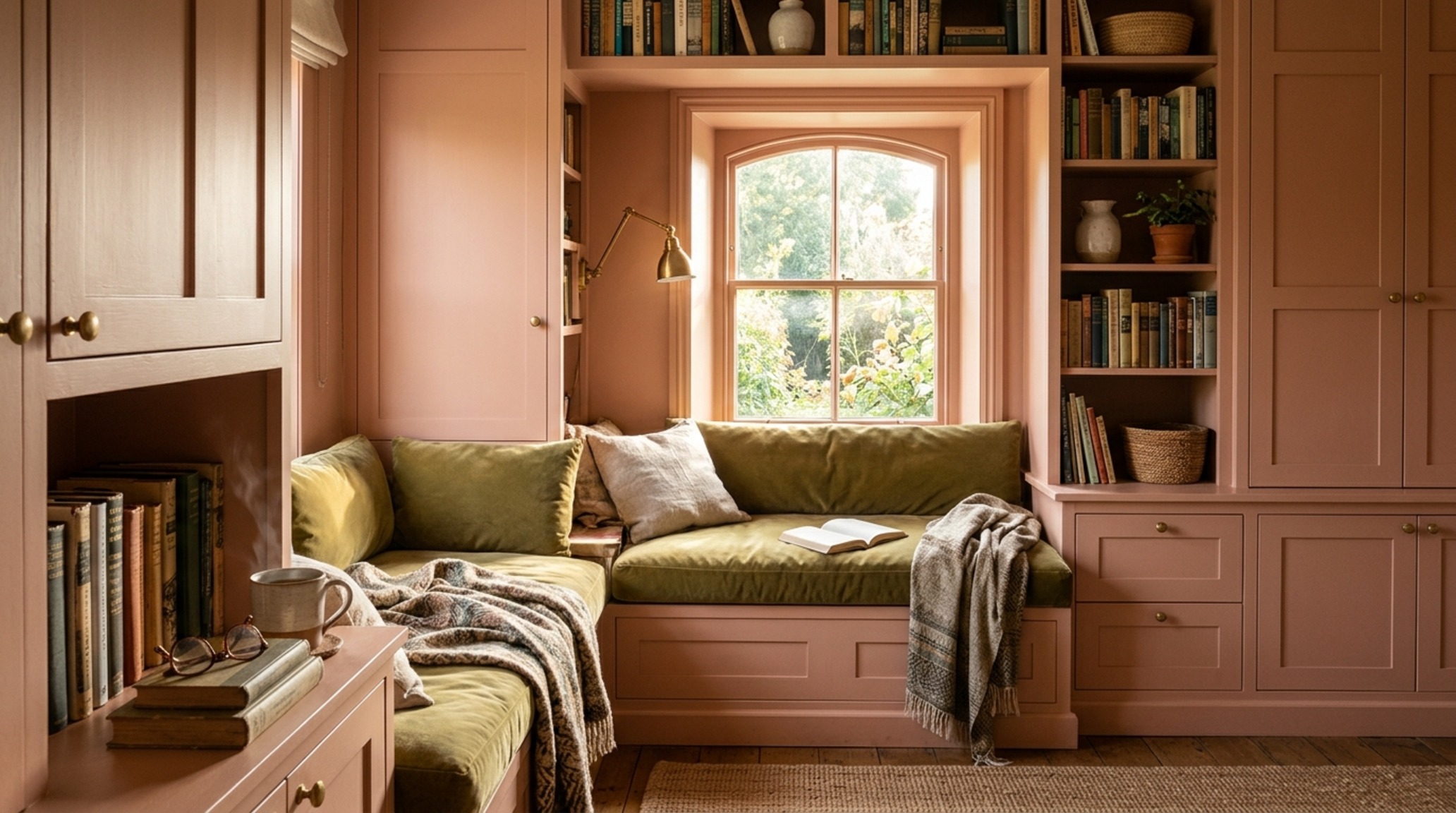
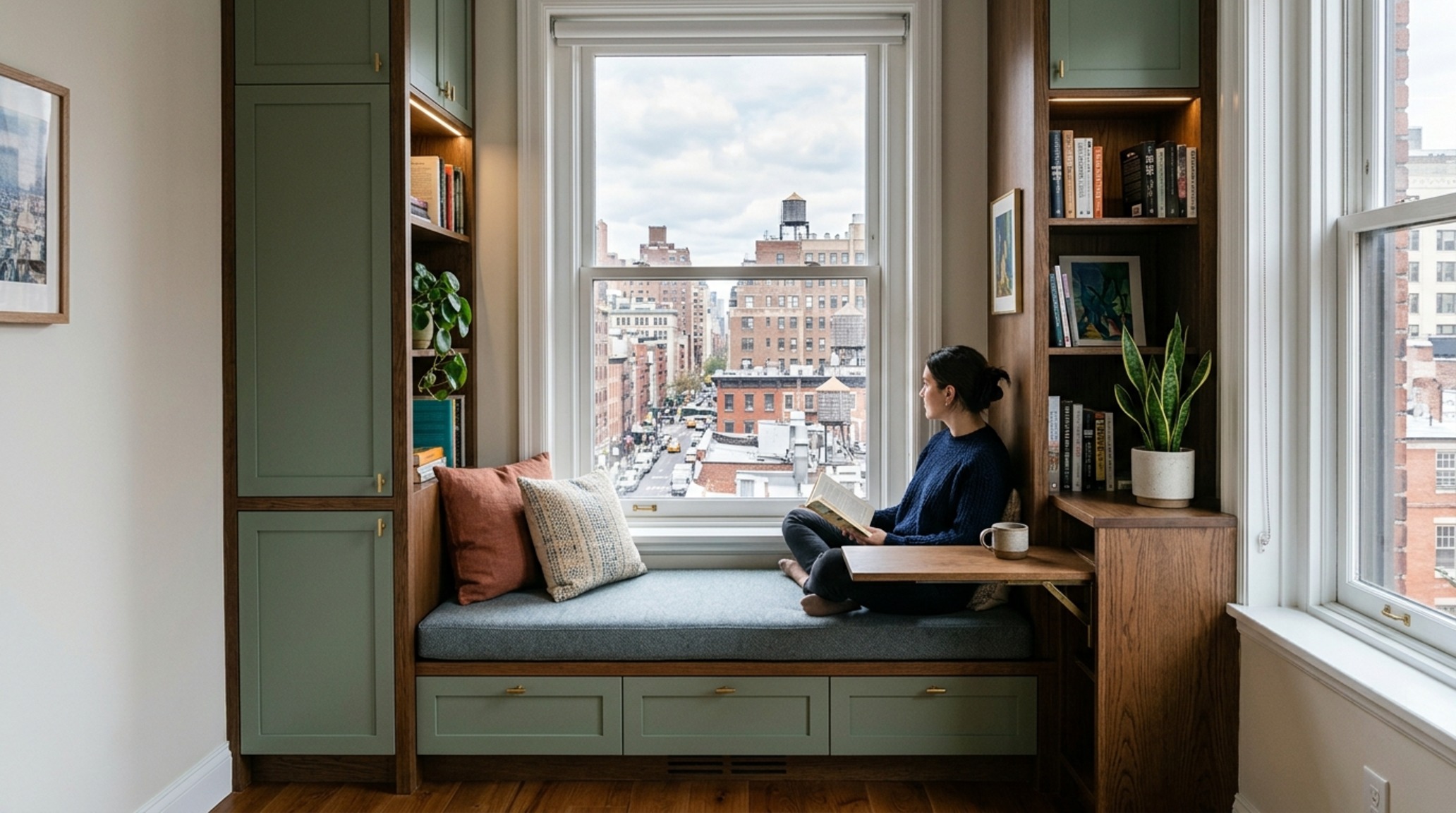
In compact environments where floor space is at a premium, the small window nook must work harder by extending its reach vertically. Instead of a simple bench, imagine two slender, floor-to-ceiling cabinets that flank the window, creating a recessed alcove effect. This framing technique provides a sense of enclosure and privacy while offering ample space for vertical storage. Using a color-drenched approach with a shade like Farrow & Ball Setting Plaster can unify the cabinetry with the walls, softening the transitions and preventing the furniture from feeling like a blocky intrusion. These vertical towers can house anything from media equipment to a hidden bar, all while keeping the central window area clear for light to penetrate deep into the room. The contrast between the solid vertical masses and the open, glass-filled center creates a sophisticated spatial cadence that guides the eye toward the view.
3. Architectural Depth & Ergonomic Dimensions
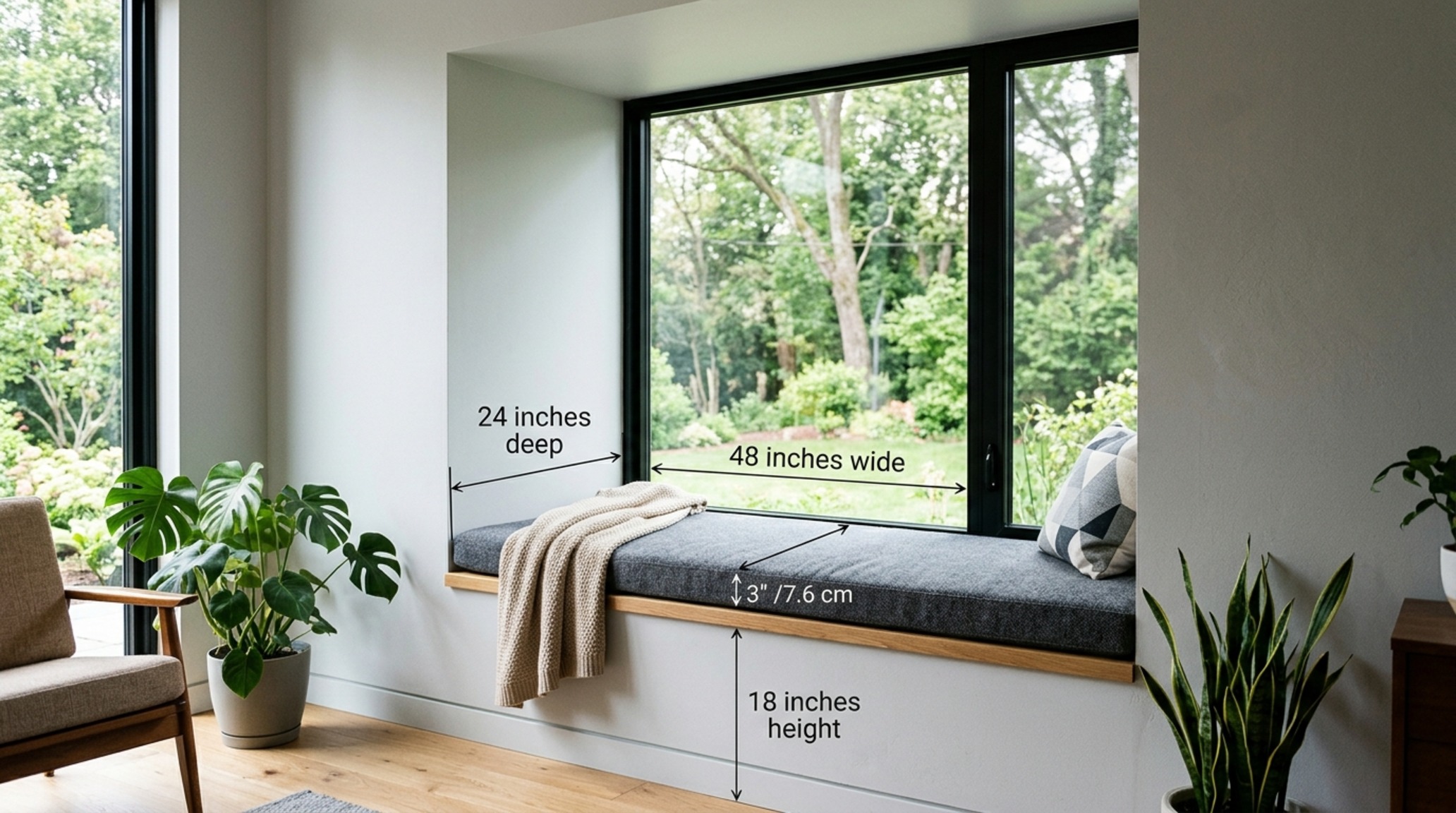
Precision is the hallmark of professional design, and understanding window nook dimensions is critical for long-term comfort. A standard window seat should sit approximately 18 inches above the finished floor, but this must account for the thickness of the cushion. If you plan for a plush 3-inch cushion upholstered in a heavy Belgian linen, the millwork itself should be constructed at a height of 15 inches. Furthermore, a depth of 24 to 27 inches is the sweet spot for lounging; anything shallower feels like a dining chair, and anything deeper makes it difficult for the average person to reach the floor. By adhering to these clearances, you ensure the nook remains a functional seating area rather than just a decorative ledge. Integrating a small 18-inch reach for a side table or a built-in stone ledge allows for a resting place for a morning espresso, bridging the gap between comfort and high-level architectural planning.
4. Modern Minimalist Cantilevers
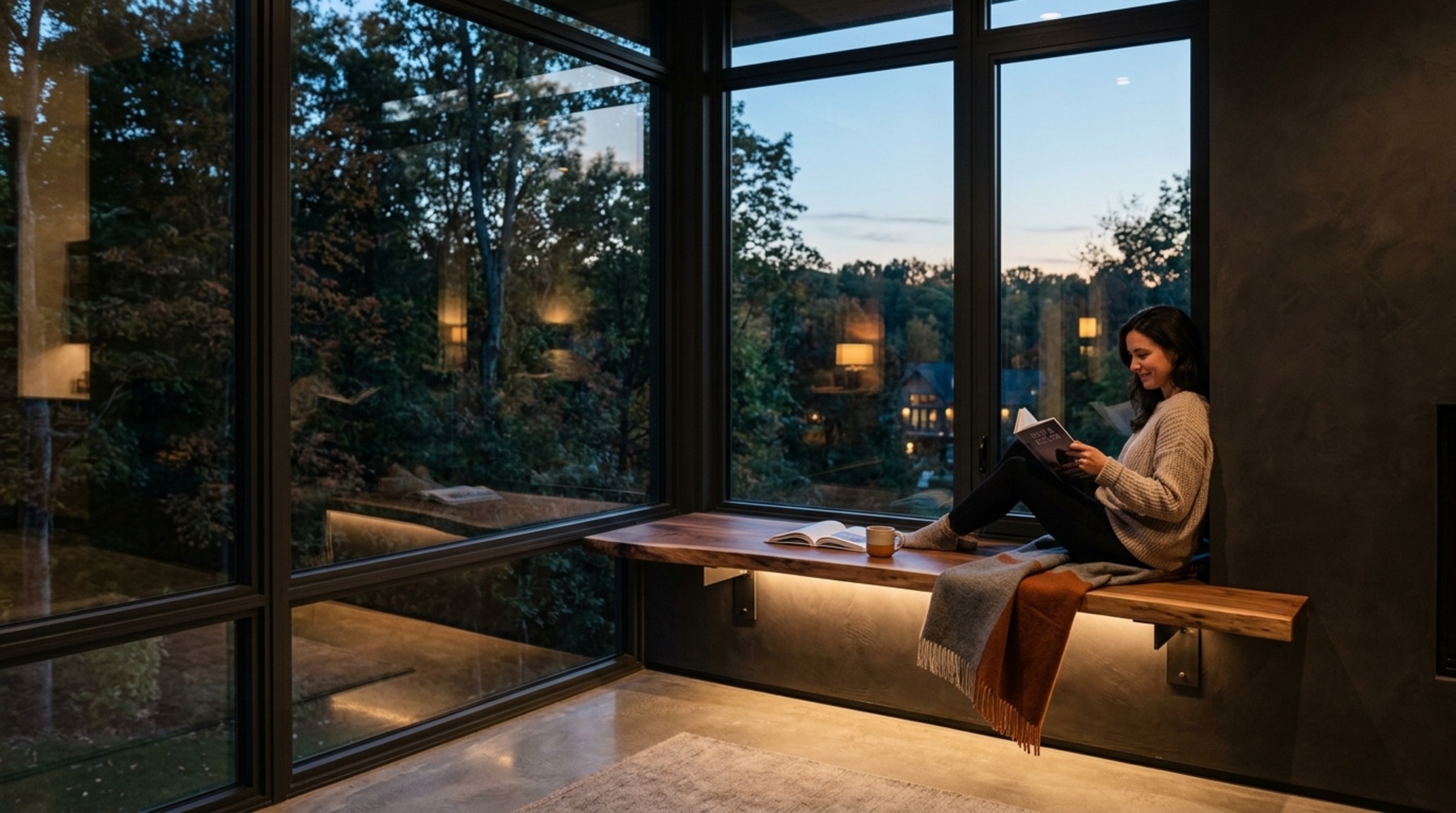
For those pursuing a modern window nook design, the traditional box-style bench is often replaced by a cantilevered plane. Using internal steel supports anchored directly into the wall studs, a thick slab of walnut or white oak can be made to “levitate” across the window opening. This leaves the floor plane entirely clear, which is a powerful tactic for making a room feel larger. Beneath this floating plane, you can place low-profile storage baskets or leave the negative space open to allow light to wash across the floor. This design language favors the clean lines of 3000K linear LED strips hidden in a small reglet at the back of the seat, providing a warm, indirect glow that highlights the texture of the wall behind the nook at night. It is a study in subtraction, where the absence of bulk creates a more profound sense of luxury.
5. Invisible HVAC and Vent-Friendly Framing
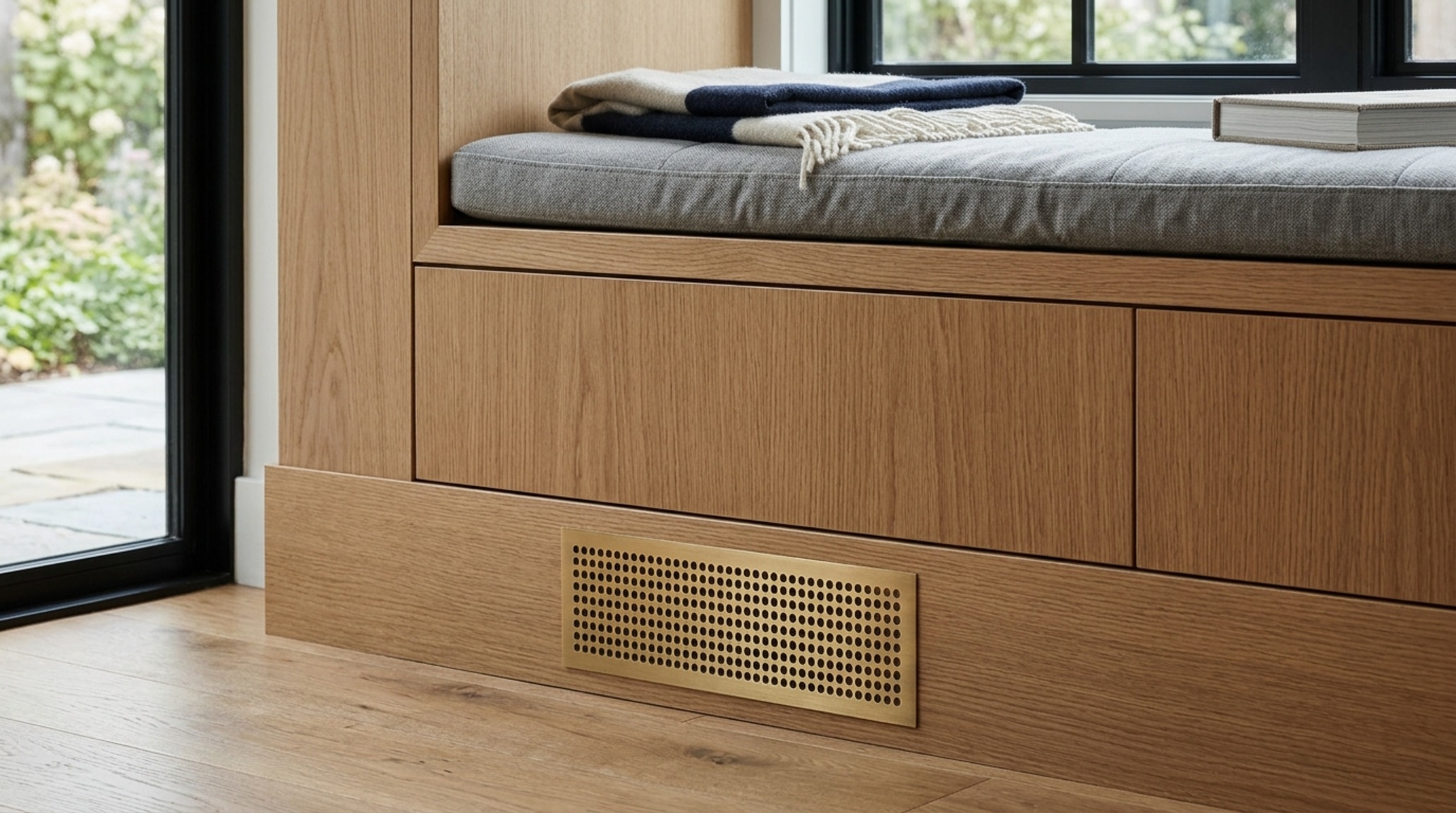
One of the most frequent challenges in designing a window nook is the presence of baseboard heaters or floor vents. Rather than blocking these essential mechanical components, a sophisticated build integrates perforated metal grilles—often in a custom brass or blackened steel finish—into the kickplate of the storage bench. This allows for unrestricted airflow while hiding the unsightly ductwork. This technical consideration ensures the nook remains comfortable during the winter months without compromising the thermal efficiency of the home. When paired with a light-filtering Roman shade in a neutral oat-colored wool, the entire assembly becomes a masterpiece of functional engineering. The integration of technology and comfort is what separates a DIY project from a professionally designed architectural feature.
6. The Secret Flip-Top for Oversized Items
While drawers are excellent for daily access, a flip-top lid is the superior choice for long-term window nook storage of bulky items like winter duvets or guest pillows. By using heavy-duty gas struts (similar to those found in automotive trunks), the heavy wooden top can be lifted with minimal effort and held safely in place. To keep the design looking modern, the lid should be integrated into the seating surface with a mitered edge that hides the hinge line. This creates a monolithic look when the seat is closed. Inside, the box can be lined with aromatic cedar or a durable laminate for easy cleaning. This approach maximizes the entire volume of the bench, ensuring no cubic inch of the window nook goes to waste.
7. Curated Visual Narrative & Detail Studies
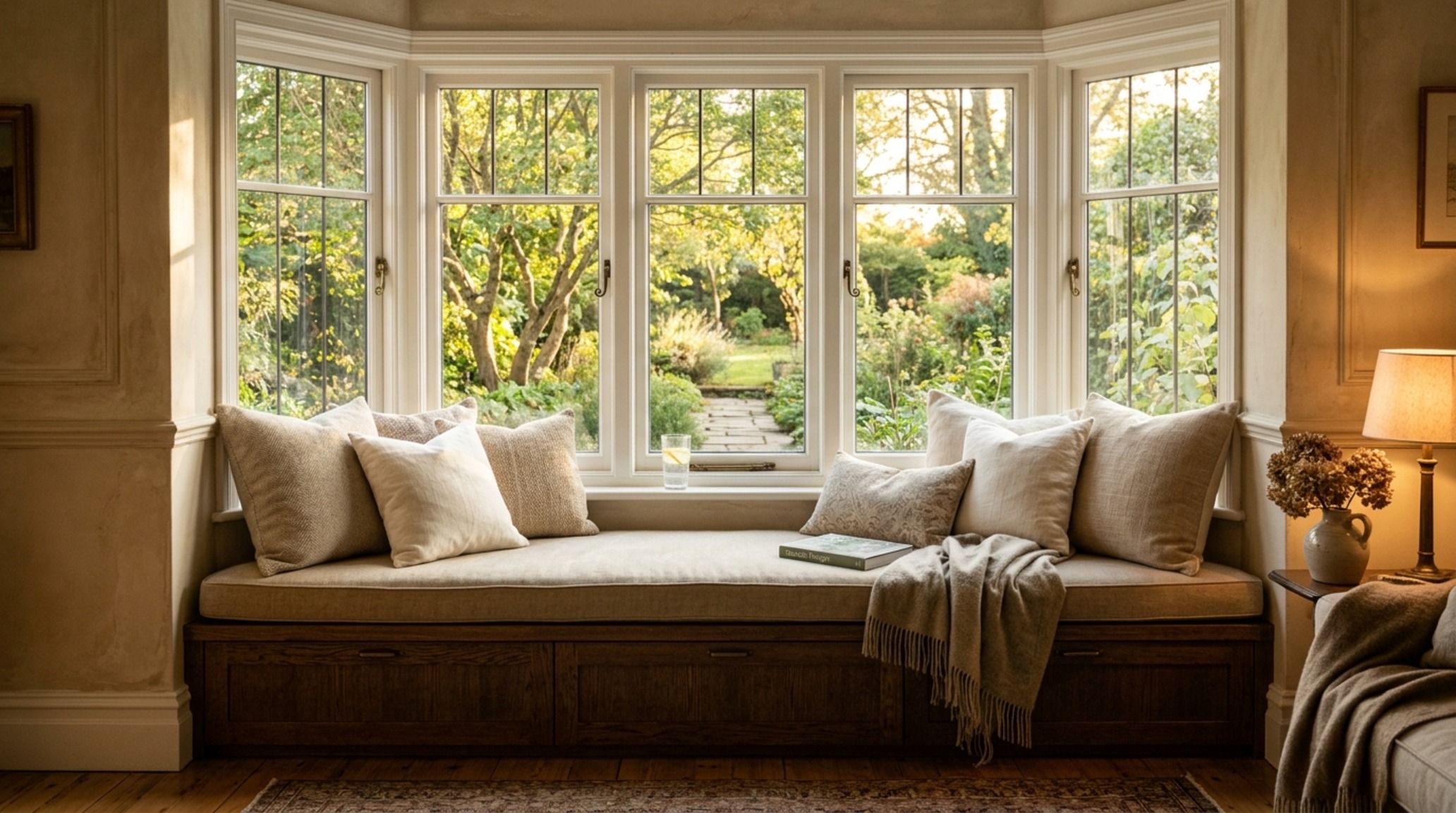
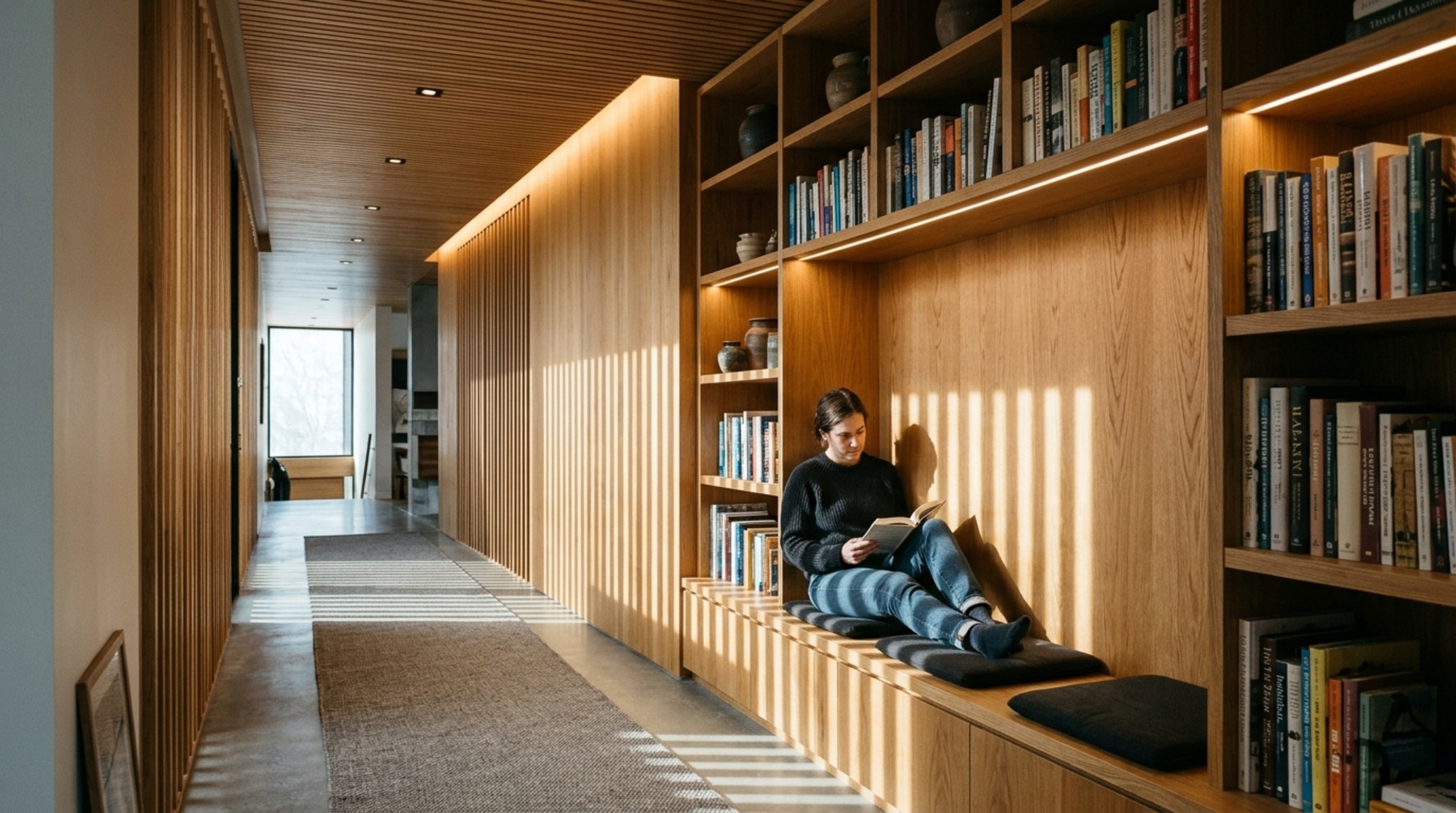
In the transition between different living zones, the window nook can act as a gallery for one’s most cherished objects. By extending the bench into a series of open cubbies or “visual vignettes,” you create a rhythmic pattern of solids and voids. This cozy window nook ideas strategy works best when the materials are high-contrast; for instance, a charcoal-stained oak bench paired with light-reflecting matte white walls. Here, the storage is not meant to hide things away but to curate them. Placing a collection of ceramic vessels or architectural books within the nook’s substructure adds a layer of personality and tactile grounding to the room. The interplay of light from the window highlights the forms within the cubbies, creating a dynamic display that changes throughout the day.
8. Tonal Color Drenching for Spatial Depth
Color is a powerful tool in manipulating the perception of a window nook. By painting the cabinetry, the window trim, and the surrounding walls in the same hue—such as Benjamin Moore’s Swiss Coffee or the deeper, moodier Down Pipe—you eliminate the visual boundaries of the space. This technique, known as color drenching, makes the storage feel like a carved-out portion of the room’s architecture. It is particularly effective in a small window nook where multiple materials and colors can feel cluttered. When the textures are kept consistent—perhaps a velvet cushion that matches the paint color—the focus shifts entirely to the light and the view, creating a serene, meditative environment that hides its utilitarian purpose in plain sight.
9. Lighting Layers and Evening Ambiance
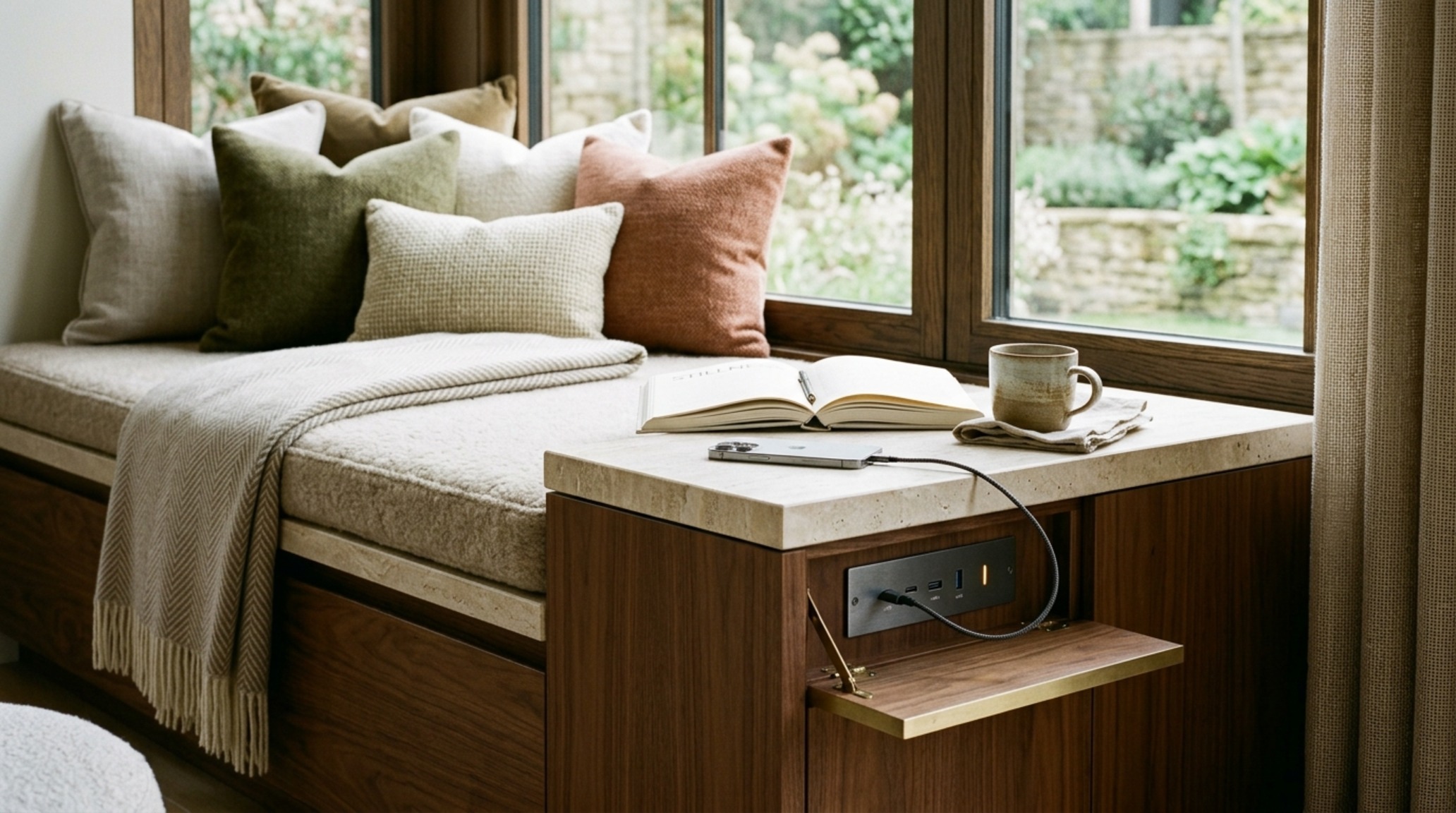
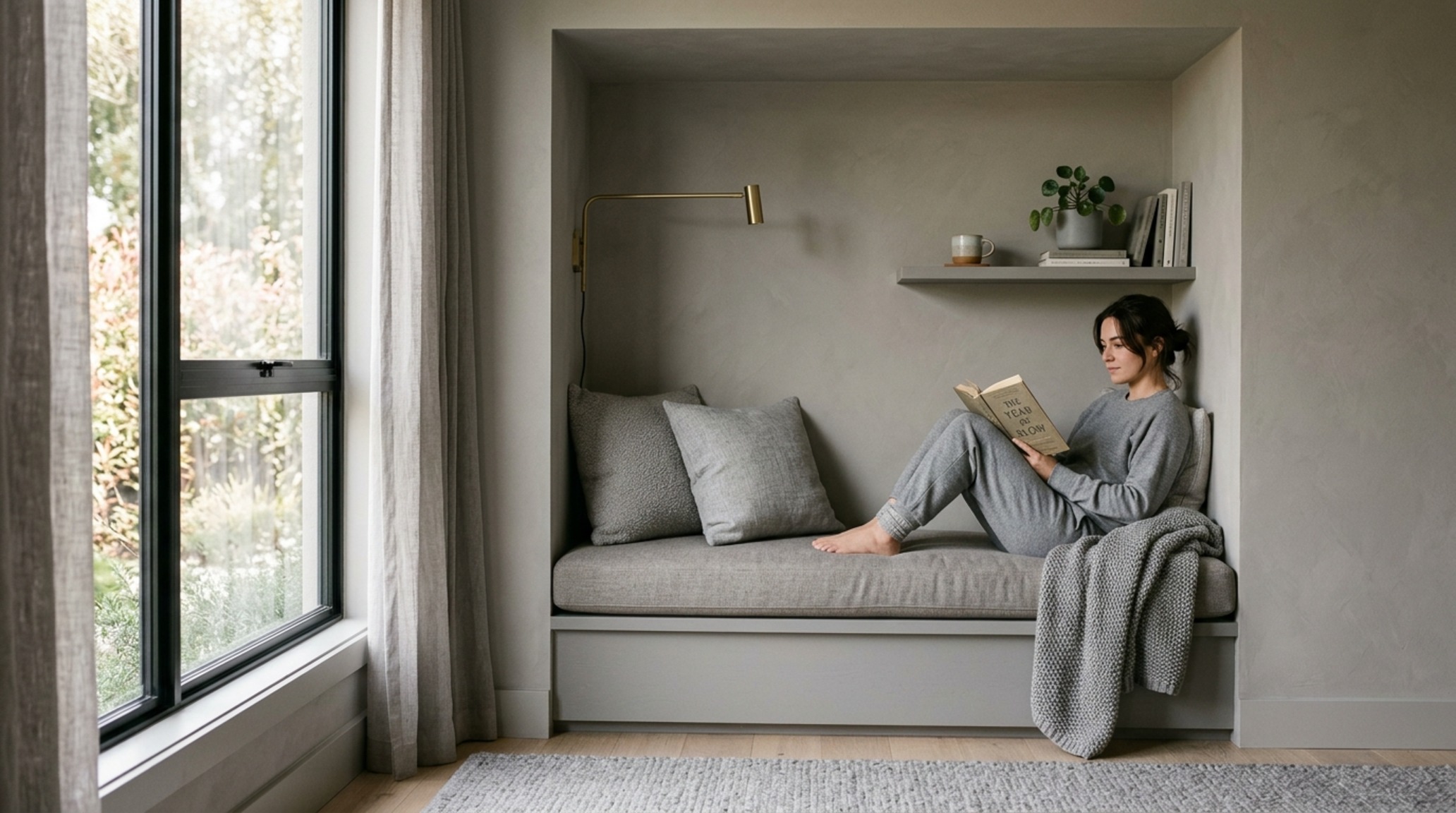
The functionality of a window nook should not expire at sunset. To maintain its allure, a layered lighting scheme is essential. This includes a high-CRI (92+) directional light for reading and a softer, 2700K ambient wash for atmosphere. Integrating a small brass swing-arm sconce at the perfect ergonomic height adds a classic touch of designer flair while providing task lighting that doesn’t spill into the rest of the room. Furthermore, many modern nooks now feature integrated USB-C charging ports hidden within a small side cubby, acknowledging the reality of modern life without letting cables clutter the clean architectural lines. This foresight in the planning ensures the space is as useful for work as it is for relaxation.
10. The Corner Return for Wraparound Comfort
If you are lucky enough to have a corner window, the modern window nook design can take the form of an L-shaped wraparound bench. This configuration provides significantly more storage and creates a dedicated “room within a room” feel. The corner junction can be a tricky architectural detail, but it is the perfect spot for a deep, hidden storage bin or a built-in charging station for devices. By mirroring the lines of the window above, the bench emphasizes the architecture of the home. Finishing the top in a durable stone like honed soapstone or Taj Mahal quartzite adds a cool, tactile element that contrasts beautifully with soft textiles. This material dialogue creates a sophisticated, multi-sensory experience that defines the modern luxury home.
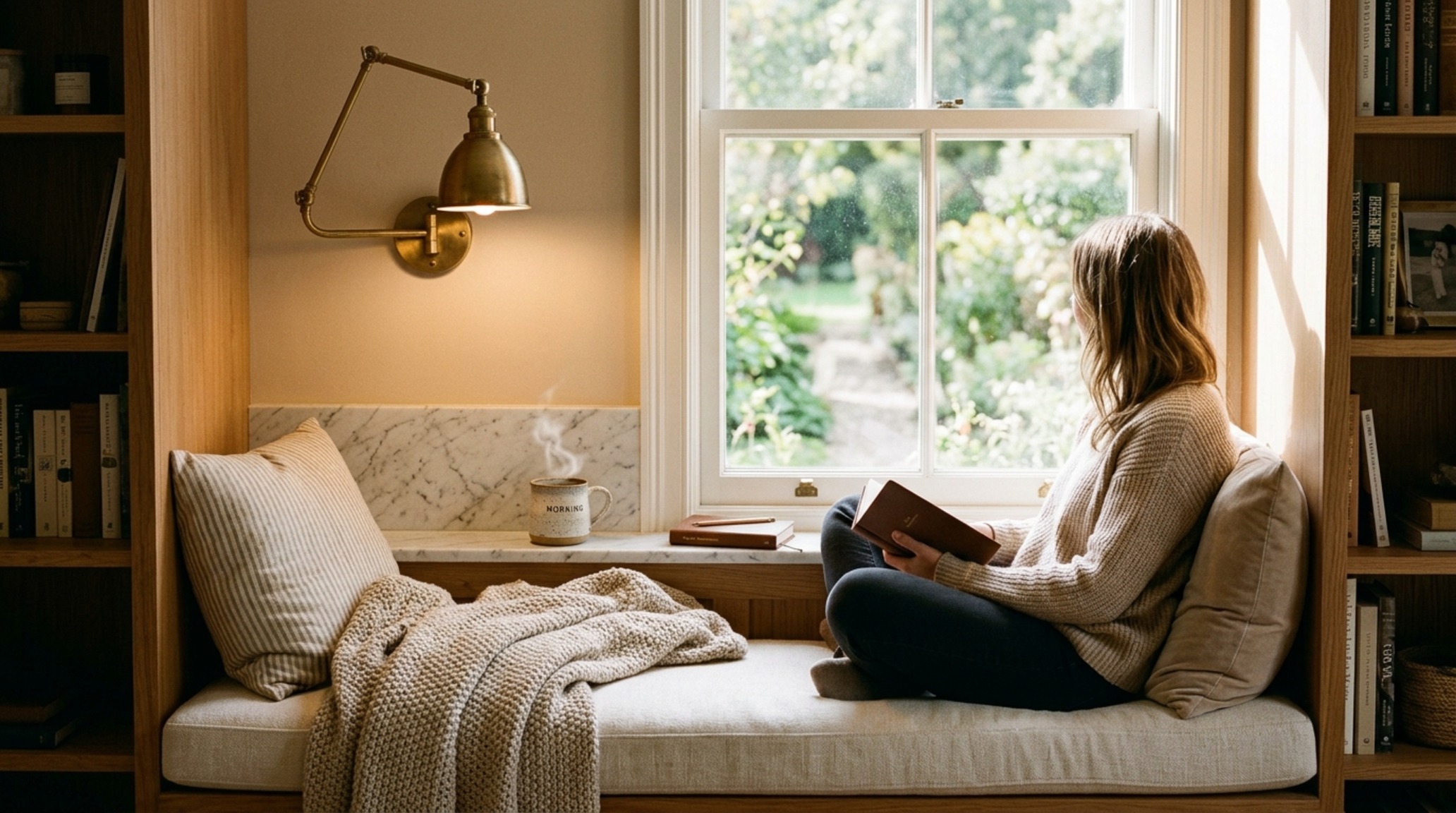
Spatial Palette, Finishes & Architectural Ledger
Architectural breakdown detailing authentic surfaces, paint references, and standard circulation clearances.
Finalizing your window nook requires a thoughtful synthesis of engineering and aesthetics. Before you begin construction, ensure your plan addresses these three fundamental pillars of architectural efficiency:
- Structural Load Integrity: Confirm the framing can support at least 300 pounds per linear foot if the nook is cantilevered or floating.
- Material Longevity: Select UV-rated performance fabrics (like Perennials or Sunbrella) for cushions to prevent fading from direct solar exposure.
- Integrated Circulation: Ensure the depth of the bench does not impede the mandatory 36-inch primary walkway clearance in the room.
As the light shifts from the sharp clarity of midday to the soft, elongated shadows of dusk, the true value of a well-designed window nook reveals itself. It is more than a solution for storage; it is a permanent invitation to slow down and observe the world from a place of perfectly measured comfort. By grounding our design in ergonomic reality and material honesty, we create spaces that don’t just house our belongings, but enhance our experience of home.
Editorial Silo • Recommended Architecture Studies
- Mindful Pictures of xmas decorations: 12 Tactile Styles — Archival Design Case Study
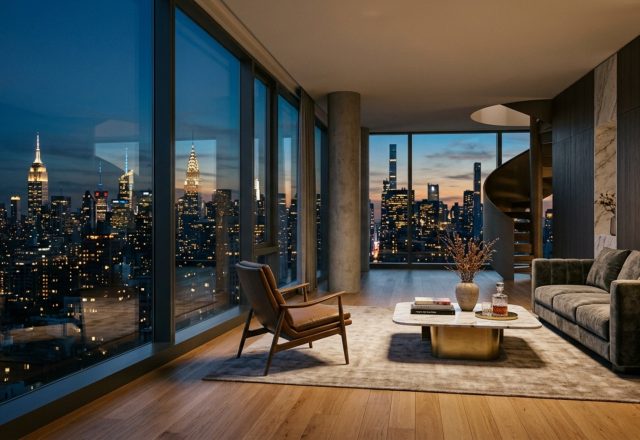
- Glowing Luxury Penthouses In New York For Sale — Archival Design Case Study
Spatial Balance & Form Lookbook
Carefully observed photographic studies detailing finish textures, sightline choreography, and enduring poise.
Curated Visual Lookbook
Design Gallery & Spatial Studies
A visual curation of architectural arrangements, lighting concepts, and material palettes featured in this space.