CURATORIAL CRITIQUE & DESIGN ANTHOLOGY: I remember sitting in Hella Jongerius’s Berlin studio, watching her obsess over the exact ‘tooth’ of a textile weave. It wasn’t just about the color; it was about how the light died in the valleys of the thread. As an architectural curator observing the shift toward modern residential sanctuaries, I find that we often get lost in the silhouette of a room while ignoring the objects that actually touch our skin. To truly understand the evolution of contemporary living, one must look at the hands behind the objects. This year, the work of the top 10 industrial designers is moving away from the clinical and toward the deeply sensory, bridging the gap between sterile architecture and a lived-in soul.
The Sterile Void vs. Material Soul
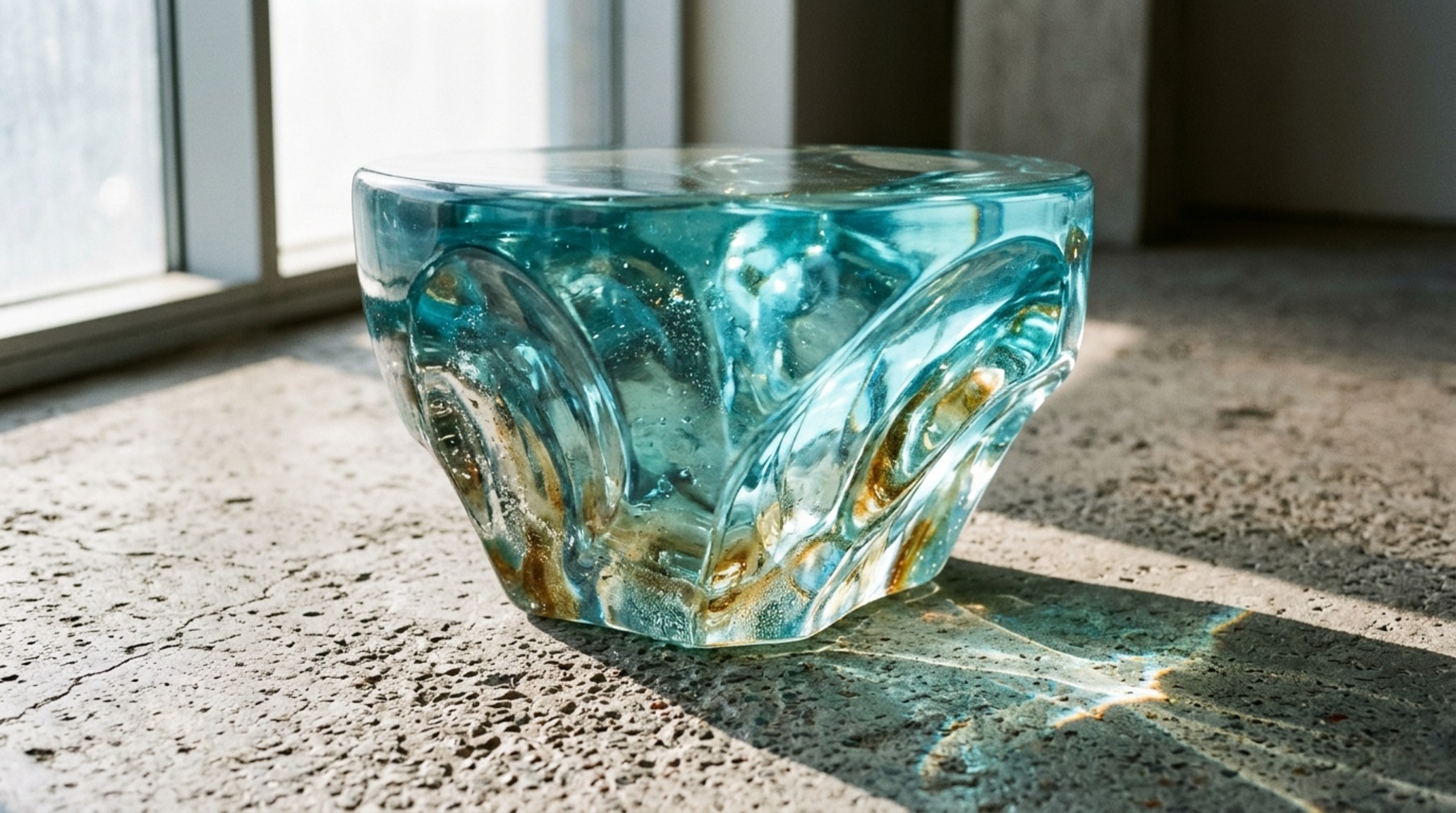
The problem often encountered in modern high-end interiors is a sense of ‘visual silence’—a space that looks perfect in a photograph but feels cold to the touch. We are surrounded by flat, reflective surfaces that offer no haptic feedback, leading to a kind of sensory deprivation within our own homes. The solution lies in the hands of the most influential product designers who are currently prioritizing materiality over mere form. Designers like Patricia Urquiola and Faye Toogood are leading this charge by reintroducing ‘honest’ textures—honed stones, chunky bouclés, and cast glass—that demand interaction.
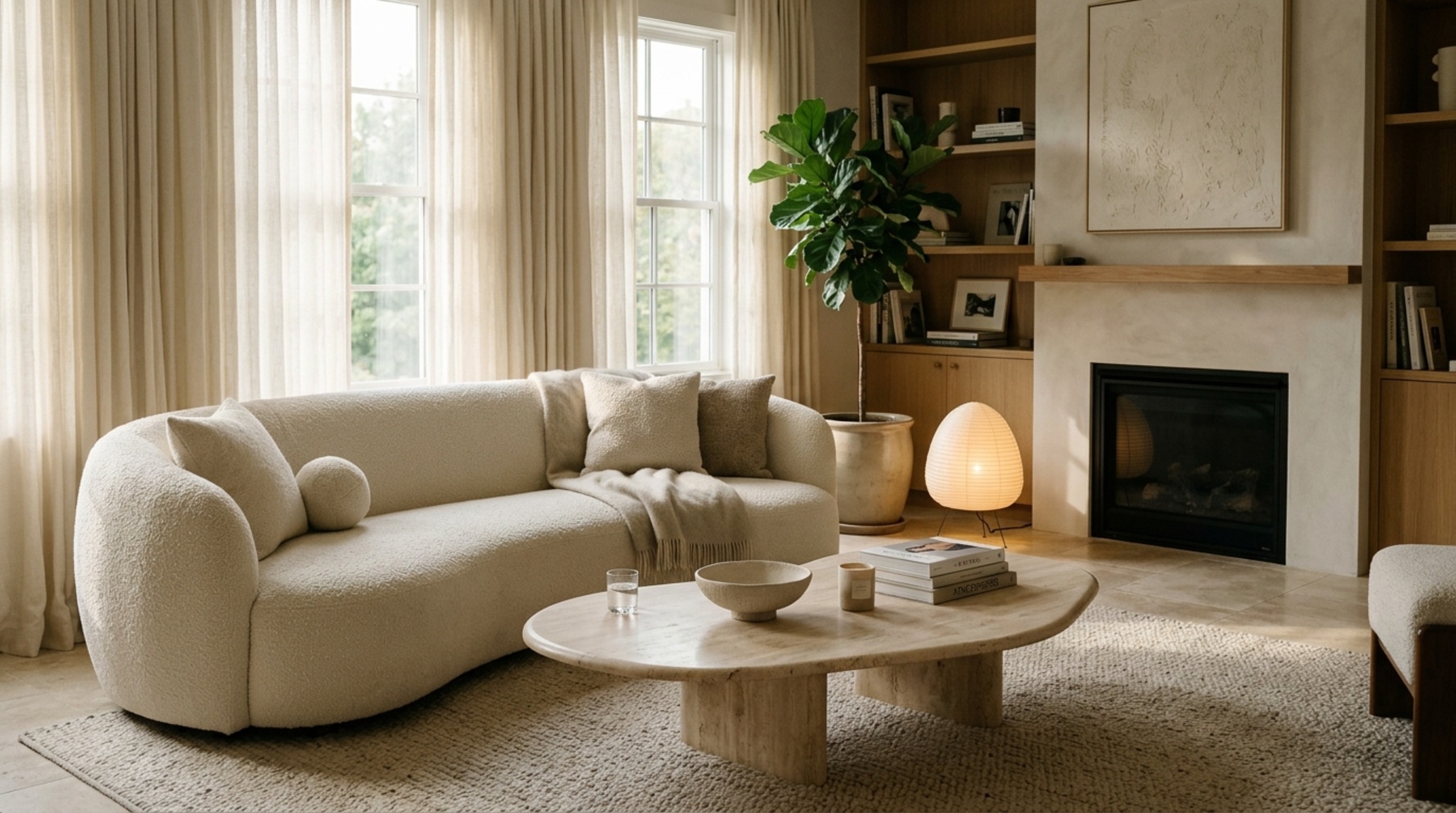
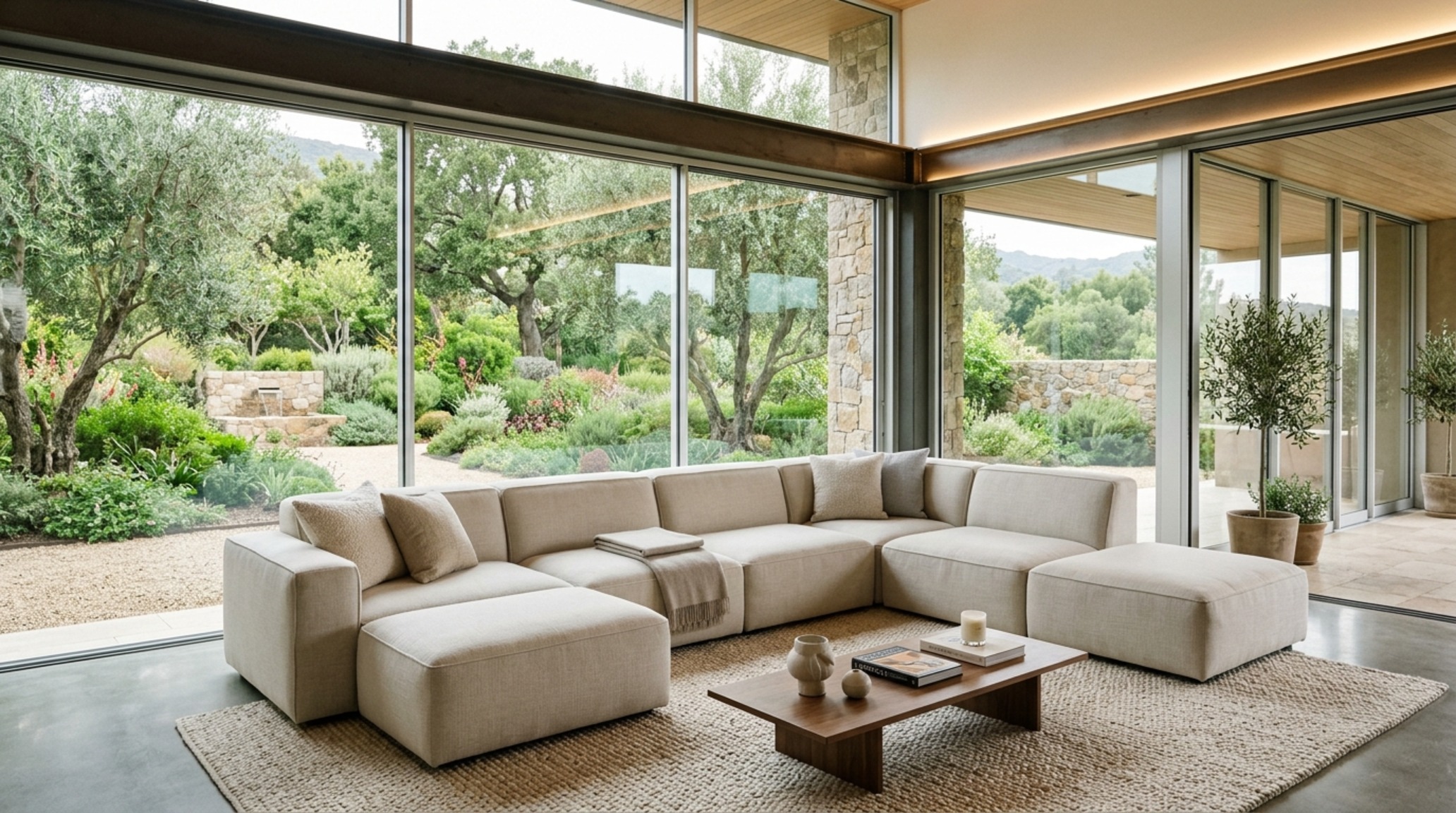
When we look at Urquiola’s work for Cassina or B&B Italia, we see a masterful manipulation of scale. She understands that a sofa shouldn’t just be a seat; it should be a landscape. By utilizing tactile grounding, she ensures that a piece of luxury interior furniture provides a physical anchor in an open-plan room. This approach addresses the tactile void by inviting the hand to graze across a 3D-knitted fabric or a porous volcanic stone table. In a room with 10-foot ceilings, these low-slung, textured pieces create a grounded spatial cadence that makes the volume feel approachable rather than intimidating.
Spatial Perspectives & Material Curation
Integrating these sensory objects requires a keen eye for sightline alignment. For instance, placing a Toogood Roly Poly chair—with its stout, sculptural legs—next to a delicate, floor-to-ceiling linen drape creates a tension that is visually arresting. We’re moving toward a curated visual chronicle where the weight of a material defines the room’s atmosphere. If you are working with a palette like Farrow & Ball’s Setting Plaster, the softness of the hue needs the ‘crunch’ of a raw oak floor or a sandblasted metal fixture to keep the space from feeling too ethereal.
The Ergonomic Disconnect vs. Intuitive Comfort
Many of us have fallen into the trap of purchasing ‘iconic’ chairs only to find they are instruments of torture after twenty minutes of use. This ergonomic disconnect is a significant hurdle in the age of the home-as-office. The solution is found in ergonomic home solutions that refuse to sacrifice aesthetics for lumbar support. Konstantin Grcic and the late Issey Miyake’s collaborations have shown that technical precision can be beautiful. Grcic’s ‘Chair One’ for Magis, while looking like a geometric explosion, is mathematically designed for skeletal support, proving that industrial design can be both radical and comfortable.
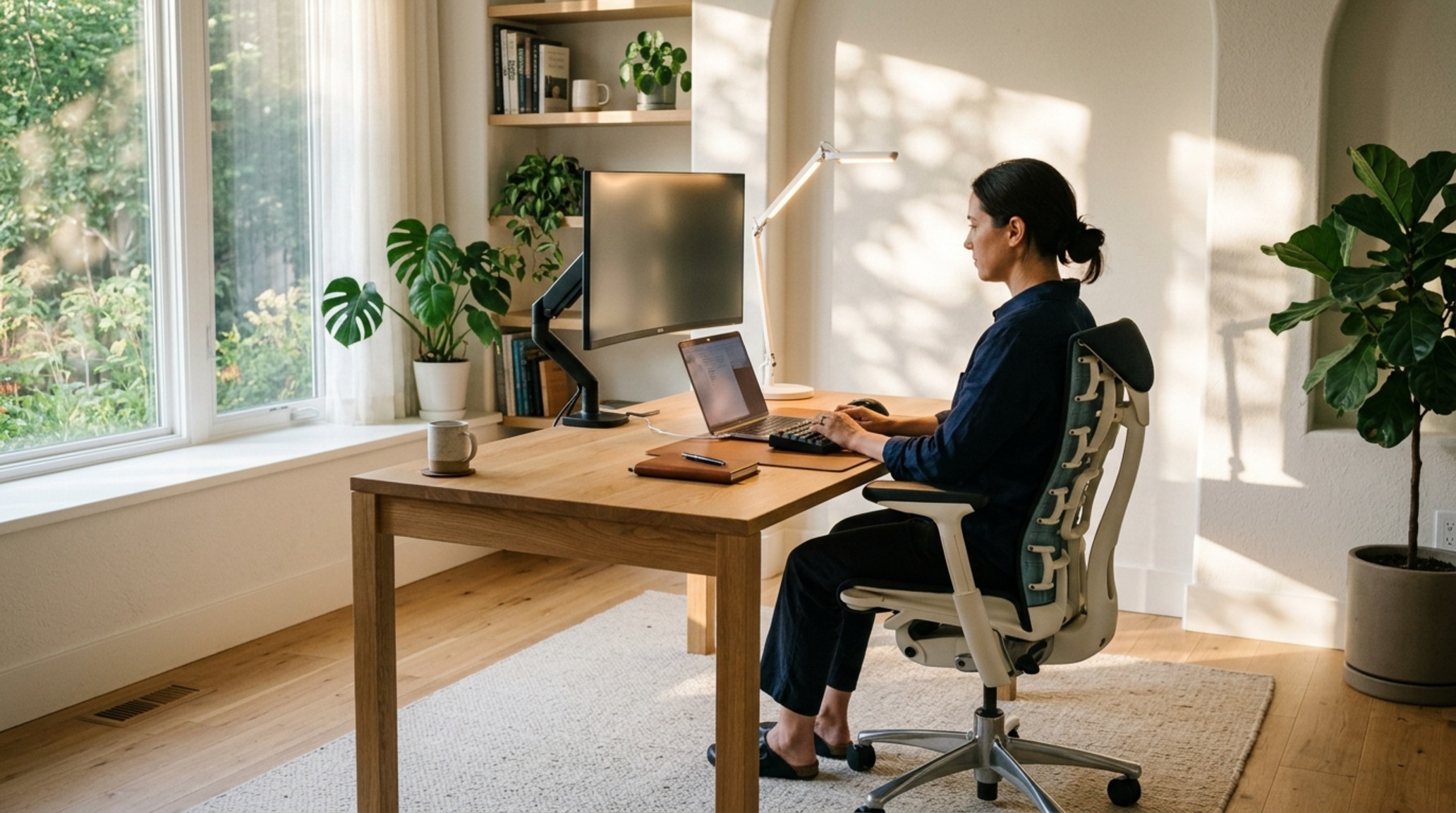
To implement these pieces effectively, one must respect real architectural clearances. A primary circulation path requires a 36-inch standard walkway, yet many homeowners cram large-scale ‘statement’ chairs into tight corners, killing the spatial flow. By selecting pieces from the top 10 industrial designers known for skeletal, lightweight forms—like those from Barber Osgerby—you maintain the breathing room necessary for a high-functioning home. Their ‘Tip Ton’ chair, for example, offers a forward-tilt ergonomic function that is perfect for a 30-inch height dining table, allowing for a 12-inch clearance between the seat and the underside of the table apron for optimal leg movement.
The Disposable Cycle vs. Conscious Permanence
The environmental crisis is perhaps the biggest problem facing the design world today. The ‘fast furniture’ cycle has created a culture of disposability that is ecologically devastating. The solution is the rise of sustainable design trends 2024, where designers like Formafantasma and Christien Meindertsma are treating waste as a primary raw material. They aren’t just making ‘green’ products; they are redesigning the lifecycle of the object. Formafantasma’s ‘Ore Streams’ project, which explores the recycling of electronic waste into furniture, is a masterclass in contemporary product innovation.
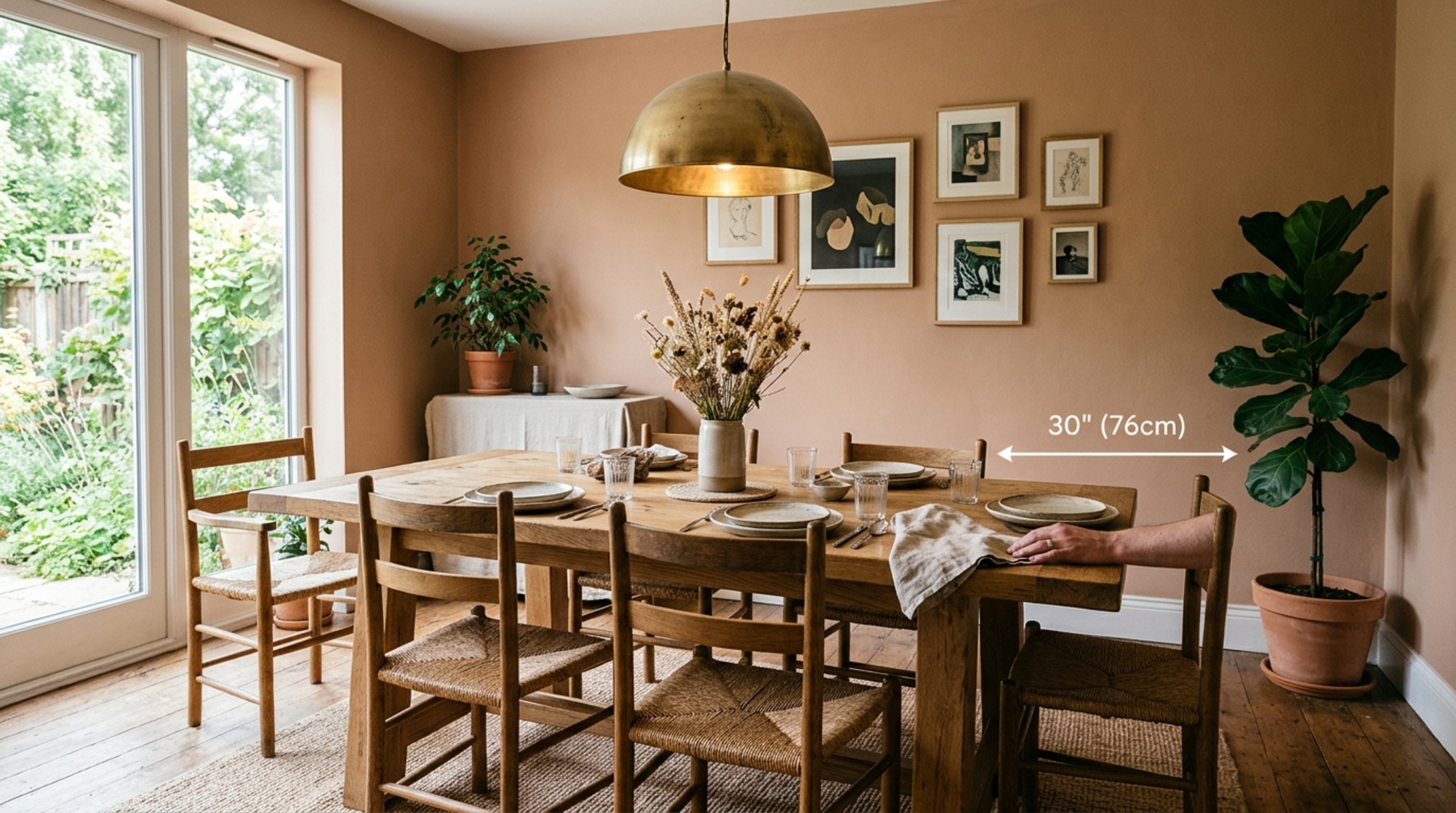
This shift toward permanence means choosing materials that age gracefully—what the Japanese call Wabi-sabi. Instead of plastic laminates, these designers advocate for solid timbers and patinating metals like unlacquered brass. When these materials are used in luxury interior furniture, they tell a story of use. A solid oak dining table doesn’t get ‘ruined’ by a wine ring; it gains character. This is the antithesis of the synthetic, and it aligns perfectly with the current desire for homes that feel authentic and rooted in reality.
Visual Narrative & Detail Studies
Consider the placement of lighting in this sustainable context. Moving away from disposable LED strips toward high-quality, repairable fixtures is essential. A lamp by Jasper Morrison, designed under the Dieter Rams design principles of longevity and utility, uses a high CRI (90+) bulb at 2700K to mimic the warmth of a sunset. This creates a shadow play on walls finished in Benjamin Moore’s Swiss Coffee, highlighting the organic irregularities of handmade ceramics and sustainable textiles.
Visual Noise vs. Functional Honesty
In an era of digital overstimulation, our physical environments are often cluttered with unnecessary ‘features’ and visual noise. The problem is an architectural clutter that drains mental energy. The solution is found in the Dieter Rams design principles: “Less, but better.” Designers like Naoto Fukasawa and Jasper Morrison practice ‘Super Normal’ design, creating objects that are so intuitive they almost disappear into the room’s architecture. They focus on the ‘negative space breathing room’ around an object as much as the object itself.
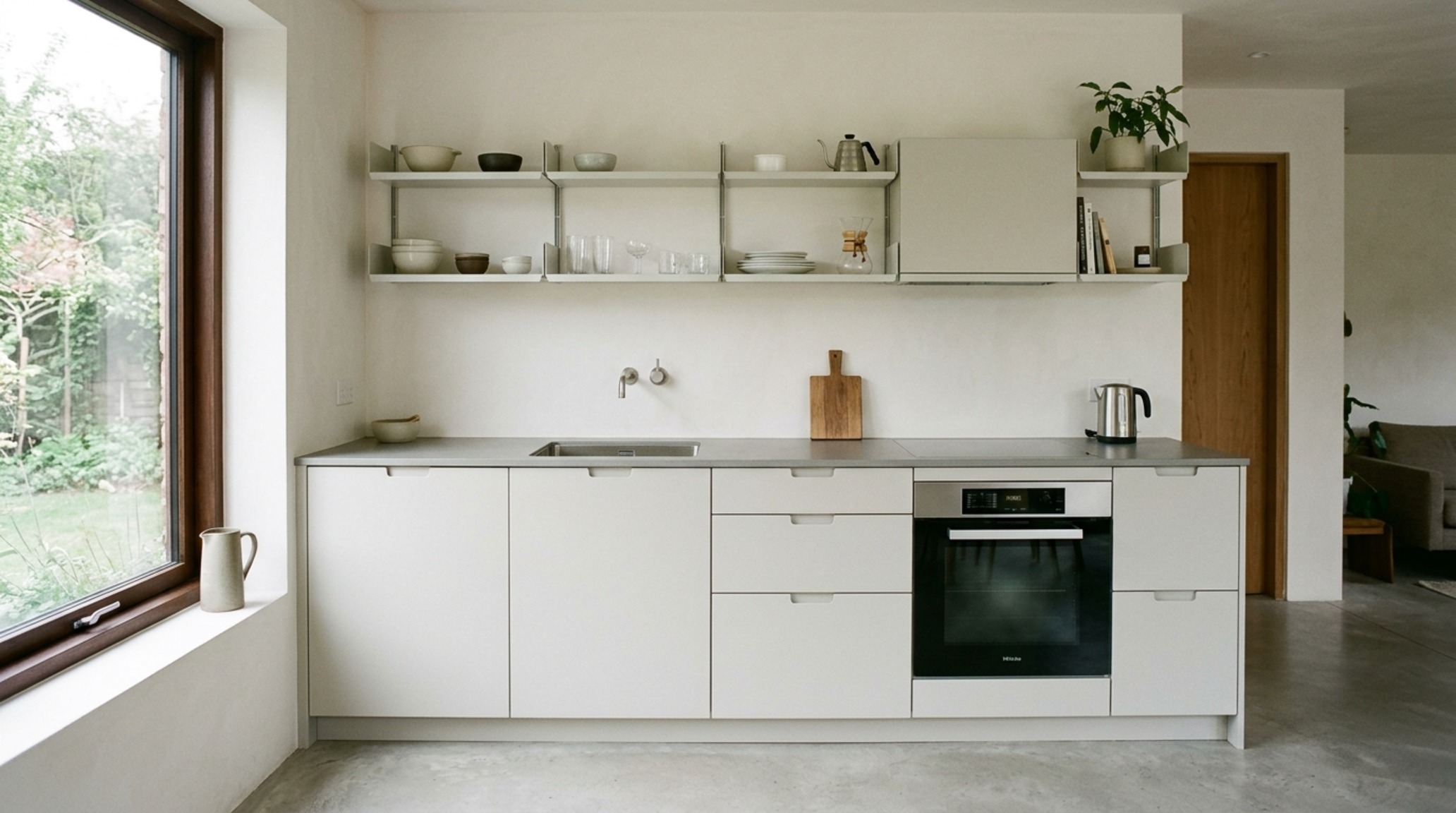
Fukasawa’s Hiroshima chair for Maruni is a prime example. Its seamless joinery and soft curves offer no visual friction. When arranging a dining area, ensuring a 30-inch dining chair clearance behind the table allows these quiet pieces to be appreciated in profile. This spatial cadence allows the eye to rest, creating a sense of calm that is vital in a high-stress world. This isn’t minimalism for the sake of emptiness; it’s essentialism for the sake of clarity.
Flat Illumination vs. Atmospheric Sculpting
Too many homes rely on ‘stadium lighting’—a grid of recessed cans that flattens every texture and kills the mood. This sensory deprivation is a major design flaw. The solution lies in contemporary product innovation regarding light as a physical material. Sabine Marcelis and Michael Anastassiades use light to define volume and atmosphere. Marcelis’s resin blocks with embedded neon aren’t just lamps; they are glowing totems that change the perceived density of the air around them.
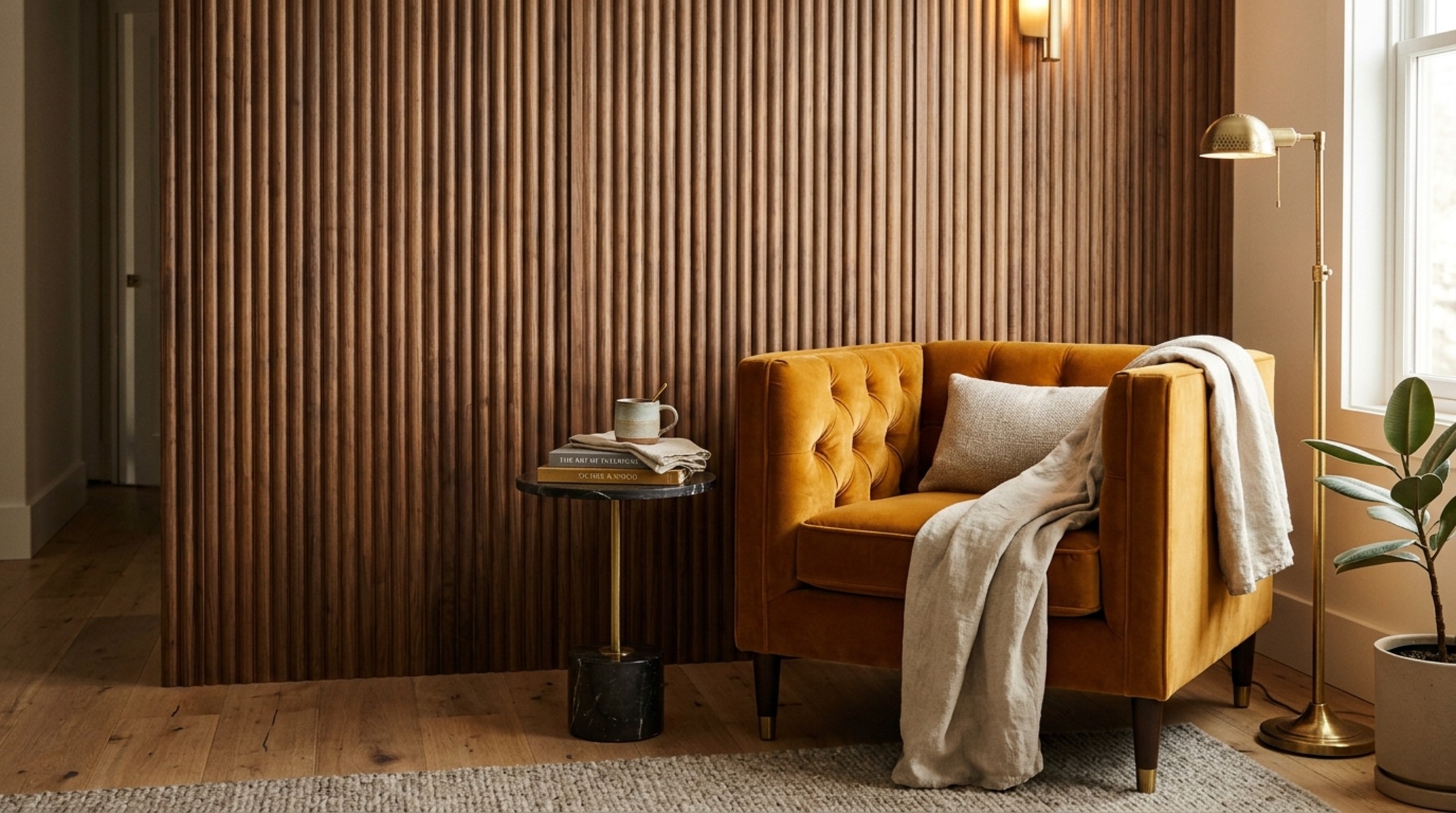
To achieve this in your own space, layer your lighting. Use a 2700K warm ambient light for general visibility, but introduce directional task lighting with a tight beam spread to highlight specific textures—like a fluted white oak wall or a honed travertine fireplace. By focusing on the top 10 industrial designers who specialize in luminosity, you can transform a flat room into a three-dimensional experience. Remember that shadows are just as important as light; they provide the depth that makes a room feel immersive.
Materiality, Palette & Dimension Blueprint
Curated tactile palette, spatial dimensions, and atmospheric lighting index for this design scheme.
Designing a home is not about accumulating status symbols; it is about curating a sensory environment that supports your humanity. The designers highlighted here understand that an object is a bridge between the body and the building. When you choose a chair, a lamp, or a table, you are choosing how you will feel within your own four walls. Look for pieces that speak to the hand as much as the eye, and your home will become more than just a place—it will become an experience. Before you start your next project, remember to prioritize the haptic over the optic, measure twice for circulation flow, and always invest in the quality of light. The future of design is not just something to look at; it is something to feel.
Editorial Silo • Recommended Architecture Studies
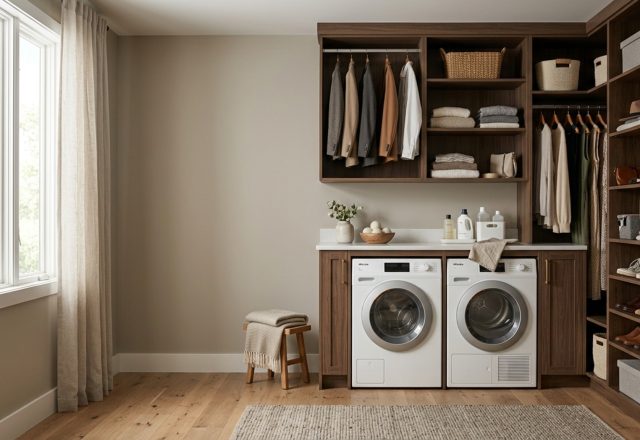
- 12 Walk in closet with laundry: Tidy Layout ideas — Archival Design Case Study
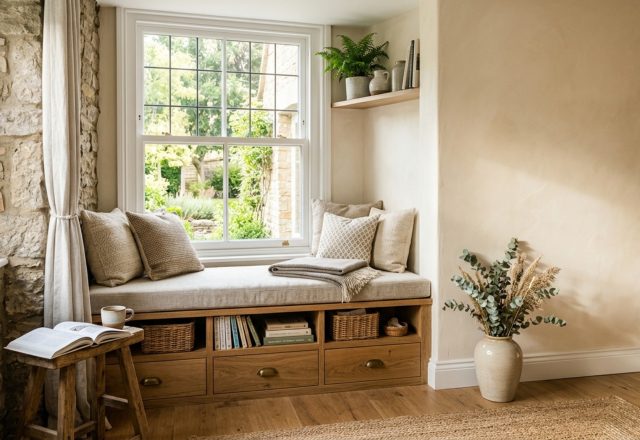
- 10 Window Nook: Dramatic Storage Ideas for Efficiency — Archival Design Case Study
Editorial Photo Collection
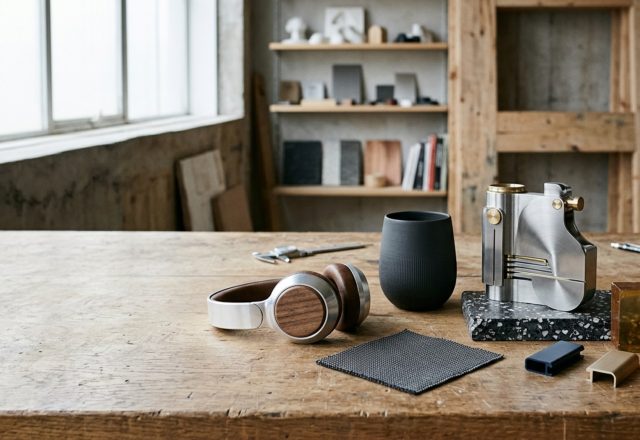
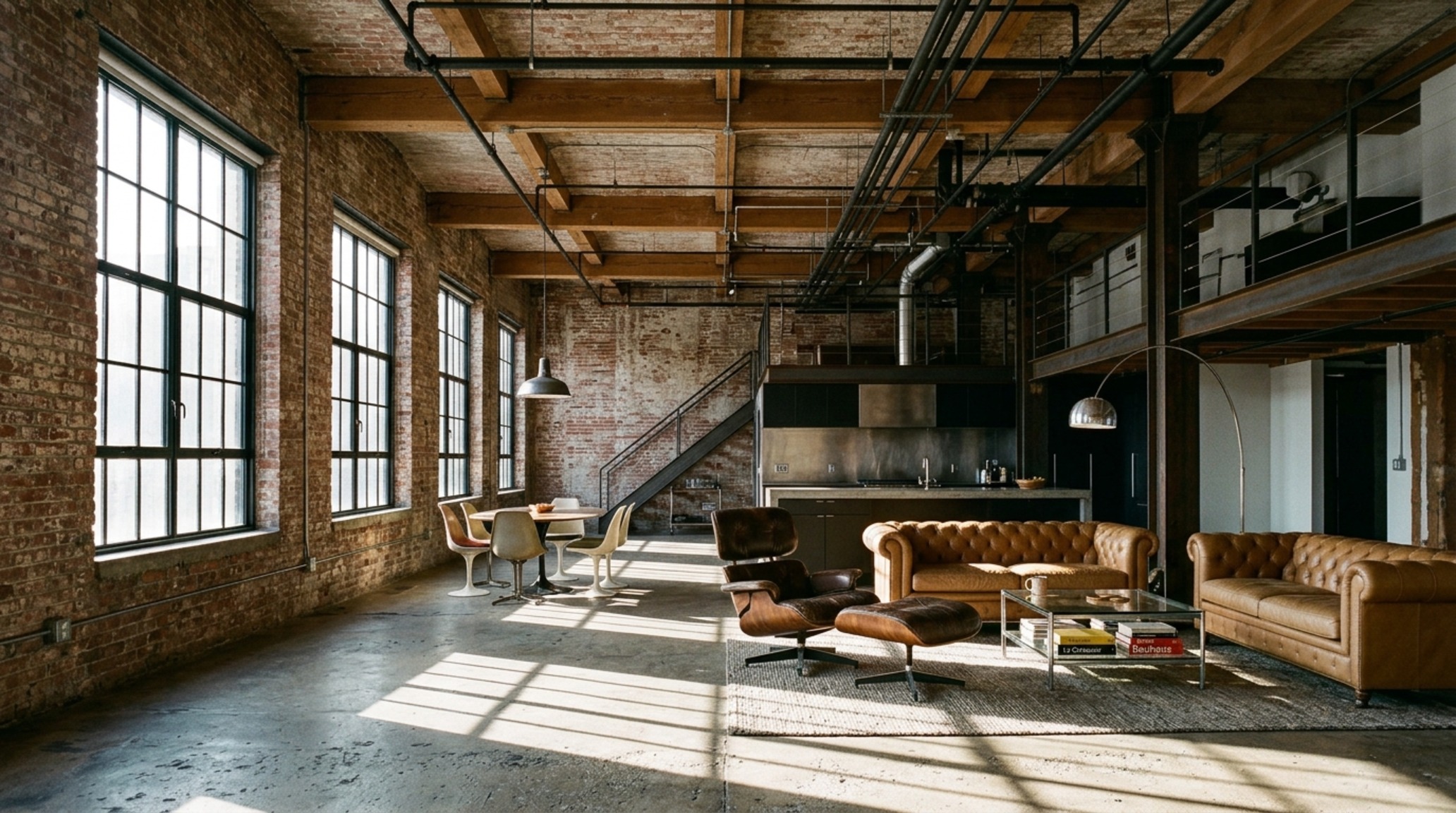
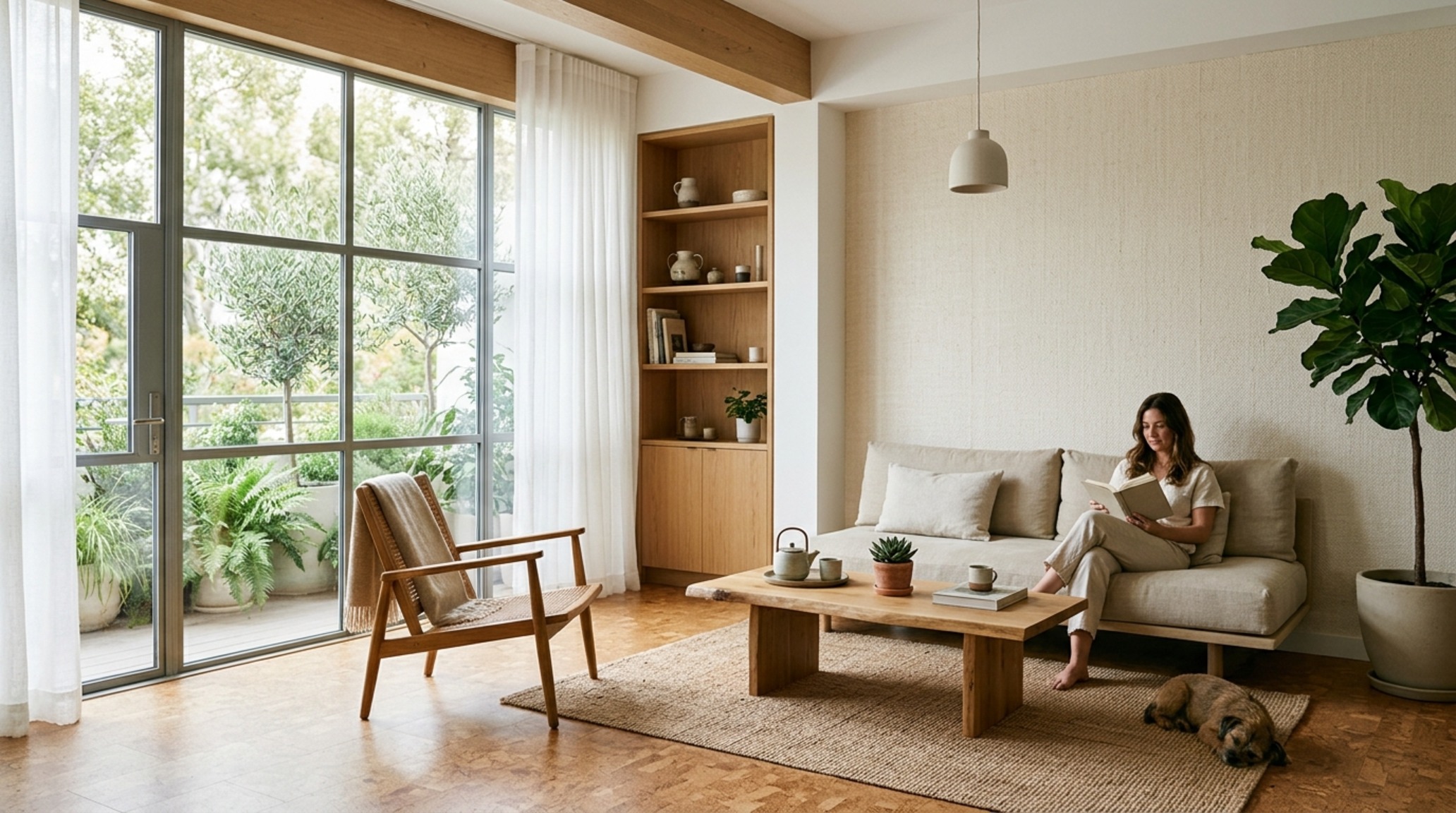
A photographic study celebrating natural textures, refined joinery, and balanced spatial volume.

Curated Visual Lookbook
Design Gallery & Spatial Studies
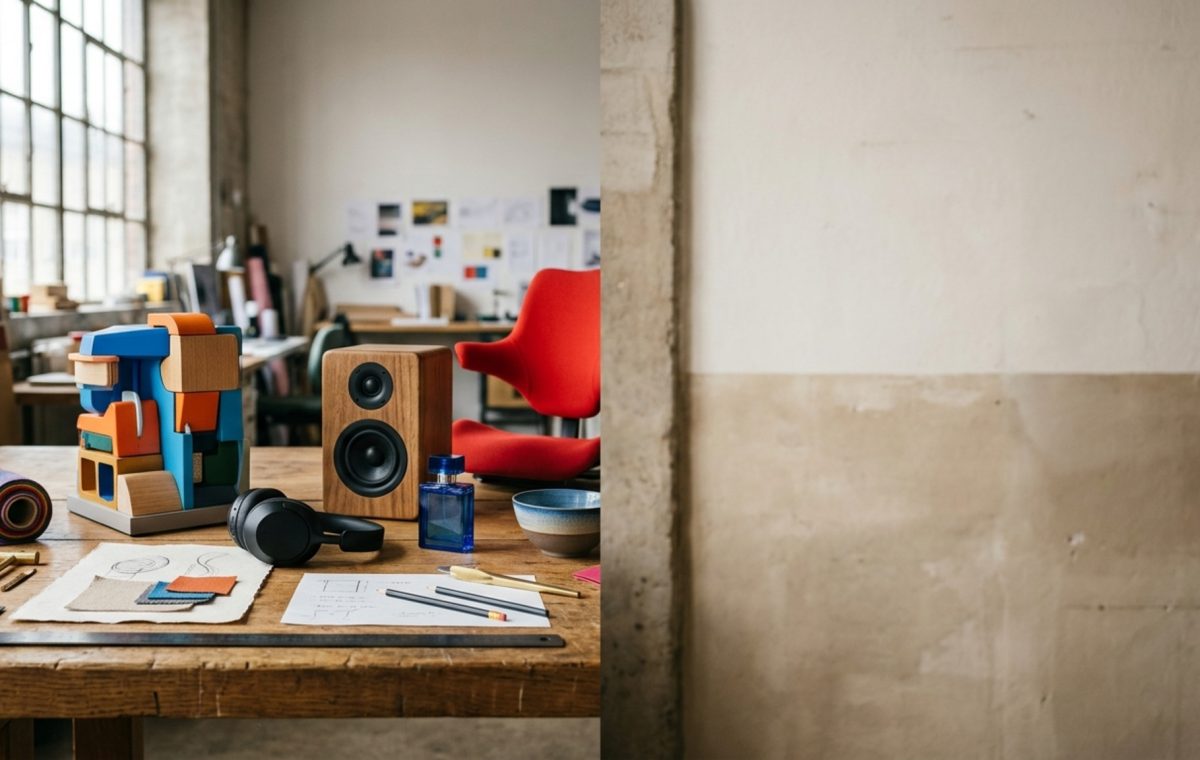
A visual curation of architectural arrangements, lighting concepts, and material palettes featured in this space.