In a room exceeding 20 feet in any direction, the human eye begins to lose its sense of intimate enclosure, often perceiving the volume as a vast void rather than a curated sanctuary. When painting a large room, we are effectively managing nearly 1,200 to 1,500 square feet of vertical real estate—a scale that requires moving beyond the standard roller tray and toward an architectural logistics mindset. The challenge isn’t just the application of pigment; it is the management of light, the ergonomics of height, and the preservation of livability during a multi-day transformation.
Successful high-volume projects are predicated on the understanding of spatial cadence. In a massive double-height living room or an expansive open-plan floor, the wall isn’t just a boundary; it’s a canvas that interacts with shifting natural light throughout the day. To master this, we must approach the project with the same rigor a commercial contractor would, while maintaining the nuanced eye of a residential stylist.
The Primary Social Volume: Best Paint for Large Living Room Selection
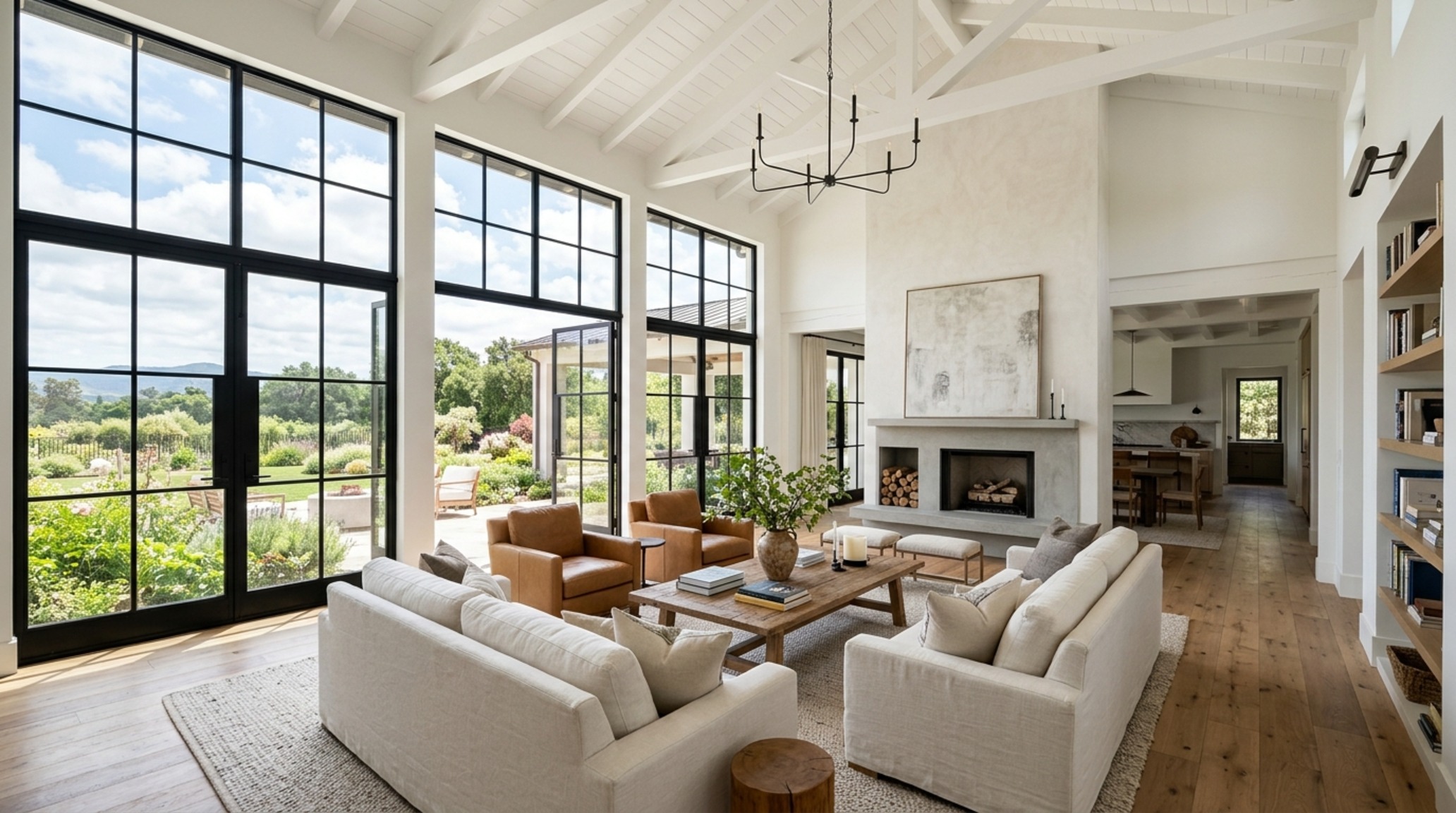
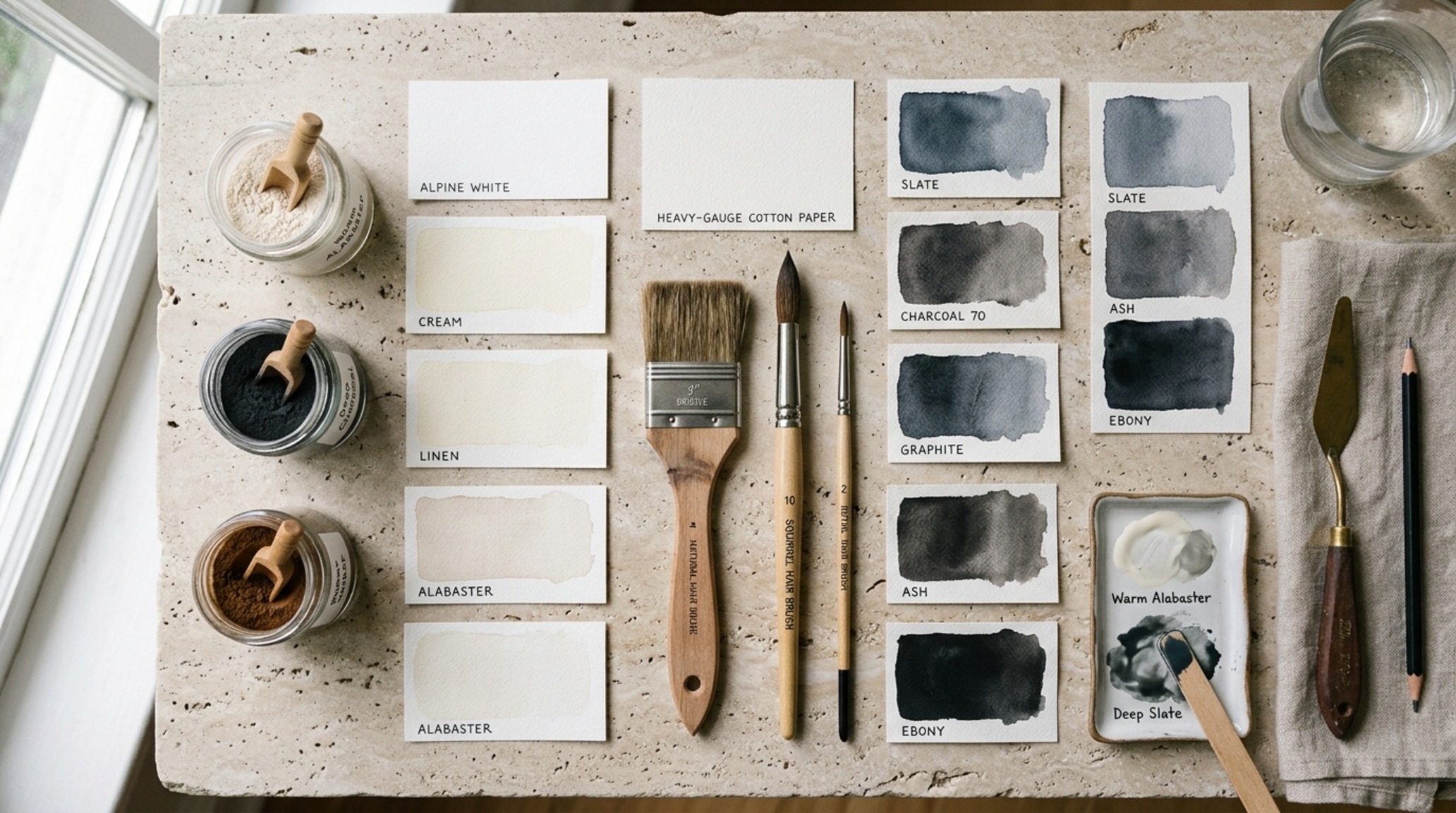
When selecting the best paint for large living room environments, the LRV (Light Reflectance Value) becomes your most powerful tool. In a space with 15-foot ceilings and floor-to-ceiling windows, a high LRV white like Benjamin Moore’s Swiss Coffee (LRV 81.91) can feel blindingly bright at noon, yet sterile and gray at dusk. Conversely, a rich, complex neutral with a lower LRV, such as Farrow & Ball’s Setting Plaster, provides the tactile grounding necessary to keep a large room from feeling drafty.
For these expansive surfaces, the finish is as critical as the hue. I consistently recommend a high-quality ‘Scuff-X’ or a ceramic-infused matte finish. These commercial-grade products offer a flat appearance that hides the inevitable drywall imperfections found on long, uninterrupted wall runs, but they provide the durability needed in high-traffic zones. In a large room, the ‘lap marks’—those visible lines where wet paint meets dry—are your greatest enemy. Utilizing a paint with a longer ‘open time’ or adding a latex extender like Floetrol allows the coating to level out into a seamless, monolithic film.
Verticality & The High-Reach Strategy: How to Paint High Walls Efficiently
Scale dictates a shift in tools. While a 9-inch roller is standard, how to paint high walls with professional speed requires upgrading to an 18-inch roller setup. This effectively doubles your output and provides a more even distribution of pressure, which is vital when you are working on a 12-foot extension pole. The physical toll of painting a large room is significant; ergonomics are not a luxury but a necessity for finish quality.
For true cathedral ceilings or massive great rooms, an airless sprayer—such as a Graco Ultra—becomes the centerpiece of the operation. While the masking process is more intensive (requiring 3M hand-maskers and heavy-duty drop cloths), the actual application is a fraction of the time. The key is ‘back-rolling.’ Even when spraying, a second person should follow with a dry roller to work the paint into the texture of the wall, ensuring a uniform sheen and better adhesion. This hybrid approach delivers a factory-level finish that hand-brushing simply cannot achieve on a grand scale.
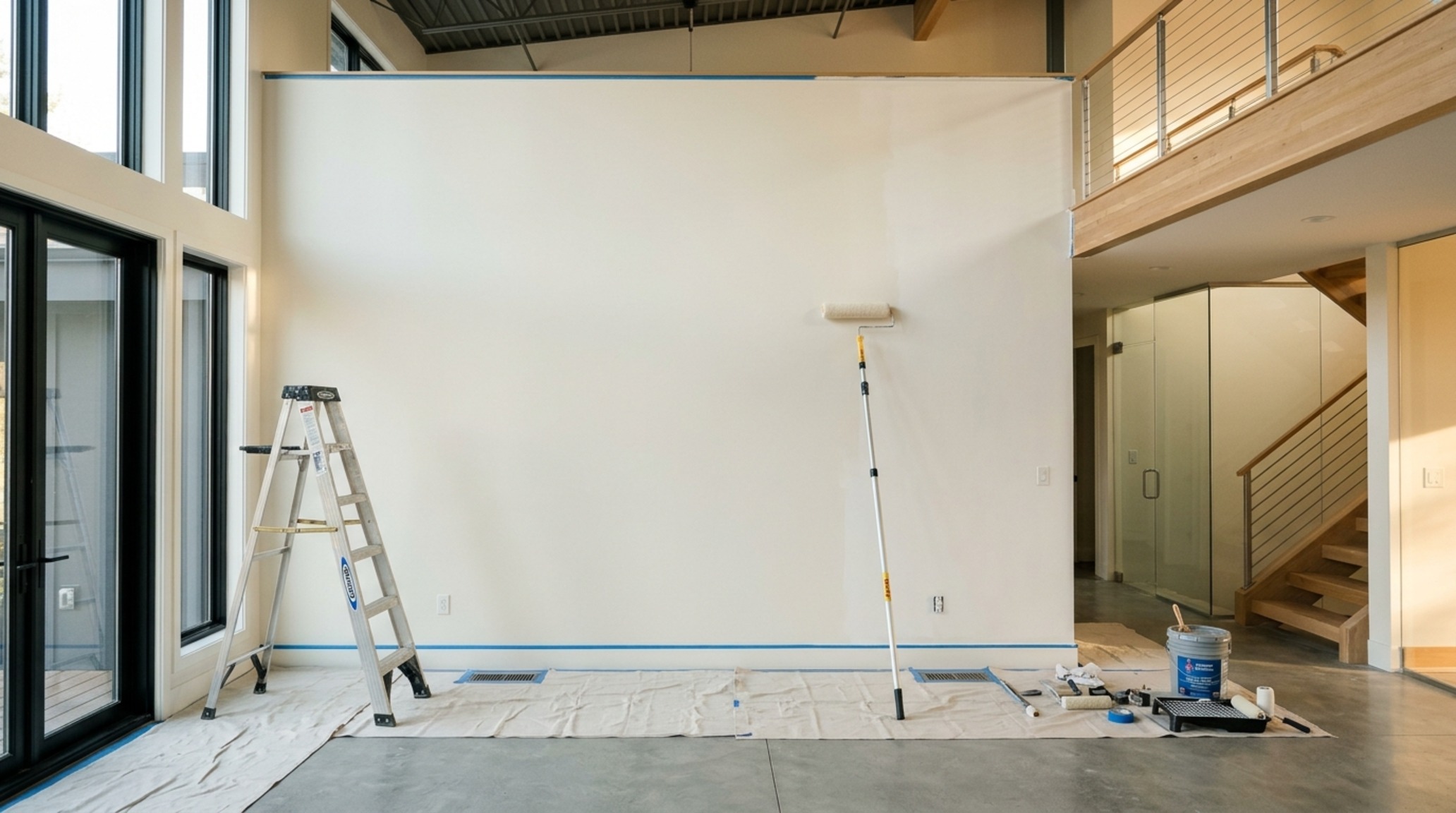
The Fluid Transitions: Painting Open Plan Living Areas with Cohesion
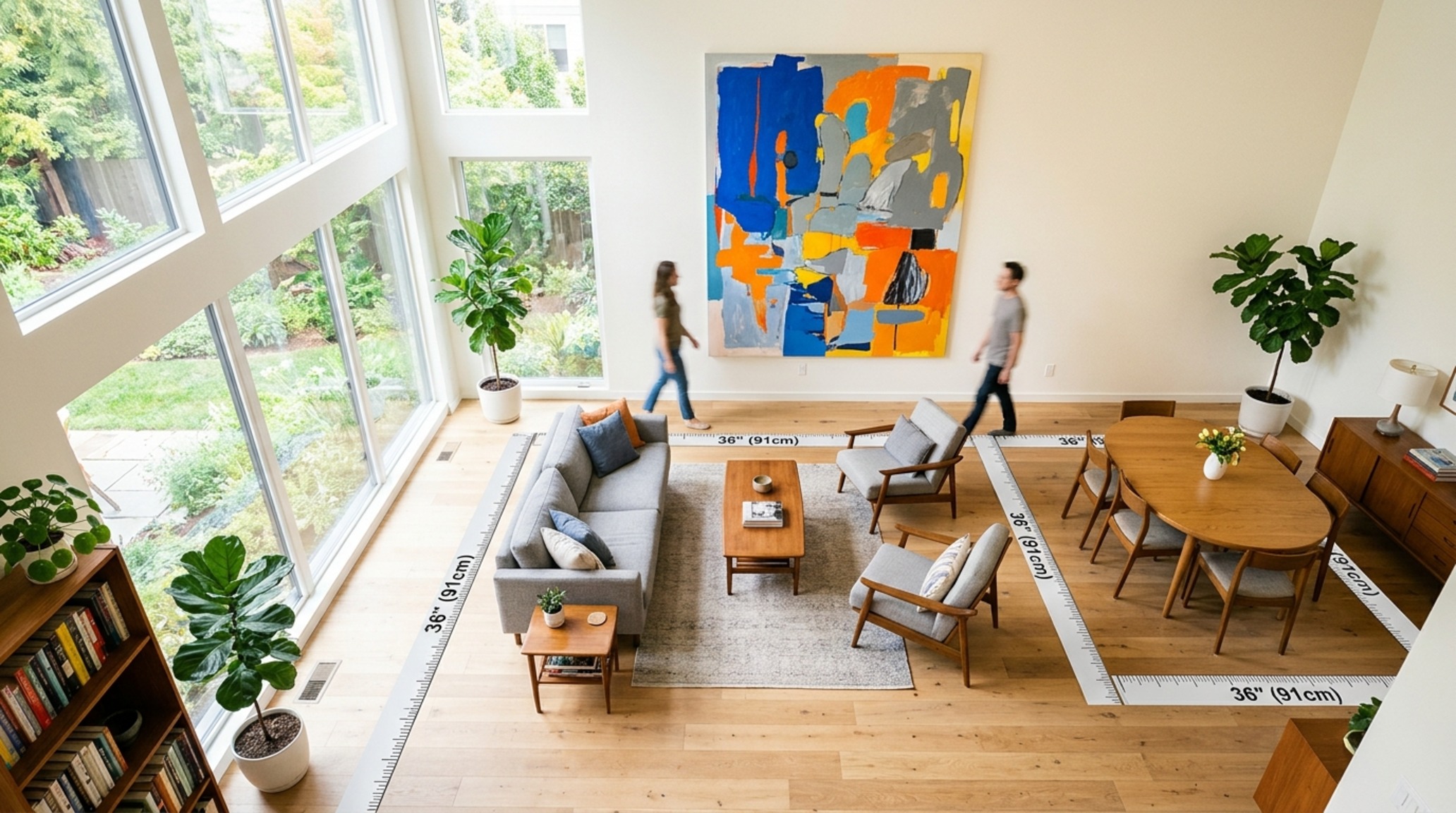
In the modern home, the ‘great room’ often serves as kitchen, dining, and lounge. Painting open plan living areas requires a strategic approach to color transitions. Rather than stopping a color at an arbitrary point on a flat wall, look for natural architectural breaks: inside corners, bulkhead transitions, or floor-to-ceiling cabinetry. If no such break exists, consider the ‘wrap-around’ technique, where a single color encompasses the entire volume to emphasize the architectural flow.
Sightline alignment is paramount here. Stand in your primary circulation path—the 36-inch standard walkway—and observe how the colors interact. A soft transition from a warm putty like Sherwin-Williams Accessible Beige to a deeper accent can define a ‘zone’ without the need for physical partitions. This creates a sense of order within the vastness, allowing each functional area to feel distinct yet part of a singular design narrative.
Atmospheric Anchoring: Cozy Paint Colors for Large Spaces and Intimacy
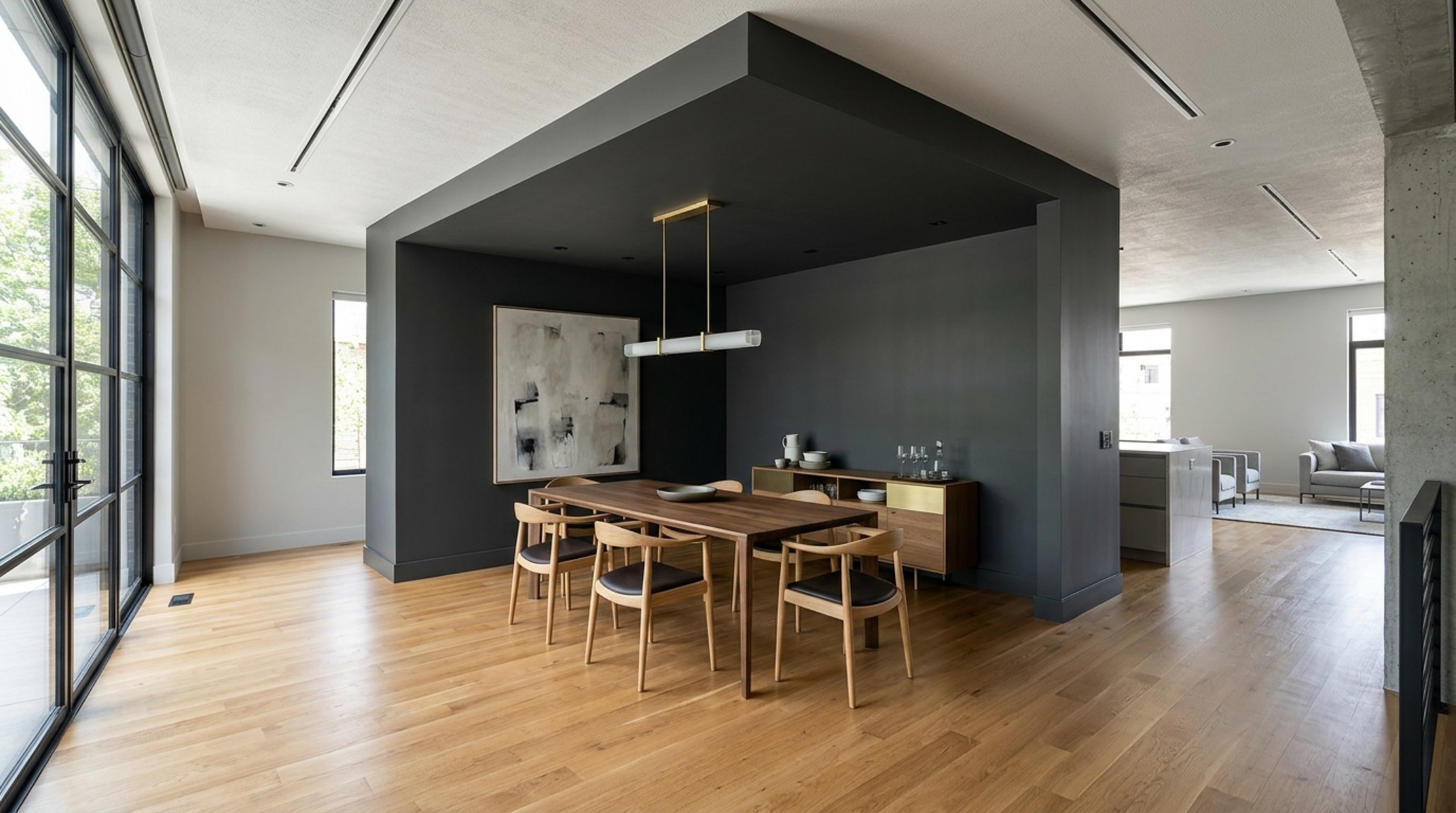
The paradox of a large room is that it can feel both impressive and uninviting. To combat this, we lean into cozy paint colors for large spaces that absorb light rather than bouncing it. Deep, saturated tones like charcoal, navy, or forest green possess an ‘advancing’ quality—they visually pull the walls inward, creating a sense of protection. When applied to a large room, these colors transform a cavernous hall into a sophisticated lounge.
If a dark palette feels too daring for the entire room, focus on the ceiling. In a room with 10-foot-plus ceilings, painting the overhead plane two shades darker than the walls can ‘lower’ the perceived height, making the seating area feel more grounded. This technique, paired with 2700K warm ambient lighting and high CRI 90+ fixtures, ensures the pigments retain their true depth after the sun sets, preventing the ‘muddy’ look that often plagues dark colors in low light.
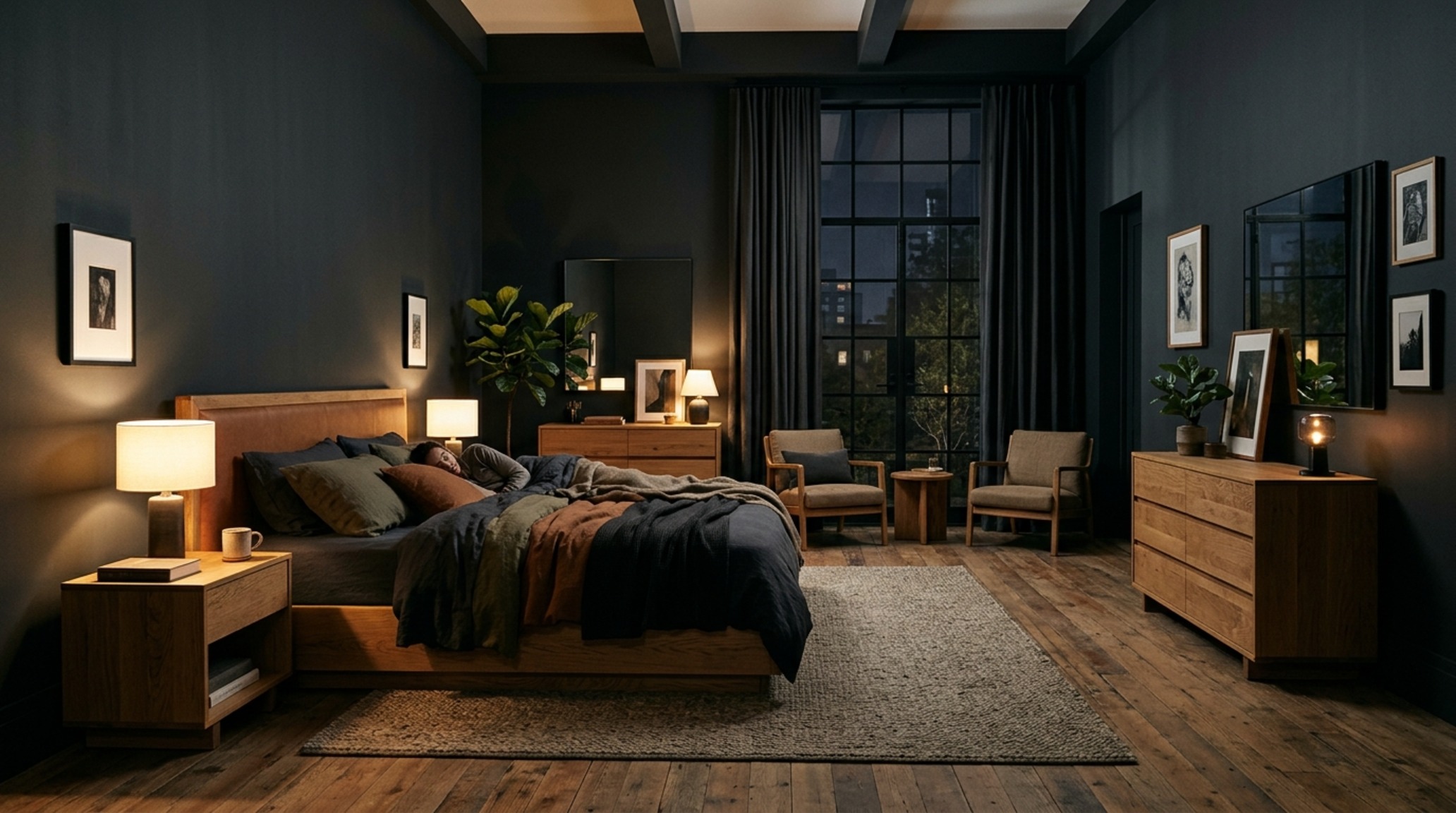
Architectural Definition: Accent Walls for Large Rooms and Focal Points
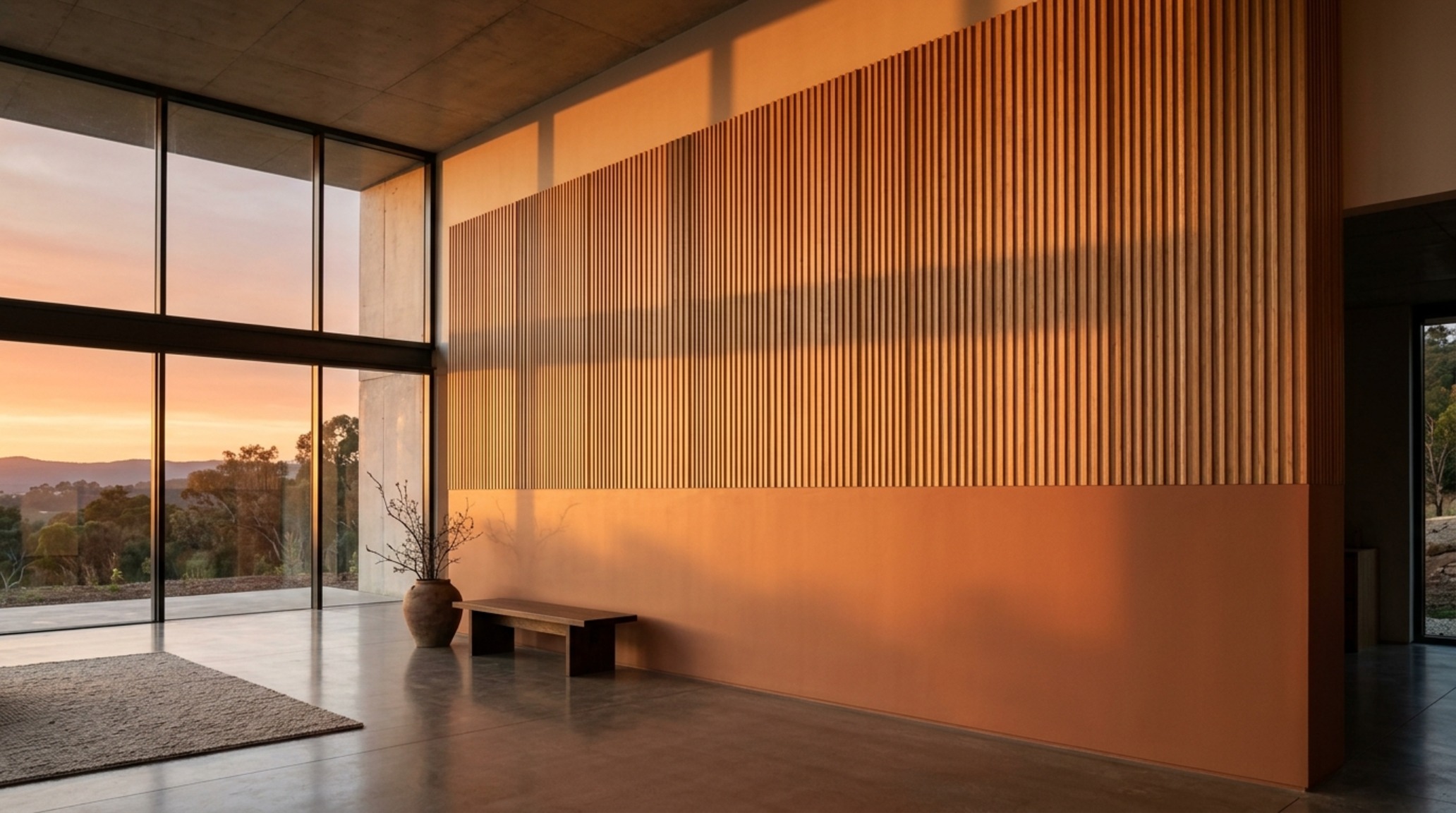
When dealing with a 30-foot wall, a single flat color can become monotonous. Accent walls for large rooms serve as a visual anchor, drawing the eye toward a fireplace, a curated gallery, or a view. However, a ‘pro’ accent wall isn’t just about a different color; it’s about texture. Consider using a limewash or a Roman clay finish on a primary focal wall. The subtle, cloud-like movement of these materials breaks up the visual mass of the surface and adds a layer of ‘quiet luxury’ that standard latex cannot replicate.
To ensure the accent wall doesn’t feel like an afterthought, integrate it with the room’s permanent fixtures. For example, if you have a 30-inch dining chair clearance, ensure the accent color extends to the floor behind the furniture, creating a cohesive backdrop. Using interior paint color zoning, you can use the accent wall to define the dining ‘room’ within the larger living volume, essentially using pigment as a psychological divider.
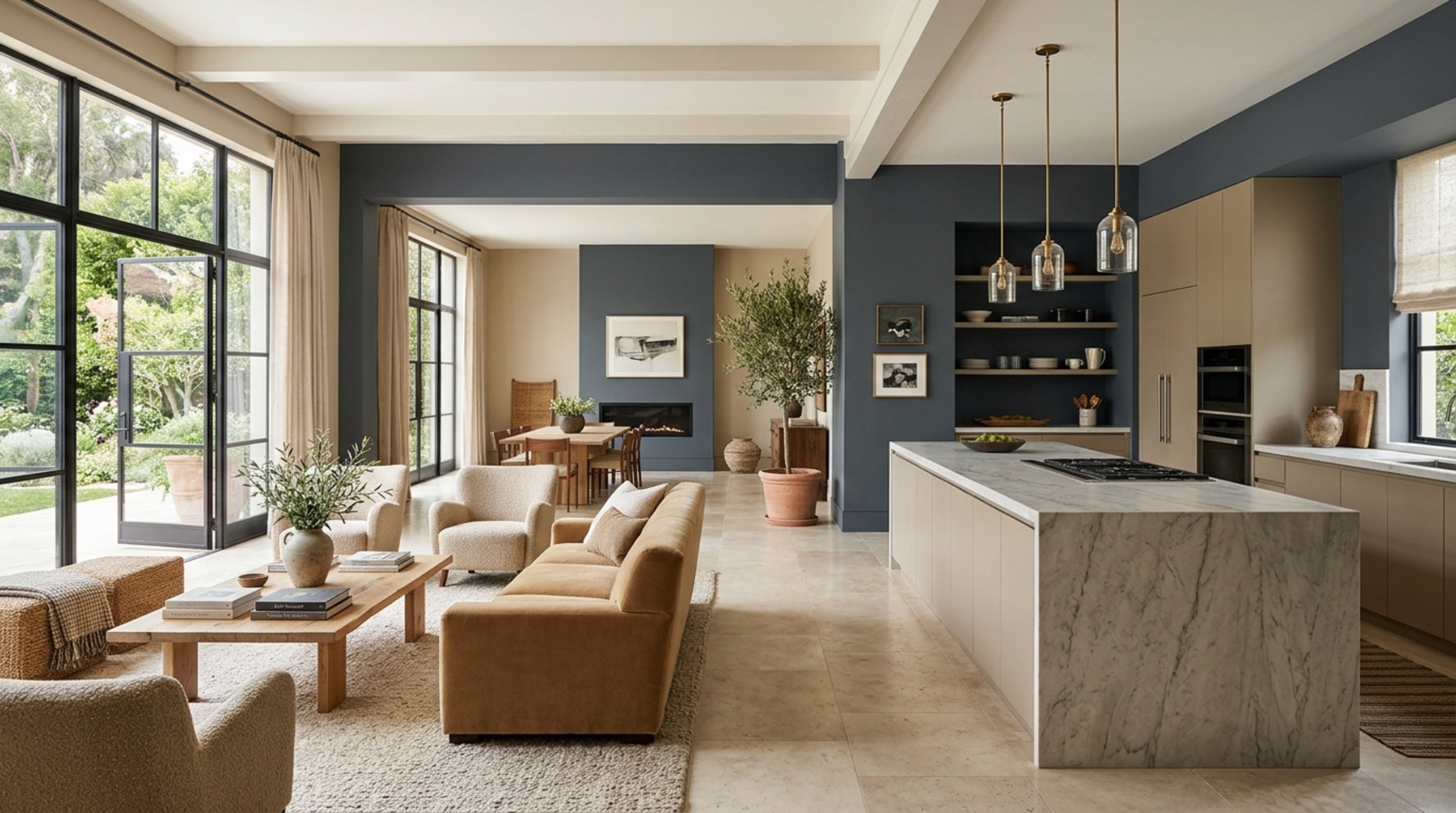
The Logistical Flow: Integrated Storage & Livability
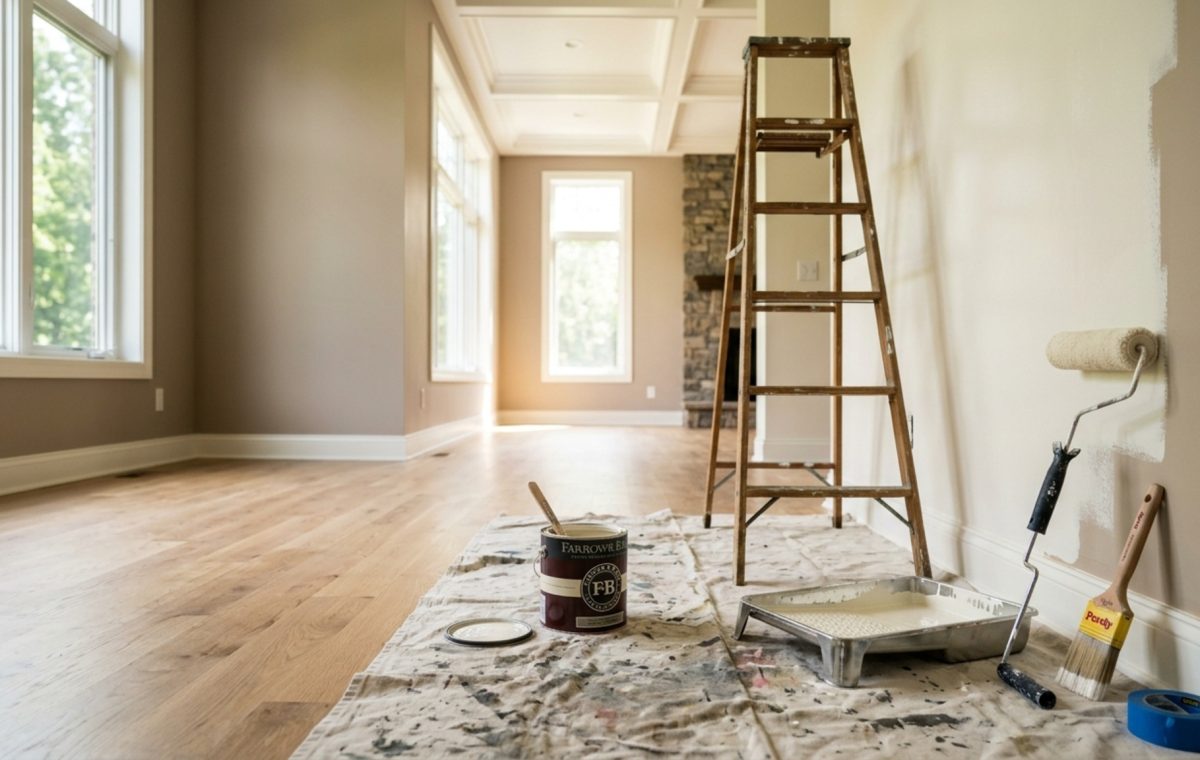
Painting a large room is rarely a one-day affair. To maintain a livable home, create a ‘wet station’ in a corner or an adjacent mudroom. Utilize stackable bins for brushes and rollers, and keep your commercial sprayer in a dedicated containment zone. By organizing your tools and materials, you reduce the ‘visual noise’ of the project, allowing you to live in the space while it transforms. Always maintain a clear 36-inch pathway for movement to avoid accidents with open paint cans or wet walls.
Materiality, Palette & Dimension Blueprint
Detailed finish schedule outlining authentic architectural surfaces, color values, and clearances.
Curated Visual Lookbook: Final Preparation & Material Selection
Before the first drop of paint hits the wall, your preparation phase should resemble a staged architectural event. In addition to your primary paint choices, ensure you have the following essential materials on hand for a large-scale project:
- Commercial Grade Sprayer: For uniform coverage on high vertical planes.
- 18-Inch Roller Kit: For manual application and back-rolling efficiency.
- Telescoping Extension Poles: Reaching up to 16 feet without the need for constant ladder repositioning.
- Heavy-Duty Canvas Drop Cloths: Far superior to plastic for managing the footprint of a large room.
- High-Tack Edge Tape: Essential for sharp color zoning and protecting detailed crown molding.
Approaching a large room is an exercise in architectural patience. By viewing the walls as structural elements rather than mere boundaries, and by utilizing the tools that professional volumes demand, you transform a daunting task into a rewarding design evolution. As the light hits your newly finished surfaces, notice how the space no longer feels like a void, but a beautifully articulated environment where every square inch serves the greater whole.
Editorial Silo • Recommended Architecture Studies
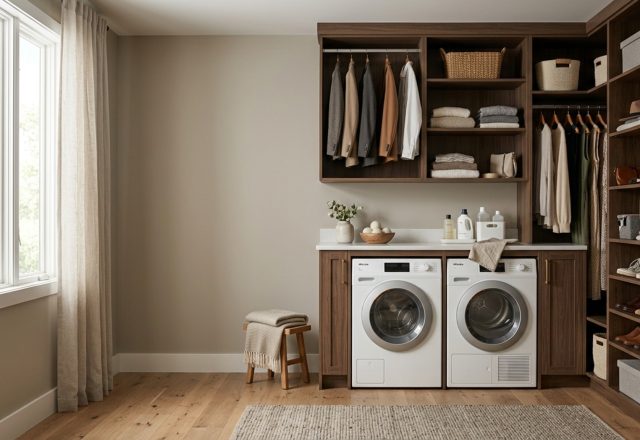
- 12 Walk in closet with laundry: Tidy Layout ideas — Archival Design Case Study
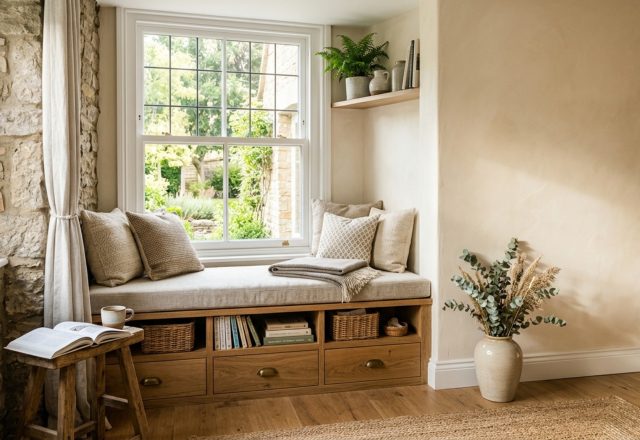
- 10 Window Nook: Dramatic Storage Ideas for Efficiency — Archival Design Case Study
Curated Interior Perspectives
Documenting spatial cadence through authentic materials, intentional voids, and sculpted architectural illumination.
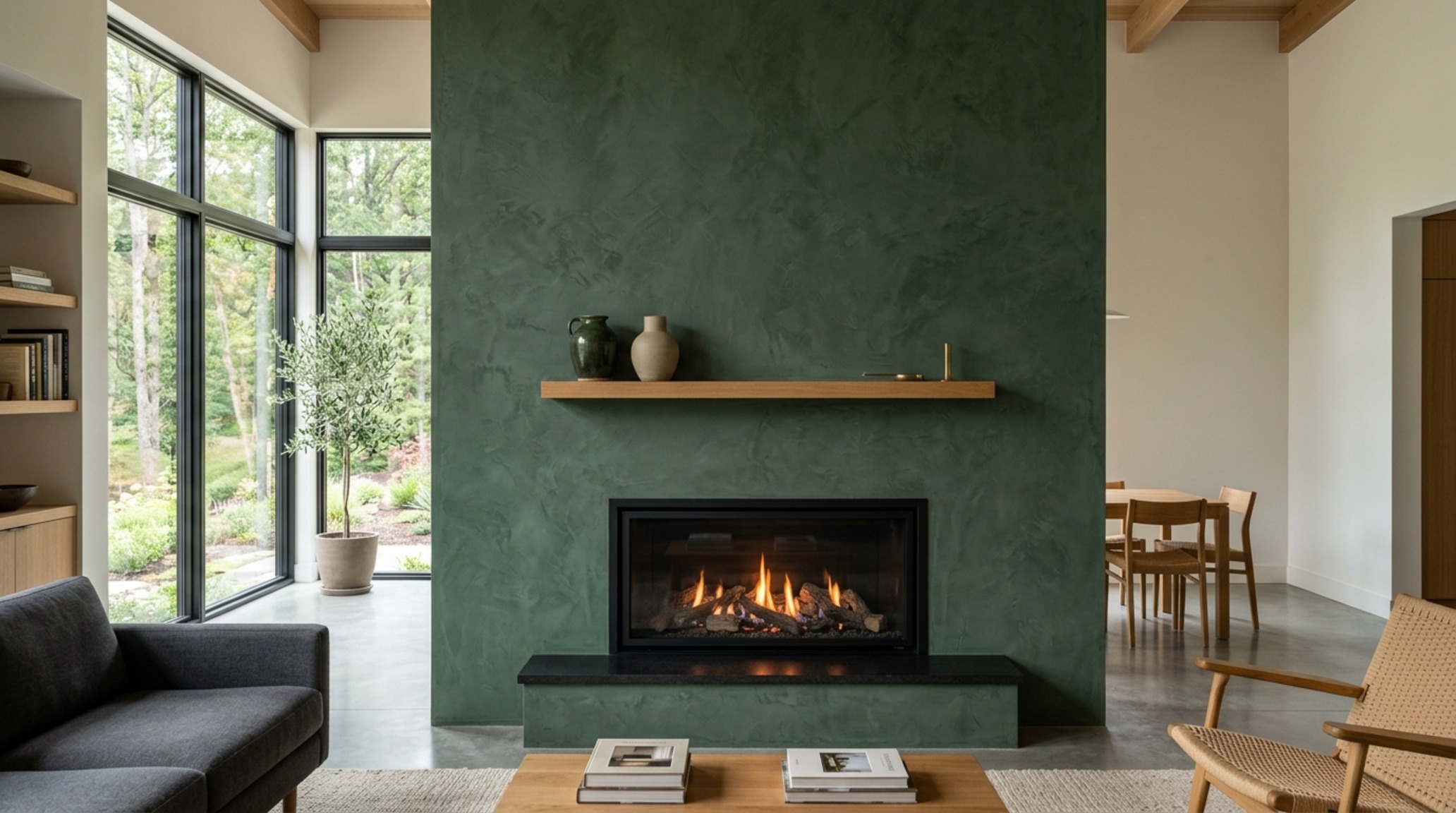

Curated Visual Lookbook
Design Gallery & Spatial Studies
A visual curation of architectural arrangements, lighting concepts, and material palettes featured in this space.