CURATORIAL CRITIQUE & DESIGN ANTHOLOGY: The modern interior designer is no longer a mere selector of swatches or a curator of furniture; they are the silent architects of human emotion and atmospheric resonance. In 2026, the industry has undergone a radical shift where technical proficiency is the baseline, but sensory intelligence is the ultimate differentiator. For those standing at the threshold asking, how do i become an interior designer, the answer lies in the delicate balance between rigorous architectural discipline and a deeply personal aesthetic voice that transcends digital trends. It is a path defined by the ability to see the invisible—the way light grazes a lime-washed wall at 4:00 PM or the precise friction of a heavy linen drape against a white oak floor.
Do Prioritize Technical Accreditation; Don’t Rely Solely on Taste
The first hurdle in the professional landscape is understanding that interior design is a regulated discipline of the built environment. While a keen eye for color is a gift, it is not a career. To move beyond the realm of hobbyist decorating, one must master the physics of space. This begins with seeking programs recognized by the Council for Interior Design Accreditation (CIDA). These programs ensure you are not just learning about aesthetics, but about life safety codes, egress requirements, and the structural integrity of the environments you create.
Council for Interior Design Accreditation: Your Academic Foundation
Navigating the educational landscape requires a discerning eye. A CIDA-accredited degree is the gold standard because it prepares you for the NCIDQ examination—the industry’s most respected credential. In these programs, you will move past mood boards and into the technicalities of Revit, AutoCAD, and 3D modeling. You’ll learn that a kitchen isn’t just about the cabinetry; it’s about the 36-inch minimum clearance for primary traffic paths and the 42-inch clearance required for two people to work back-to-back comfortably. This technical rigor is what separates a professional designer from a stylist.

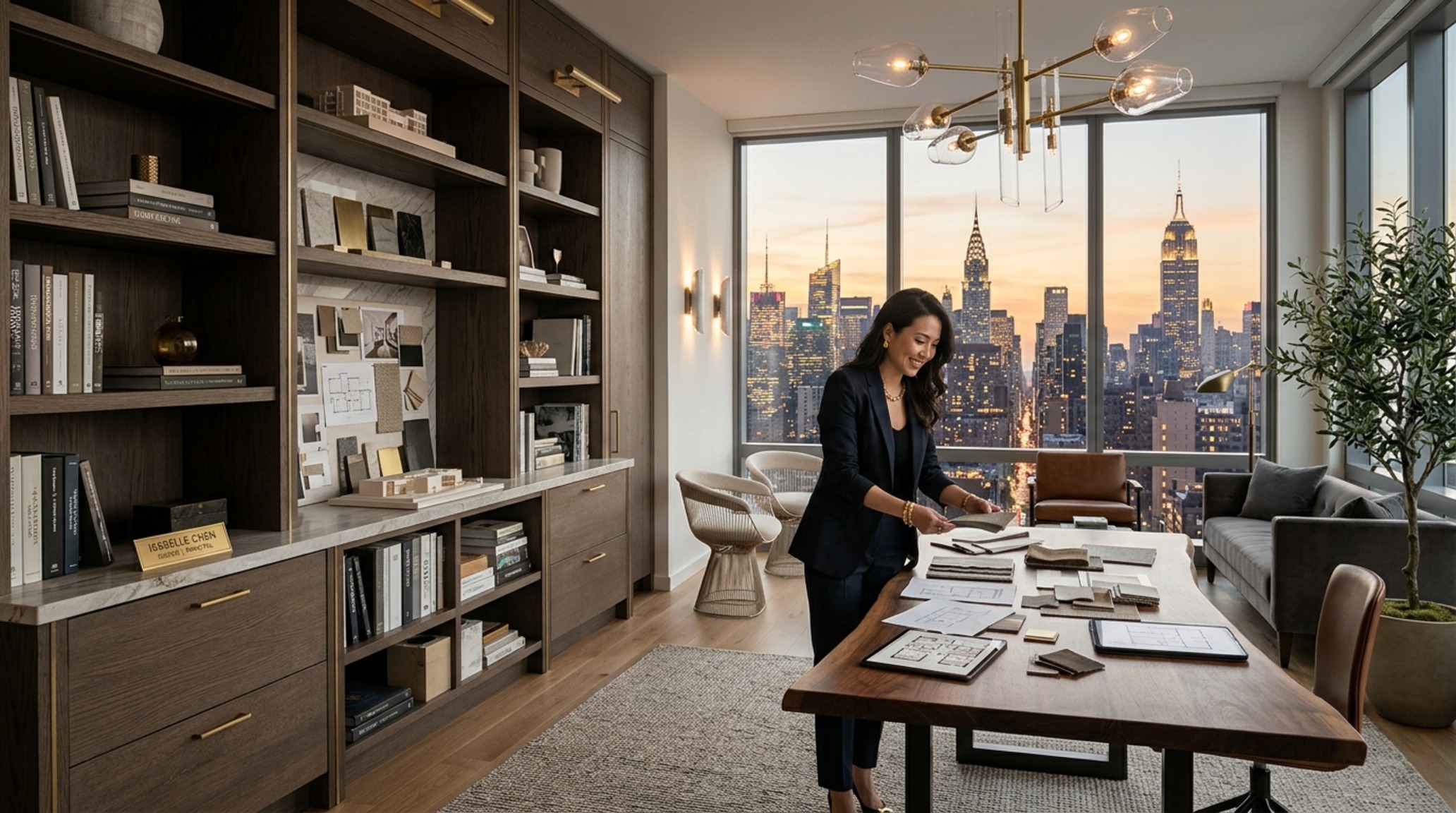
When observing the visual narrative of a well-planned studio, notice the integration of architectural lighting and spatial flow. A professional designer understands that the overhead glow of 3000K task lighting must be balanced with 2700K ambient layers to prevent a space from feeling clinical. It is this marriage of math and mood that defines a successful practice.
Do Master the Distinction: Interior Design vs Interior Decorating
One of the most common points of confusion for newcomers is the intersection of interior design vs interior decorating. While they share a visual language, their DNA is entirely different. Decorating is the art of surface-level adornment—selecting the 18-inch throw pillows, the Benjamin Moore Swiss Coffee paint for the trim, or the Farrow & Ball Setting Plaster for the ceiling. It is the final layer of the story. Interior design, conversely, involves the manipulation of the volume itself. It is the decision to move a non-load-bearing wall to improve the spatial cadence or the specification of a high-CRI (90+) lighting plan that renders every texture with absolute fidelity.
Pro Tip: To attract luxury clients, speak the language of construction. Discuss ‘negative space breathing room’ and ‘sightline alignment’ rather than just ‘pretty furniture.’ Clients pay for expertise; they stay for the vision.
Don’t Overlook the Power of Real-World Exposure
The leap from the classroom to the studio is often the most jarring part of the journey. In 2026, the most successful entry-level professionals are those who have secured interior design internships 2024 and 2025, bridging the gap between theory and the frantic pace of a working firm. During an internship, you aren’t just fetching samples; you are witnessing the alchemy of the ‘spec book.’ You are learning why a designer chooses a honed travertine over a polished marble (hint: it’s about the tactile grounding and the way it diffuses glare) and how to manage the logistical dance of custom furniture lead times.
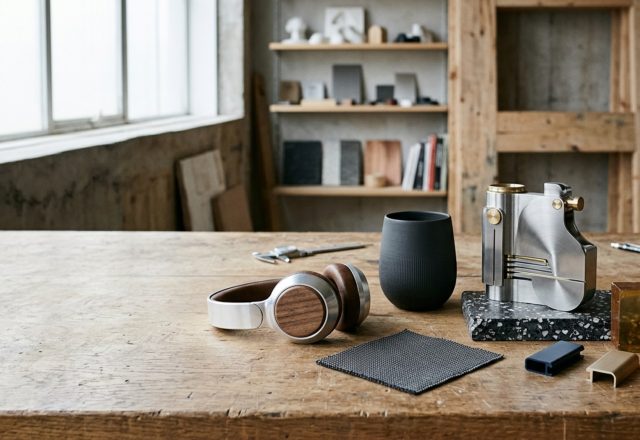
The image above illustrates the kind of material complexity one encounters in a high-end firm—the juxtaposition of fluted white oak against cold rolled steel. Understanding how these materials age and interact with light is a skill only gained through physical proximity to the craft. It’s during these formative years that you begin to develop your signature visual identity.
Do Focus on How to Build an Interior Design Portfolio with Substance
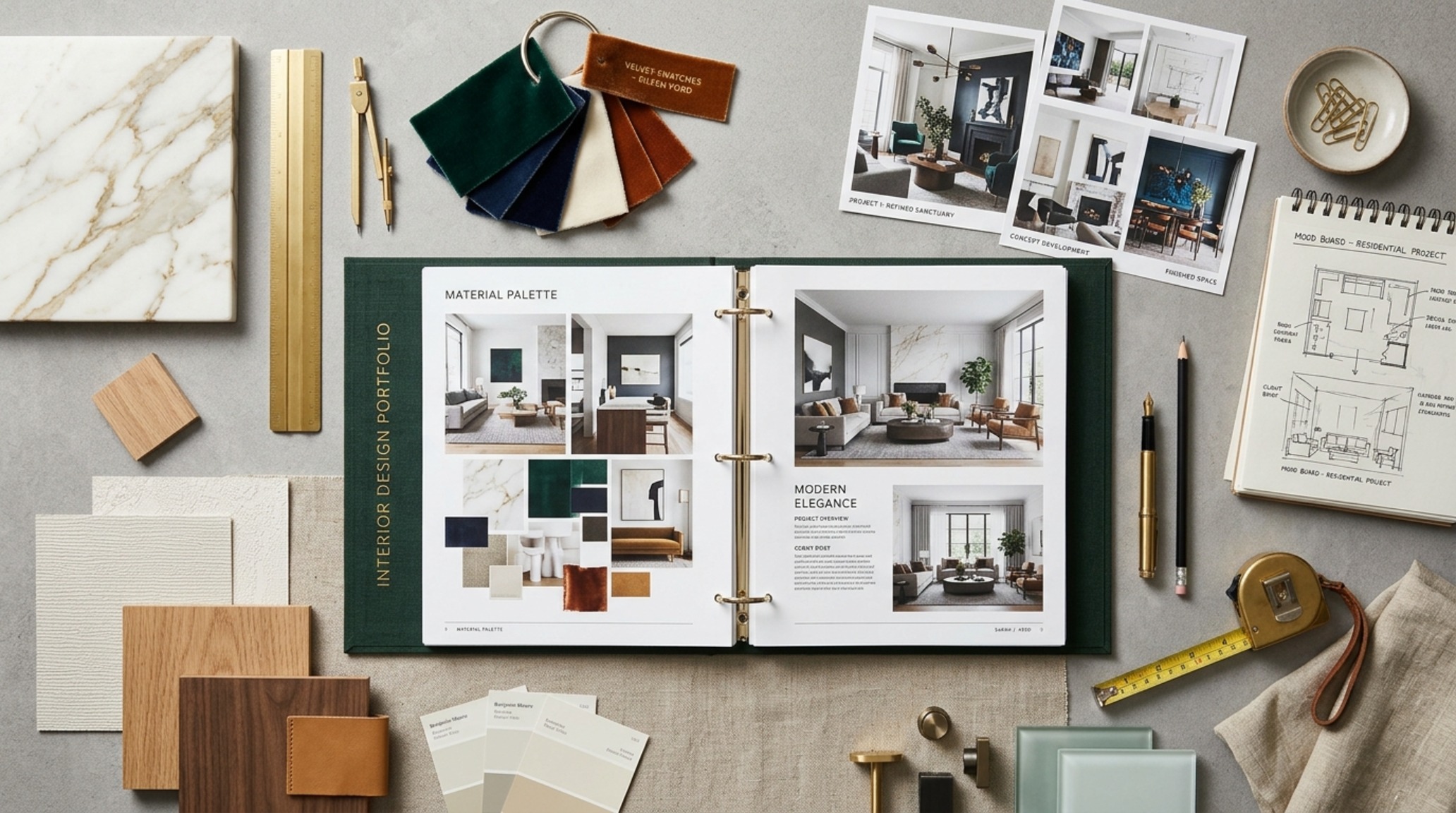
Your portfolio is your visual manifesto. However, a common mistake is filling it with generic ‘Pinterest-perfect’ renders that lack soul. When considering how to build an interior design portfolio, focus on materiality, form, and light vignettes. Show the process. Include a hand-sketched floor plan next to a high-resolution render. Include a flat-lay photograph that showcases a nuanced palette—perhaps a swatch of Pierre Frey mohair alongside a slab of Calacatta Viola marble. This demonstrates that you understand the tactile nature of luxury.
Curated Visual Narrative & Detail Studies
A sophisticated portfolio should feel like an architectural monograph. Use negative space on the page to let your work breathe. Instead of twenty average projects, show three exceptional ones in deep detail. Highlight a ‘spatial study’ where you solved a difficult circulation problem in a 12×12 bedroom, maintaining a 30-inch clearance around the bed for ease of movement. This technical honesty builds trust with potential employers and high-net-worth clients alike.
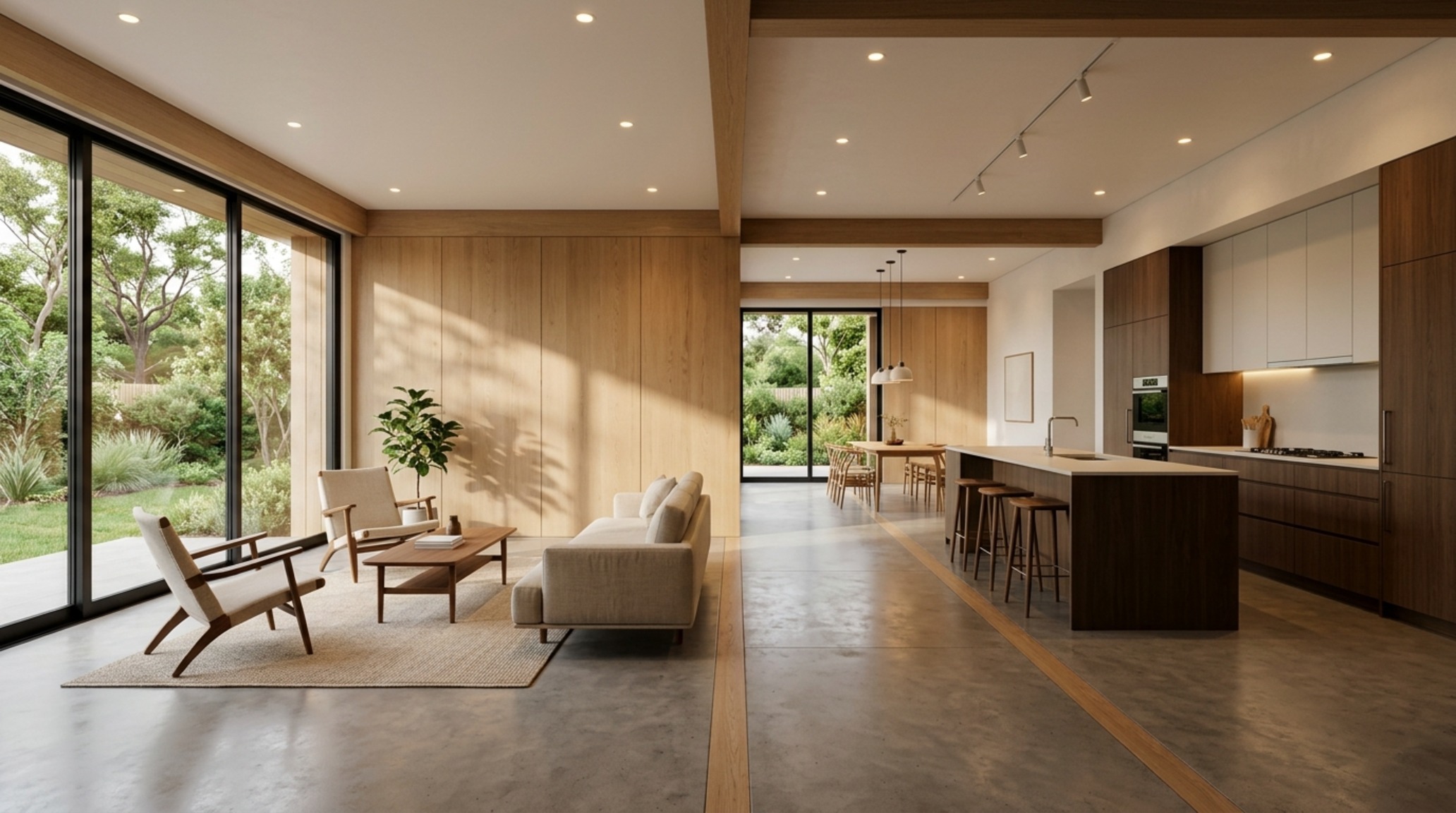
In the spatial composition shown, the emphasis is on the dialogue between the built-in elements and the natural light. This level of intentionality is what you must aim to capture in your own portfolio. It’s not just about the objects; it’s about the air between them.
Don’t Ignore the Financial Landscape of the Industry
While the creative side is intoxicating, the business of design requires a clear-eyed view of the market. Understanding interior designer salary expectations is vital for long-term sustainability. Entry-level positions in major design hubs like New York, London, or Los Angeles typically range between $55,000 and $75,000, but the ceiling for senior associates and principal designers can exceed $200,000 plus commissions. However, the true wealth in this industry often comes from establishing a niche. Whether it is high-end residential, biophilic hospitality, or sustainable wellness retreats, specialization allows you to command higher fees.
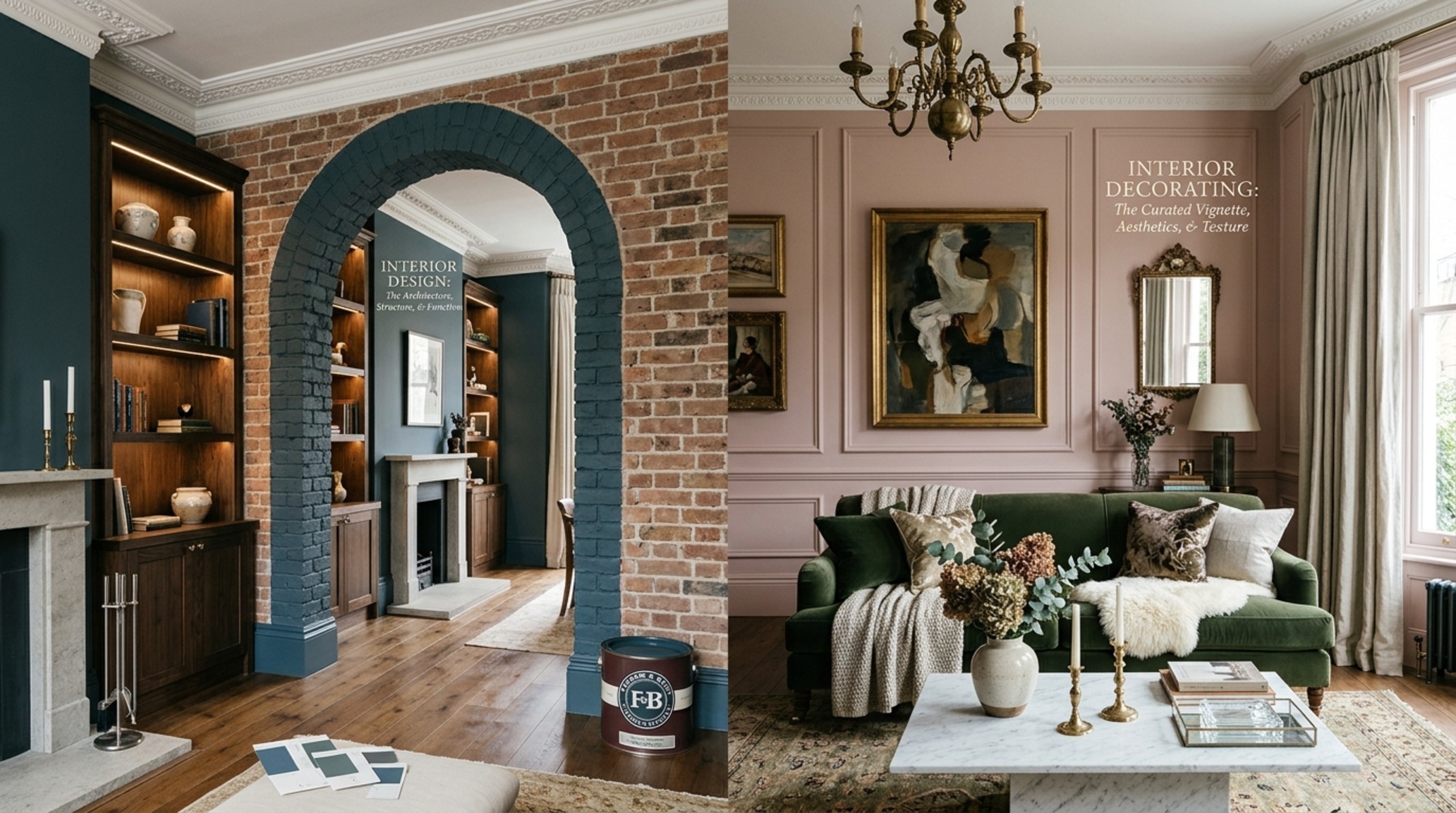
Consider the visual weight of the bespoke elements in the preceding gallery. Each custom detail—from the integrated brass hardware to the shadow-gap trim—represents a billable hour of expertise. As you progress, your value shifts from ‘doing’ to ‘knowing.’ Knowing that an 18-inch coffee table reach is the ergonomic sweet spot for a standard lounge chair is a small detail that ensures a room functions as beautifully as it looks.
The Professional Roadmap: From Graduate to Licensed Designer
Once you have the education and the experience, the final step in the query of how do i become an interior designer is professional licensure. In many states and provinces, you cannot legally call yourself an ‘Interior Designer’ without passing the NCIDQ (National Council for Interior Design Qualification) exam. This three-part test covers everything from building systems and construction standards to professional practice. It is the ultimate stamp of authority that signals to architects and contractors that you are a peer in the construction process.
- Step 1: Earn a degree from a CIDA-accredited institution.
- Step 2: Accumulate 3,520 hours of supervised work experience under a licensed designer or architect.
- Step 3: Pass the three sections of the NCIDQ examination.
- Step 4: Apply for state/provincial licensure and maintain through CEUs (Continuing Education Units).
Spatial Anatomy & Material Specifications
Summary of authentic finishes, designer paint selections, and standard architectural clearances.
Becoming a designer in the modern era is an act of quiet rebellion against the fast-paced, disposable digital world. It is an investment in the permanence of the physical experience. As you build your career, remember that the most beautiful rooms are not those that look like a magazine cover, but those that feel like a sanctuary—where the shadow of a branch against a plaster wall provides more joy than any trend. One final styling tip: always place your lighting at eye level or below in the evening to create intimacy through soft shadows. When you look at a blank room, do you see a collection of furniture, or do you see the potential for a new way of living?
Editorial Silo • Recommended Architecture Studies
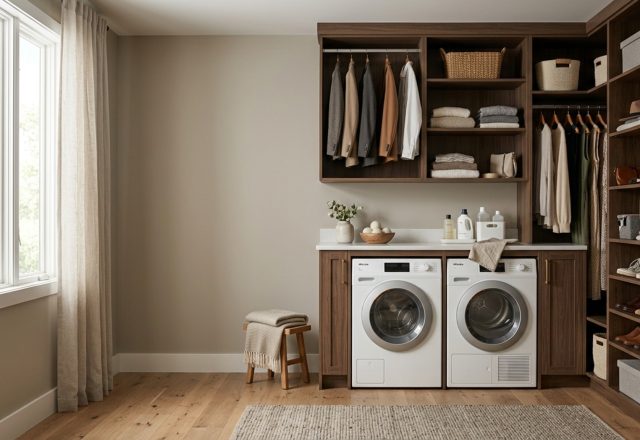
- 12 Walk in closet with laundry: Tidy Layout ideas — Archival Design Case Study
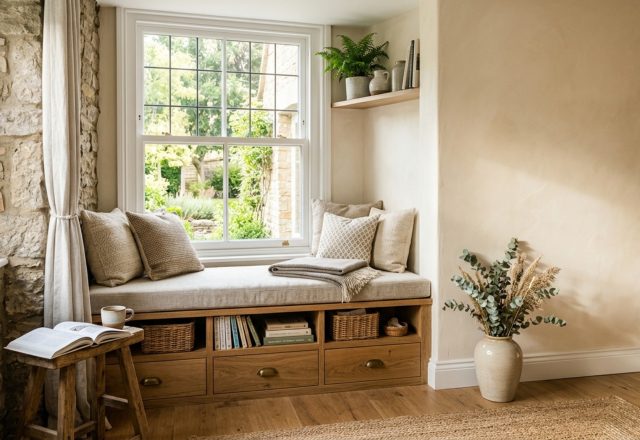
- 10 Window Nook: Dramatic Storage Ideas for Efficiency — Archival Design Case Study
The Interior Perspective Vault
Visual perspectives honoring architectural weight, understated craftsmanship, and layered atmospheric warmth.




Curated Visual Lookbook
Design Gallery & Spatial Studies
A visual curation of architectural arrangements, lighting concepts, and material palettes featured in this space.