Can a home that smells of cedar and decades-old dust truly offer a more luxurious existence than a zero-maintenance smart-build?
For those who value the visceral over the sterile, buying an old house represents a conscious choice to inhabit a living history rather than a manufactured box. It is the architectural equivalent of choosing a hand-wound mechanical timepiece over a digital screen; one tells the time, but the other tells a story. When you cross the threshold of a century-old residence, you aren’t just purchasing square footage; you are acquiring the specific refraction of wavy cylinder glass and the density of old-growth timber that grew when the air was cleaner and the pace of life was slower.
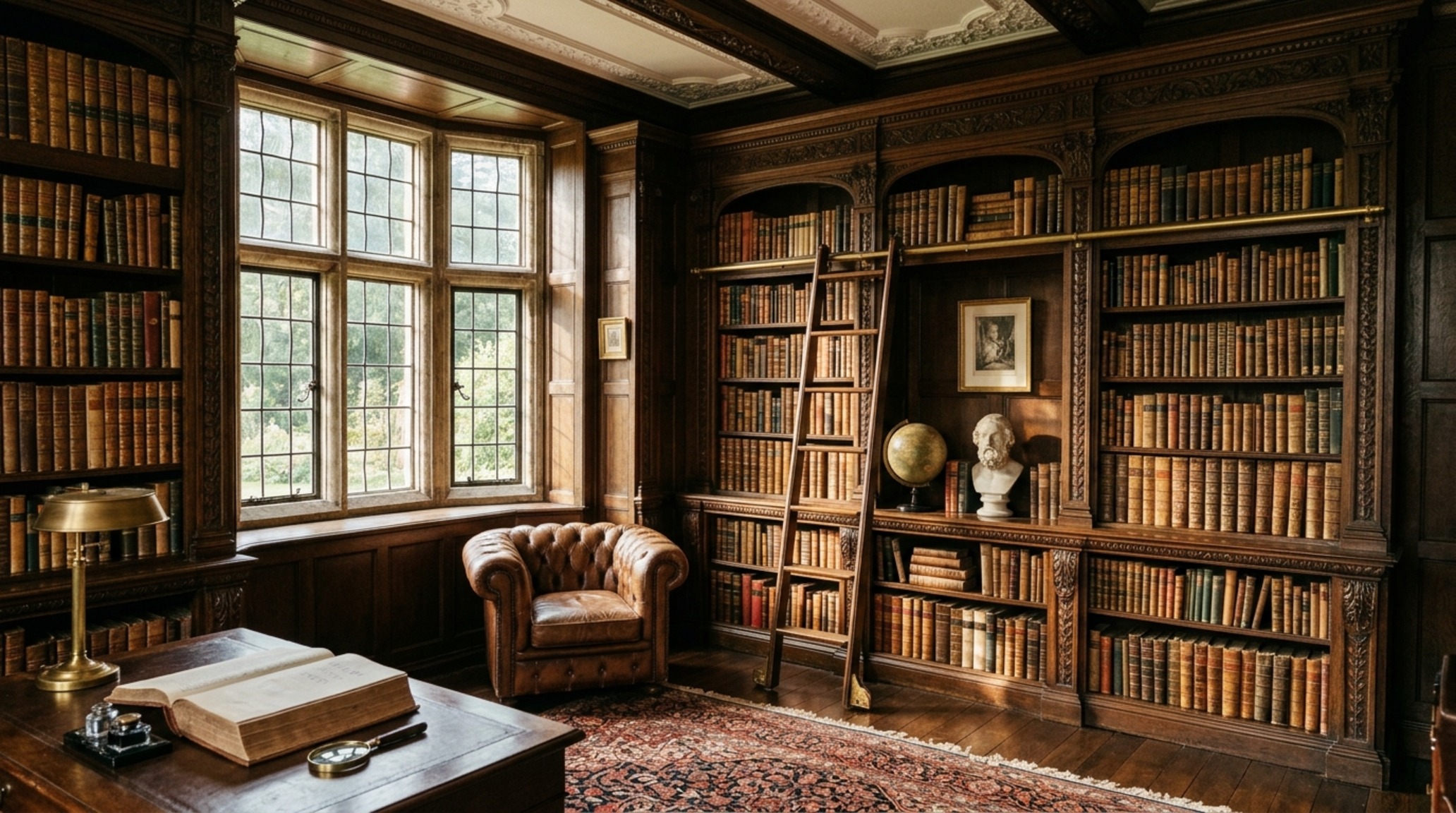
Pros and Cons of Old Homes: The Luxury of the Imperfect
To master the curation of a vintage home, one must first redefine what luxury looks like. In the context of a 1920s Tudor or a mid-century coastal cottage, luxury is found in the patina of time. The pros and cons of old homes are often two sides of the same artisanal coin. The ‘con’ might be a floor that sighs underfoot, but the ‘pro’ is that those floors are often three-inch-thick heart pine planks, a material now nearly extinct in the commercial market. Modern luxury often strives for a perfection that feels anonymous. Conversely, the irregularities of hand-applied horsehair plaster create a soft, undulating surface that catches the light in ways that machine-sanded drywall never can. These surfaces possess a depth—a tactile soul—that provides a sense of grounding. However, this beauty comes with the responsibility of stewardship. You are no longer just an owner; you are a conservator of spatial cadence.
Inspection Checklist for Old Houses: A Forensic Approach to Soul
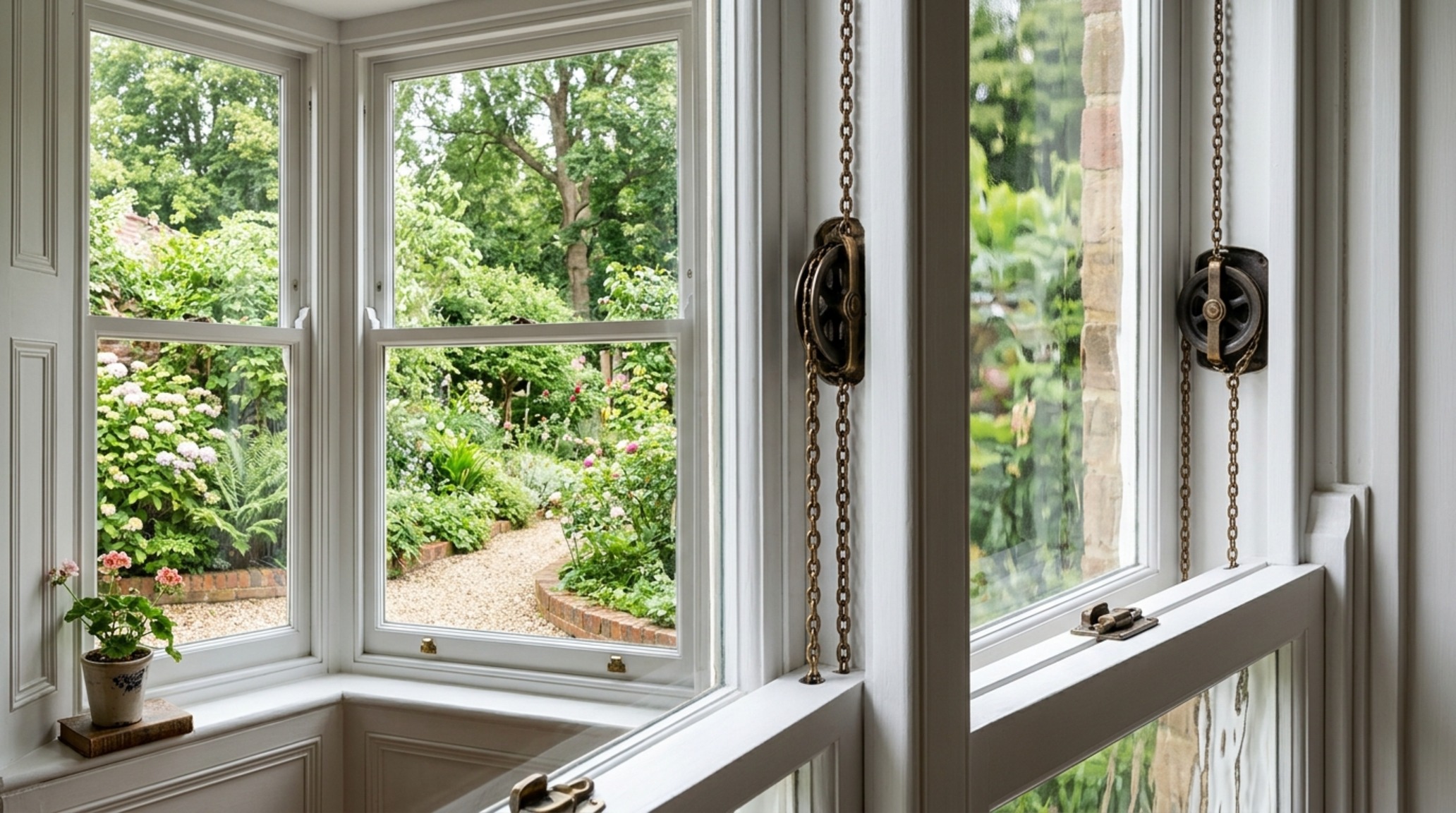
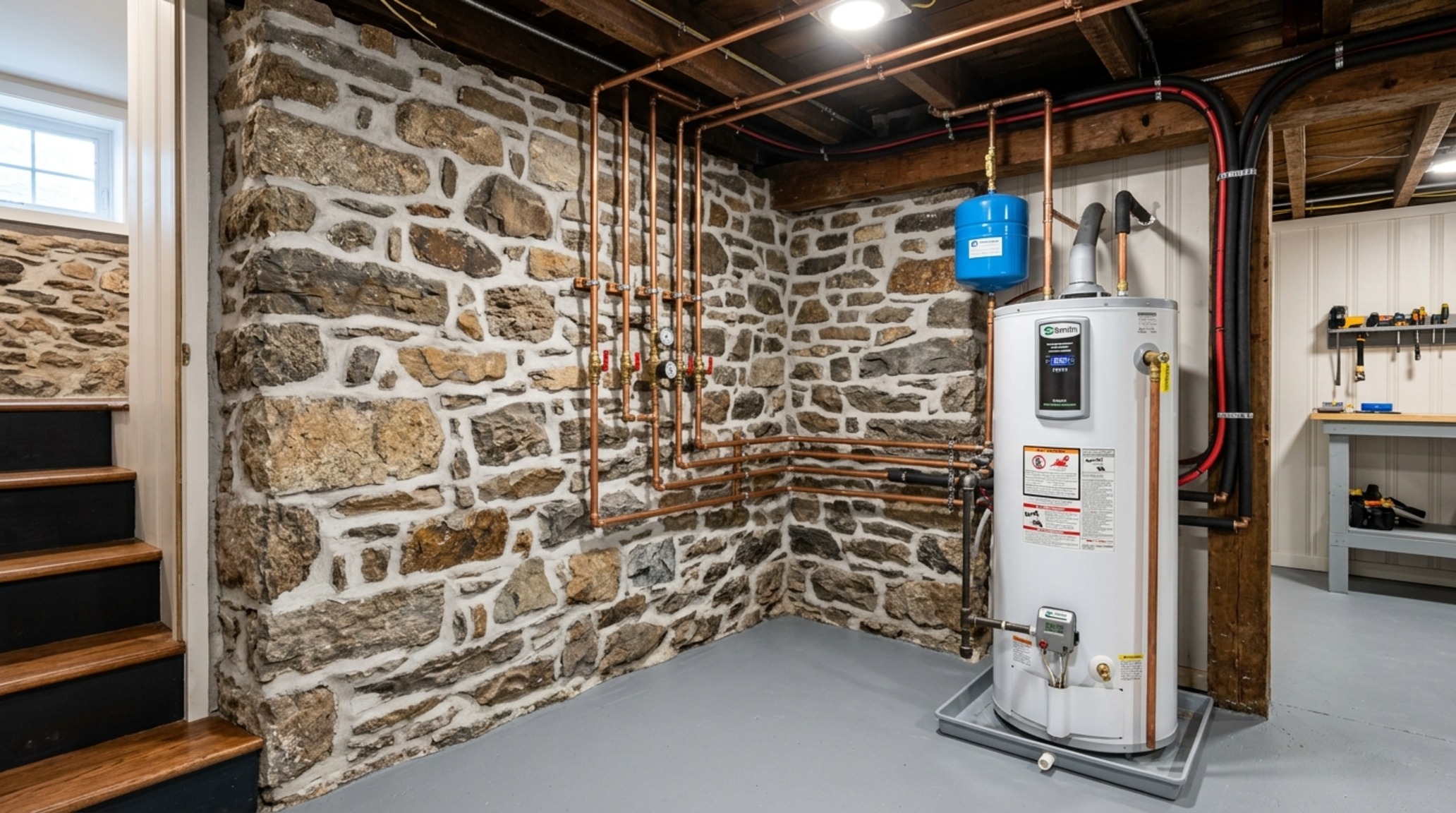
Before the aesthetic curation begins, a rigorous structural interrogation is required. A professional inspection checklist for old houses differs fundamentally from a standard new-construction walk-through. We are looking for the ‘bones’ of the building. We look for signs of original lime mortar in the foundation, which requires breathability rather than the rigid sealing of modern Portland cement. We examine the electrical ‘nervous system’—is there residual knob-and-tube wiring lurking behind that beautiful crown molding? We check the plumbing’s ‘circulatory system’ for galvanized pipes that may have narrowed with age. Most importantly, we look at the ‘envelope.’ Original windows, often dismissed as ‘leaky,’ are actually masterpieces of repairability. Unlike a modern vinyl window with a twenty-year lifespan, a weighted sash window can be restored indefinitely. This forensic phase is about understanding the delta between ‘character’ and ‘catastrophe,’ ensuring the home’s history doesn’t become its downfall.
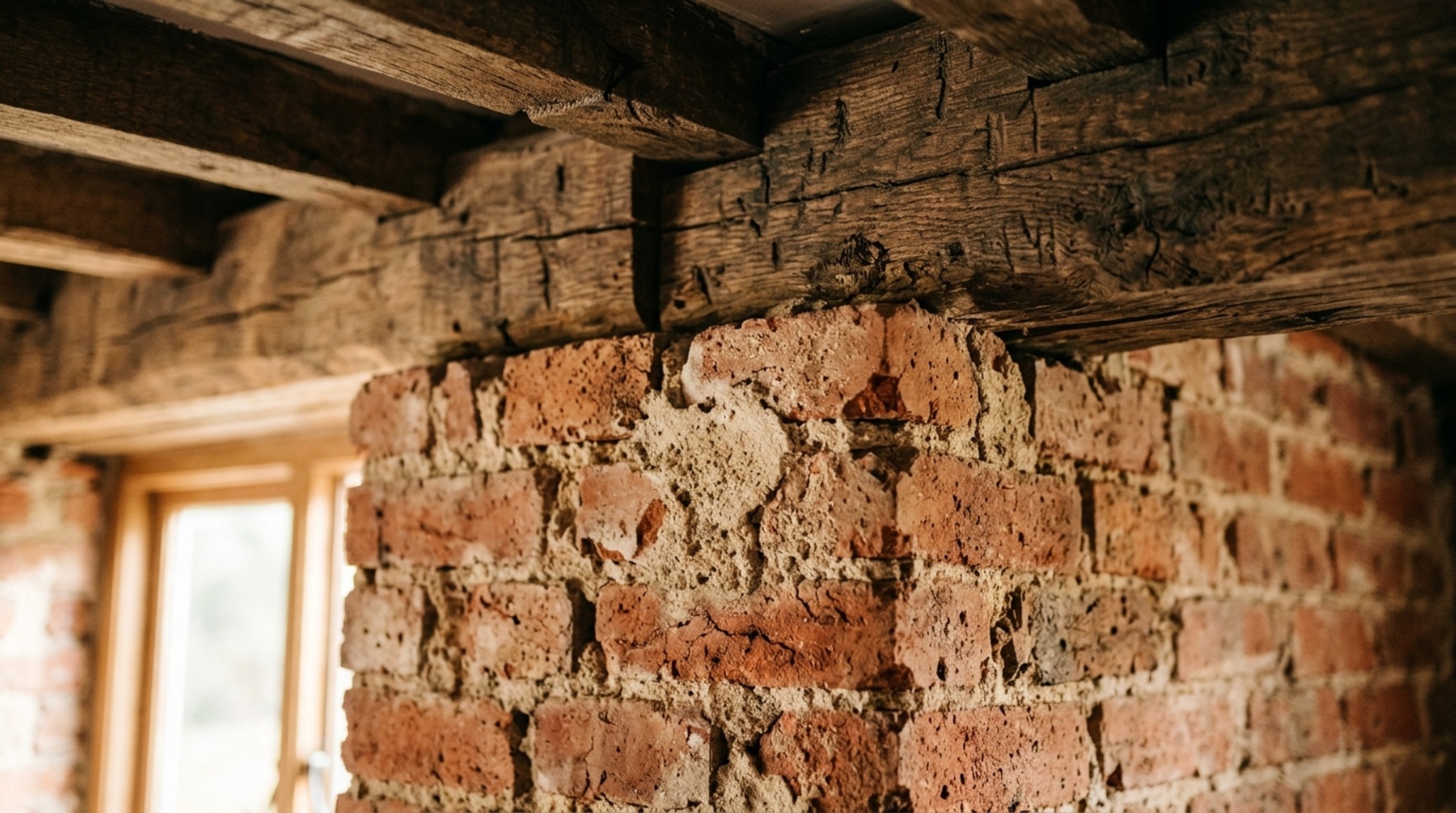
Buying a Fixer-Upper House Tips: The Art of the Edit
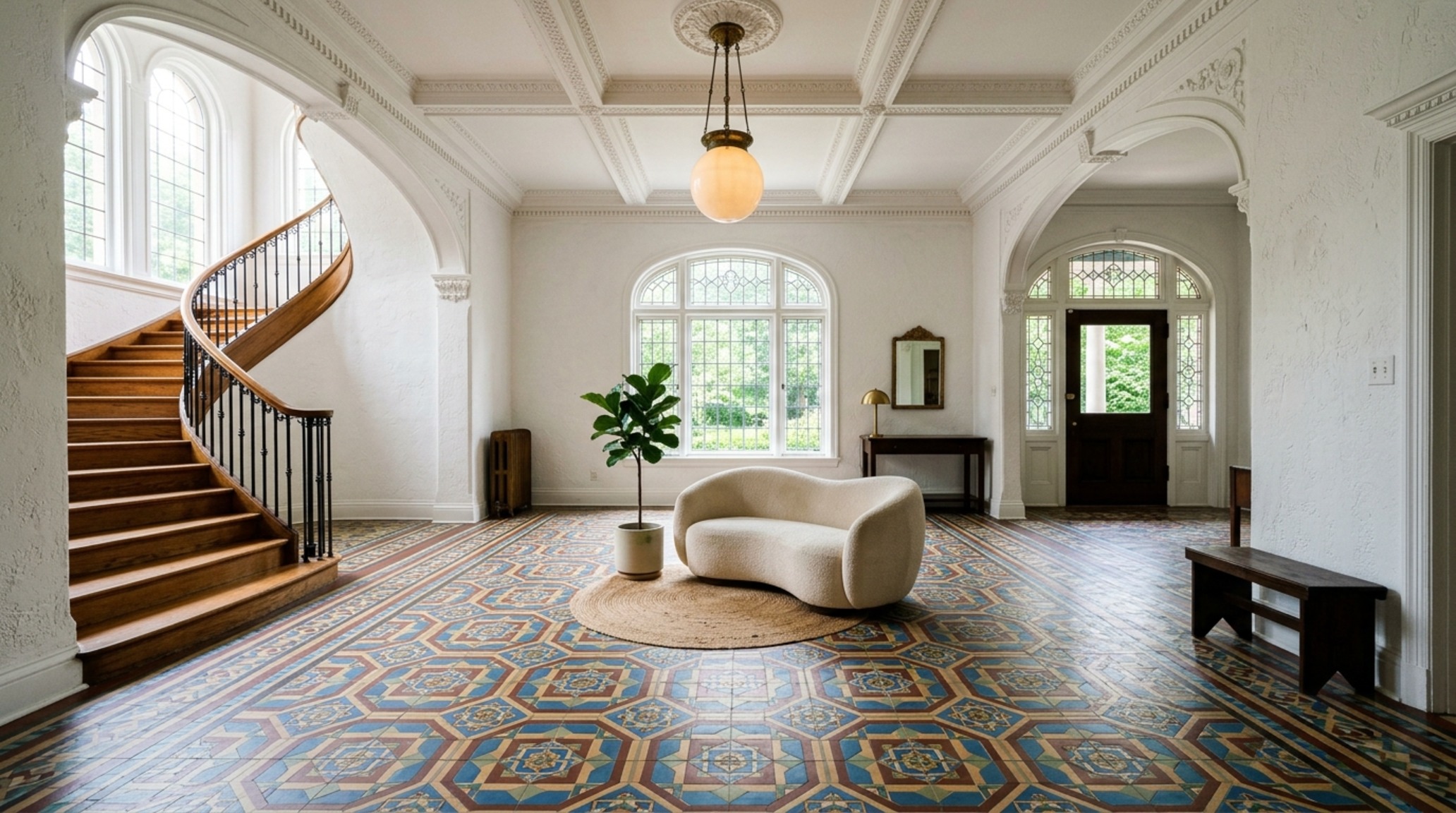
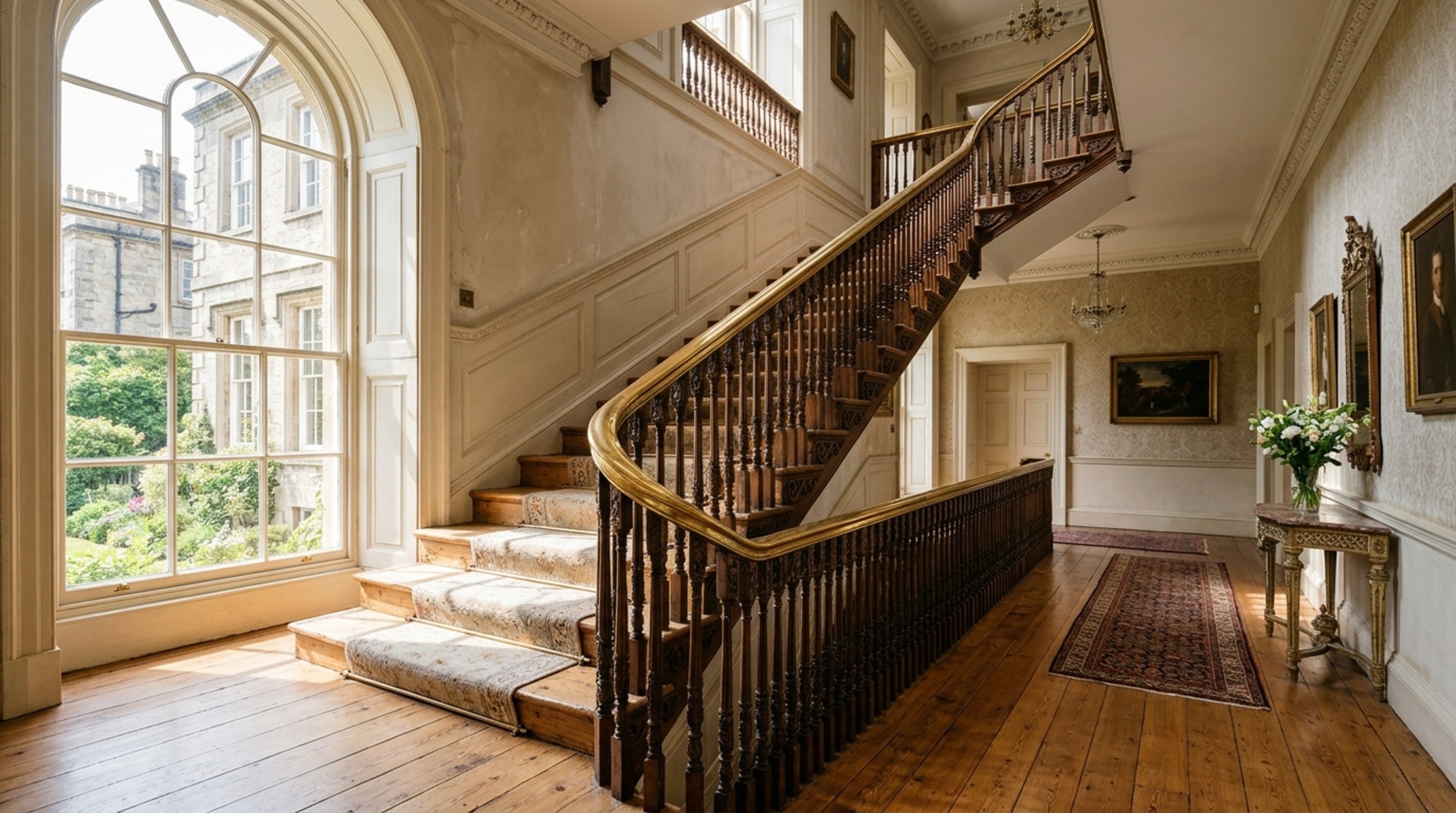
When you begin the transformation process, the most vital of all buying a fixer-upper house tips is to resist the urge to gut. The ‘open concept’ obsession has destroyed more architectural soul than neglect ever could. Instead of removing walls, consider the ‘negative space breathing room’ that original floor plans provide. These homes were designed with a sense of ceremony—a transition from a public vestibule to a private parlor. To curate this, focus on sightline alignment. Can you see through the house to a garden view? If a wall must go, can it be replaced by a cased opening that mirrors the existing millwork? Curation is about editing out the ‘dated’—the 1980s linoleum or the 1970s acoustic ceiling tiles—while amplifying the ‘historic.’ This means preserving the 10-inch baseboards and the solid brass hardware that has developed a dark, oily bronze finish through a century of human touch.
Hidden Problems in Old Houses: Navigating the Architectural Shadows
Every vintage home has its secrets, and identifying hidden problems in old houses requires an eye for subtle tells. A slight discoloration in the corner of a ceiling isn’t just a stain; it’s a narrative of a flashing failure on the roof. A bouncy floor in the kitchen might suggest that a previous ‘modernization’ cut through a structural joist to accommodate a drain pipe. Thermal bridging is another silent issue; old homes often lack the vapor barriers of today, meaning they breathe differently. Understanding this breathability is key to avoiding mold when you introduce modern insulation. The goal is to solve these issues with contemporary technology (like high-velocity HVAC systems that can be threaded through small cavities) without compromising the integrity of the original plasterwork or the height of the ceilings.
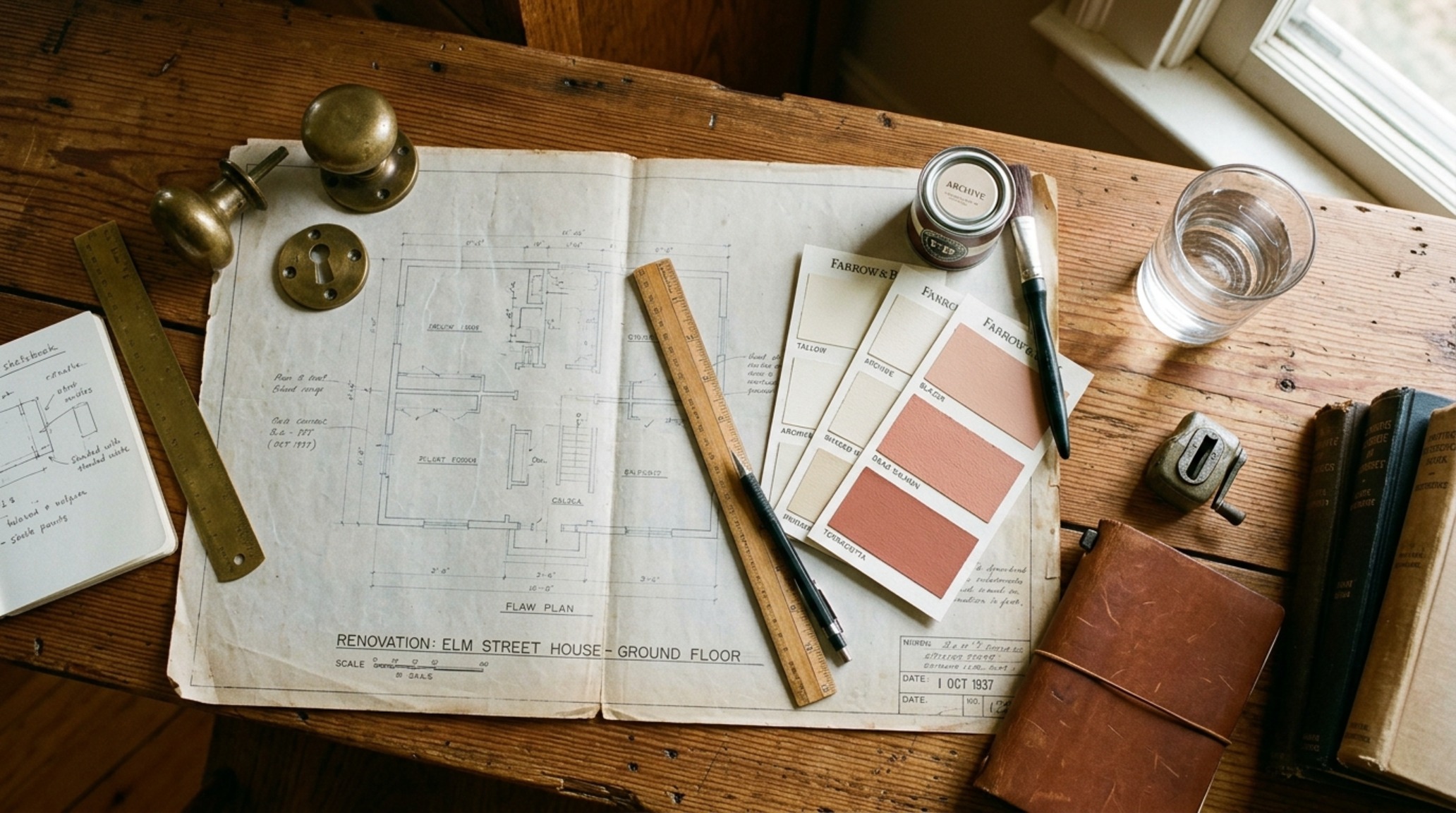
Century Home Renovation Costs: The Stewardship Premium
It is a mistake to budget for a vintage renovation using standard per-square-foot metrics. Century home renovation costs carry a premium for specialized craftsmanship. You aren’t just hiring a carpenter; you are often looking for a joiner who understands how to profile a custom bit to match a missing piece of 1890s casing. Materials alone command a different price point. Replacing a cracked hearth with honed soapstone or Italian Carrara marble—materials that age with the house—is an investment in longevity. However, these costs are offset by the intrinsic value of the asset. A well-curated vintage home with modernized systems and restored finishes consistently outperforms mass-market builds in long-term equity because its primary material—history—cannot be replicated or mass-produced.
Modernizing a Vintage Home: Synthesis and Softness
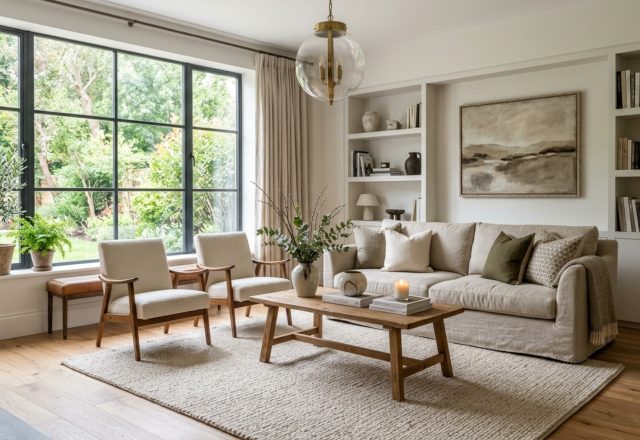
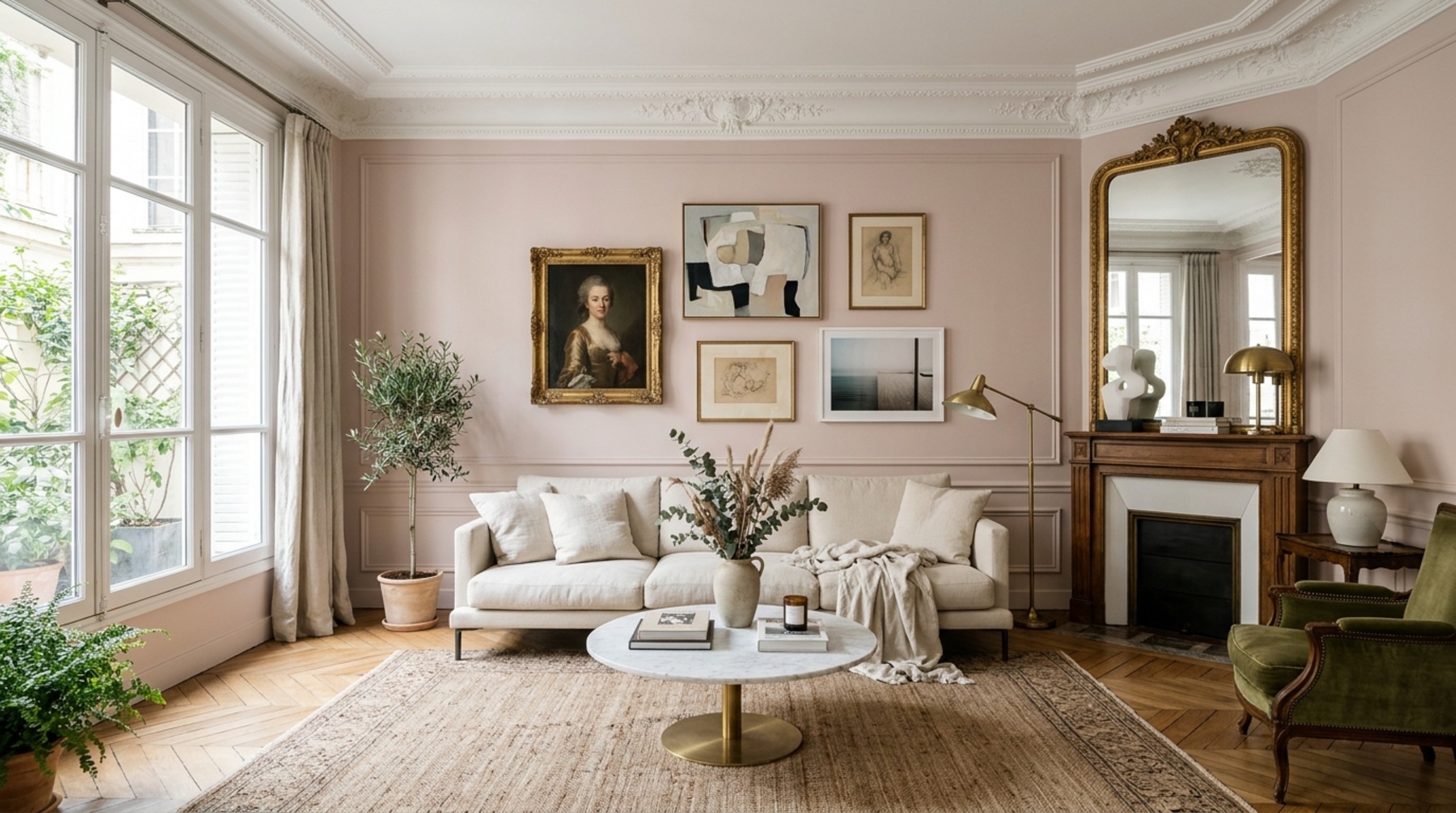
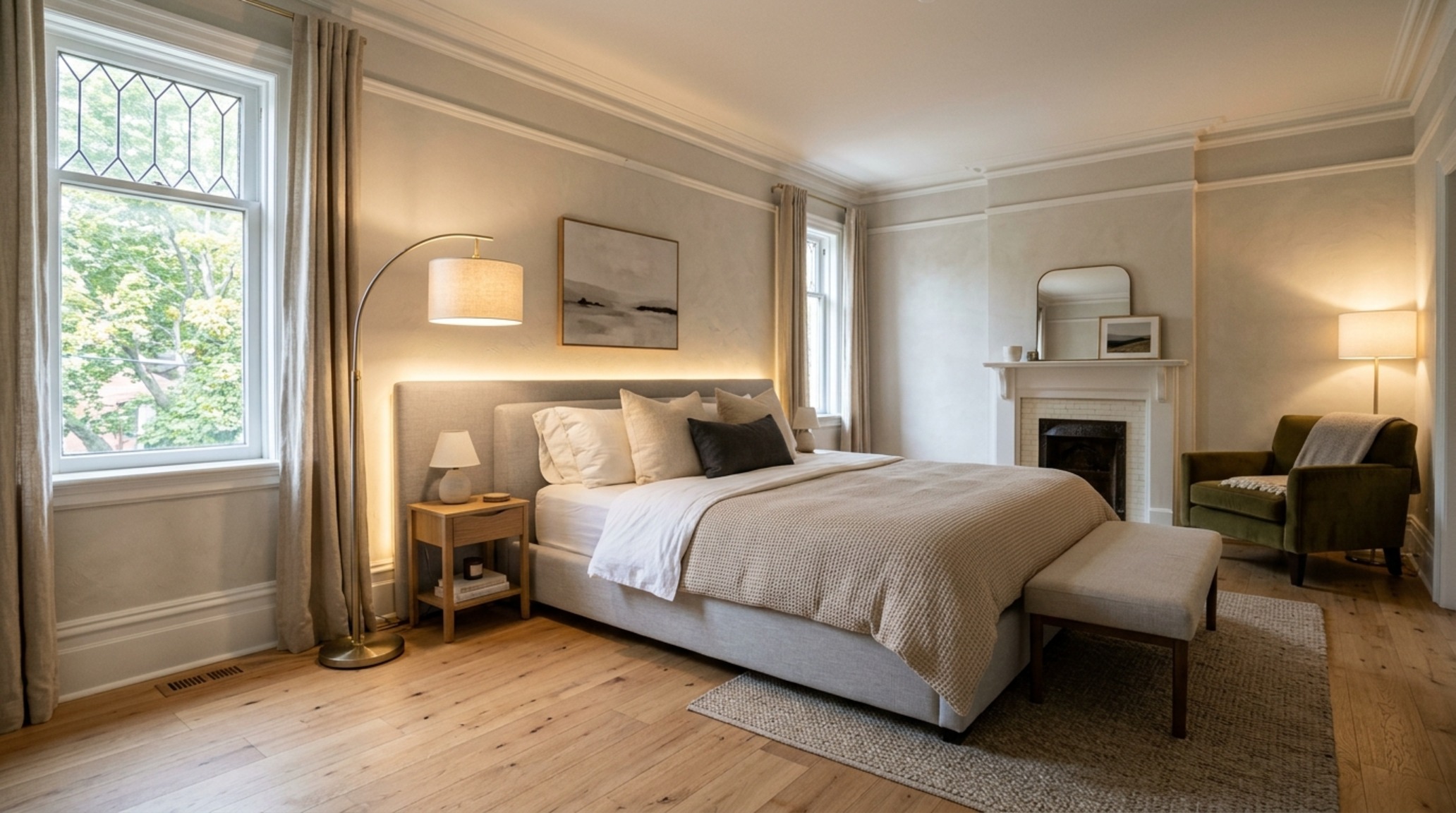
The final layer of curation is the palette. Modernizing a vintage home does not mean turning it into a gallery of white minimalism. Instead, use a master palette that honors the heritage while introducing contemporary warmth. Think of ‘The New Neutral’—shades like Farrow & Ball’s Setting Plaster or Benjamin Moore’s Swiss Coffee at 75% strength. These colors have enough pigment to hold their own against heavy wood trim. Lighting is the silent architect here. Avoid the ‘Swiss cheese’ ceiling of recessed cans. Instead, use layered lighting: 2700K warm ambient light from shaded lamps to create shadow play, and high CRI 90+ task lighting tucked discreetly under cabinets. By maintaining a 36-inch primary circulation path and ensuring an 18-inch reach from seating to coffee tables, you ground the historic scale in modern ergonomic comfort.
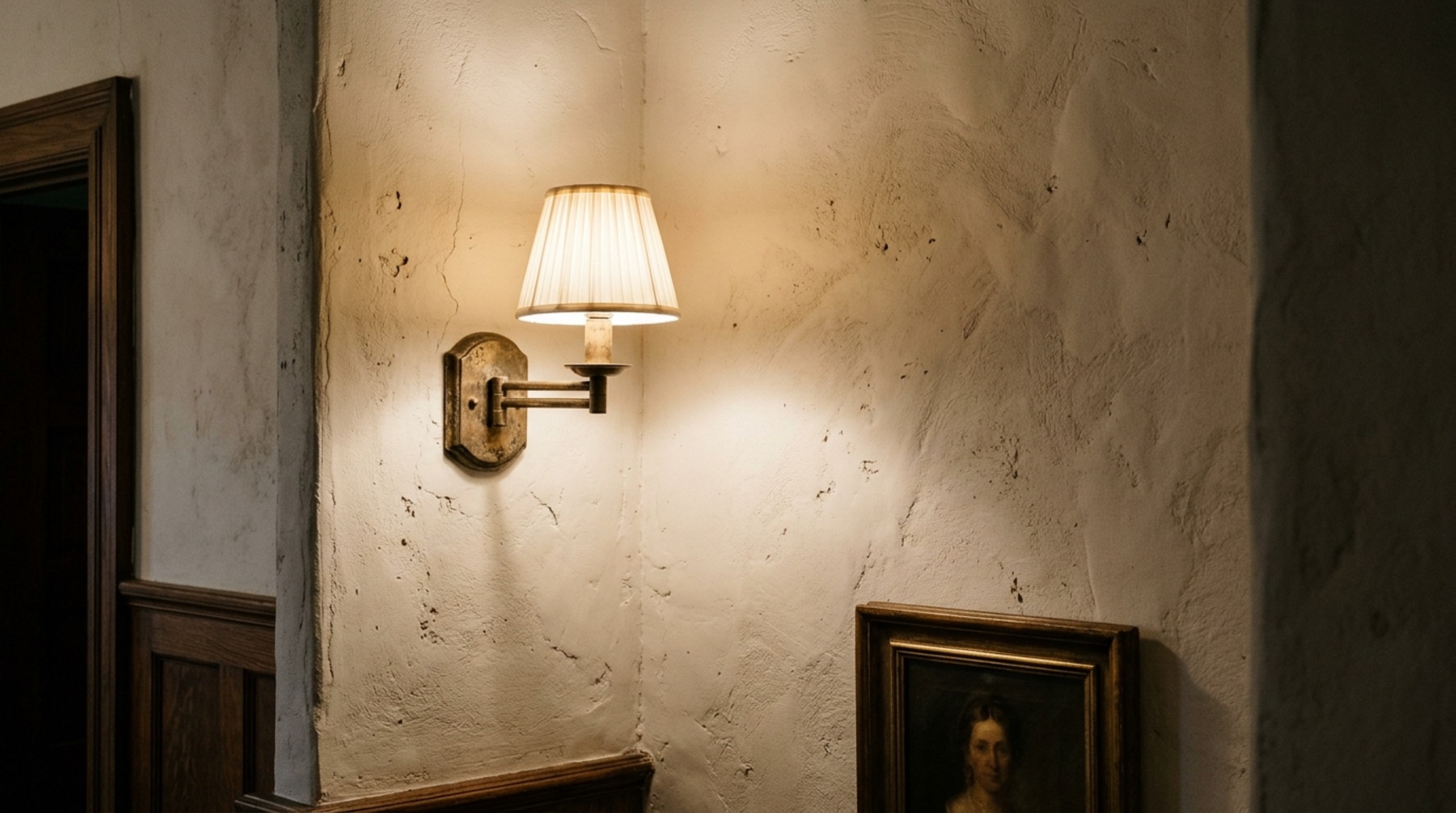
Curated Concept Gallery & Spatial Vignettes
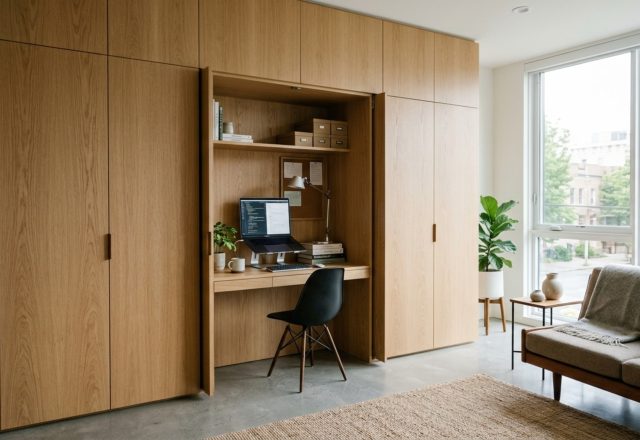
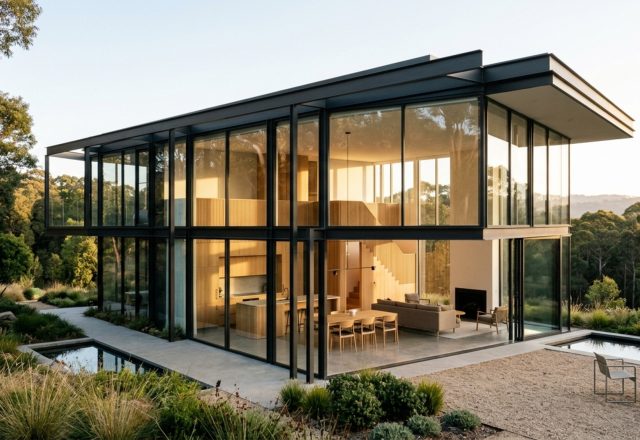
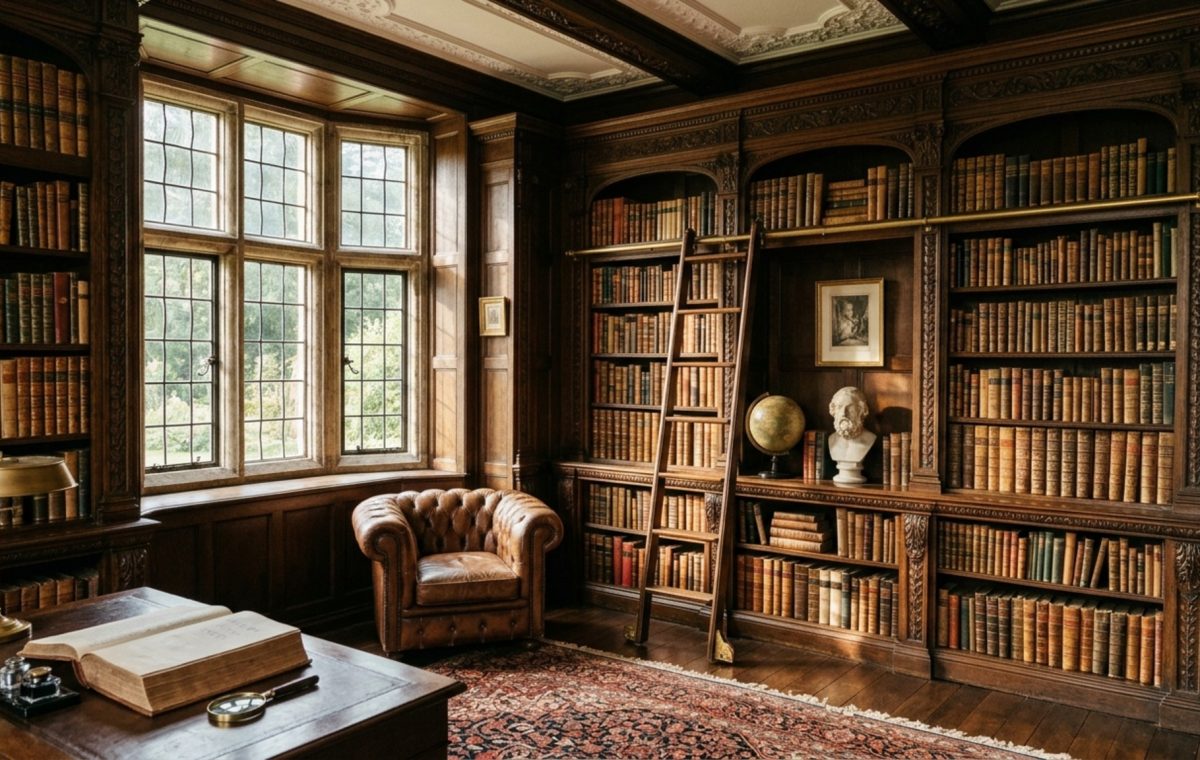
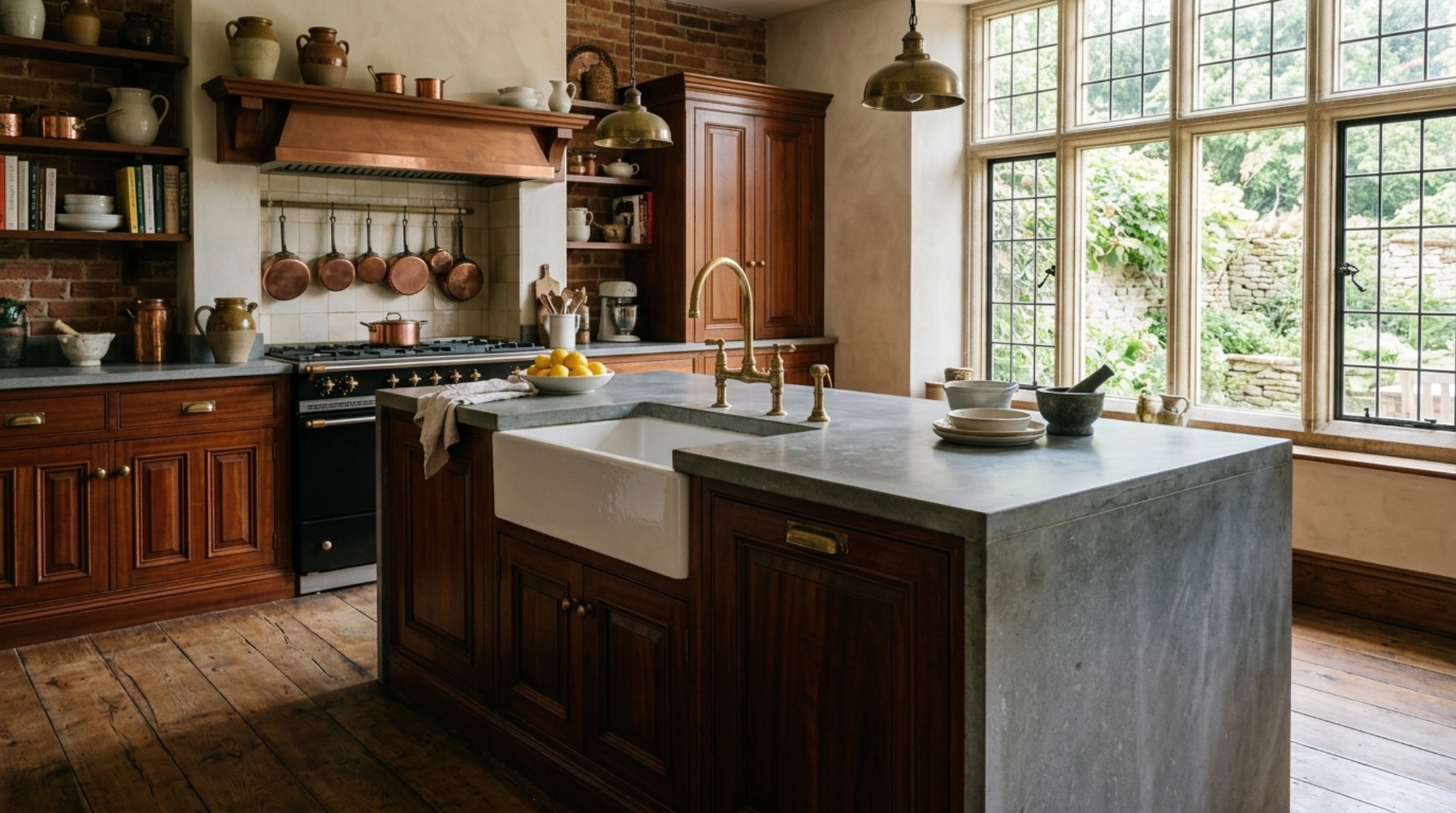
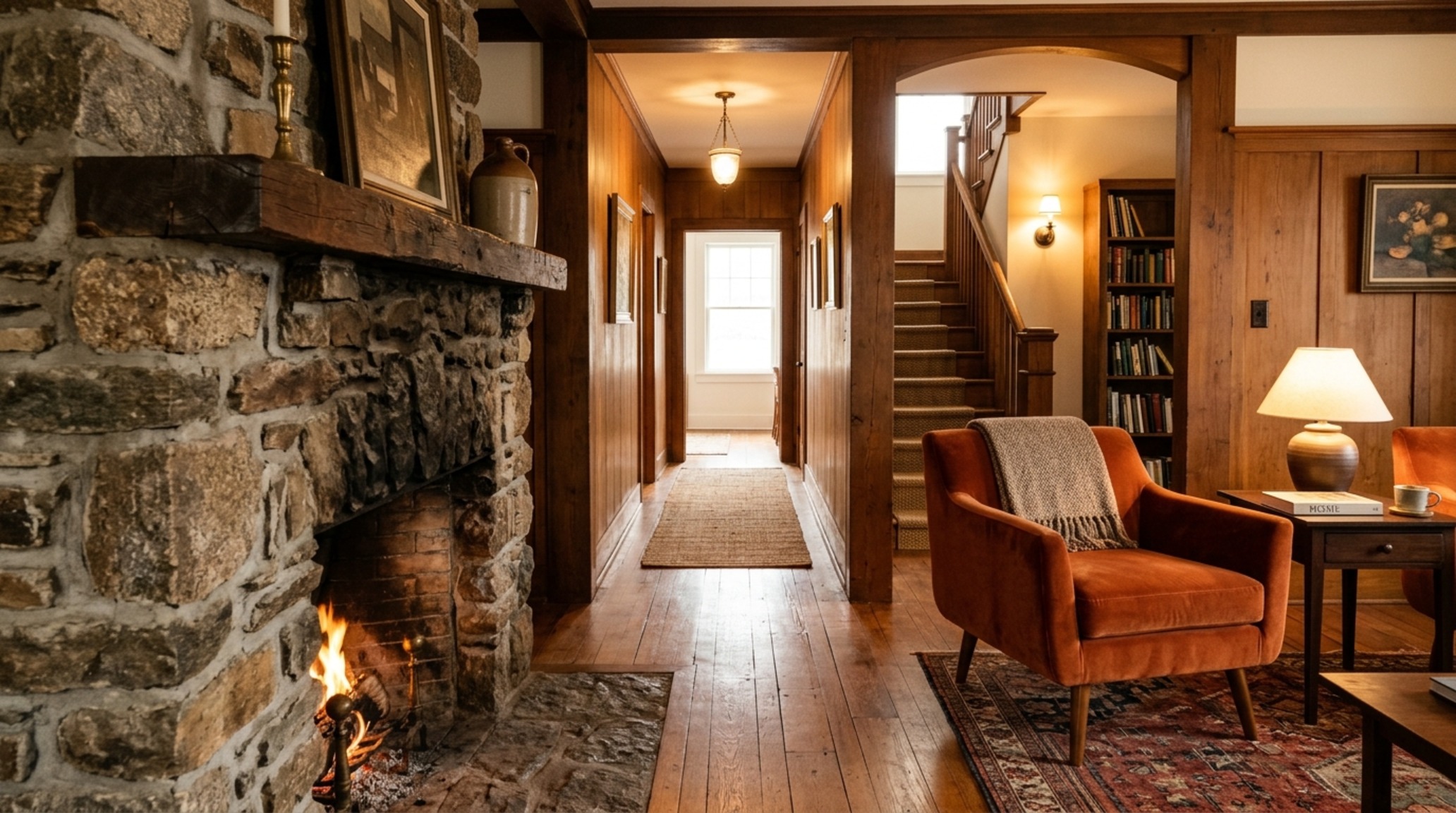
The visual dialogue of an old home is best understood through its details. Notice how a hand-hewn beam provides a rugged counterpoint to a velvet sofa, or how the slight shimmer of wavy glass softens the view of a rainy garden. These vignettes are the results of intentional choices. We look for ‘tactile grounding’—the way a heavy solid-core door feels when it latches, or the coolness of an original cast-iron radiator. By prioritizing these sensory details, the home feels curated rather than ‘decorated.’ It becomes a place where the past isn’t just a memory, but a functional, beautiful participant in the present.
Design Anatomy: Surfaces, Swatches & Clearances
Comprehensive architectural blueprint detailing finishes, paint hex codes, and structural balance.
Ultimately, buying an old house is a romantic endeavor underpinned by structural pragmatism. It is an acknowledgment that while we can build faster today, we rarely build with the same intention of permanence. By embracing the patina of time as your most valuable material, you create a home that doesn’t just shelter the body, but nourishes the senses. The result is a residence that feels as though it has always belonged exactly where it stands, a quiet testament to the enduring power of craftsmanship and the beauty of a life well-lived within historic walls.
Editorial Silo • Recommended Architecture Studies
- Ergonomic Mastery: Functional & Space-Saving Hacks for Interior Design Project Ideas — Archival Design Case Study
- The Structural Poetry of Transparency: Engineering Stability in Modern Glass Houses — Archival Design Case Study
The Architectural Gallery
A tactile photo journey through spatial flow, tonal warmth, and balanced structural geometries.
Curated Visual Lookbook
Design Gallery & Spatial Studies
A visual curation of architectural arrangements, lighting concepts, and material palettes featured in this space.