Bare wood floors tell a story. Every knot, grain, and subtle shade variation adds character to a room. Yet, leaving expansive timber entirely uncovered can sometimes feel cold or acoustically harsh. The art lies in thoughtful restraint. Instead of hiding the craftsmanship under wall-to-wall carpeting, intentional layering brings warmth without erasing the architecture beneath.
The Balance of Wood and Wool
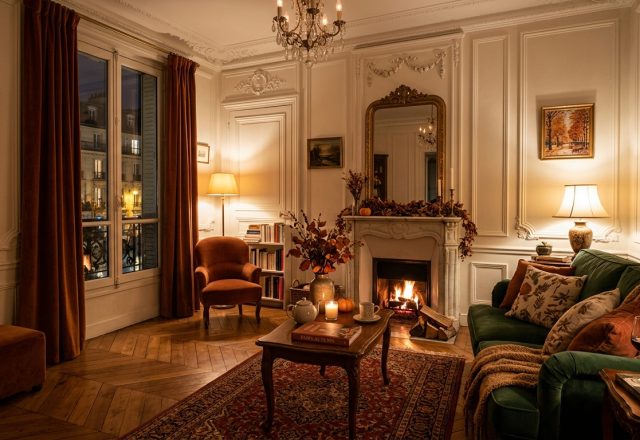
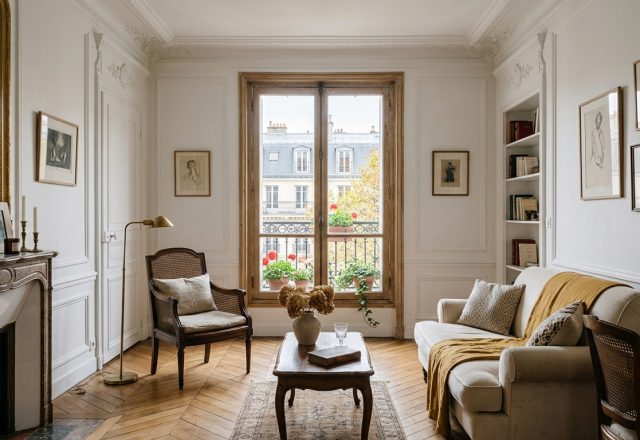
Natural sunlight streams across chevron-patterned floorboards, casting long geometric shadows. This interplay between hard surfaces and soft textiles defines modern functional spaces. Placing an ornate, vintage-inspired rug over pale oak creates visual weight. It anchors a room, guiding the eye rather than overwhelming the field of view. The trick is letting portions of the timber breathe at the edges.
Why Layering Works
Monotony is the enemy of interior depth. When floorboards and furniture share similar tonal ranges, the space flattens out. Introducing a contrasting textile breaks up the visual monotony. A weathered low-profile stool resting near the edge of a rug adds organic height. It is not about crowding every square foot with decor. It is about curation and contrast.
- Choose low-pile rugs to avoid awkward door clearances.
- Expose at least twelve inches of perimeter flooring where possible.
- Mix traditional patterns with clean-lined architectural elements.
- Anchor heavy furniture pieces partially on the textile surface.
Maintenance is another practical consideration. High-traffic zones demand durable fibers that withstand shifting sunlight and daily foot travel. Wool blends and tightly woven vintage carpets age gracefully, developing a rich patina that mirrors the wear on the wood underneath. Avoid overly delicate silks in heavy transition hallways unless you enjoy constant upkeep.
How do you usually balance the warmth of natural wood against the comfort of textiles in your home?
Editorial Lookbook & Photo Collection