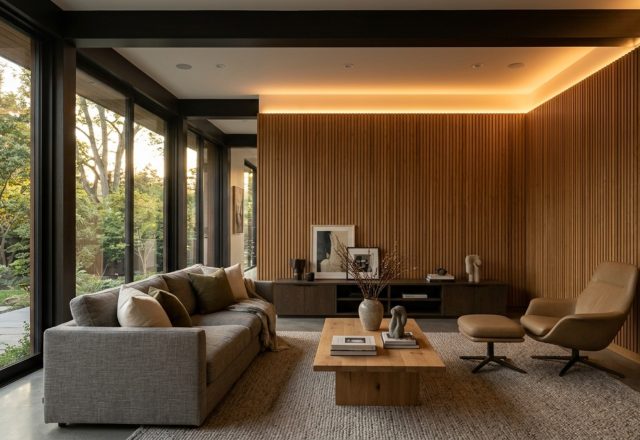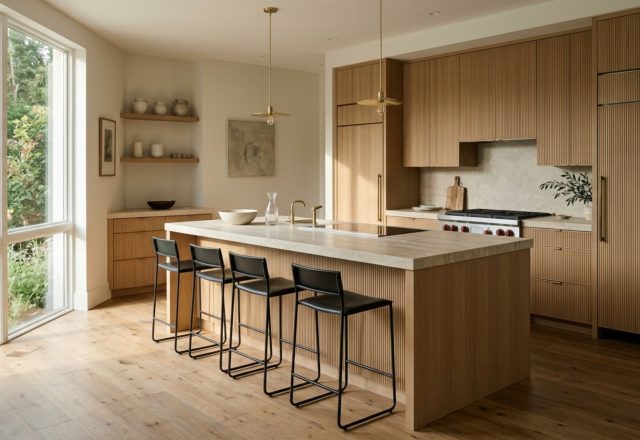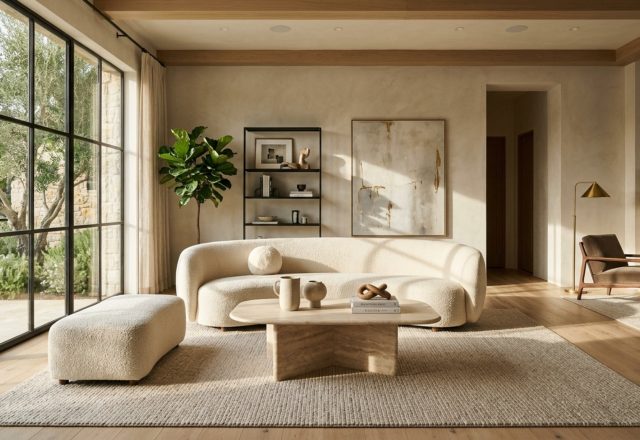
The Structural Soul of the Outdoors
Modern garden decoration ideas are no longer secondary to interior architecture; they are the definitive extension of a home’s structural soul, demanding the same rigor in spatial planning and material selection as any primary living room. When we approach the landscape through the lens of a blueprint, we move past the superficiality of ‘curb appeal’ and into the realm of spatial cadence. It is about how a shadow falls across a honed basalt paver at 4:00 PM, or how a 36-inch primary walkway provides the necessary breathing room for two people to pass without breaking the flow of conversation. The most sophisticated outdoor spaces feel inevitable, not decorated—a result of precise sightline alignment and a deep understanding of negative space.
The transition from the threshold to the garden should feel like a curated shift in atmosphere rather than a departure from design standards. We look at the exterior as a series of outdoor rooms, each defined by floor planes, vertical boundaries, and overhead planes. Whether you are working with a sprawling estate or a constrained urban terrace, the goal is to create a sense of compression and release. By utilizing architectural principles like axial symmetry or rhythmic repetition of plant forms, we can ground even the most ethereal garden in a sense of permanence and intention.
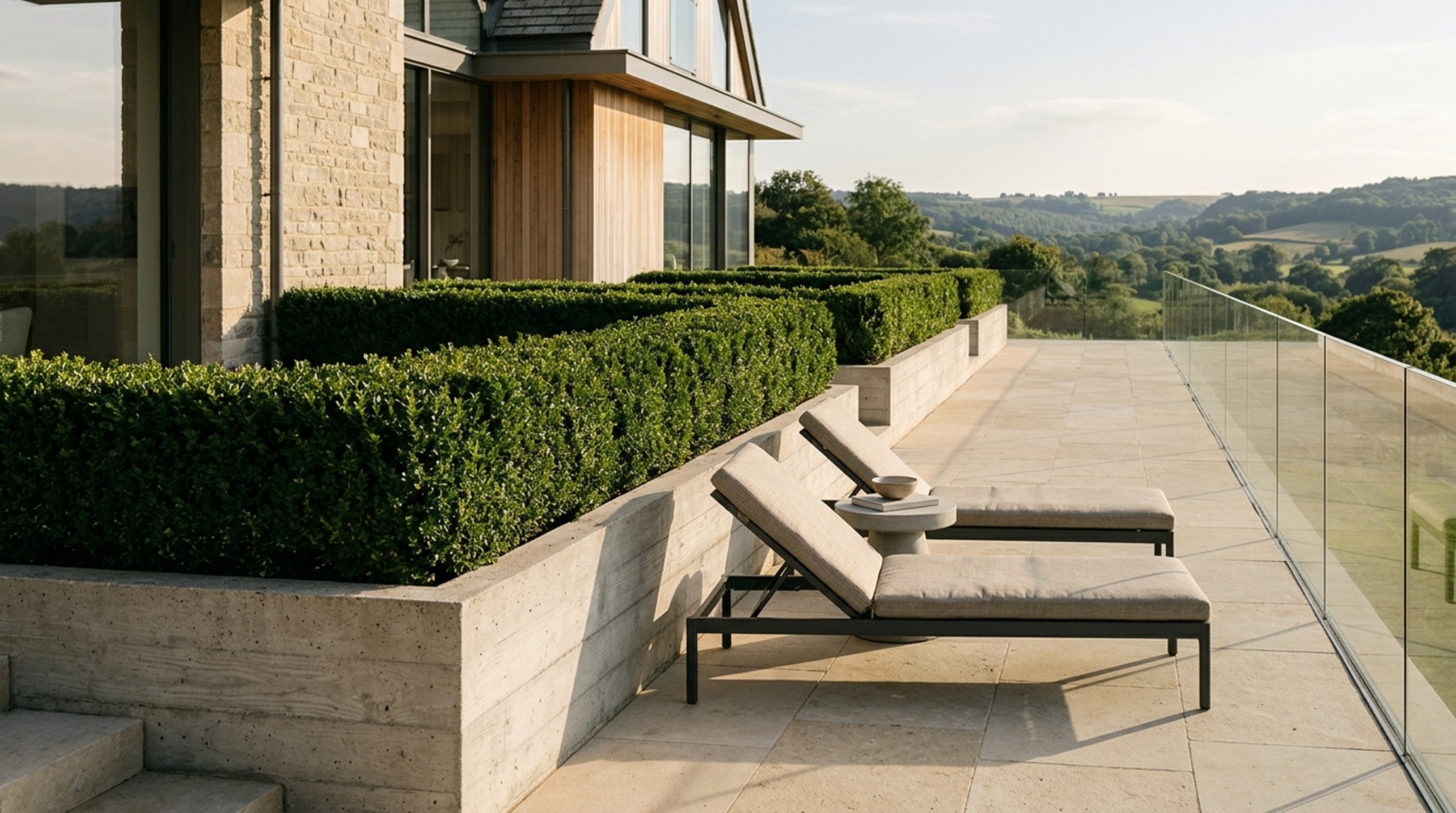
Modern Garden Decoration Ideas: The Geometry of Minimalist Greenspace
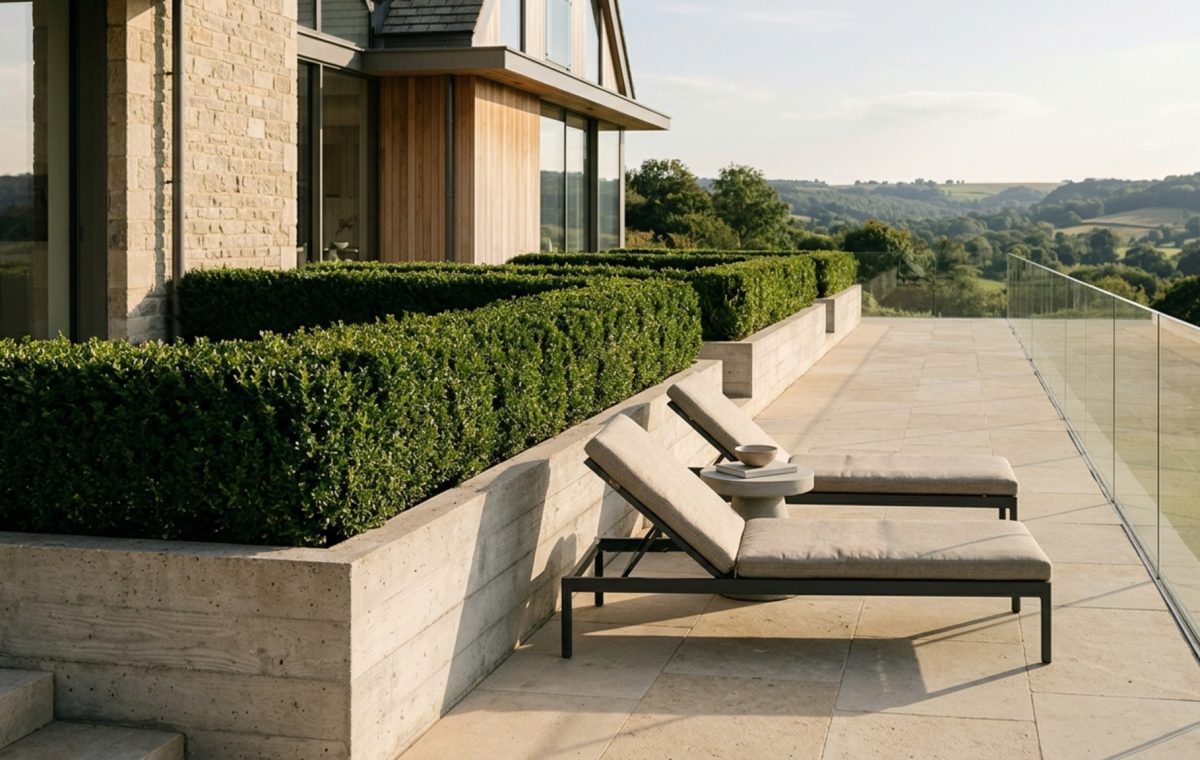
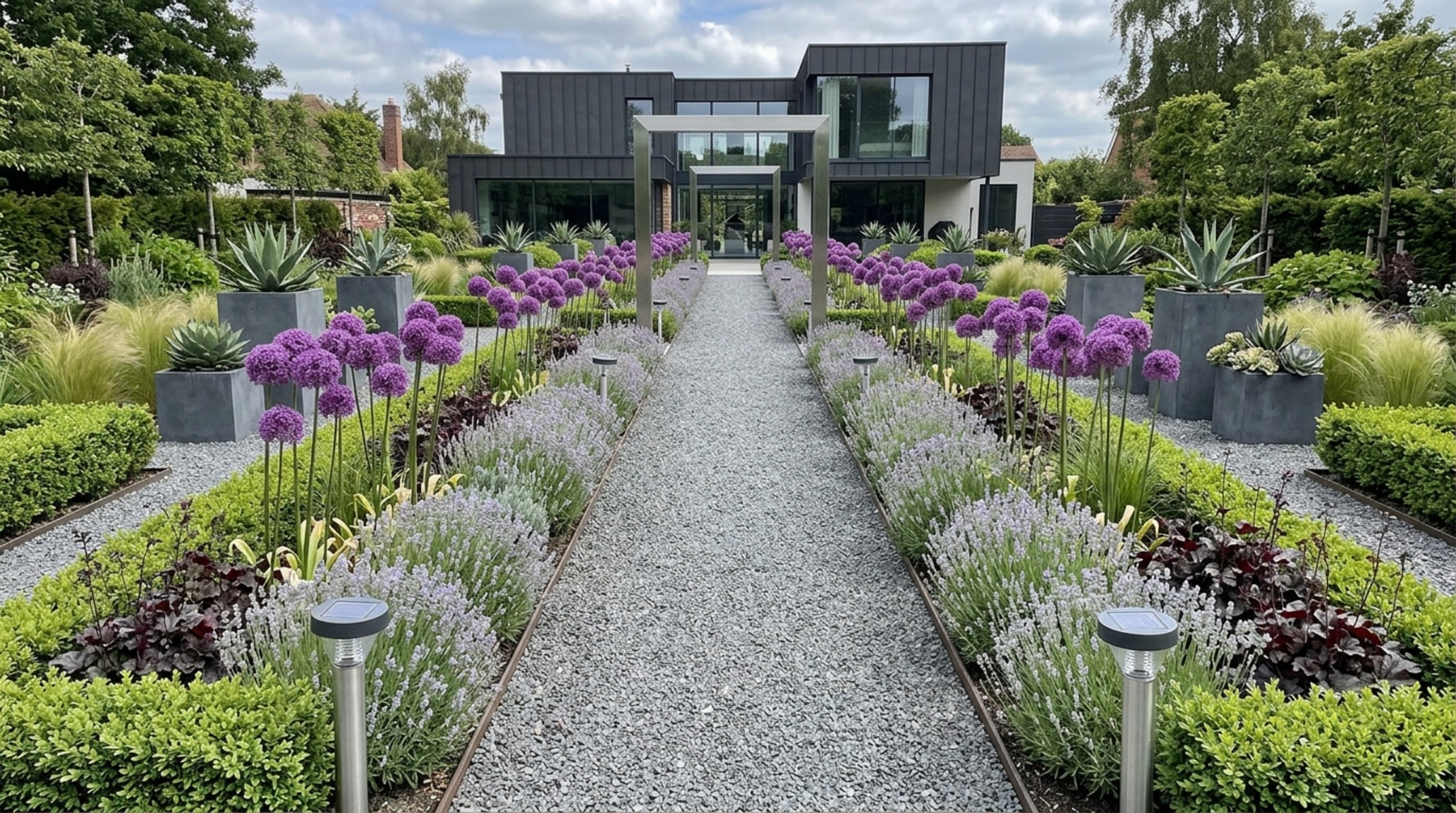
In the contemporary landscape, the focus shifts toward a ‘less but better’ philosophy. Modern garden decoration ideas often lean on the strength of hardscaping to provide structure during the dormant months. Think of low-slung concrete retaining walls that double as integrated seating, or the use of black powder-coated steel to frame a specific view of a Japanese Maple. The geometry here is unapologetic. We utilize 90-degree angles to create a sense of order, balanced by the organic, soft textures of ornamental grasses like Pennisetum alopecuroides ‘Hameln’.
Materiality plays a pivotal role in this minimalist approach. Instead of a chaotic palette, we limit selections to three core elements: perhaps silver-grey Larch decking, off-white smooth render, and weathered zinc accents. This restraint allows the architectural form of the plants—the structural ‘bones’—to take center stage. A single, perfectly placed multi-stem Amelanchier lamarckii becomes a living sculpture when set against a monochromatic backdrop. This is where the dialogue between the built environment and the natural world becomes most articulate, creating a sanctuary that feels both grounded and airy.
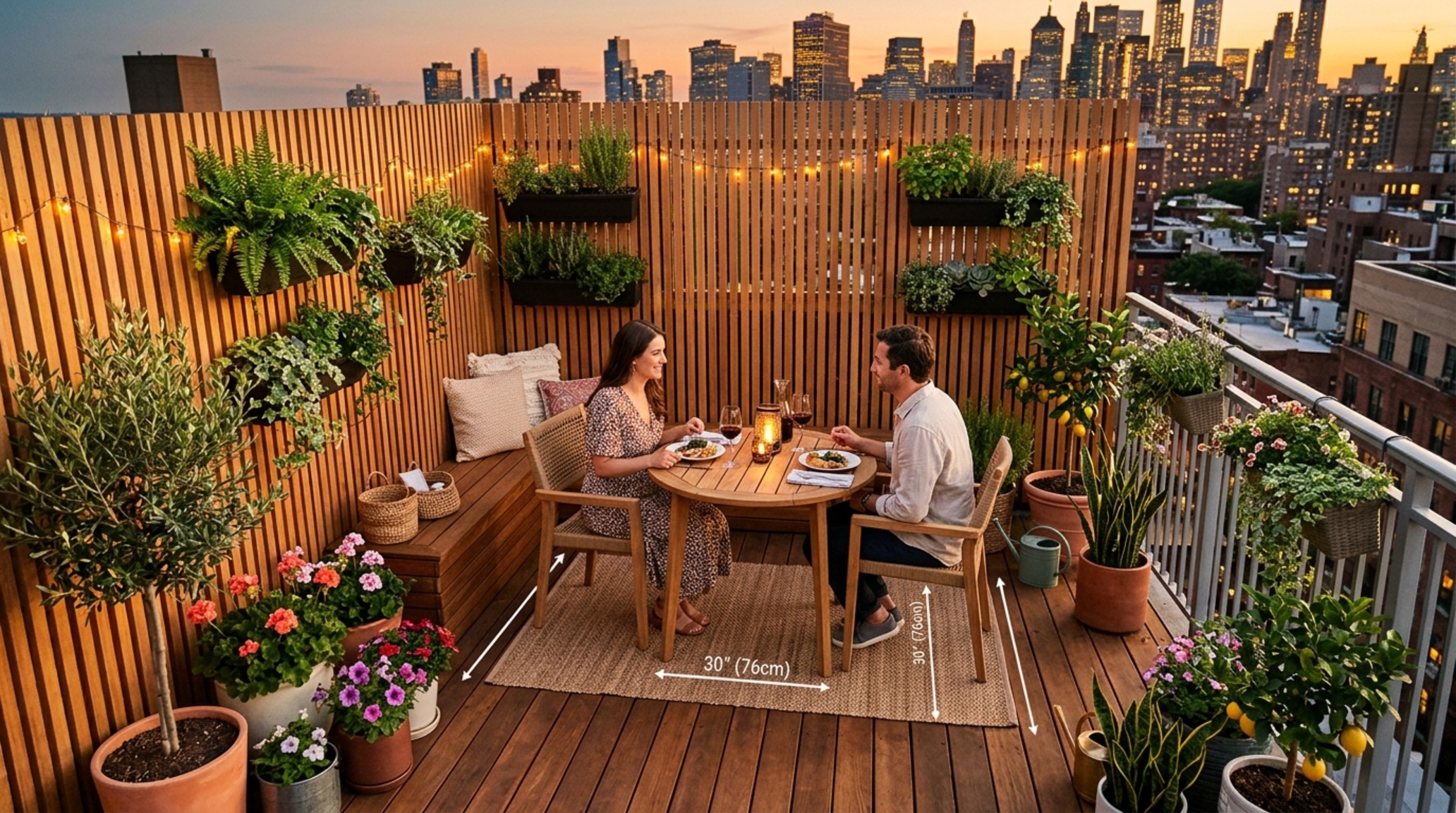
Small Space Garden Decoration Ideas: Maximizing Verticality and Compact Clearances
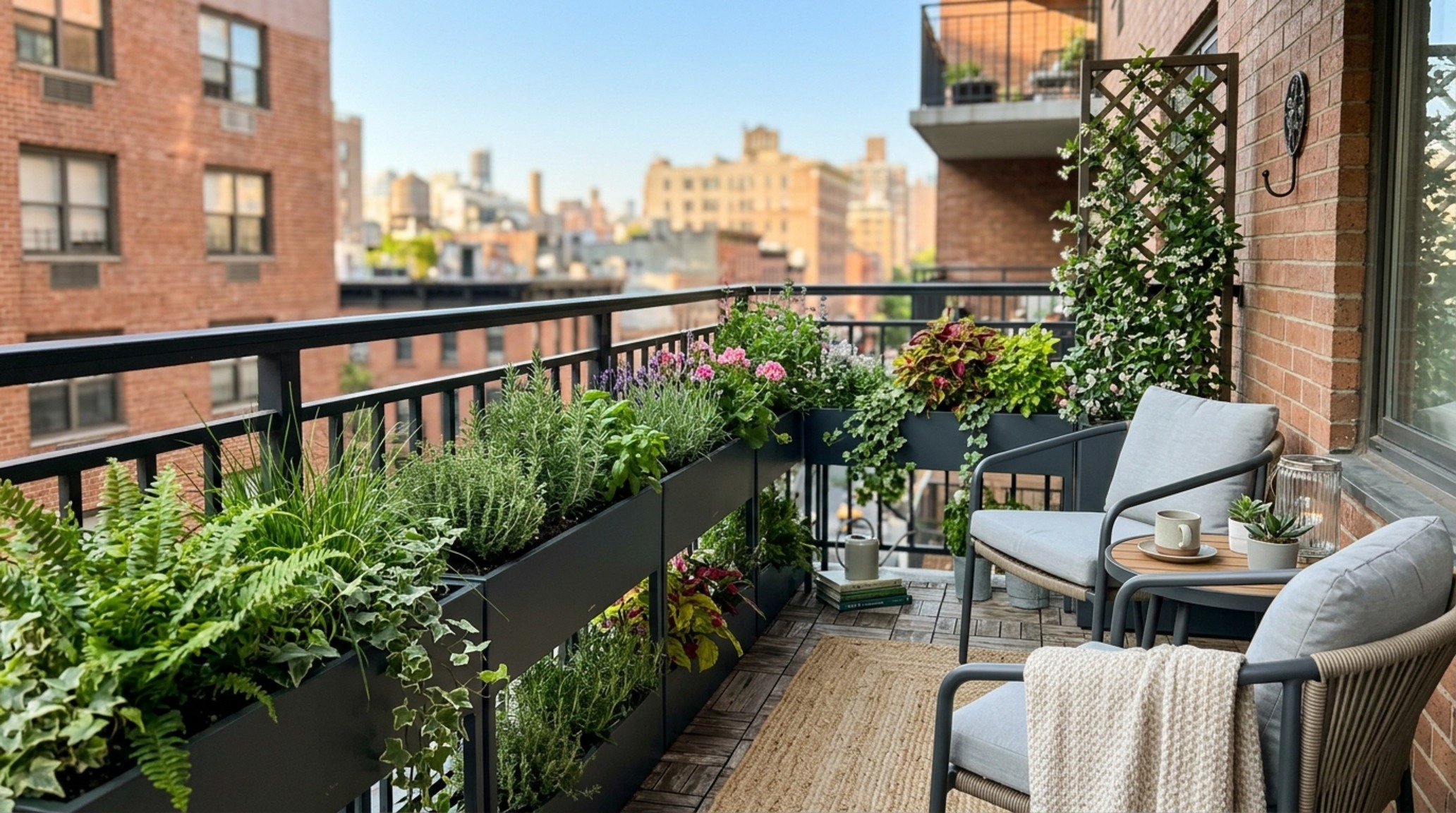
Designing for density requires a surgical level of precision. In urban environments, small space garden decoration ideas must solve the puzzle of utility without sacrificing the poetry of the space. Every inch is scrutinized. We apply the same clearance standards used in high-end kitchen design: a minimum of 30 inches for chair pull-out distance and 18 inches for the relationship between a lounge chair and a side table. To prevent a small patio from feeling claustrophobic, we prioritize the floor plane—keeping it clear of clutter to expand the perceived square footage.
Verticality is the secret weapon of the small-scale designer. Custom-built batten screens in Western Red Cedar provide privacy while allowing light to filter through, creating a dynamic ‘shadow play’ throughout the day. We might employ ‘Setting Plaster’ by Farrow & Ball on a boundary wall to inject a warm, earthy glow that mimics the golden hour, even on overcast days. By layering textures—a smooth stone tabletop against a rugged brick wall—we create visual depth that compensates for the lack of physical distance. It is about the intimate details: the way a brass wall spout drips into a blackened steel rill, providing a sonic layer that masks city noise.
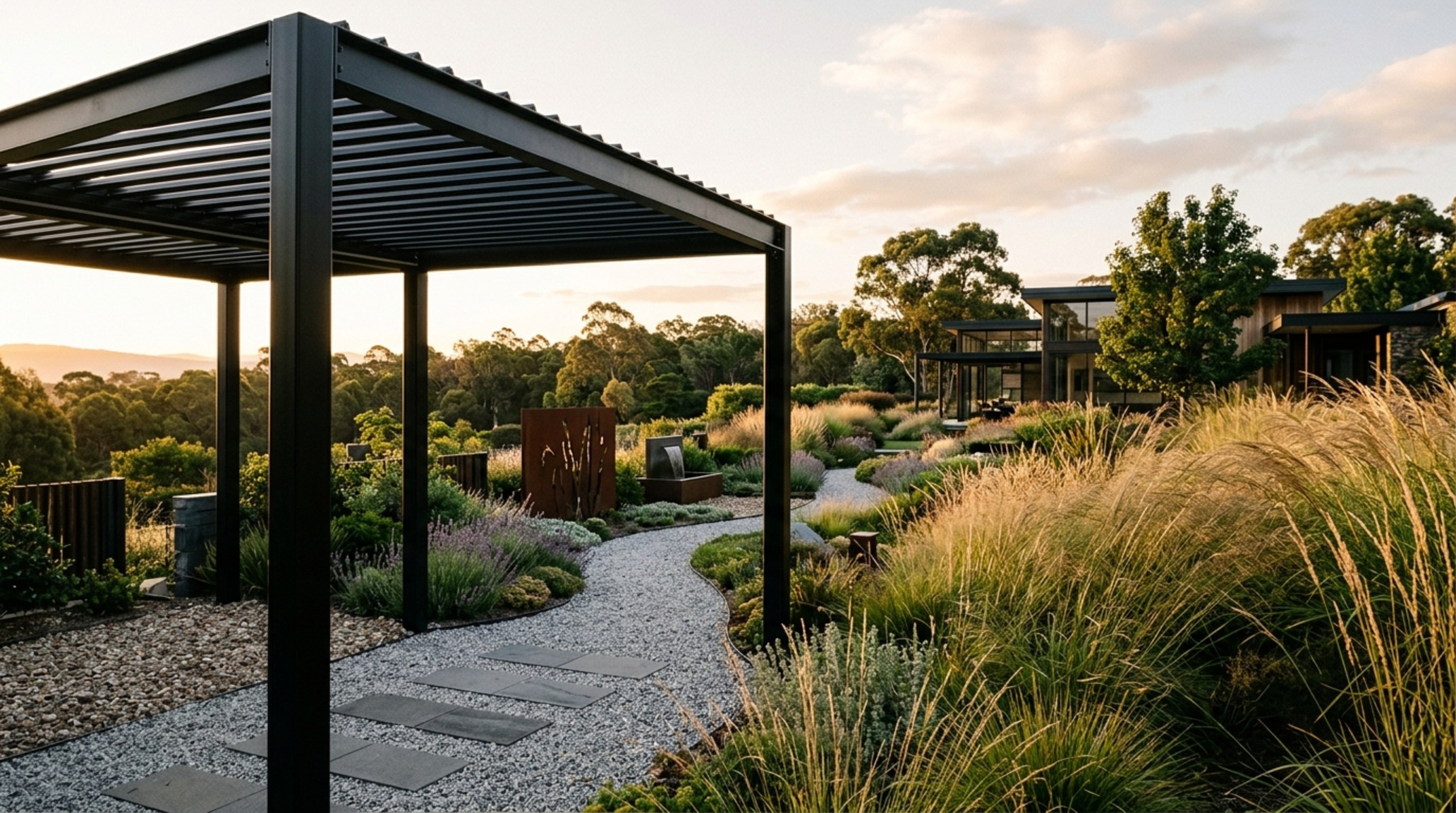
Architectural Details & Spatial Cadence
The rhythm of a garden is established through the repetition of elements that guide the eye and the body. We consider the ‘pace’ of a walk—using oversized 48-inch square pavers separated by 4-inch gaps of Mexican Beach Pebble to slow the visitor down, encouraging them to notice the tactile qualities of the surrounding flora. This is the essence of spatial cadence. It is the architectural heartbeat of the garden. We are not just placing objects; we are choreographing an experience of movement and stillness.
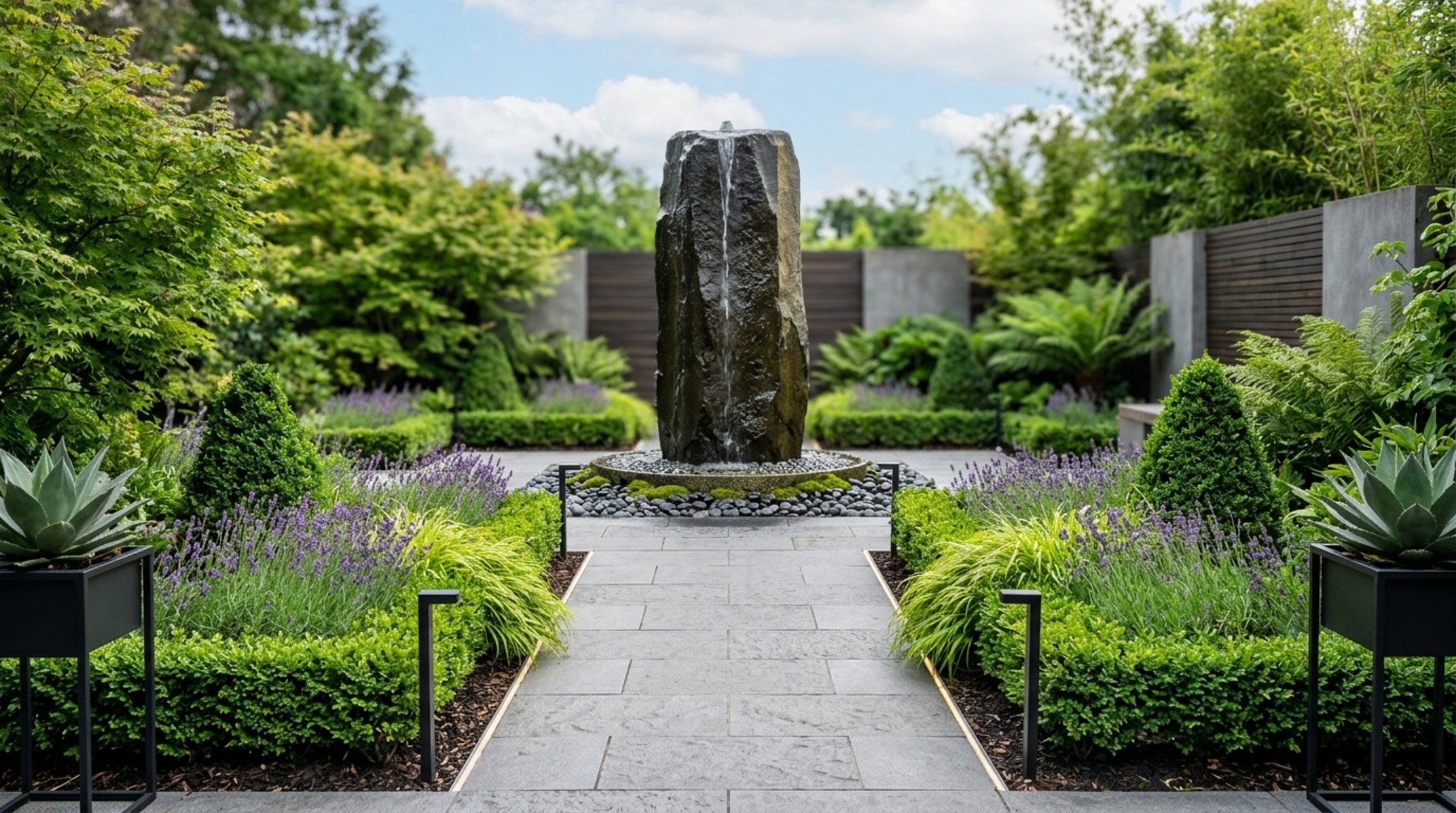
Sightlines are equally vital. From the primary interior viewing point—usually a kitchen window or glass bifold door—there should be a clear ‘anchor’ in the garden. This could be a monolithic stone water feature or a curated cluster of oversized terracotta planters. By aligning these outdoor focal points with internal axes, the garden feels like a seamless extension of the architecture. The use of ‘negative space’—areas of lawn or gravel that remain intentionally empty—provides the necessary visual ‘breathing room’ that allows the more decorative elements to resonate with clarity and power.
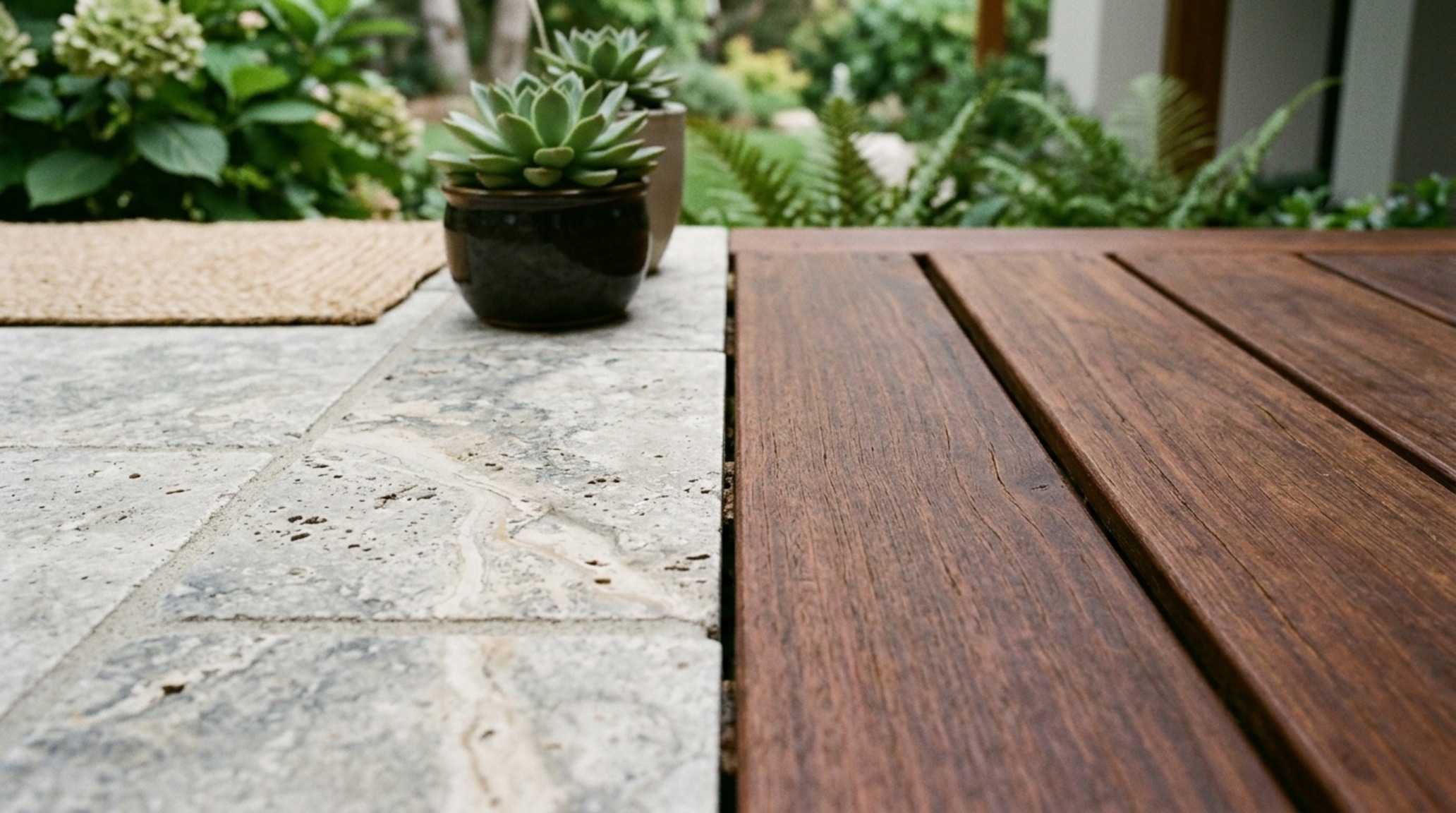
Luxury Garden Decoration Ideas Textures: Tactile Sophistication
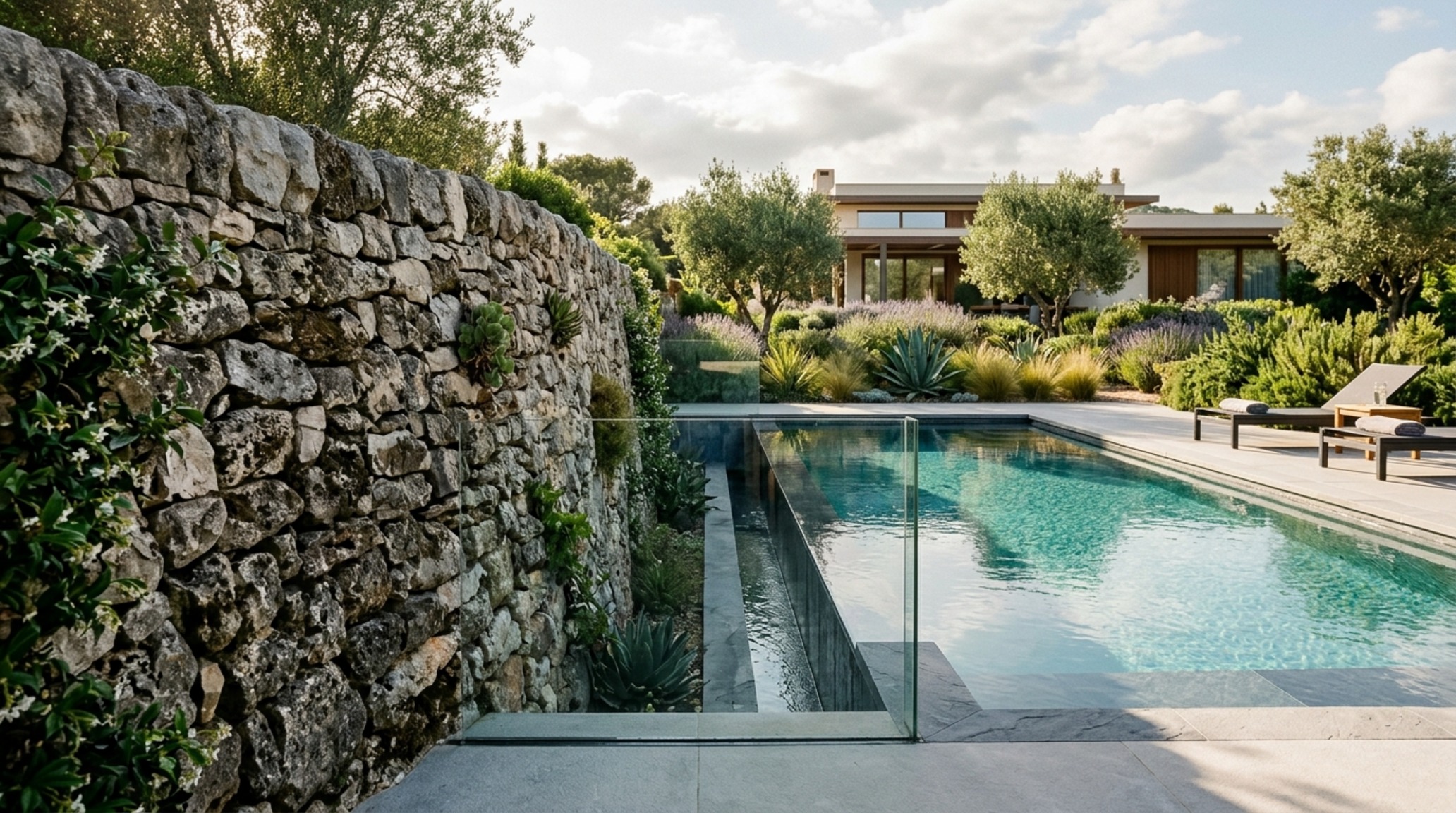
Luxury is defined by the integrity of materials and the mastery of their application. When exploring luxury garden decoration ideas textures, we look for finishes that will patina gracefully over time. Honed travertine, with its buttery, matte surface, offers a sophisticated alternative to standard paving. When paired with Ipe wood decking—known for its incredible density and rich, cognac hues—the result is a high-contrast, high-tactility environment that feels incredibly grounded. These materials are chosen not just for their aesthetic, but for their thermal properties and how they feel underfoot.
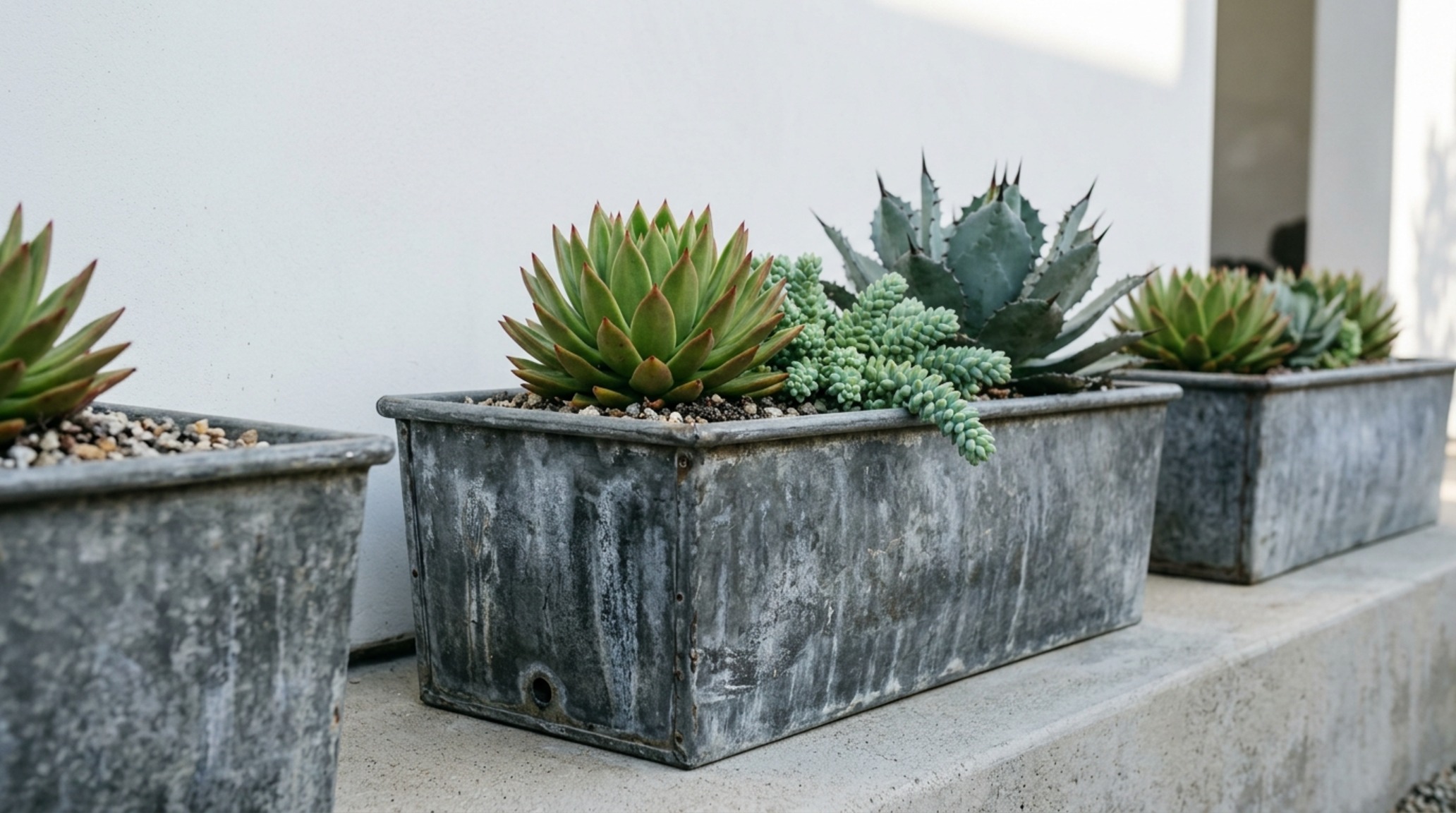
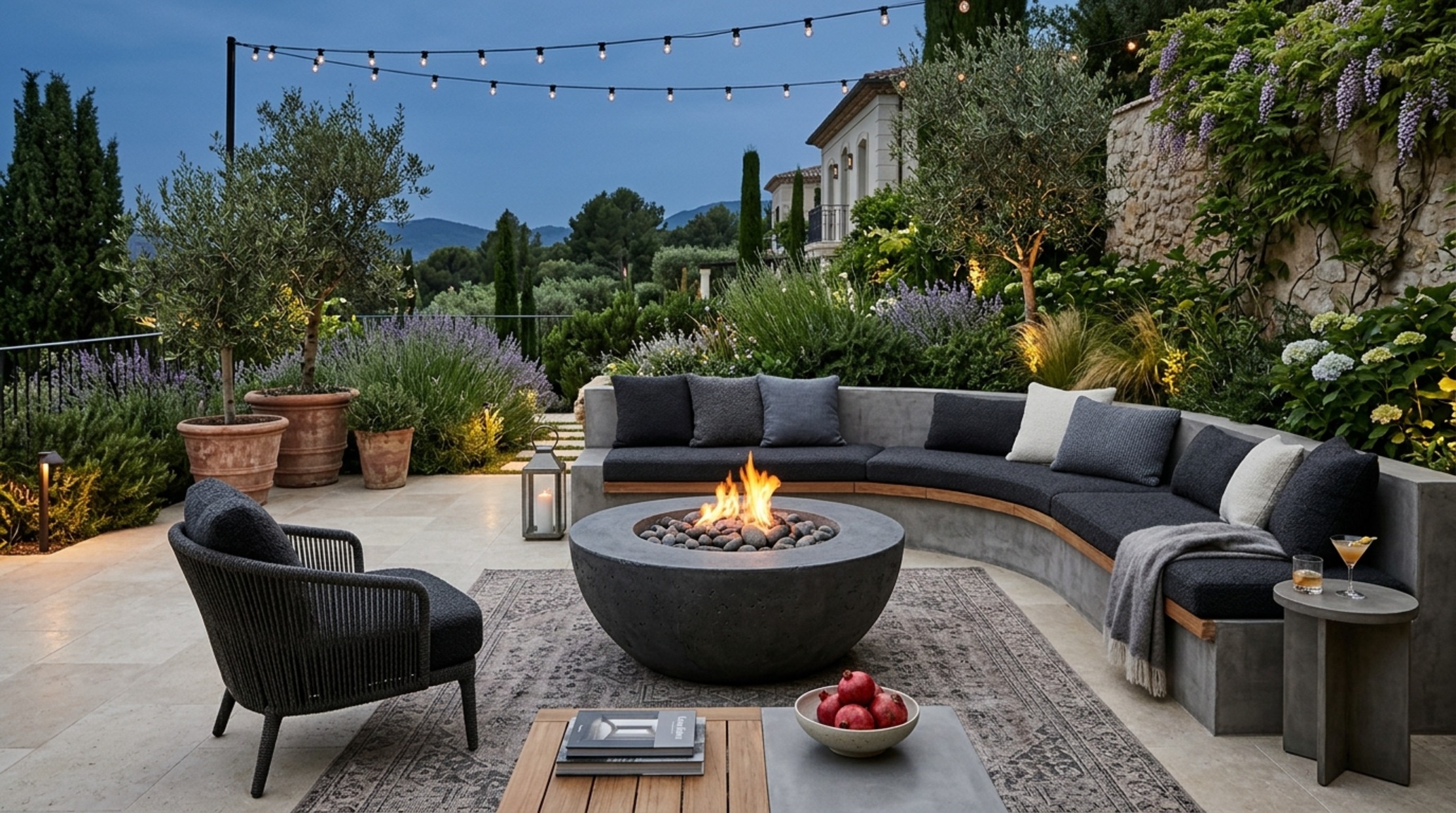
We also look at the ‘soft’ architecture—the textiles and organic layers. High-performance outdoor fabrics in flaxen weaves or deep charcoal bouclé bring the comfort of the indoors out. The interplay between the rigid (a custom-cast concrete fire table) and the fluid (oversized linen outdoor drapes) creates a sensory richness that is the hallmark of luxury design. Even the choice of mulch matters; using a dark, fine-textured pine bark creates a uniform, velvet-like floor that makes the vibrant greens of Hosta ‘Sum and Substance’ or the architectural spikes of Agave parryi pop with editorial intensity.
Garden Decoration Ideas Lighting Guide: Sculpting After-Dark Narratives
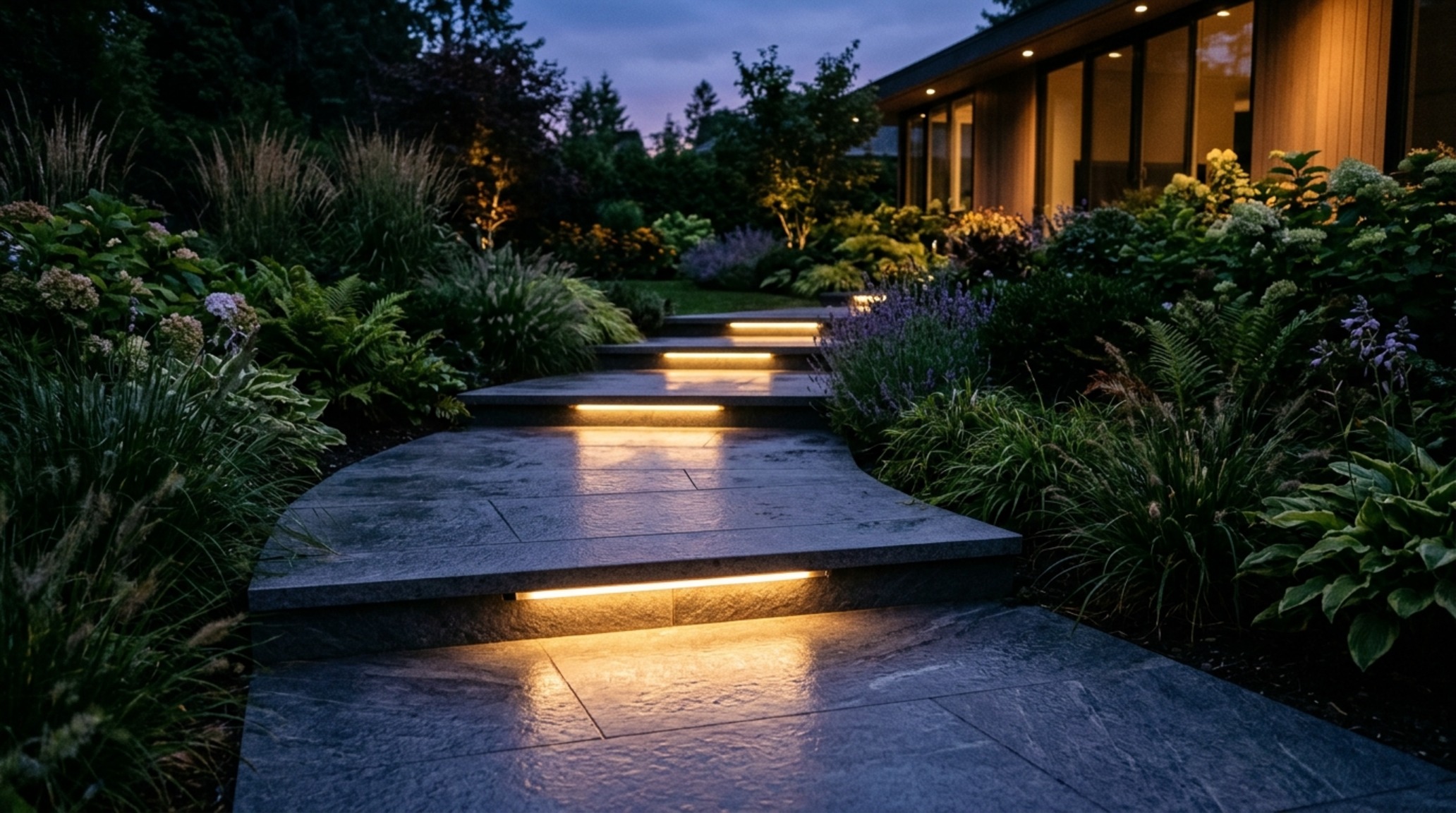
Lighting is the final layer of the architectural blueprint, yet it is often the most misunderstood. A comprehensive garden decoration ideas lighting guide prioritizes subtlety over brightness. We avoid ‘flooding’ a space with light, which flattens the landscape. Instead, we use a layered approach: ambient, task, and accent lighting. To maintain a warm, inviting atmosphere, we specify 2700K warm white LEDs with a high Color Rendering Index (CRI 90+) to ensure the true colors of the foliage and materials are preserved after sunset.
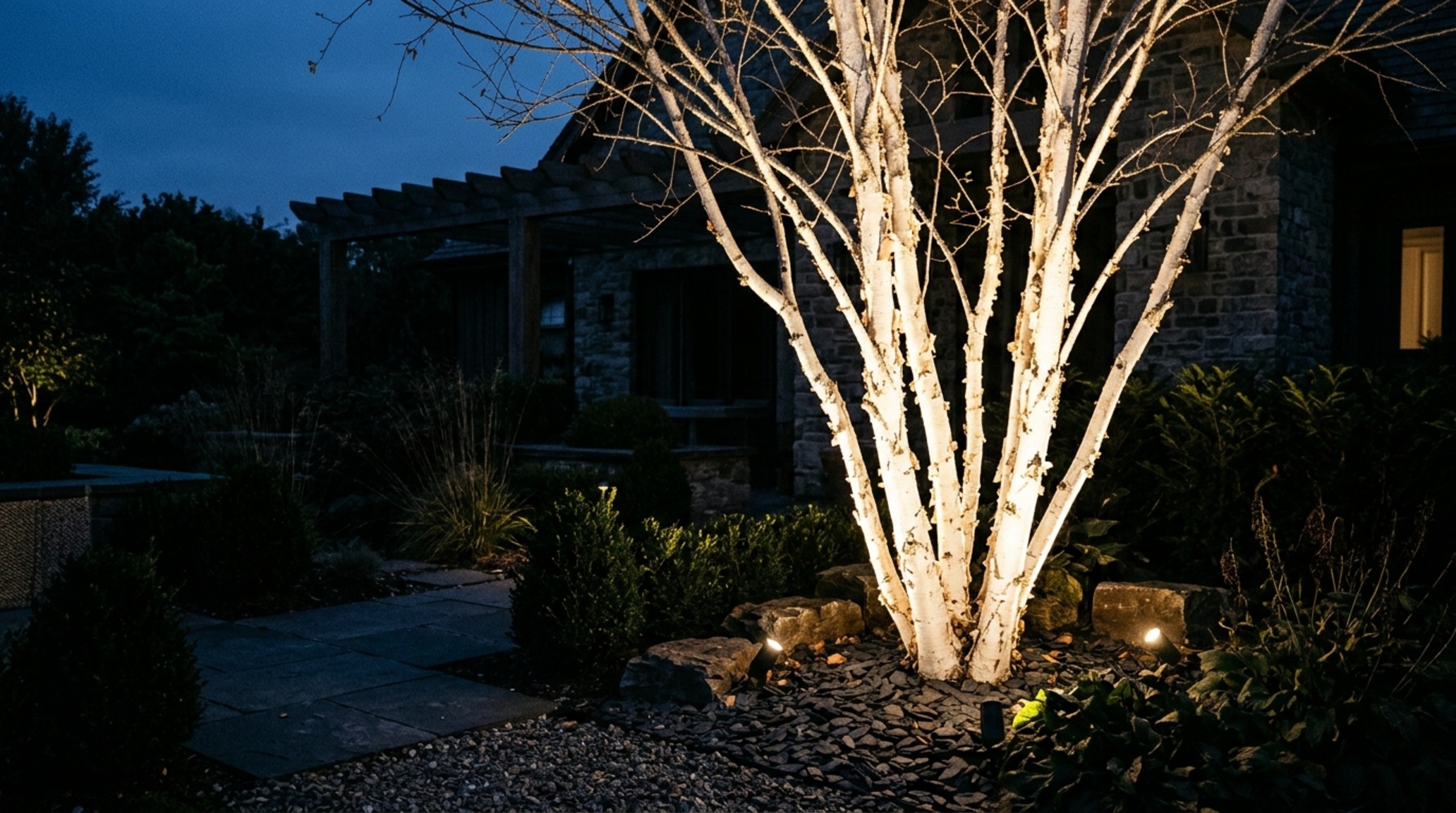
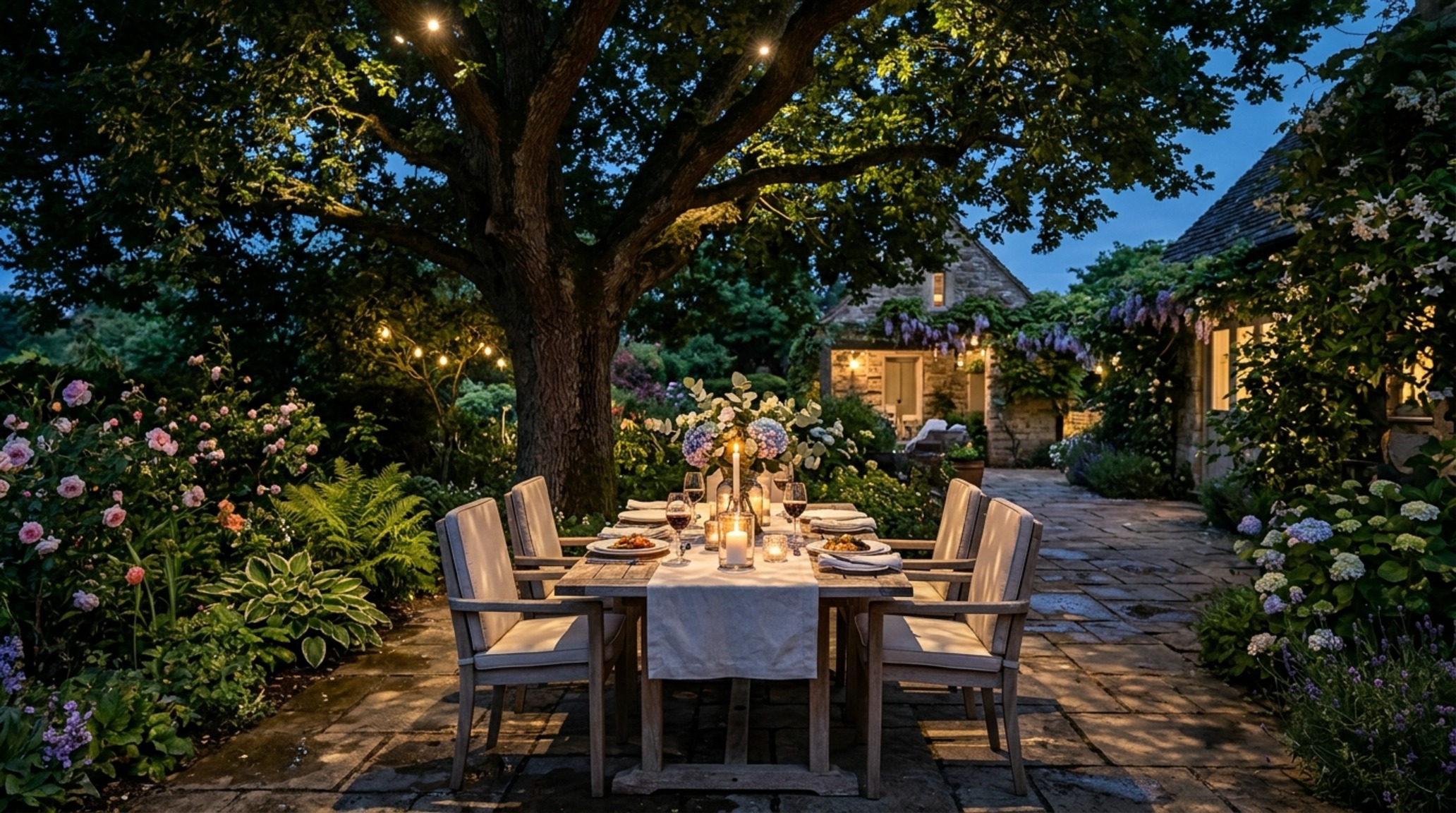
Directional uplighting on a specimen tree—like a Himalayan Birch with its ghost-white bark—creates a dramatic focal point that draws the eye out into the darkness. Path lighting should be low-level and shielded, casting pools of light onto the ground to guide movement without causing glare. For dining areas, we might incorporate a ‘moonlighting’ effect by placing small, wide-angle fixtures high in the canopy of a tree, casting dappled shadows across the table that mimic the natural light of a full moon. This creates a deeply immersive, cinematic quality that transforms the garden into an entirely different, more intimate world at night.
Design Anatomy: Surfaces, Swatches & Clearances
Comprehensive material guide featuring exact paint swatches, authentic finishes, and spatial clearances.
True design longevity in the garden is found in the equilibrium between rigid structural intent and the soft, unpredictable beauty of growth. As we move away from static decoration and toward architectural fluidity, the outdoor space becomes more than a view—it becomes a living vessel for daily ritual. By honoring the clearances of the human body and the integrity of the earth’s finest materials, we build landscapes that do not merely exist but resonate. The garden is the final frontier of the home, a place where the precision of the blueprint finally meets the infinite grace of the horizon.
Editorial Silo • Recommended Architecture Studies
- Ergonomic Mastery: Functional & Space-Saving Hacks for Wall Panels Interior Design — Archival Design Case Study
- The Science of Living: Create Your Own House Design & Precision Ergonomics and Strategic Layout Engineering — Archival Design Case Study
Editorial Photo Collection
Visual studies exploring spatial ergonomics, material authenticity, and balanced natural light.
Curated Visual Lookbook
Design Gallery & Spatial Studies
A visual curation of architectural arrangements, lighting concepts, and material palettes featured in this space.