The Architecture of Intimacy: Balancing Scale and Soul
How much of our domestic peace is sacrificed at the altar of rigid, oversized silhouettes that refuse to breathe within a compact floor plan? The thoughtful integration of modern rustic furniture serves as the definitive architectural solution to this tension, offering a bridge between the raw, soulful honesty of natural timber and the lean, ergonomic precision required for contemporary urban living. We often find ourselves caught in a design dichotomy: the desire for the tactile warmth of a mountain lodge versus the spatial necessity of a minimalist loft. However, the evolution of the ‘modern rustic’ aesthetic has moved beyond mere stylistic preference; it has become a masterclass in spatial efficiency and ergonomic mastery.
When we discuss ergonomics in the home, we aren’t just talking about the lumbar support of a task chair. We are discussing the ‘spatial cadence’ of a room—the way your body moves through a 36-inch primary circulation path or the effortless 18-inch reach from a sofa to a coffee table. Modern rustic design, when executed with architectural intent, utilizes materials like reclaimed white oak, honed travertine, and blackened steel to create a sense of ‘tactile grounding.’ This grounding effect anchors a room, making even the smallest footprint feel intentional rather than cramped. It is about creating negative space breathing room, where the furniture doesn’t just occupy volume but enhances the flow of light and movement.
Small Space Modern Rustic Furniture: The Art of the Multitasker
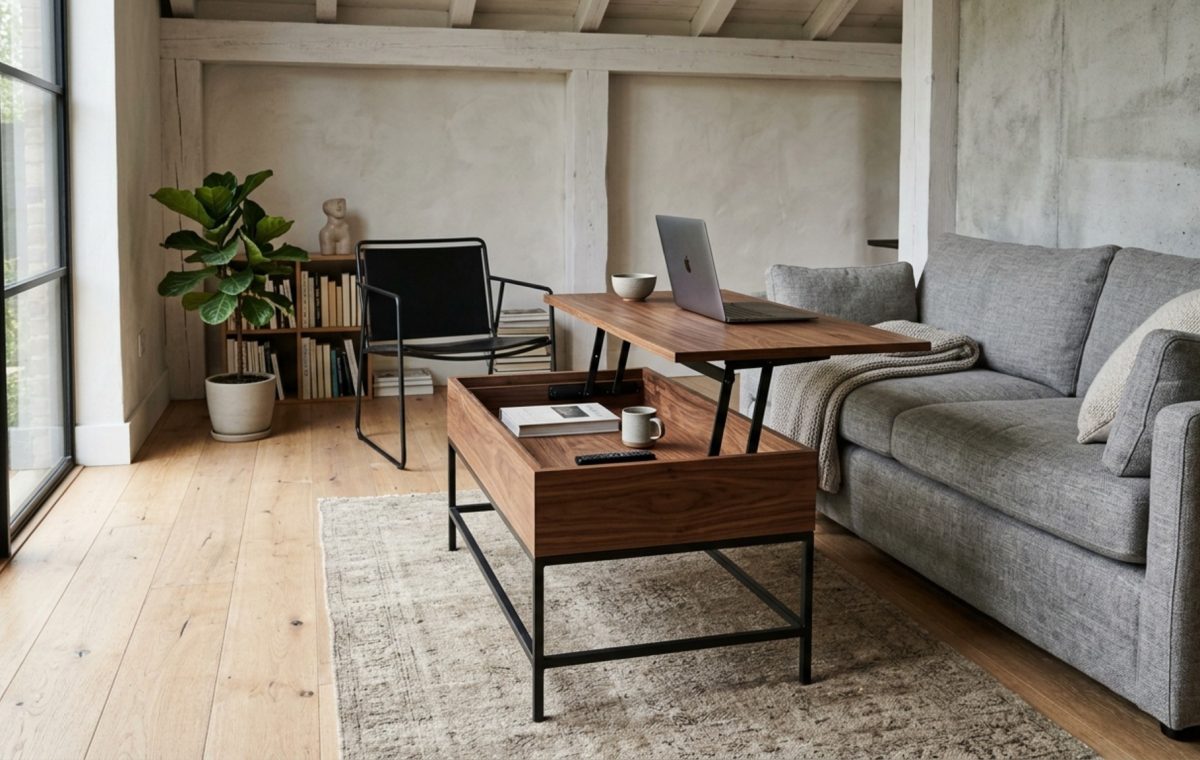
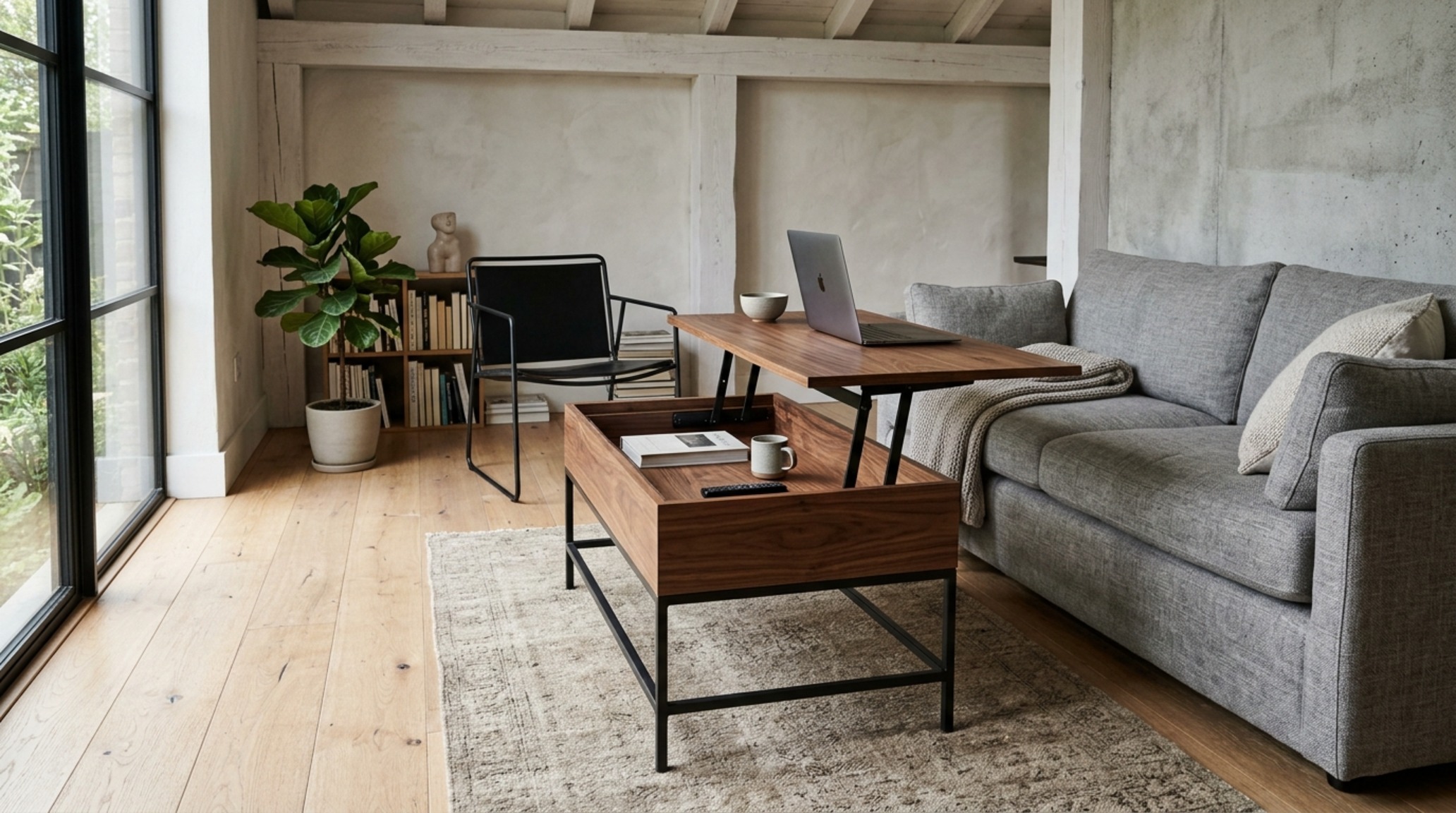
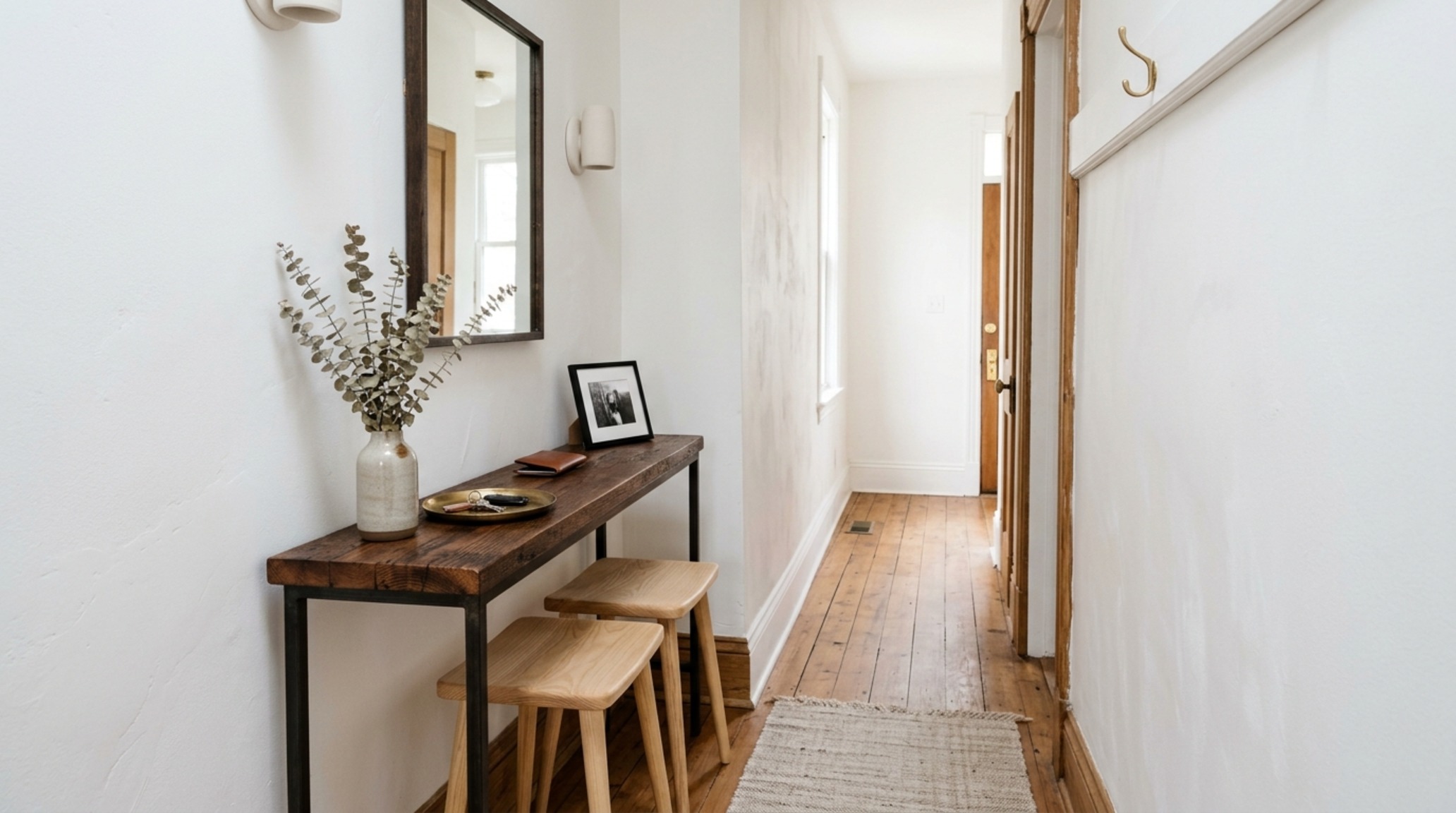
In the constraints of a metropolitan floor plan, every square inch must earn its keep. The secret to small space modern rustic furniture lies in the ‘hidden utility’—pieces that perform a silent choreography of transformation. Consider the lift-top coffee table, a staple of the functional rustic home. Traditionally, these were bulky, chest-like objects. The modern iteration, however, features a slim profile with a live-edge walnut top supported by a recessed steel plinth. This creates a ‘floating’ effect that maintains the floor plane’s visibility, which is a crucial trick for making a room feel larger.
Ergonomically, these pieces are designed to transition from a 16-inch tea height to a 24-inch laptop height, accommodating the shift from relaxation to productivity without requiring a dedicated home office. Similarly, nested stools in wire-brushed ash provide extra seating for guests but tuck away into the footprint of a side table when the evening ends. By prioritizing verticality and multi-functional silhouettes, we can maintain those vital 30-inch clearances around dining areas, ensuring that the ‘path of least resistance’ is always preserved within the home’s architecture.
Curated Visual Narrative & Detail Studies
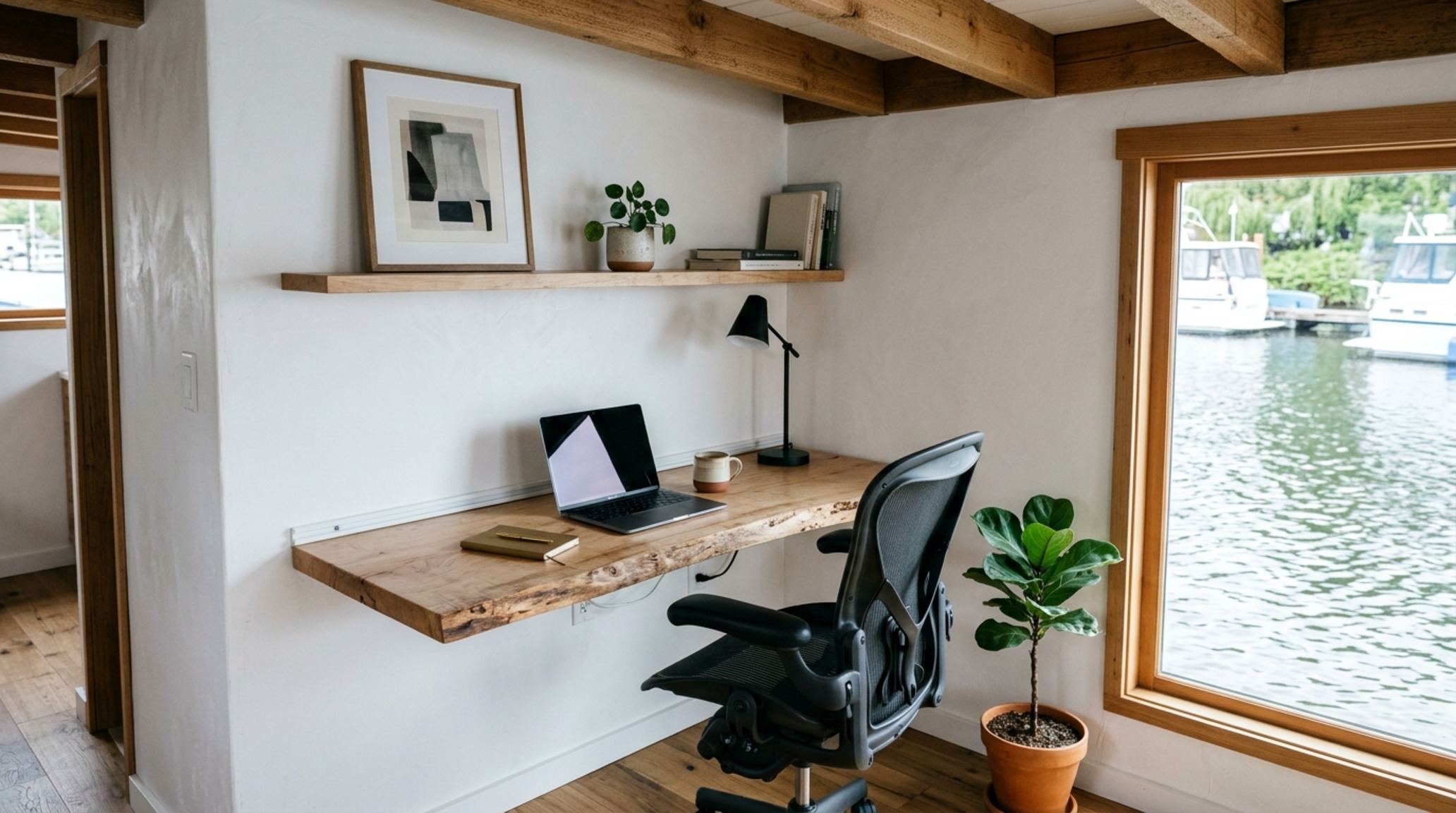
To truly understand the impact of these pieces, one must look at the intersection of material and light. A rustic dining table isn’t just a surface; it’s a sensory experience. By pairing a heavy, reclaimed timber top with slender, tapered legs, the designer lightens the visual load. This ‘weight distribution’ allows the eye to travel through the piece rather than hitting a solid wall of wood. This is where the concept of ‘sightline alignment’ becomes vital—ensuring that the furniture height never obstructs the natural light pouring in from a window or the transition between the kitchen and the living zone.
Modern Modern Rustic Furniture Ideas for Open-Plan Living
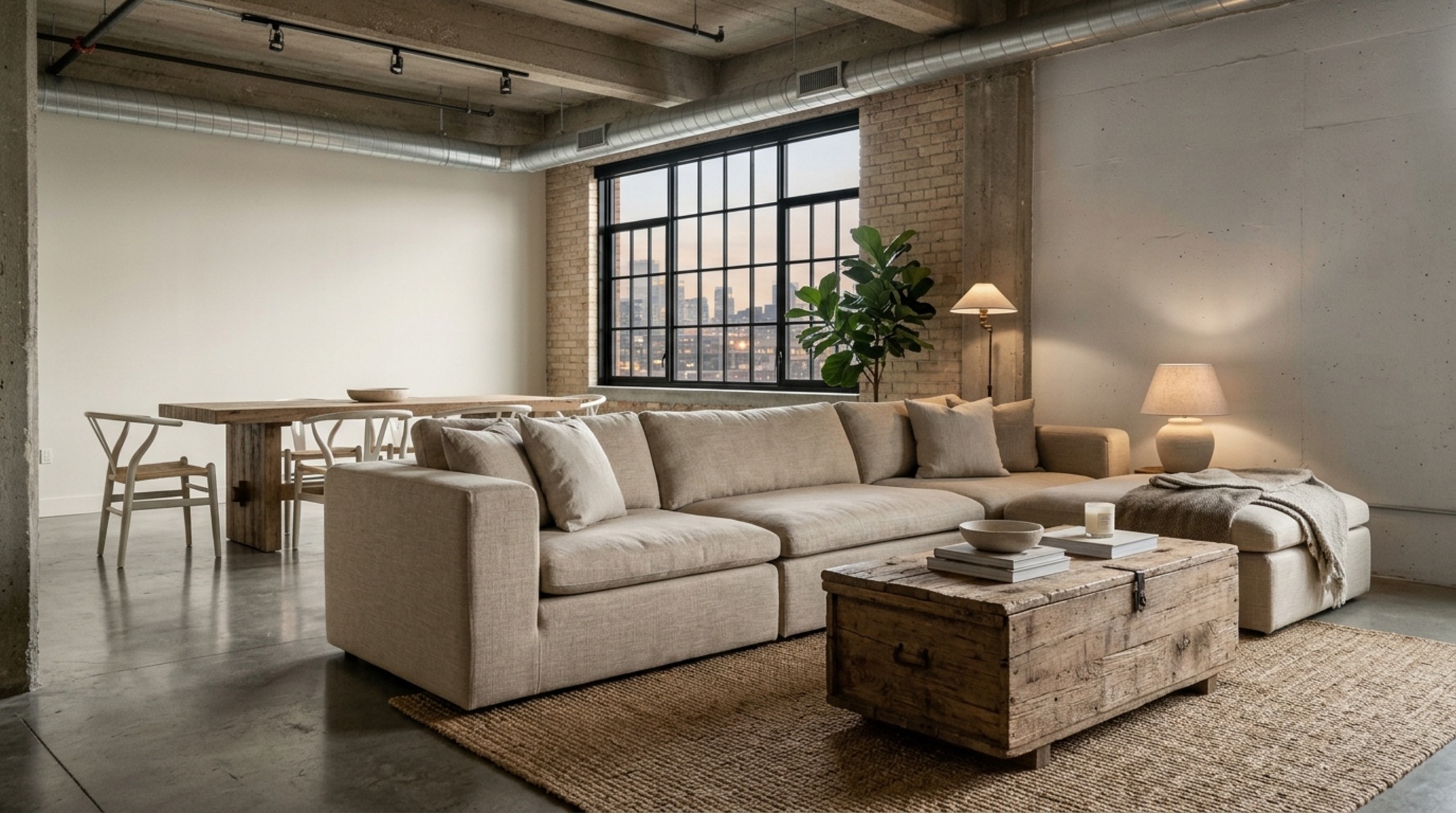
Open-concept layouts often suffer from a lack of definition. To solve this, we look toward modern modern rustic furniture ideas that act as ‘zonal anchors.’ A low-slung, modular sofa upholstered in a heavy-weight linen—perhaps in a shade like Farrow & Ball’s ‘Setting Plaster’—can define a lounge area without the need for walls. To enhance the ergonomics, we pair these with oversized, low-profile wooden trays that turn a soft ottoman into a stable surface. This versatility is the hallmark of modern functionalism.
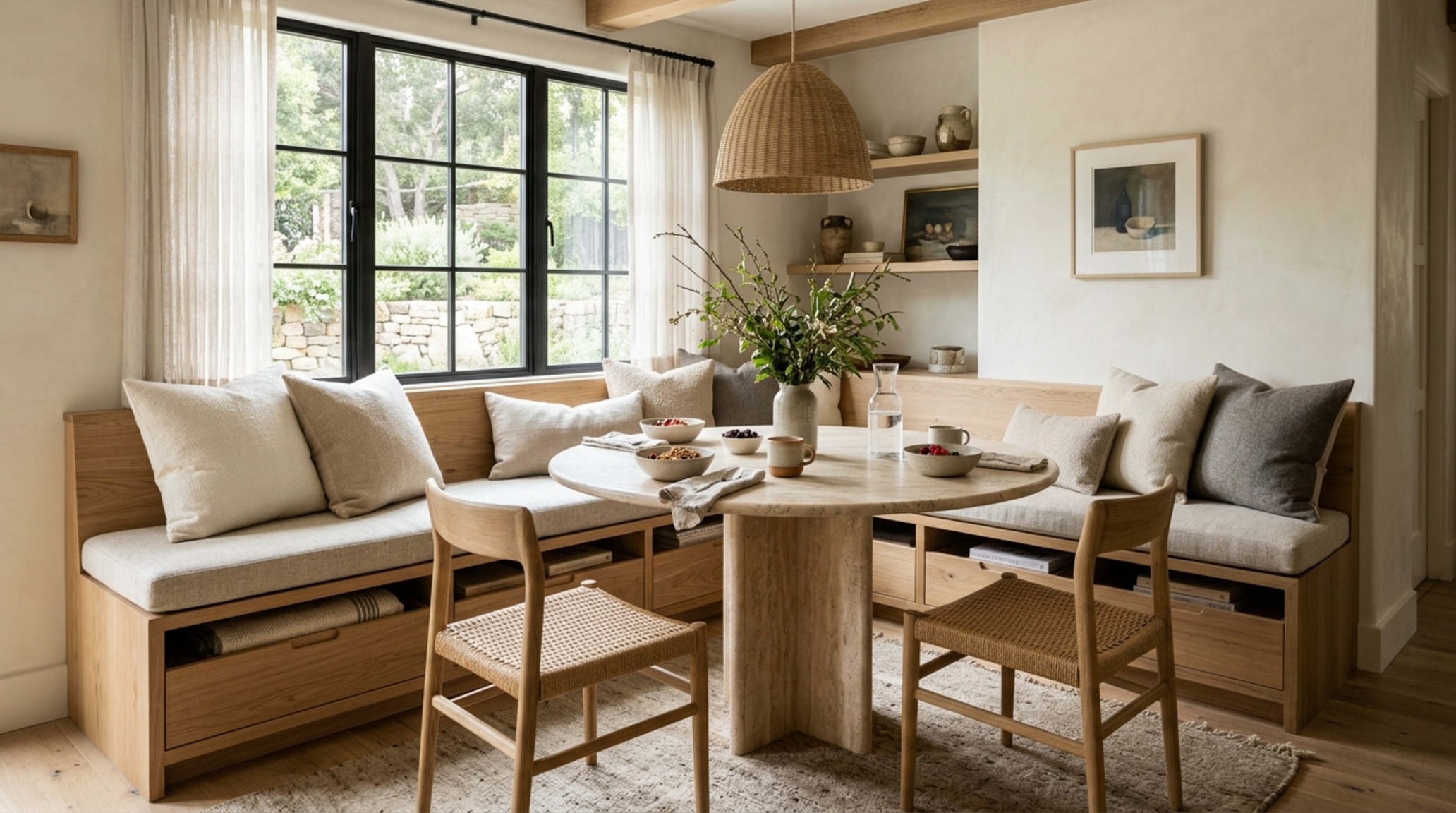
For the dining area, the banquette has seen a significant resurgence. A built-in bench in fluted white oak, tucked into a corner, eliminates the 36-inch clearance usually required for pulling out chairs. It creates a cozy, ‘nook-like’ atmosphere that feels like a luxury retreat. When paired with a pedestal table, it maximizes legroom and allows for easy sliding entry—a perfect example of ergonomic mastery in a tight footprint. The use of ‘Swiss Coffee’ by Benjamin Moore on the surrounding walls provides a creamy, warm backdrop that lets the grain of the wood take center stage, creating a monochromatic yet deeply textured environment.
Luxury Modern Rustic Furniture Textures & Tactile Materiality
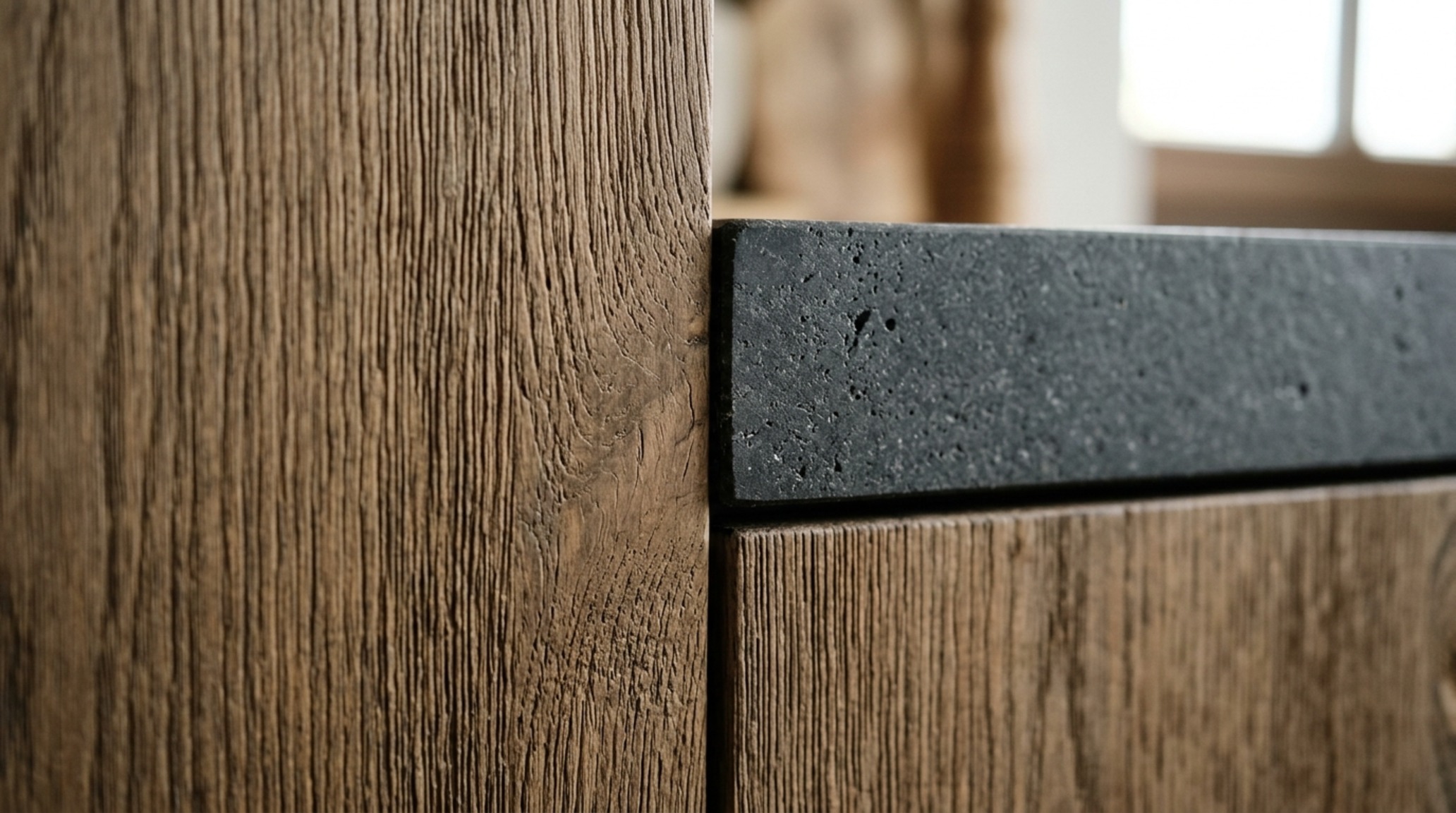
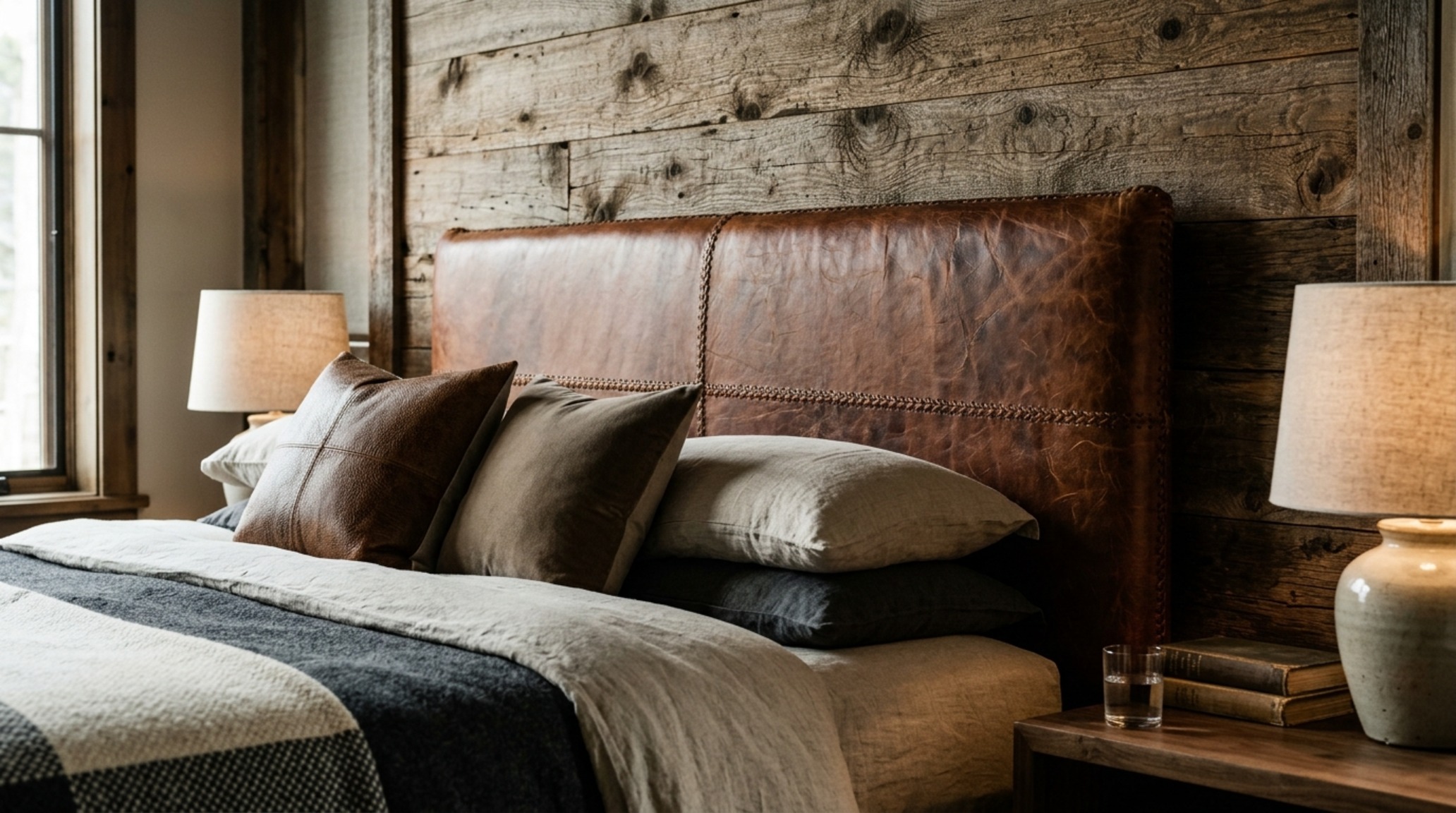
True luxury in the modern rustic context is found in the ‘patina of use.’ It is the feel of a hand-planed surface or the cool touch of a honed stone inlay. When selecting luxury modern rustic furniture textures, the focus is on high-contrast pairings: a rough-hewn beam shelf against a perfectly smooth plaster wall, or a nubby bouclé chair next to a glass-topped root table. These textures are not just aesthetic choices; they provide sensory feedback that makes a home feel lived-in and comfortable.
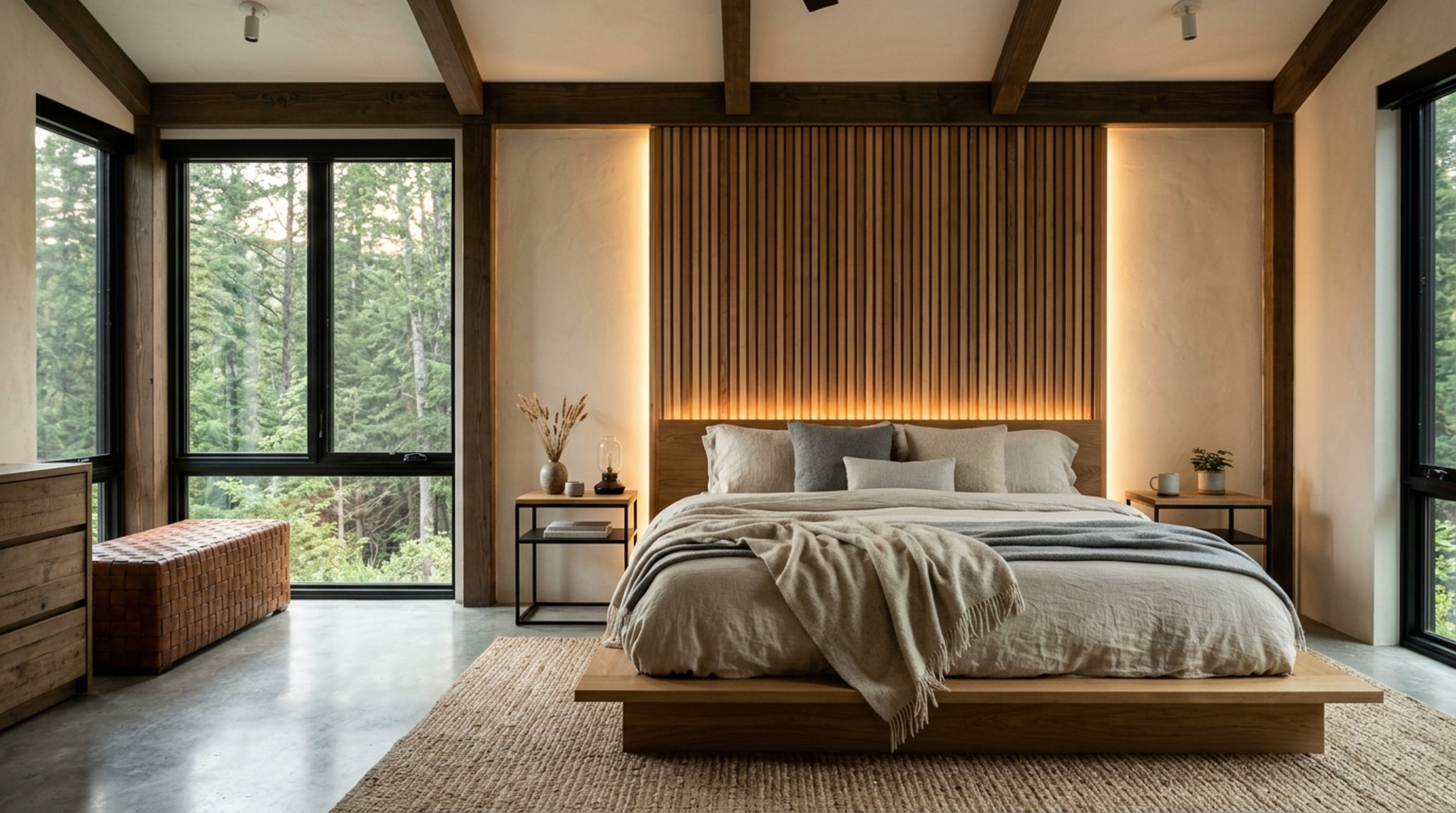
In the bedroom, this might manifest as a headboard crafted from vertical cedar slats with integrated, floating nightstands. By wall-mounting the bedside storage, we free up the floor plane, allowing for a cleaner ‘spatial flow’ and making the cleaning process easier—an often overlooked aspect of functional design. The nightstands themselves might feature hidden wireless charging pads embedded beneath a thin veneer, blending 21st-century technology with 19th-century materiality. This is the essence of modern rustic mastery: the technology is present, but the soul of the wood remains the protagonist.
Modern Rustic Furniture Lighting Guide: Illuminating the Grain
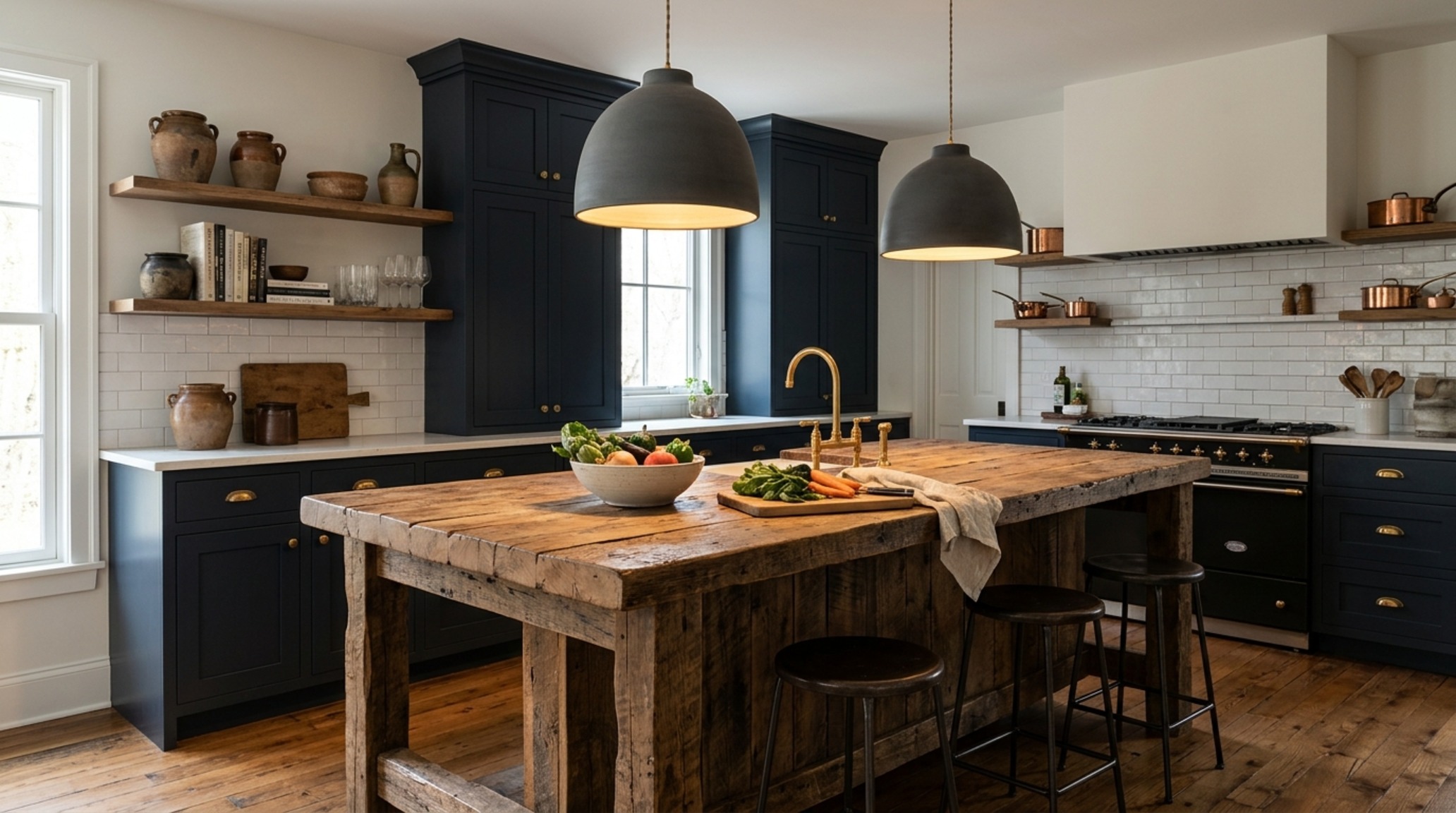
Lighting is the ‘invisible architecture’ that defines how we perceive furniture. A modern rustic furniture lighting guide must prioritize warmth and rendering. We recommend a 2700K color temperature for ambient lighting to enhance the amber tones in wood, while 3000K works better for task areas where clarity is needed. High Color Rendering Index (CRI 90+) bulbs are non-negotiable; they ensure that the deep reds of cherry or the cool greys of weathered barnwood aren’t washed out by a flat, clinical glow.
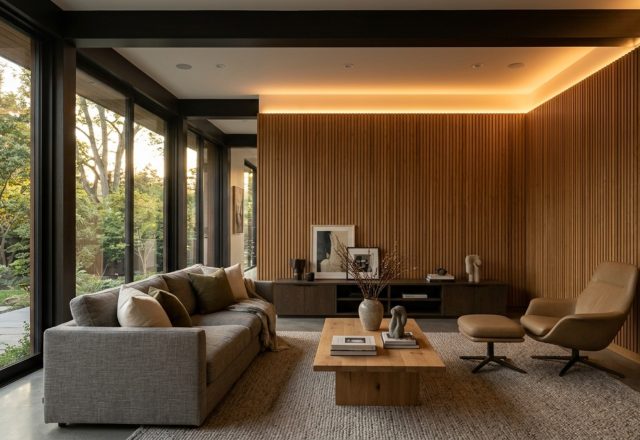
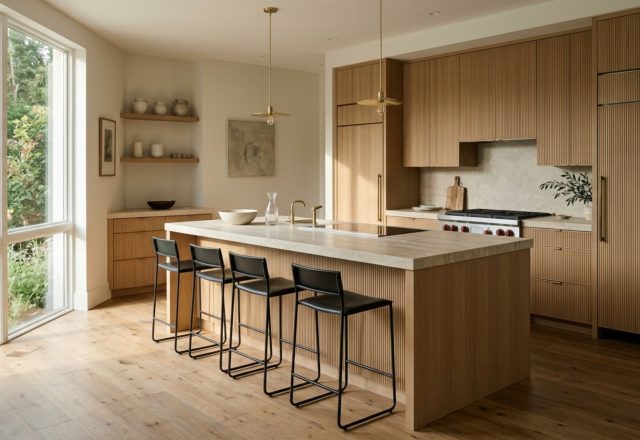
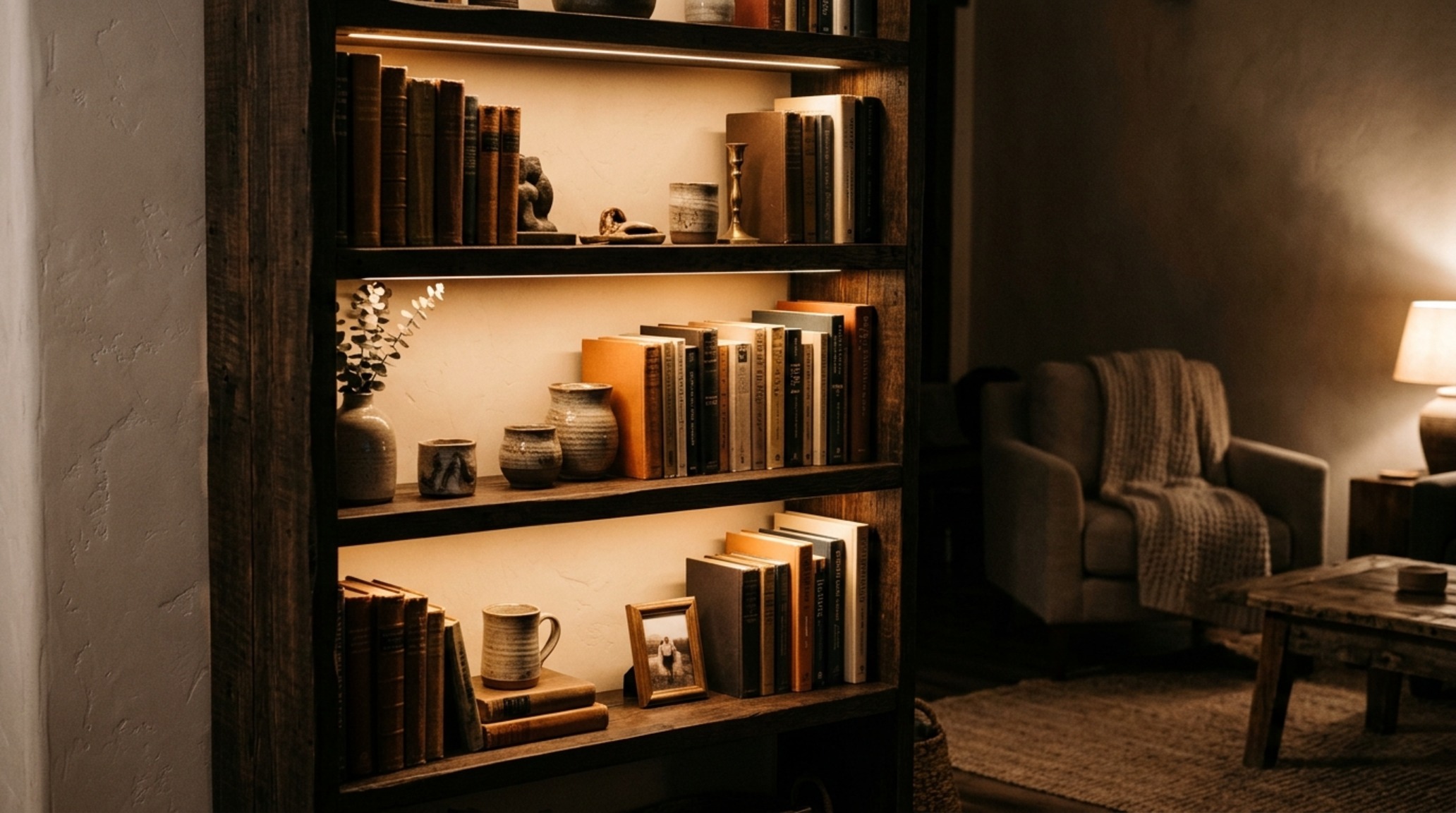
Recessed LED strips (CRI 95) hidden within the underside of a reclaimed mantle or the interior of a hutch create ‘shadow play,’ highlighting the three-dimensional quality of the timber’s grain. This layer of ‘atmospheric lighting’ adds depth to the room, making it feel expansive even at night. For pendants over a rustic island, look for oversized shapes in matte ceramic or hammered copper. These materials develop a natural age that complements the furniture, while the downward-directed light focuses the attention on the communal ‘hearth’ of the home.
Consider the placement of floor lamps near reading nooks. An adjustable arm in aged brass provides the necessary task lighting for an ergonomic reading experience while adding a metallic glint that breaks up the wood-heavy palette. The goal is a ‘layered’ approach: ambient, task, and accent lighting working in harmony to guide the eye toward the artisanal details of the furniture.
Interior Architecture Specification Sheet
Detailed specifications outlining core tactile materials, lighting temperature, and room clearances.
Designing with modern rustic furniture is an exercise in restraint and reverence. It asks us to respect the history of the materials while acknowledging the demands of modern movement. When we optimize for ergonomics—whether through a nested table set or a perfectly pitched banquette—we aren’t just saving space; we are elevating the human experience within the home. The future of residential design lies in this marriage of the organic and the engineered, where the soul of the forest meets the logic of the blueprint, creating spaces that feel as good as they look.
Editorial Silo • Recommended Architecture Studies
- Garden Decoration Ideas: The Architectural Blueprint & Spatial Flow Guide — Archival Design Case Study
- Ergonomic Mastery: Functional & Space-Saving Hacks for Wall Panels Interior Design — Archival Design Case Study
Architectural Inspiration Lookbook
An evocative photographic exploration balancing structural discipline with inviting tactile softness.
Curated Visual Lookbook
Design Gallery & Spatial Studies
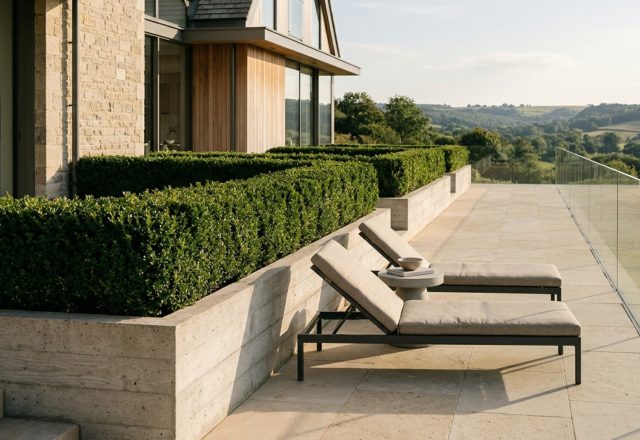
A visual curation of architectural arrangements, lighting concepts, and material palettes featured in this space.