The Enduring Appeal of Classic Timber Flooring sets the entire psychological tone of a domestic space.
When you walk into a room, your eyes…
The Enduring Appeal of Classic Timber
Flooring sets the entire psychological tone of a domestic space. When you walk into a room, your eyes naturally drop before scanning upward. That initial contact matters. While gray vinyl planks dominated the past decade, authentic wood surfaces are making a fierce comeback because they tell a story.
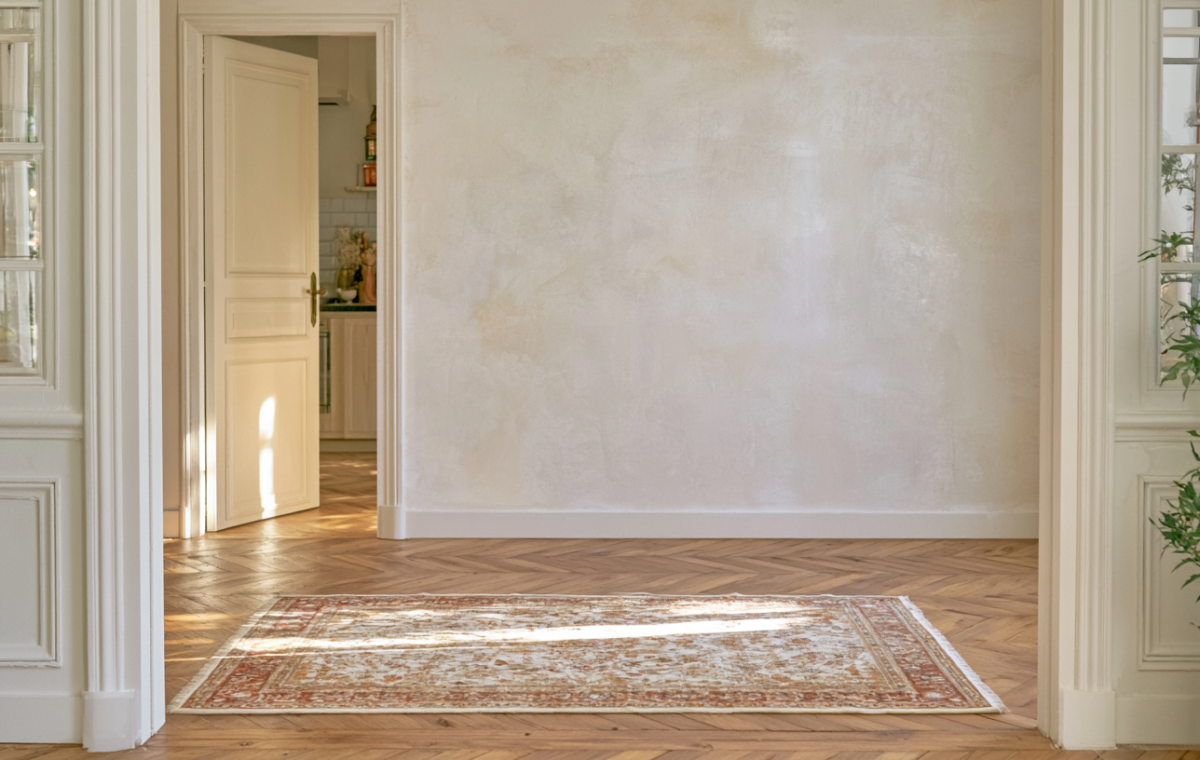
Consider the layout. A standard straight-lay plank works fine, but angled installations completely alter the geometry of a room. Chevron and herringbone patterns introduce a subtle layer of sophistication without requiring loud paint colors or excessive furniture.
Balancing Floor Tones with Wall Finishes
Light-filled rooms with warm wood grain require careful calibration of surrounding surfaces. Stark white drywall often feels sterile against rich oak or walnut. Instead, textured lime-wash or subtle plaster finishes diffuse incoming sunlight gracefully, bridging the gap between rugged floorboards and pristine architectural millwork.
Area rugs serve as anchor points rather than total cover-ups. A low-pile vintage rug thrown over patterned timber breaks up monotony and defines seating zones effortlessly. Do not hide your investment completely. Let parts of the grain peek through.
Upkeep Realities Worth Noting
Wood requires maintenance. It scratches. Sunlight causes fading. Humidity makes it shift. That patina is precisely the point. If you want a floor that looks artificially preserved in amber forever, go synthetic. If you want a living surface that ages with your family, natural timber wins every time. Sweep often, wipe spills immediately, and accept the gentle scuffs as part of the home’s evolving timeline.
How do you plan to balance historic flooring details with modern everyday living in your own space?