CURATORIAL CRITIQUE & DESIGN ANTHOLOGY: The Architectural DNA of Urban Respite
Observing the evolution of the modern residential sanctuary requires more than a casual glance at furniture trends; it demands a forensic analysis of how we occupy volume. In the early 2010s, as urban density began to squeeze the traditional floor plan, a specific design language emerged to reconcile the desire for high-aesthetic minimalism with the brutal reality of shrinking square footage. This era was defined by a pivot toward modularity, where the furniture was no longer an object placed within a room, but an architectural extension of the room itself. Central to this movement were the ikea bedroom sets 2012, a collection that, in retrospect, functioned as a masterclass in spatial alchemy, turning restrictive footprints into high-functioning modules of calm.
Spatial Perspectives & Material Curation: The Geometry of Flow
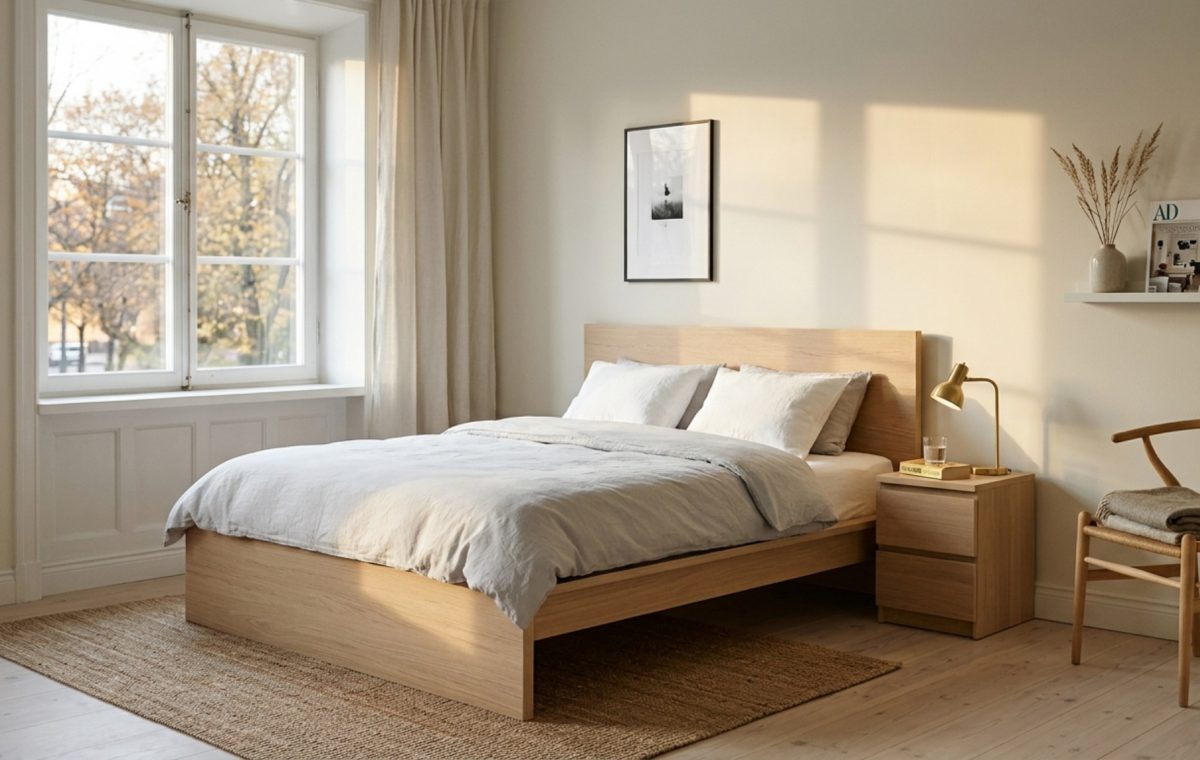
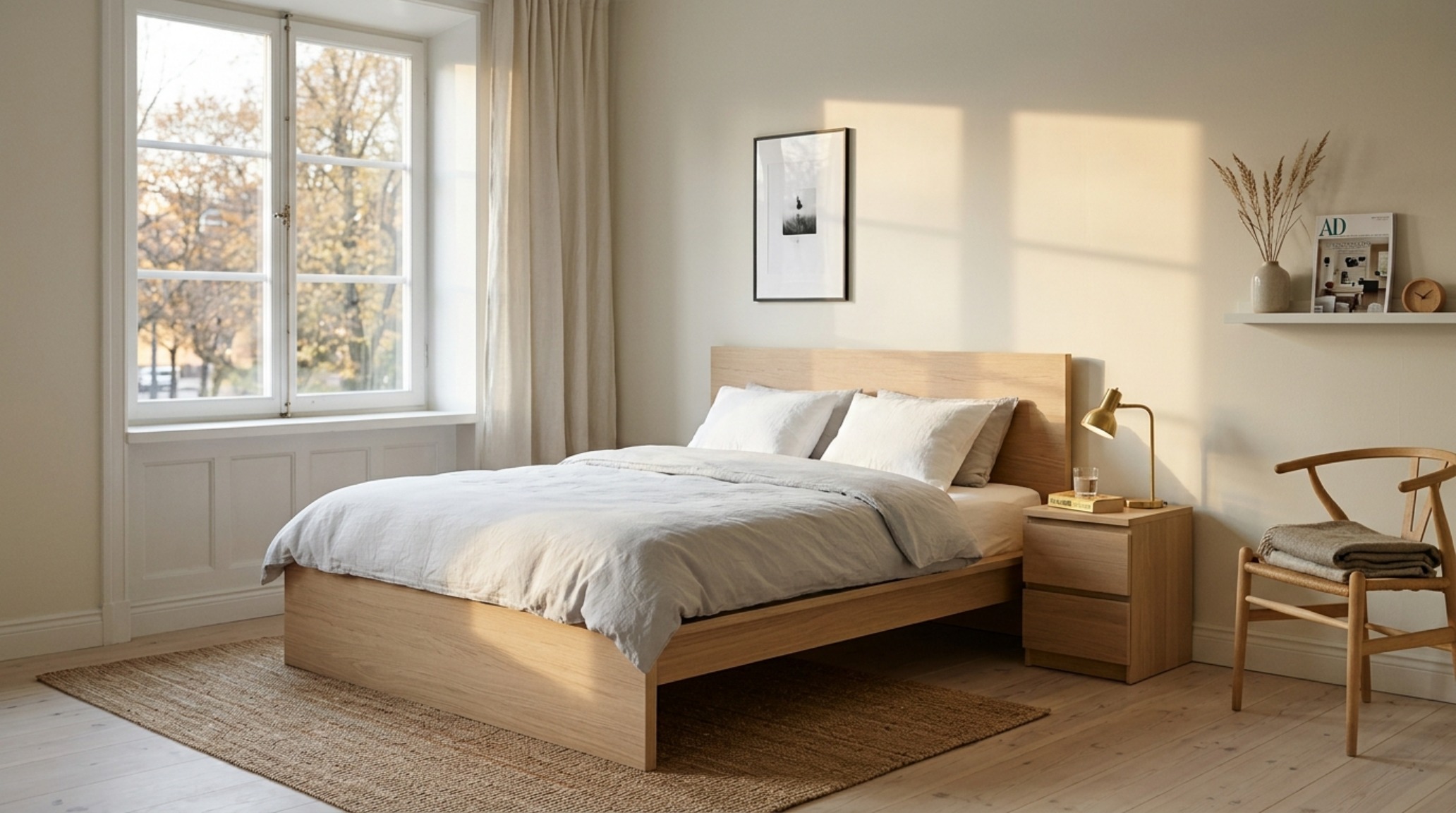
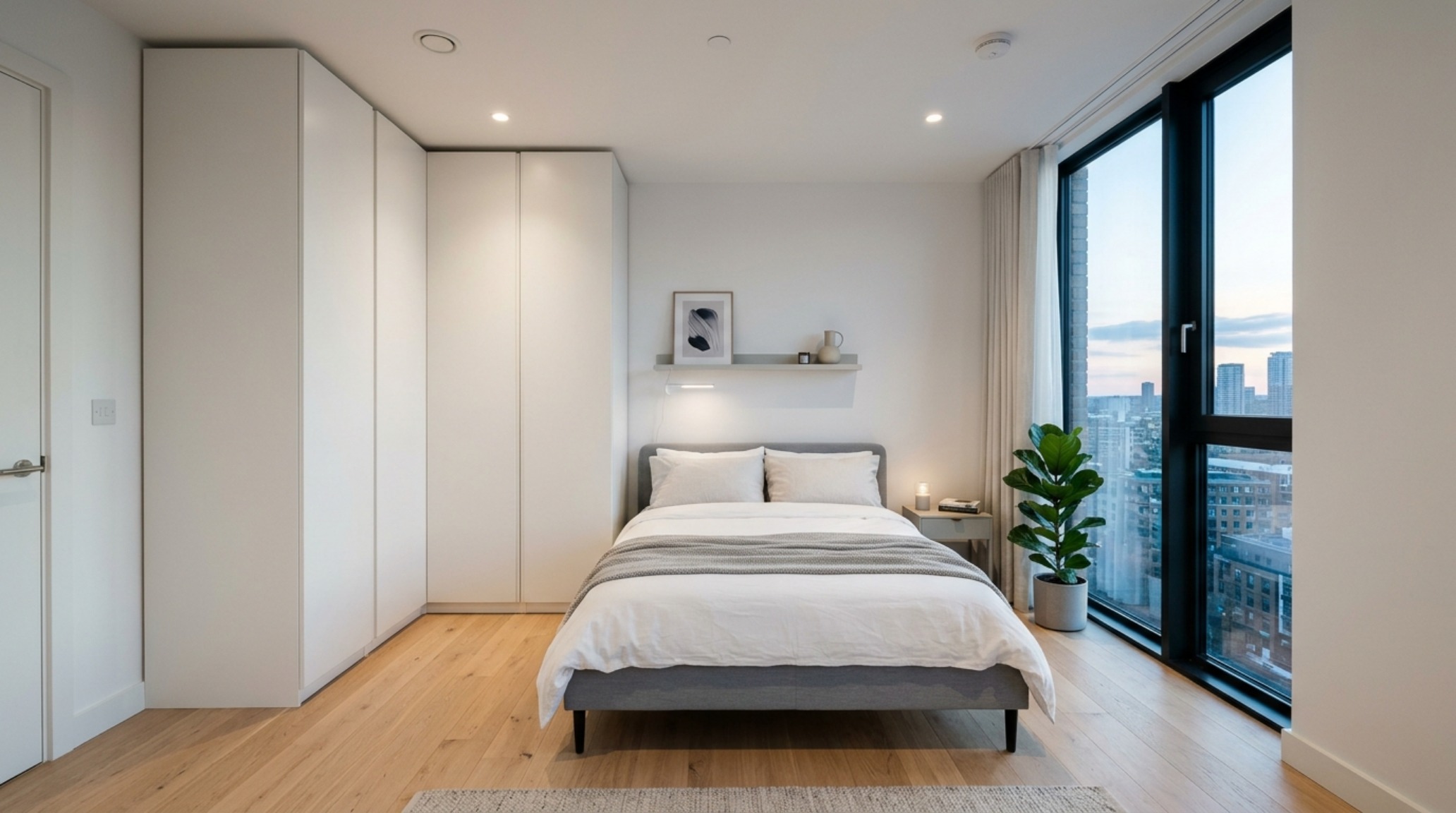
Architecture is often a game of millimeters, and the 2012 IKEA catalog approached the bedroom with the precision of a Swiss watchmaker. The collection didn’t just sell beds; it sold a blueprint for circulation. By adhering to strict geometric forms, pieces like the MALM and PAX series allowed designers to maintain the standard 36-inch primary circulation paths even in rooms that measured less than 120 square feet. This was not accidental. The ikea bedroom sets 2012 designers understood that for a small space to feel expansive, the eye needs uninterrupted sightlines. The low-slung profile of the 2012 MALM bed frame, for instance, preserved the vertical volume of a room, preventing the furniture from ‘choking’ the ceiling height.
“Design is not just what it looks like and feels like. Design is how it works within the constraints of the envelope.” – This ethos was the silent driver behind the 2012 spatial philosophy.
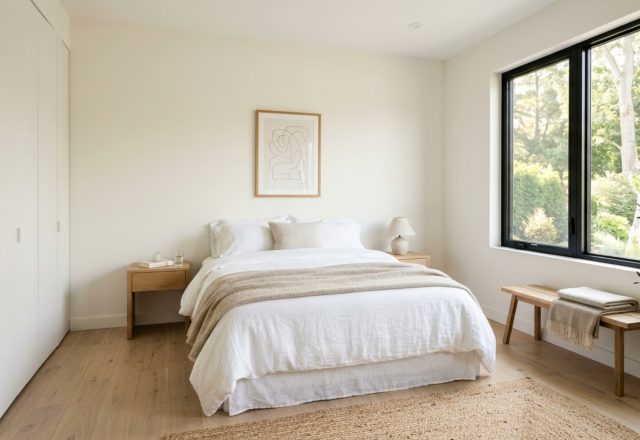
When we examine the small bedroom layout rules established during this period, we see a heavy reliance on the ‘floating’ effect. By utilizing off-the-floor wardrobes and bed frames with recessed bases, IKEA created a visual continuity of the floor plane. When the floor is visible beneath a piece of furniture, the brain perceives the room as larger than it is. This tactile grounding, combined with the use of light-reflective finishes like the white stained oak veneer, transformed dark, cramped corners into airy retreats.
IKEA Storage Bed Ergonomics: Engineering the Hidden Void
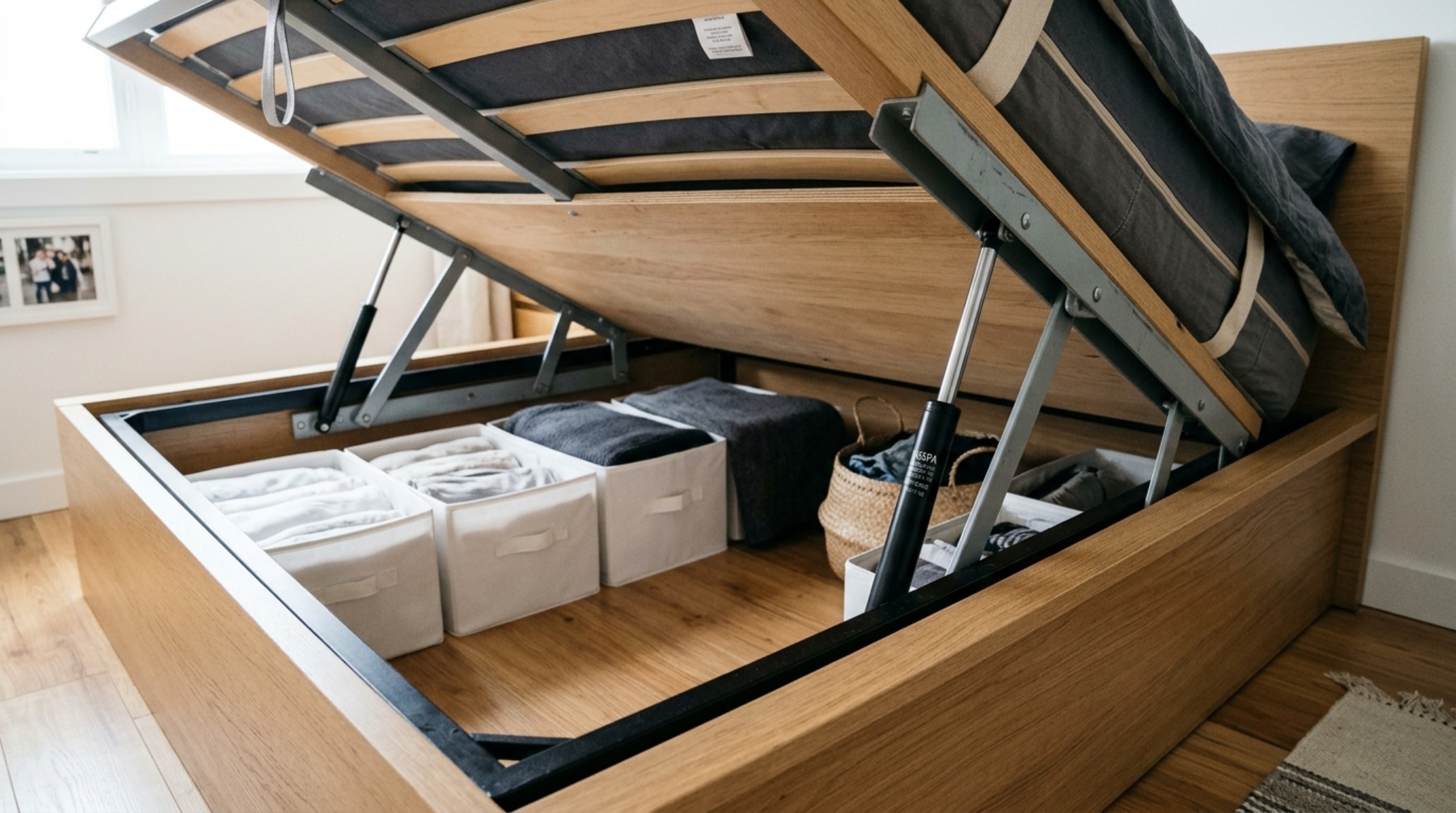
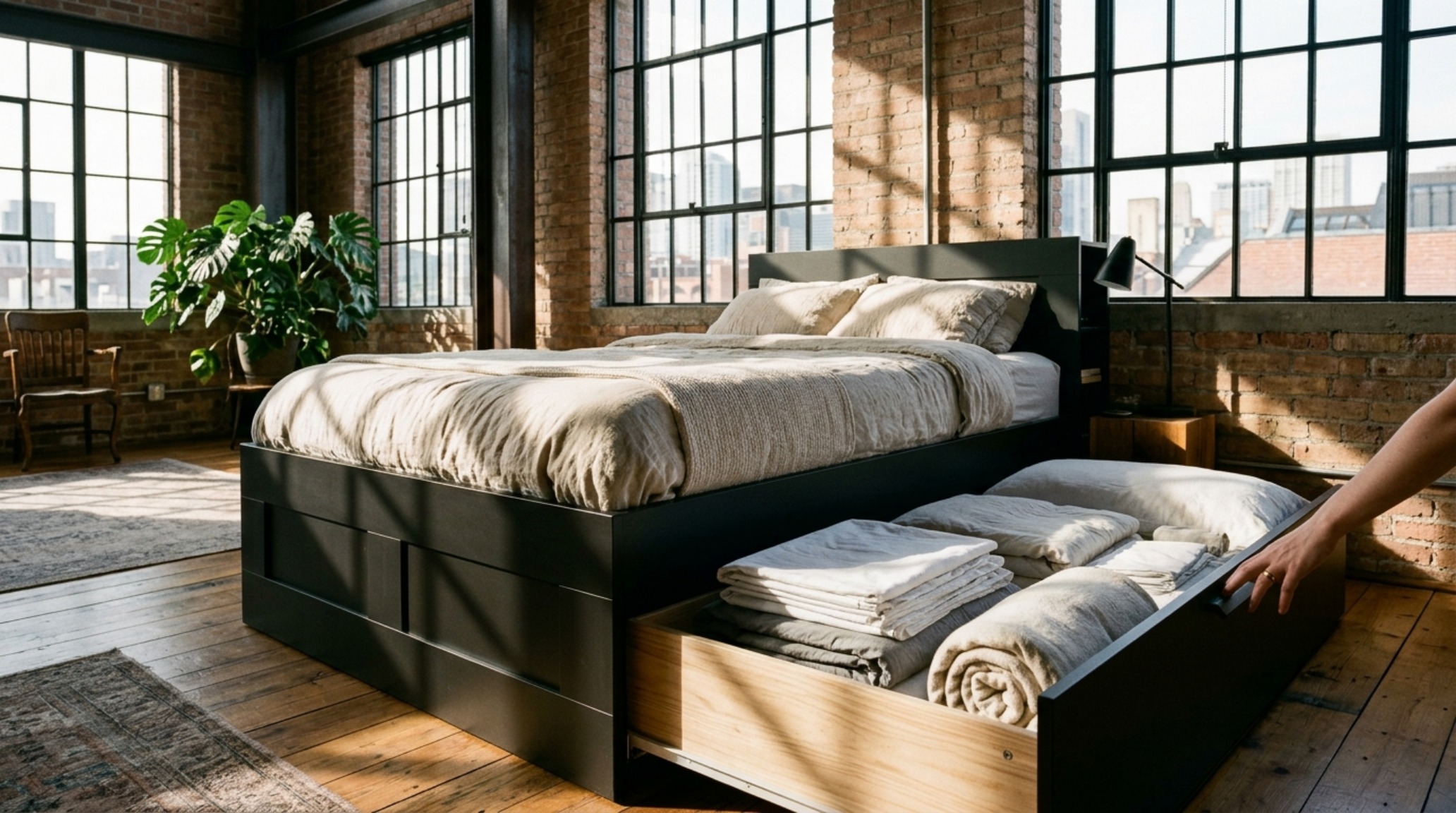
One of the most significant architectural contributions of the 2012 era was the refinement of the storage bed. It was here that IKEA storage bed ergonomics reached a tipping point of mass-market perfection. The 2012 iterations of the MALM storage bed utilized a gas-piston lift mechanism that turned the entire footprint of the mattress into a high-capacity vault. From a structural standpoint, this eliminated the need for secondary dressers, which typically require an additional 30 to 48 inches of ‘draw-opening’ clearance. By stacking the storage vertically beneath the sleeper, the designers freed up the perimeter of the room, allowing for the essential ‘negative space breathing room’ that defines luxury interiors.
The mechanics were tuned for daily use. The lift pressure was calibrated for standard pocket-spring mattresses, ensuring that even a lone inhabitant could access the sub-mattress cavity without strain. This focus on the human-object interface—the ergonomic ‘reach’ and the force required for operation—elevated the 2012 collection from simple utility to a sophisticated domestic tool.
Scandinavian Bedroom Design 2012: A Study in Light and Texture
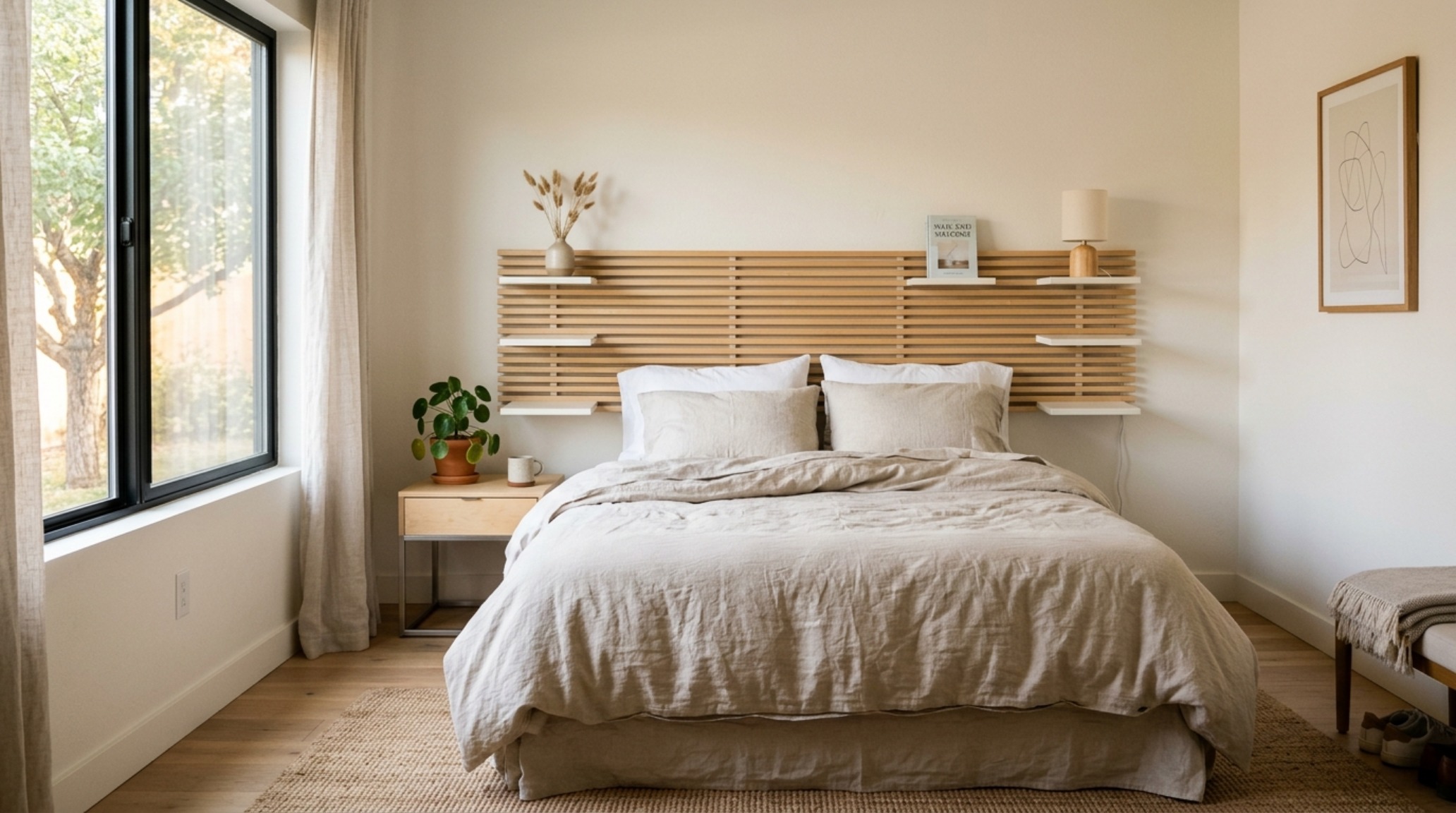
The aesthetic palette of Scandinavian bedroom design 2012 was famously restrained, yet it possessed a depth often missed by its imitators. It relied on a high CRI (Color Rendering Index) approach to materiality. The 2012 collection leaned heavily into ‘warm’ whites and blonde woods—materials that responded beautifully to 2700K ambient lighting. By avoiding the blue-ish tints of lower-quality laminates, IKEA ensured that their pieces felt ‘organic’ under the evening incandescent glow typically found in residential settings.
We see this most clearly in the juxtaposition of textures. A 2012 bedroom set wasn’t just flat surfaces; it was a composition of matte lacquers, brushed steels, and open-grain veneers. This material hierarchy creates ‘shadow play,’ giving a room depth even when the color palette is monochromatic. Designers during this time often paired these sets with Benjamin Moore’s ‘Swiss Coffee’ (OC-45) on the walls—a soft, creamy white that complemented the IKEA birch finishes without creating a clinical contrast.
Malm vs Hemnes 2012 Review: Architectural Minimalism vs. New Traditionalism
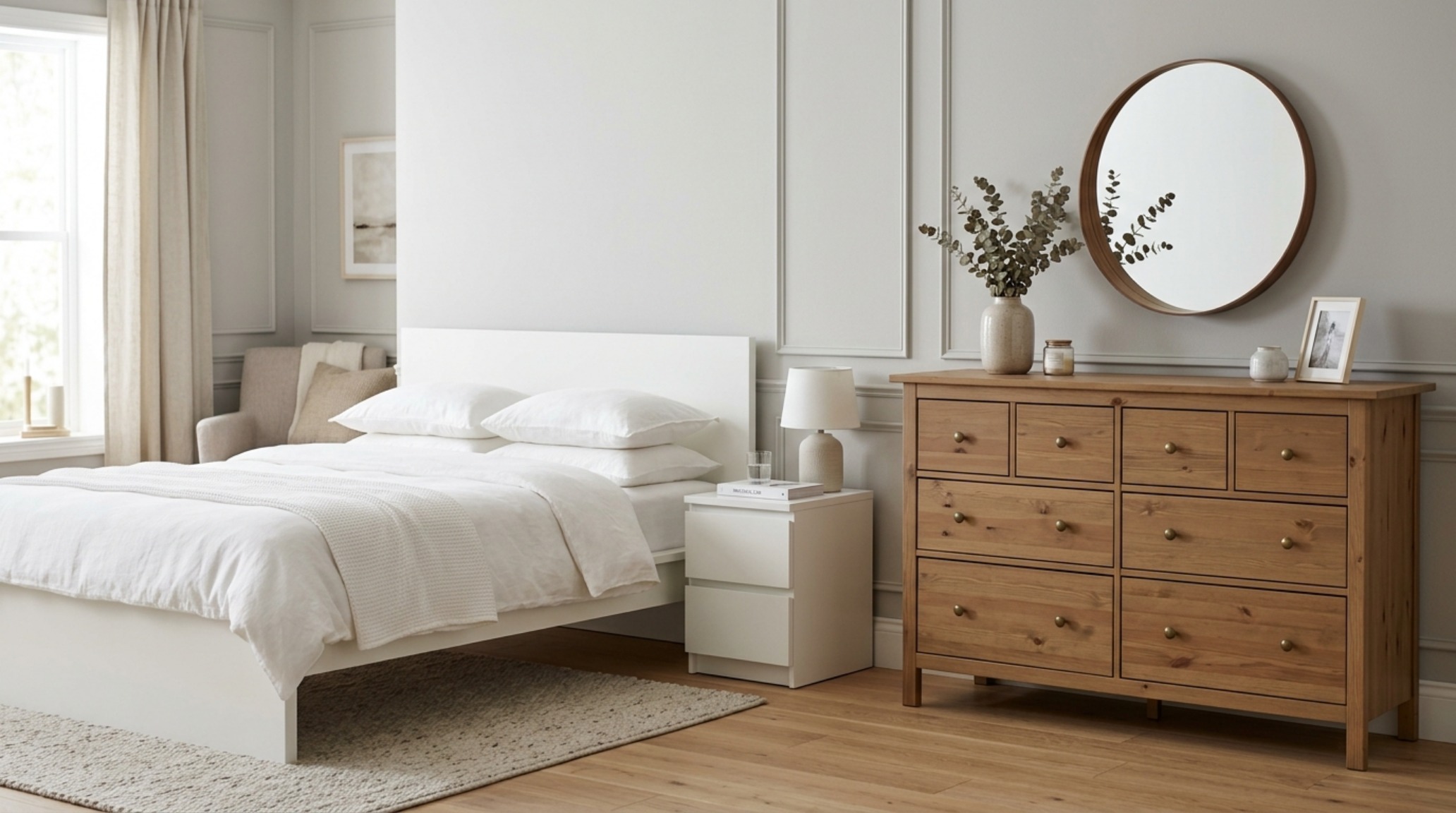
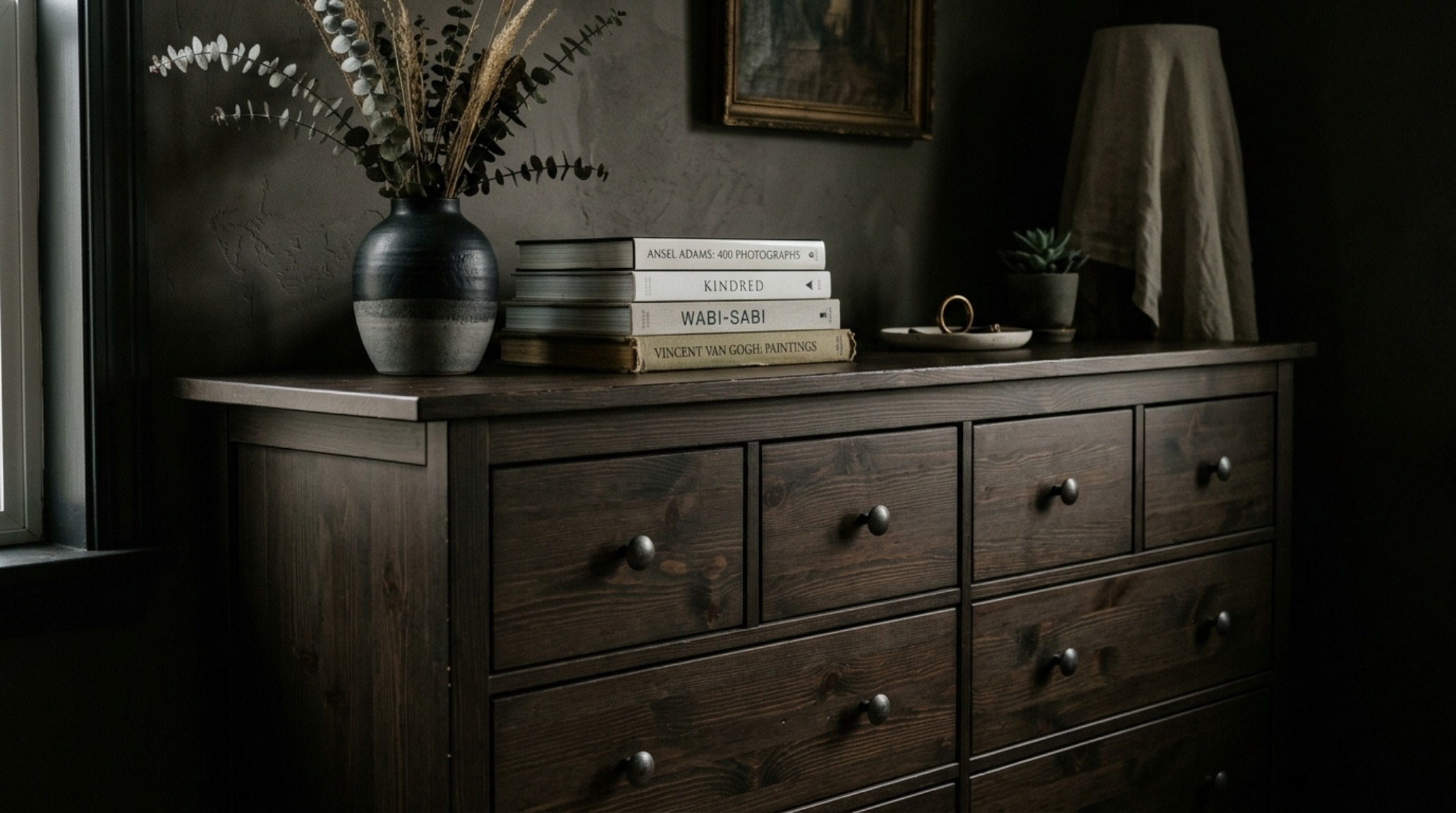
A frequent debate among interior curators of the time centered on the Malm vs Hemnes 2012 review. While both were pillars of the catalog, they served different architectural purposes. The MALM was the ‘Architectural Minimalist’—all right angles, hidden fasteners, and slab doors. It was designed to disappear, making it the perfect choice for high-rise condos where the view was the primary feature. In contrast, the Hemnes series represented a ‘New Traditionalism.’ With its solid pine construction and slight chamfered edges, it provided a sense of ‘weight’ and ‘history’ in otherwise characterless new-build apartments.
From a layout perspective, the Hemnes 2012 bed frame occupied slightly more visual ‘visual mass’ due to its higher headboard and footboard. However, it offered a different kind of functionality: the solid wood allowed for easier modification—a precursor to the ‘IKEA hack’ culture that would soon explode. The HEMNES was for the ‘maximalist minimalist,’ providing storage through traditional drawers with a footprint that still respected the 18-inch reach rule from the bedside.
The Legacy of Discontinued IKEA Bedroom Collections
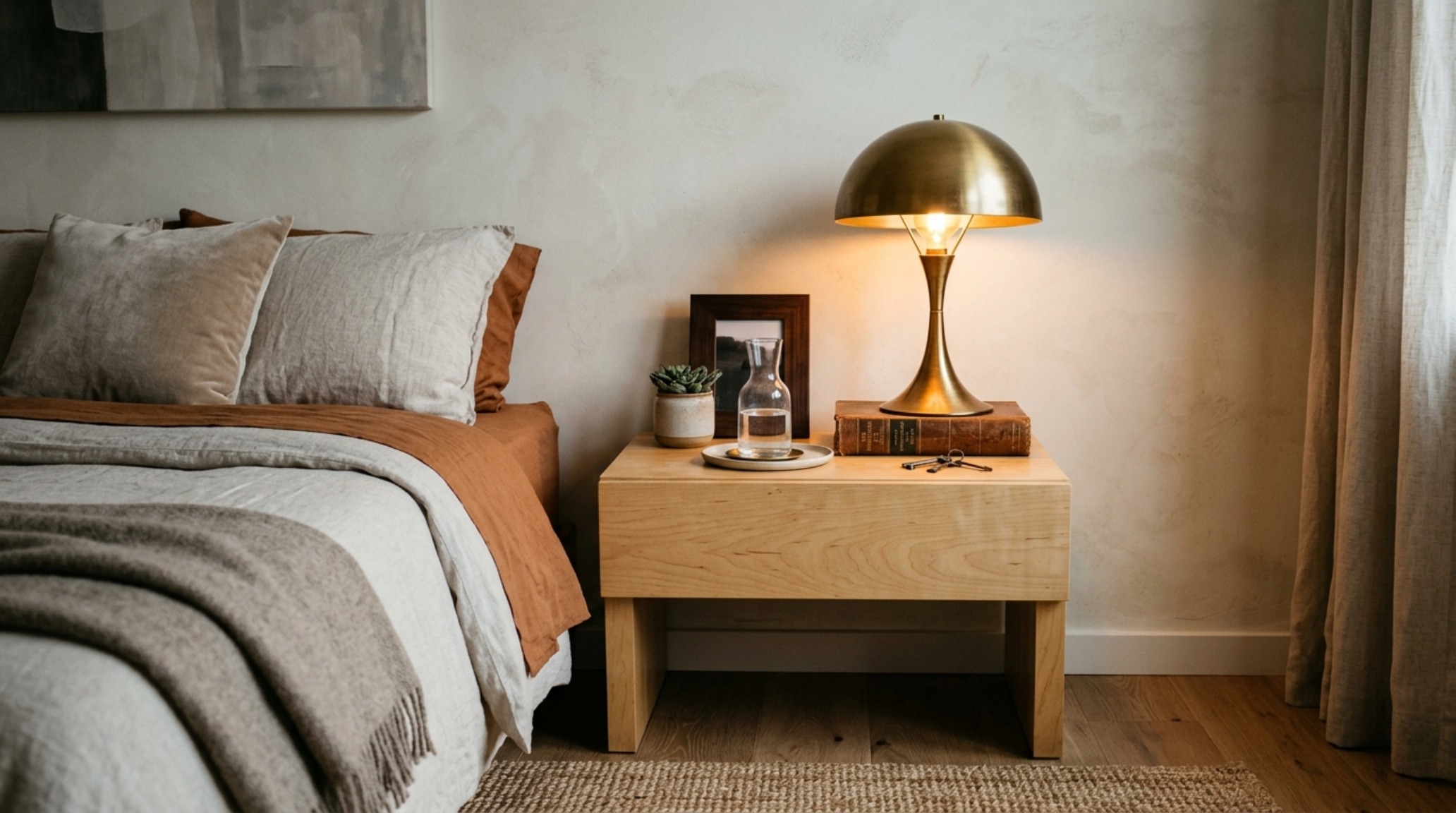
Many pieces from the discontinued IKEA bedroom collections of 2012 have now achieved a ‘vintage’ status among architectural purists. The specific proportions of the 2012 PAX wardrobe doors—available in heights that kissed the ceilings of standard 8-foot rooms—created a built-in look that later, more modular (and often smaller) systems struggled to replicate. There was a ‘heft’ to the 2012 hardware that spoke to a brief moment where durability and price point hit an ideal equilibrium.
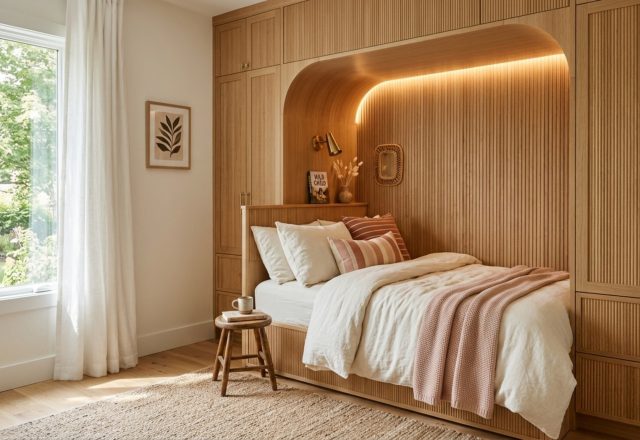
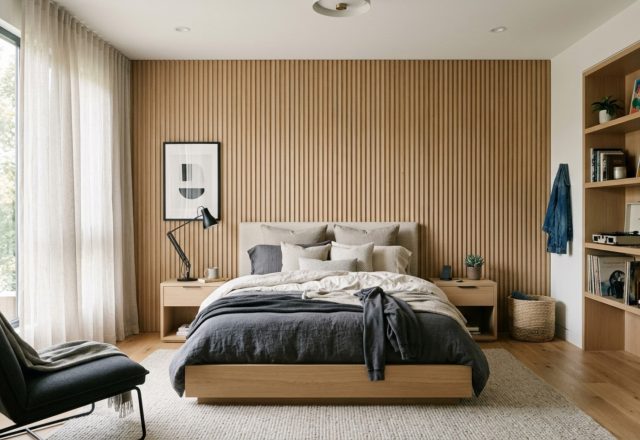
Today, as we see a resurgence in vintage IKEA furniture trends, these 2012 pieces are being reintegrated into modern homes as ‘found objects.’ They are being paired with high-end designer lighting, such as the Flos IC Lights or a Noguchi Akari pendant, proving that the geometric purity of the 2012 design can hold its own against the giants of mid-century modernism. The modularity of the 2012 system allows it to evolve; a PAX frame from a decade ago can be refaced with contemporary fluted wood panels, yet its internal structural logic remains flawlessly relevant.
Design Blueprint: Materials, Light & Dimensions
Summary of authentic finishes, designer paint selections, and standard architectural clearances.
The enduring brilliance of the ikea bedroom sets 2012 lies in their rejection of the temporary. By distilling bedroom furniture down to its fundamental geometric essence, IKEA created a vernacular that survives the shifting tides of ‘core’ aesthetics. Whether it is the way a 2012 PAX wardrobe frames a doorway or how a MALM bed anchors a loft, these pieces remind us that good design is ultimately about the dialogue between the object and the space it inhabits. As we look toward the future of urban living, the lessons of 2012—clarity of form, ergonomic honesty, and spatial generosity—remain the foundational pillars of a home that breathes.
Editorial Silo • Recommended Architecture Studies
- The Architectural Playbook: Cute Bedroom Ideas For Girls & Optimizing Structural Flow and Custom Joinery in Girls’ Bedrooms — Archival Design Case Study
- The Tactile Aesthetic of Cool Bedrooms For Teenagers: Materials, Moods & Lighting Kelvin — Archival Design Case Study
Spatial Balance & Form Lookbook
A curated visual breakdown of structural layout, layered lighting, and material compositions.
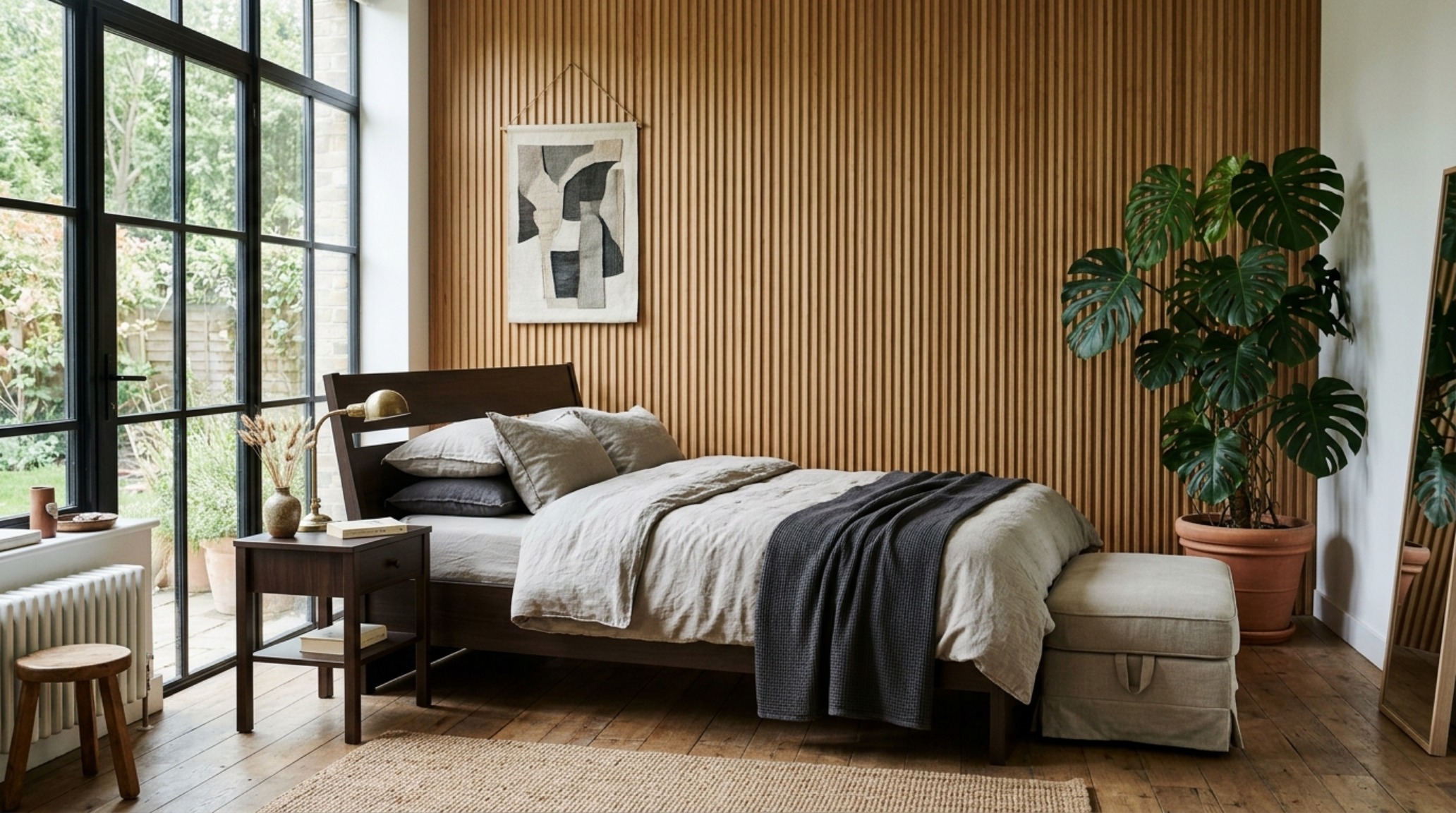
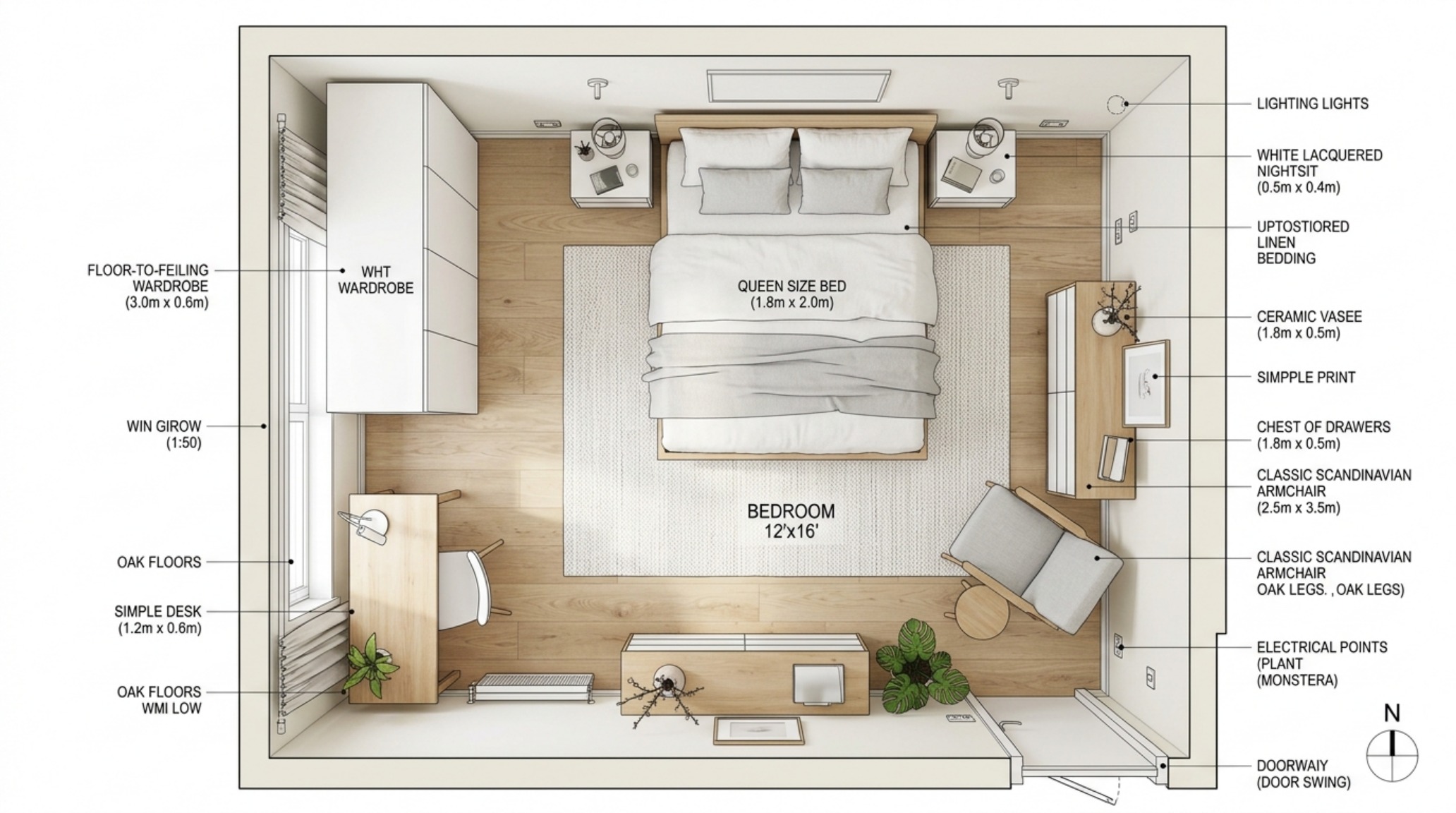
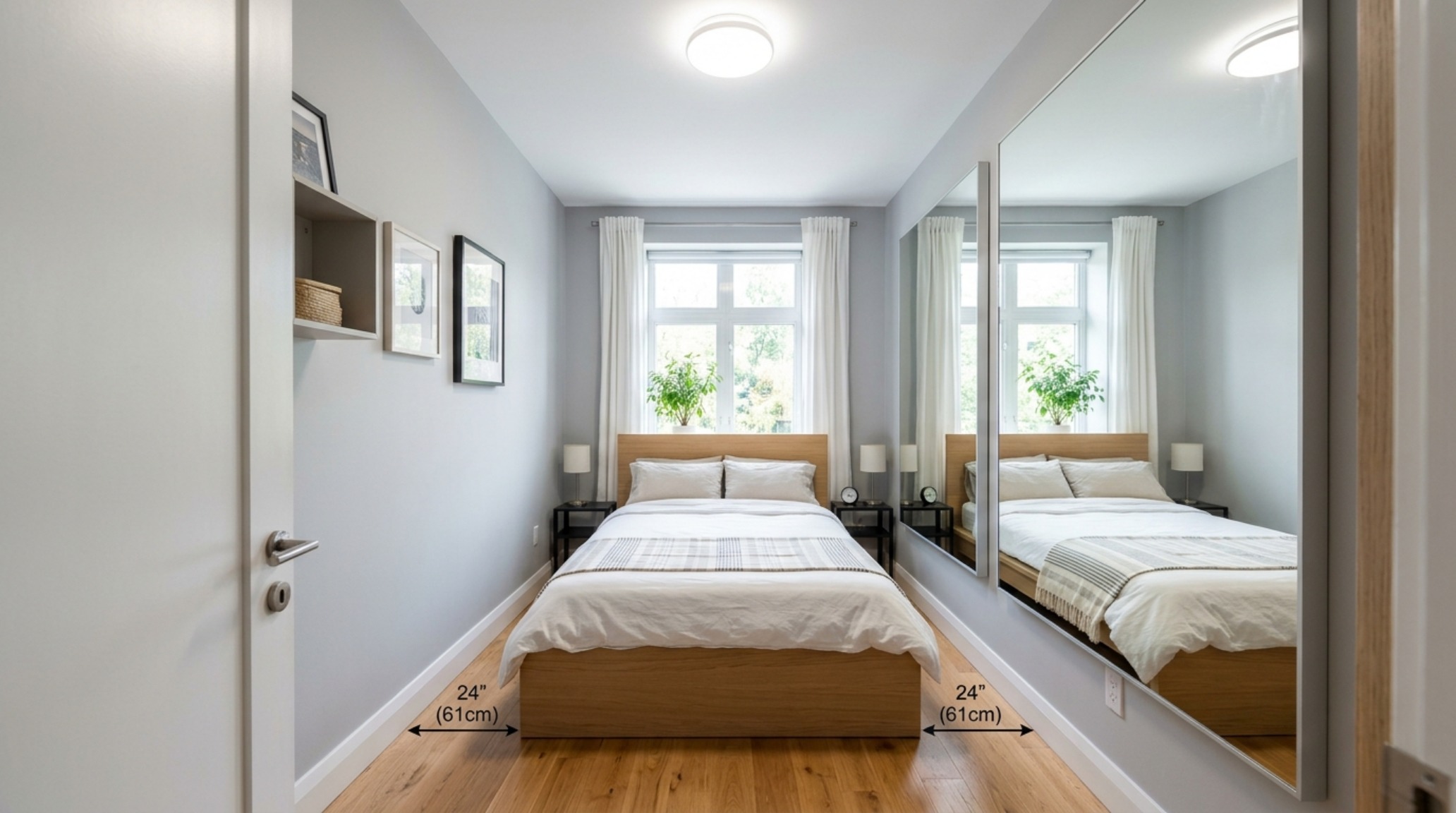
Curated Visual Lookbook
Design Gallery & Spatial Studies
A visual curation of architectural arrangements, lighting concepts, and material palettes featured in this space.