The Chromatic Resonance of Light and Form
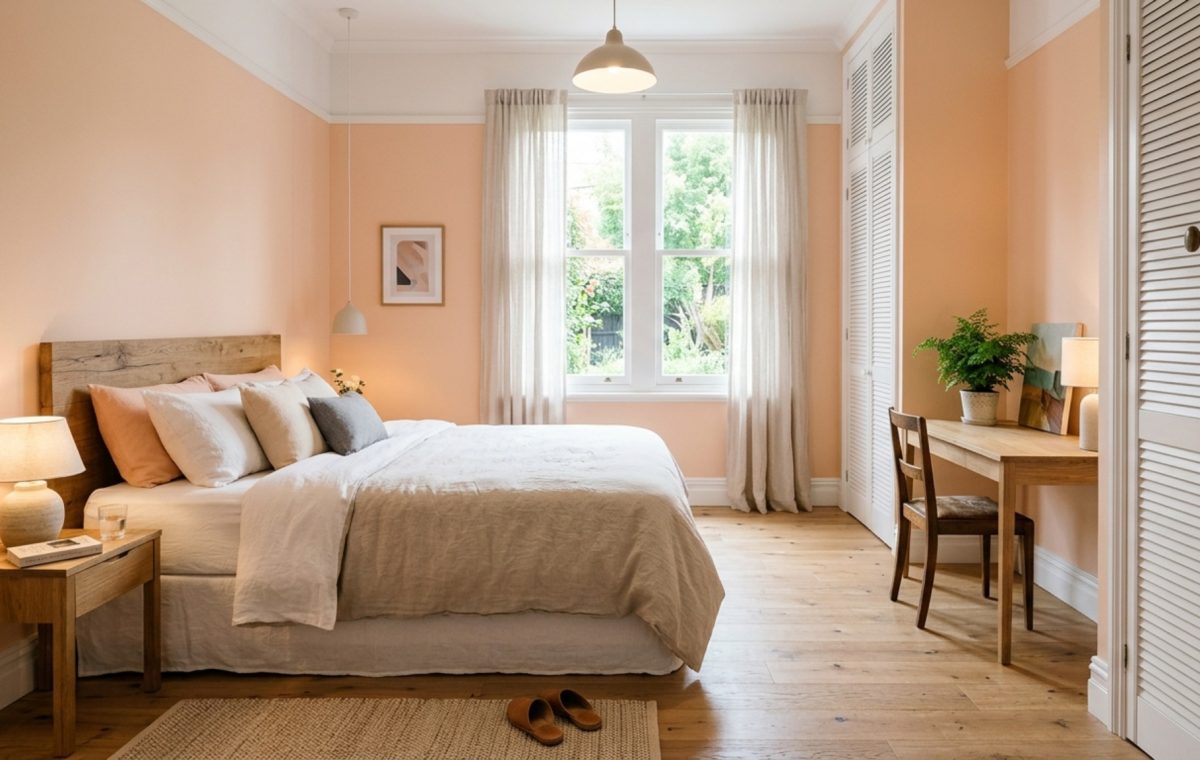
The first interaction we have with a room is never through its furniture, but through the quality of the atmosphere it contains. When morning light filters through a window, striking a wall of high-saturation marigold or soft coral, it shifts the molecular energy of the space. Integrating bright bedroom color ideas is not merely a stylistic choice; it is an architectural strategy to manipulate the perceived volume of a room and the emotional state of its inhabitants. We are moving beyond the era of clinical minimalism and entering a phase where ‘dopamine decor’ meets high-level spatial design. This isn’t about chaos; it’s about the precision-layering of high-chroma tones to create a sanctuary that feels both expansive and intimately grounding.
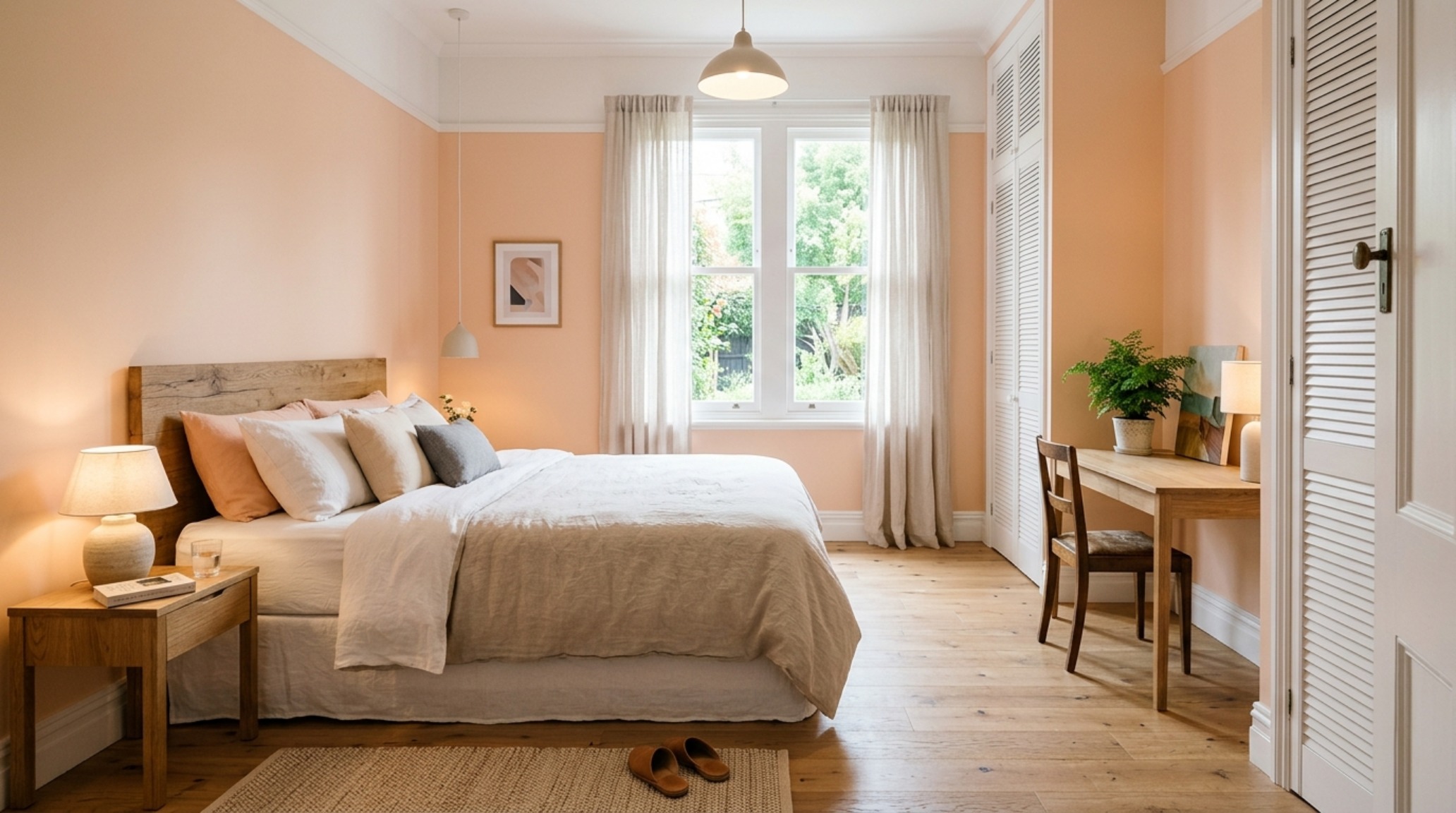
Small Bedroom Colors to Make It Look Bigger: The Expansion of Volume
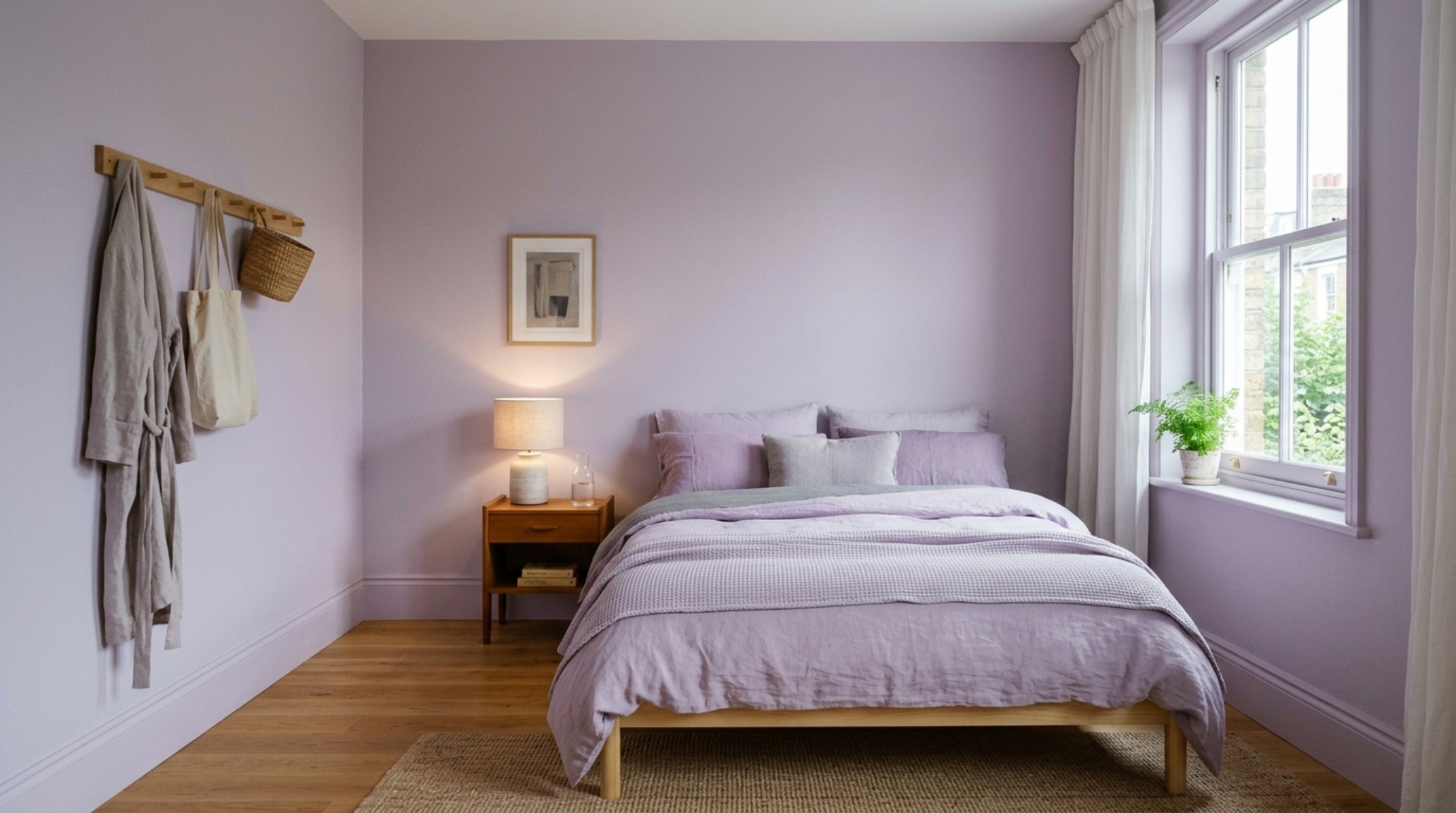
In smaller quarters, the instinct is often to retreat toward a safe, flat white. However, architectural depth is actually achieved through the play of light across receding and advancing hues. Utilizing small bedroom colors to make it look bigger requires understanding the ‘receding’ quality of cool-toned vibrants. A pale, high-chroma lilac or a soft, citrus-washed mint can push boundaries outward far more effectively than a muddy beige. When these colors are paired with a 36-inch standard walkway clearance around the bed, the eye perceives a continuous flow of color rather than a series of cramped obstacles. By painting the baseboards in the same high-chromacy hue as the walls, you eliminate the visual ‘break’ at the floor line, tricking the brain into seeing an extra six inches of vertical height. This technique, often seen in sophisticated European apartments, treats the room as a singular sculptural vessel rather than a box of four separate planes.
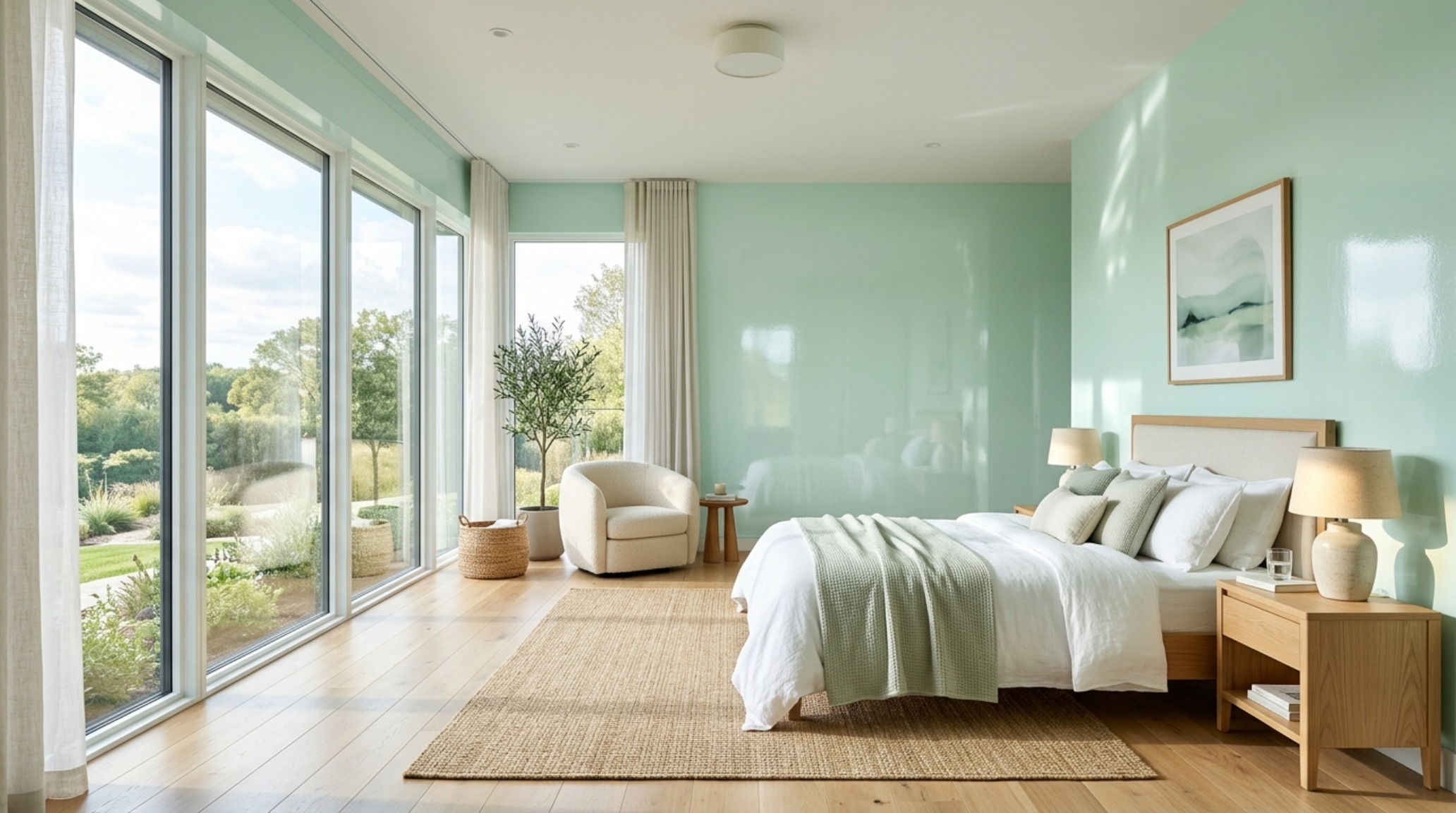
High LRV Paint Colors for Bedrooms: Mastering the Physics of Glow
To master high-vibrancy design, one must become fluent in LRV—Light Reflectance Value. This scale measures the percentage of light a paint color reflects. While bright bedroom color ideas often involve saturated pigments, the most successful implementations utilize high LRV paint colors for bedrooms that sit in the 70 to 85 range. Consider a color like Benjamin Moore’s ‘Sunlight’ or Farrow & Ball’s ‘Setting Plaster.’ These shades have enough pigment to vibrate with energy but enough white base to bounce light into the shadowy corners of the room. When choosing these tones, it is essential to account for the CRI (Color Rendering Index) of your lighting. A high CRI of 90+ ensures that your chosen high-chroma tones don’t shift into ‘muddy’ territory under artificial light. The goal is to create a ‘glow effect’ where the walls seem to emit their own light, reducing the reliance on overhead fixtures and leaning into the soft, diffused warmth of 2700K ambient lamps.
The Interaction of Texture and Saturation
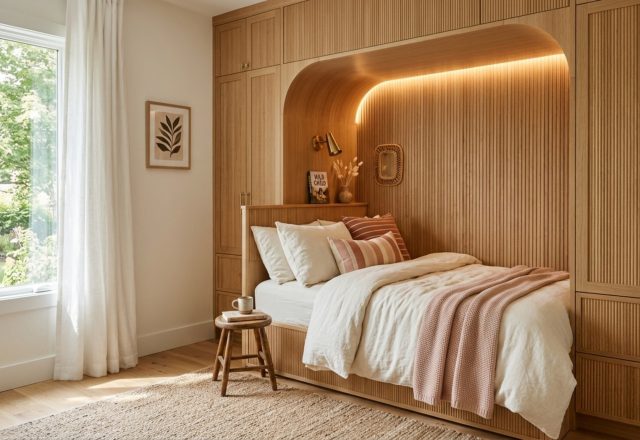
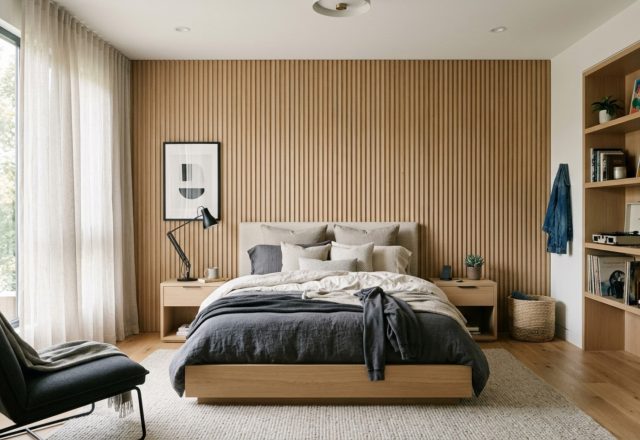
Saturation requires a counterbalance. If every surface is high-gloss and high-chroma, the room becomes an acoustic and visual echo chamber. To ground high LRV paint colors for bedrooms, we introduce organic textures. A wall of saturated sky blue finds its equilibrium when paired with a headboard in raw, fluted white oak or a rug of chunky, undyed wool. These natural elements provide the ‘tactile grounding’ necessary to prevent high-vibrancy colors from feeling flighty or superficial. The contrast between the sleekness of a high-CRI light hitting a smooth, colorful wall and the rough-hewn grain of timber creates a spatial cadence that is deeply sophisticated.
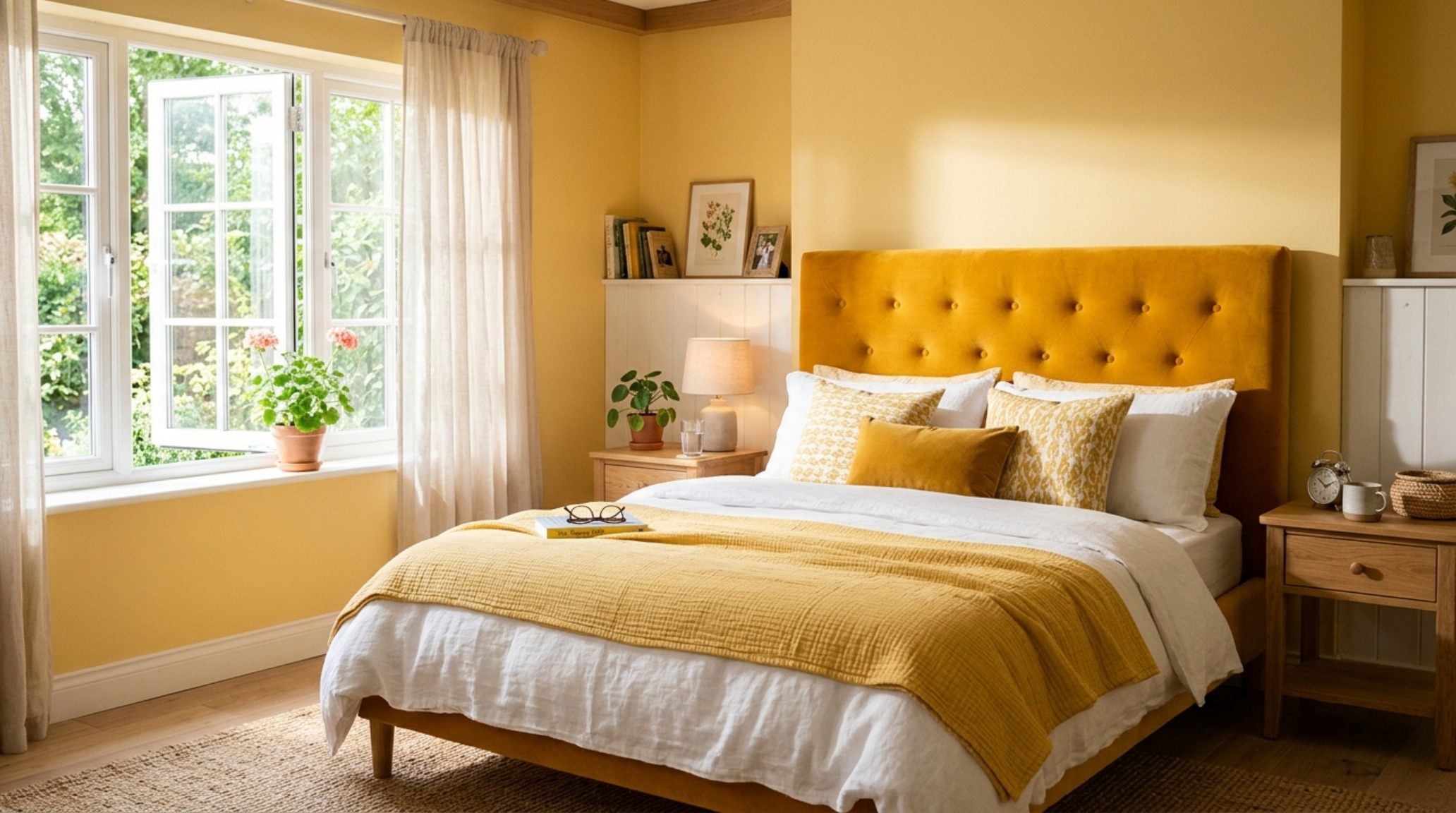
Sunny Yellow Bedroom Decor Trends: Bottling the Morning Sun
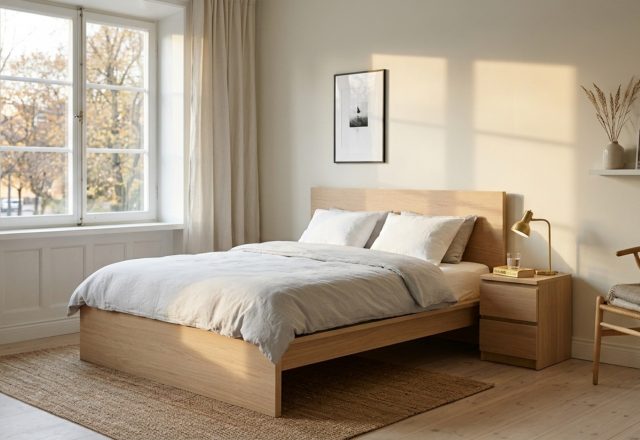
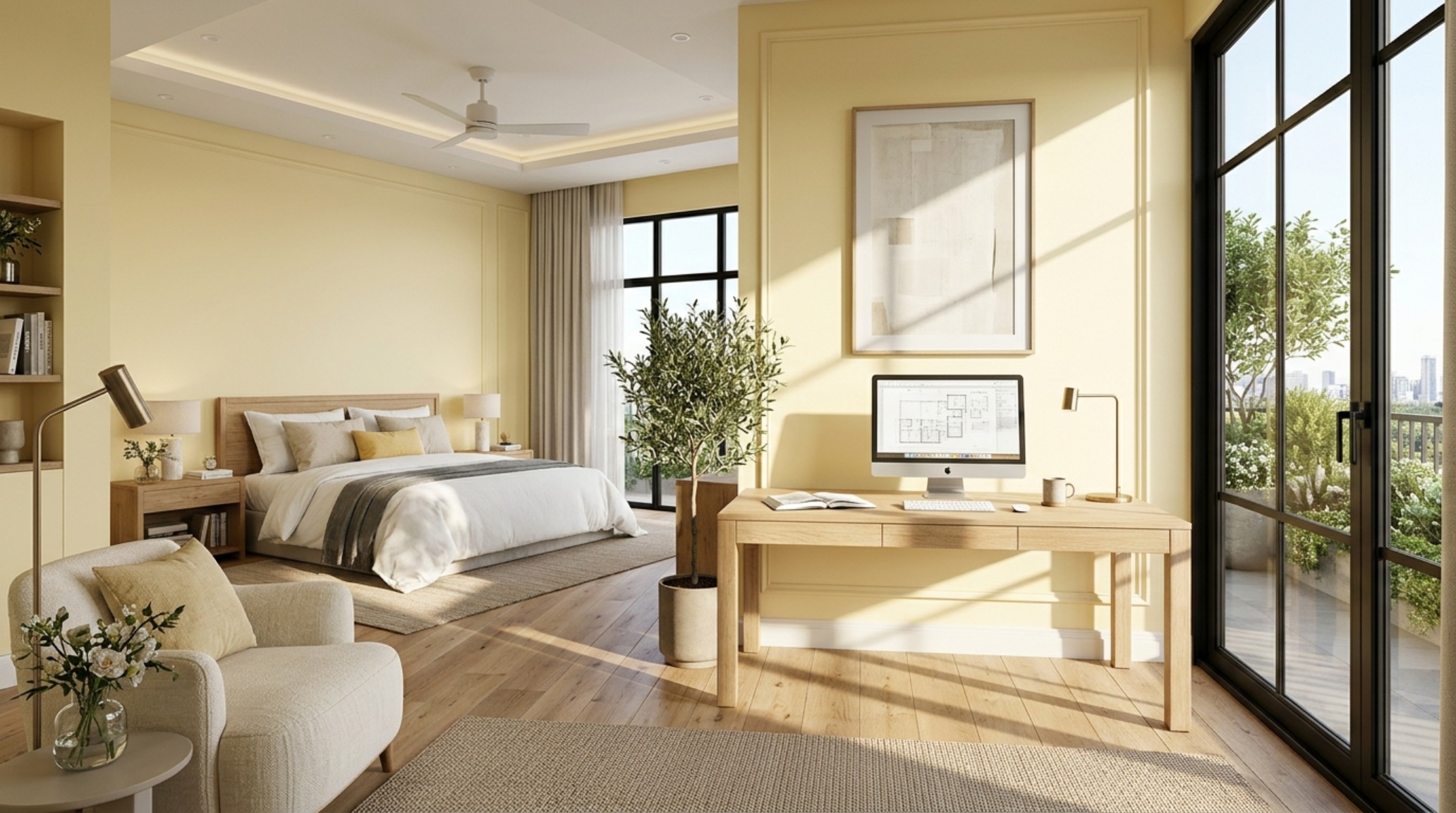
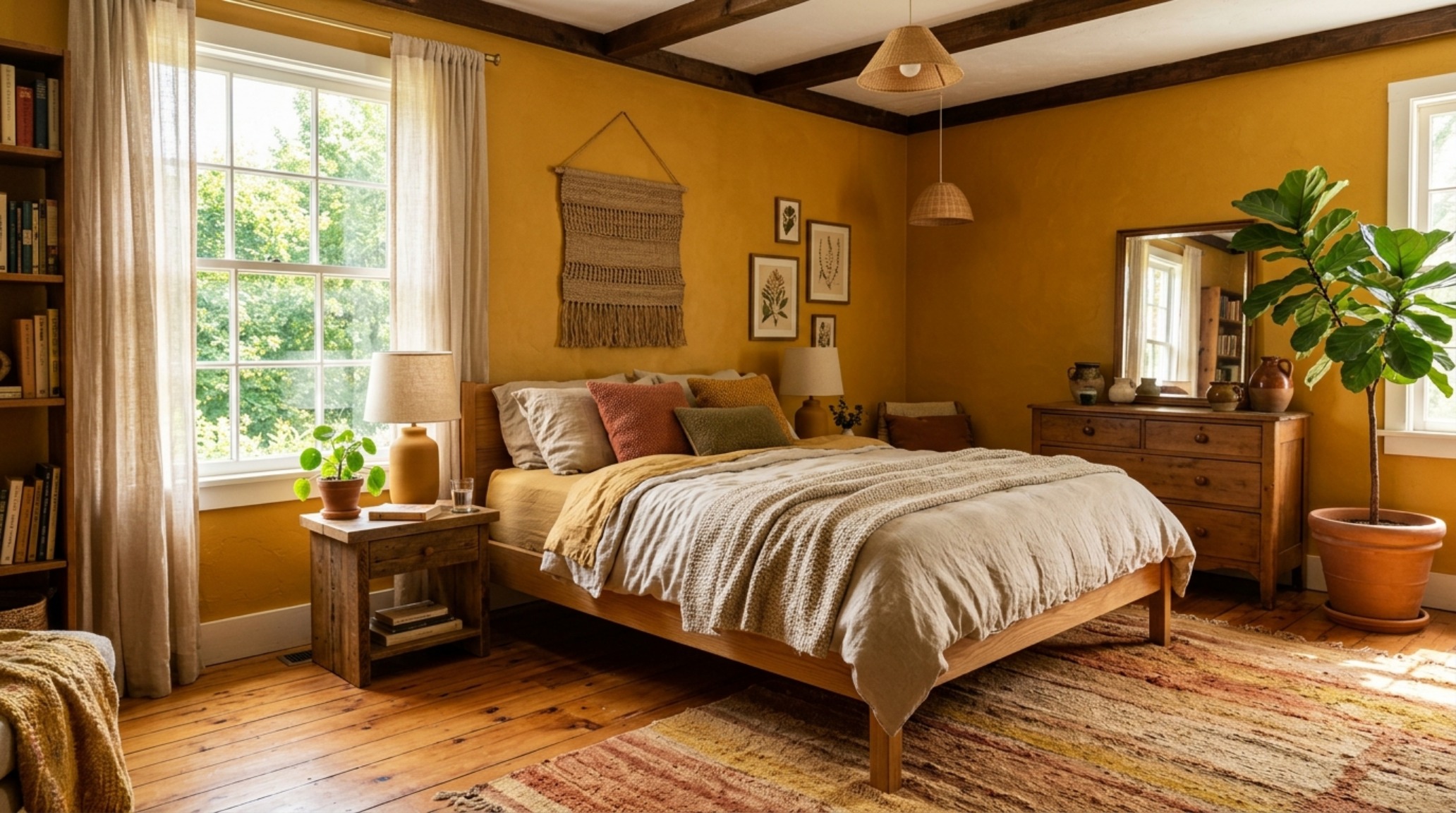
Yellow is perhaps the most difficult color to get right, yet it is currently dominating sunny yellow bedroom decor trends for its ability to mimic the serotonin-boosting effects of natural sunlight. The key is to avoid the ‘neon trap’ by selecting yellows with a slight ochre or butter base—think Farrow & Ball’s ‘Yellowcake’ or ‘Hay.’ These colors behave like a permanent sunrise. To integrate this effectively, one should observe the 18-inch coffee table reach rule for bedside surfaces; a saturated yellow room feels most expansive when the furniture is low-profile and horizontal, allowing the color to dominate the vertical sightlines. By layering citrus yellows with crisp white linens, you create a high-contrast environment that signals vitality to the brain the moment your eyes open. It is a multisensory approach to morning wellness.
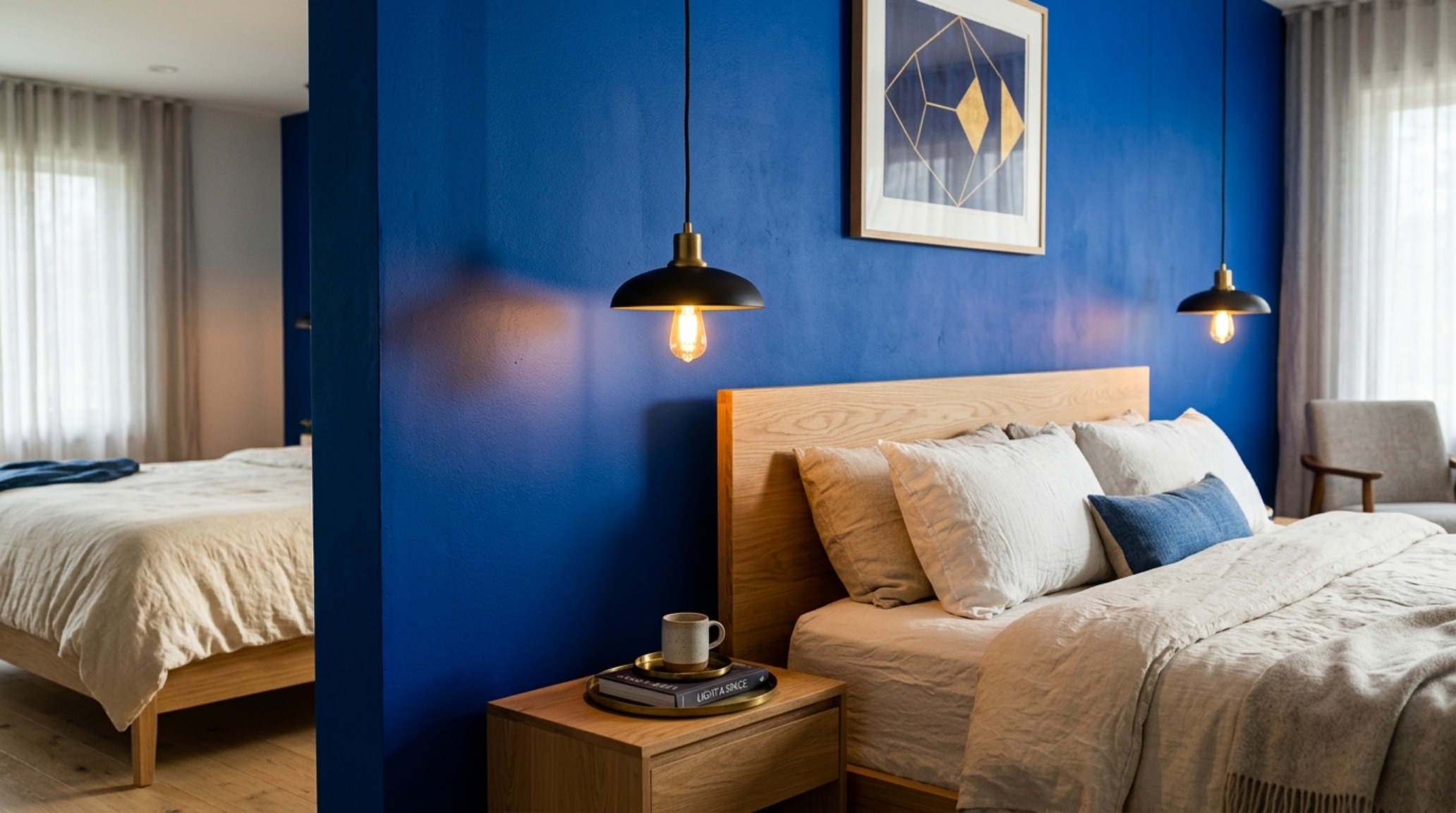
Bright Accent Wall Ideas for Master Suites: Creating a Focal Cadence
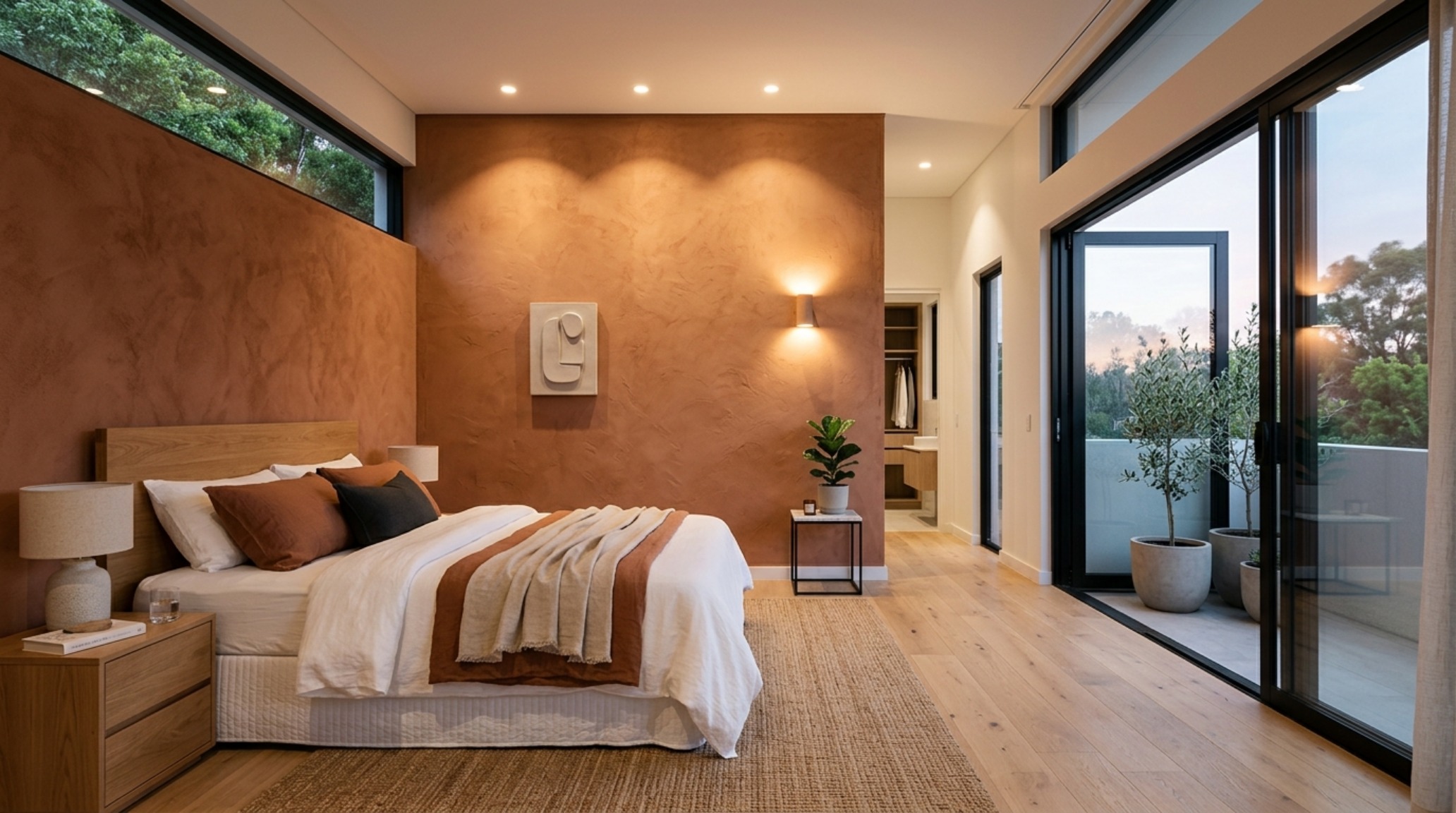
For those hesitant to commit to a full-room immersion, bright accent wall ideas for master suites offer a controlled way to experiment with high-chroma depth. The most impactful placement for an accent wall is always behind the headboard, as this creates a focal anchor without overwhelming the occupant’s field of vision while they are trying to sleep. Imagine a deep, vibrant cobalt or a rich terracotta placed strategically to frame the bed. To ensure architectural integrity, this wall should be treated with the same precision as a gallery installation. Ensure that any artwork mounted on a high-vibrancy accent wall features a generous 3-inch mat border to provide a visual ‘breather’ between the pigment and the art. This creates a layered effect that feels curated rather than accidental. When the accent wall is paired with 3000K task lighting for reading, the color takes on a secondary dimension, shifting from a daylight vibrant to a cozy, nocturnal cocoon.
Light Physics and the Architecture of Shadow
Every bright wall creates a corresponding shadow. In high-vibrancy design, we use these shadows to define the architecture of the room. By placing a high-chroma color on a wall that receives direct afternoon light, you create a dynamic environment where the color intensity changes hourly. This is where bright bedroom color ideas transition from mere decoration to a living, breathing component of the home’s envelope. The interplay between the sun’s angle and the wall’s saturation creates a ‘shadow play’ that adds architectural depth without the need for expensive structural modifications.
Airy Blue and White Bedroom Aesthetics: The Sky-Bound Escape
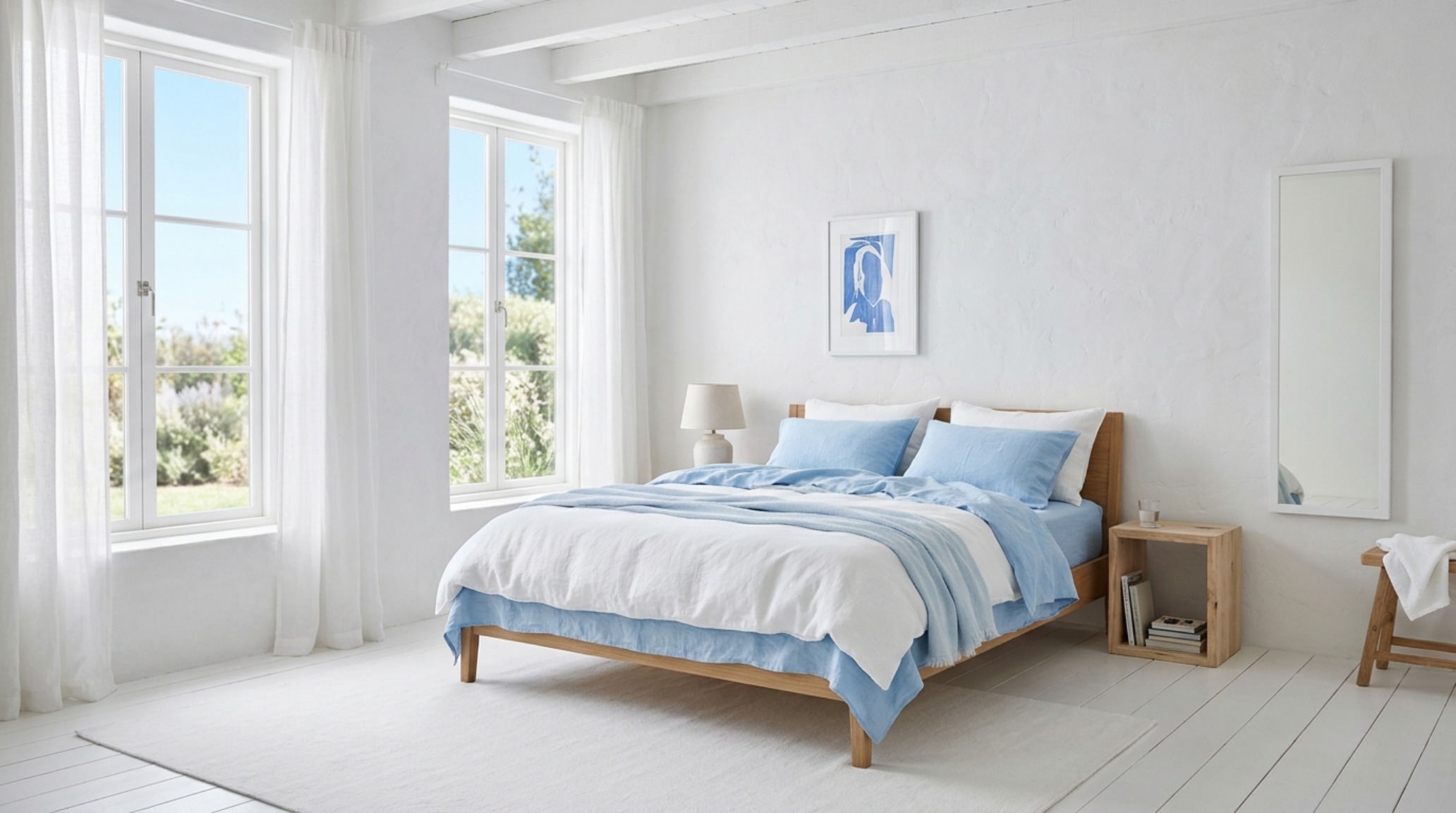
If yellow is about vitality, then airy blue and white bedroom aesthetics are about the architecture of breath. This palette relies on the ‘ethereal’ quality of light blues—shades that mimic the atmosphere at the horizon line. Using a color like Farrow & Ball’s ‘St. Giles Blue’ against a ceiling painted in a high-gloss ‘Swiss Coffee’ white creates a feeling of infinite vertical space. This combination is particularly effective when used in rooms with 30-inch dining chair clearances (or desk clearances), as the cool tones create a sense of calm focus. The white elements in the room act as ‘negative space breathing room,’ allowing the blue to feel like a window to the outside world rather than a solid barrier. It is the ultimate antidote to the ‘boxed-in’ feeling of modern urban living.
Modern Dopamine Decor Paint Palettes: The Multisensory Experience
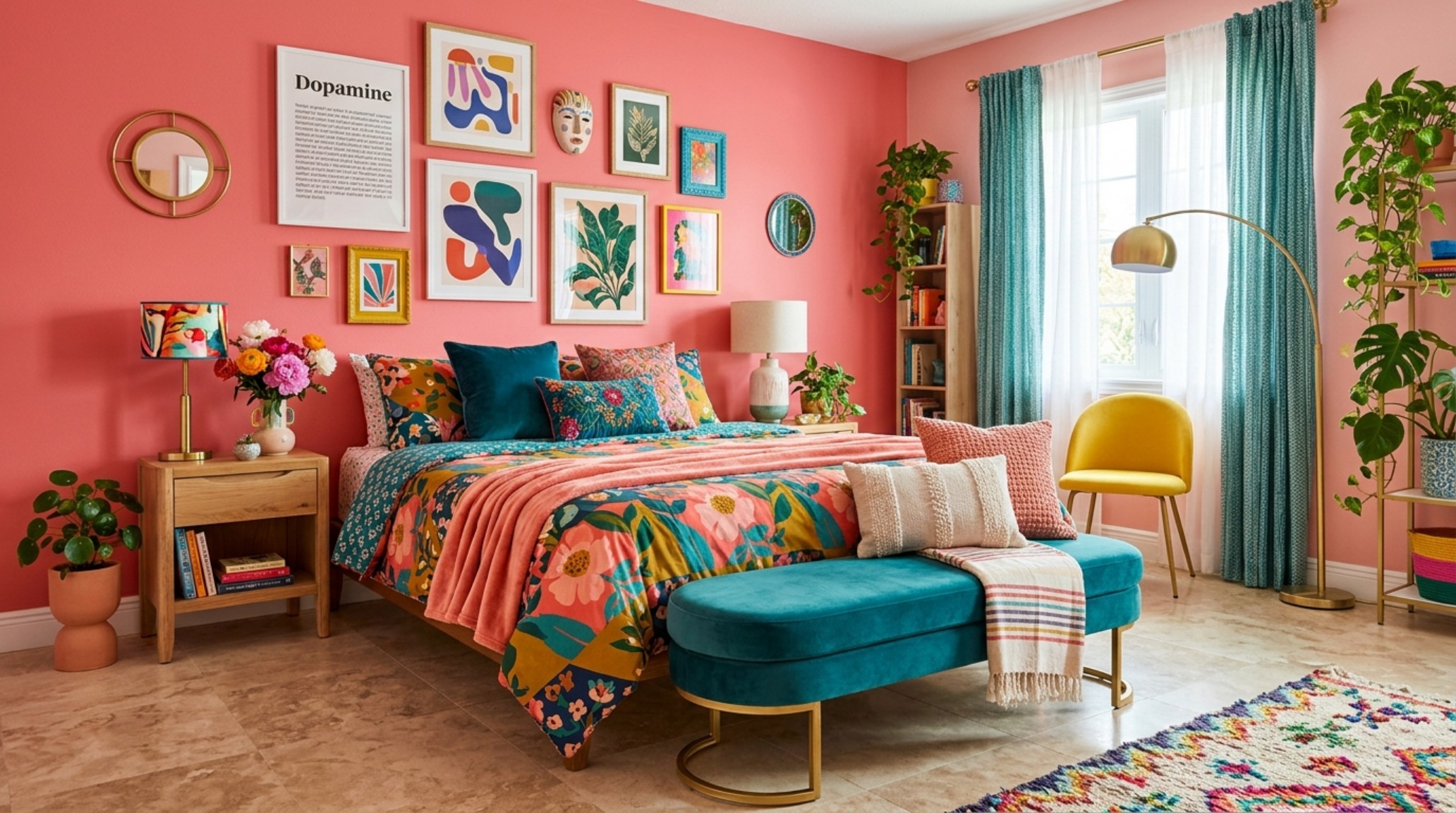
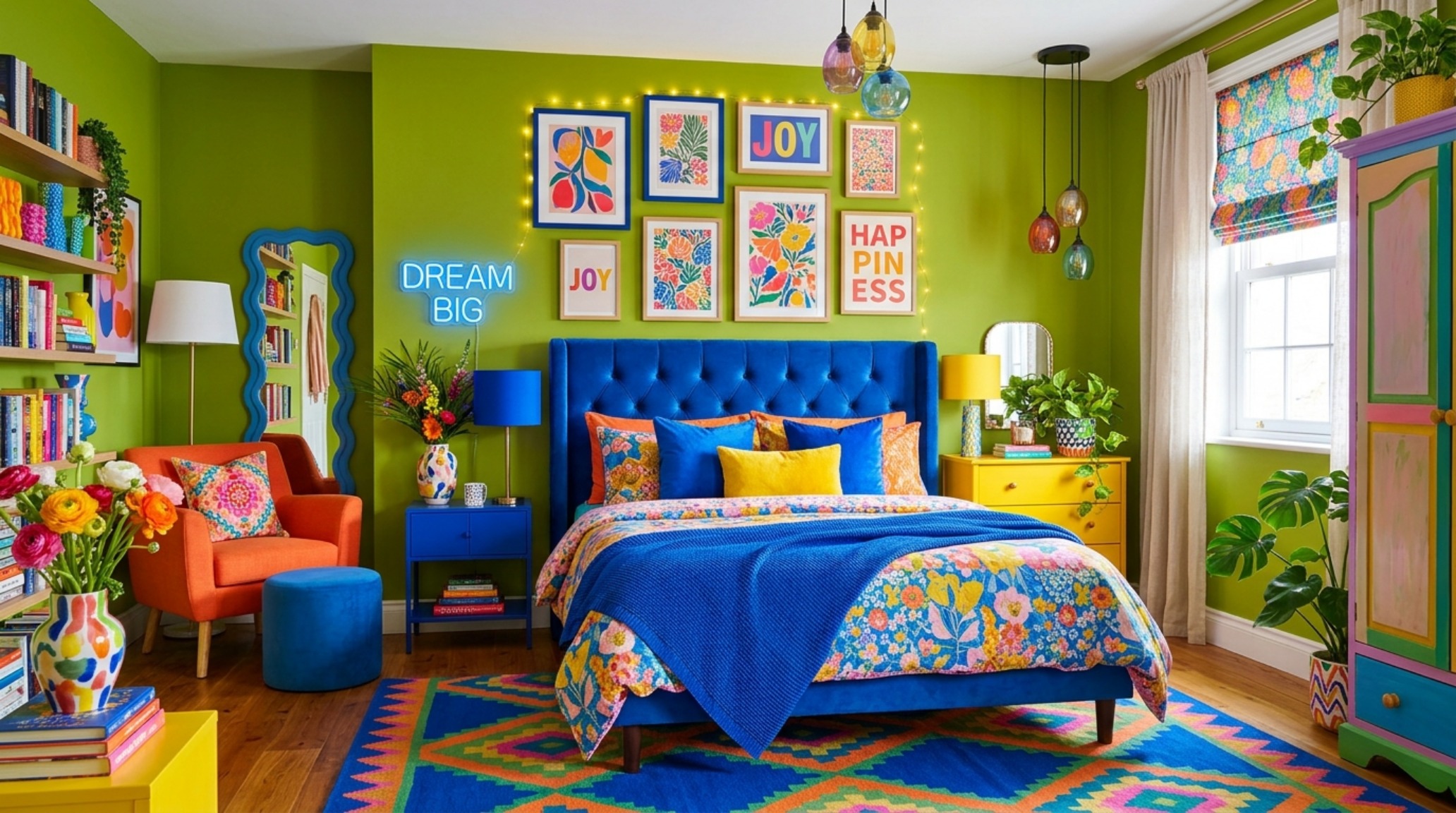
The rise of modern dopamine decor paint palettes marks a shift toward unapologetic personal expression. This design movement encourages the layering of multiple high-vibrancy tones—perhaps a coral wall, a teal velvet bench, and a lemon-yellow lamp. The success of this approach lies in ‘sightline alignment.’ As you move through the bedroom, each color should reveal itself in a planned sequence. For example, a 36-inch primary circulation path should lead the eye toward the most saturated element of the room. This creates a ‘spatial narrative’ that feels intentional. By grounding these high-chroma choices with authentic materials like honed travertine or fluted oak, you ensure that the ‘dopamine hit’ is balanced by a sense of luxury and permanence. It is not about a temporary trend; it is about creating a space that resonates with the unique emotional frequency of its inhabitant.
Visual Anthology of Spatial Living
In our exploration of vibrant sanctuaries, we look at how the transition between different hues can define the functionality of a space. A bedroom is not just for sleeping; it is for the transition between the subconscious and the waking world. By using bright bedroom color ideas that transition from high-energy yellows near the windows to calming blues near the dressing area, we create a room that supports the natural rhythm of the day. The visual narrative of a well-designed bedroom is one of balance—where the vibrancy of the palette is held in check by the strictness of the architectural clearances and the quality of the natural light.
Design Blueprint: Materials, Light & Dimensions
Curated palette registry detailing authentic textures, lighting Kelvin ratings, and ergonomic reach.
The ultimate success of a vibrant bedroom lies in its ability to transform throughout the day. As the sun sets, the high-chroma tones that energized the morning should soften into rich, shadowy depths under the glow of warm-toned lighting. This evolution of color is what makes a house feel like a living entity. We are not just painting walls; we are setting the stage for the emotional experience of home. By embracing bright bedroom color ideas with architectural rigor and tactile sensitivity, we create sanctuaries that do more than just house us—they nourish us. The future of interior design is one of bold, intentional vibrance that respects the quietude of the evening while celebrating the vitality of the dawn.
Editorial Silo • Recommended Architecture Studies
- The Architectural Playbook: Cute Bedroom Ideas For Girls & Optimizing Structural Flow and Custom Joinery in Girls’ Bedrooms — Archival Design Case Study
- The Tactile Aesthetic of Cool Bedrooms For Teenagers: Materials, Moods & Lighting Kelvin — Archival Design Case Study
Architectural Space Catalog
Architectural studies focusing on material integrity, natural light articulation, and serene proportions.
Curated Visual Lookbook
Design Gallery & Spatial Studies
A visual curation of architectural arrangements, lighting concepts, and material palettes featured in this space.