The Weight of Architectural Heritage
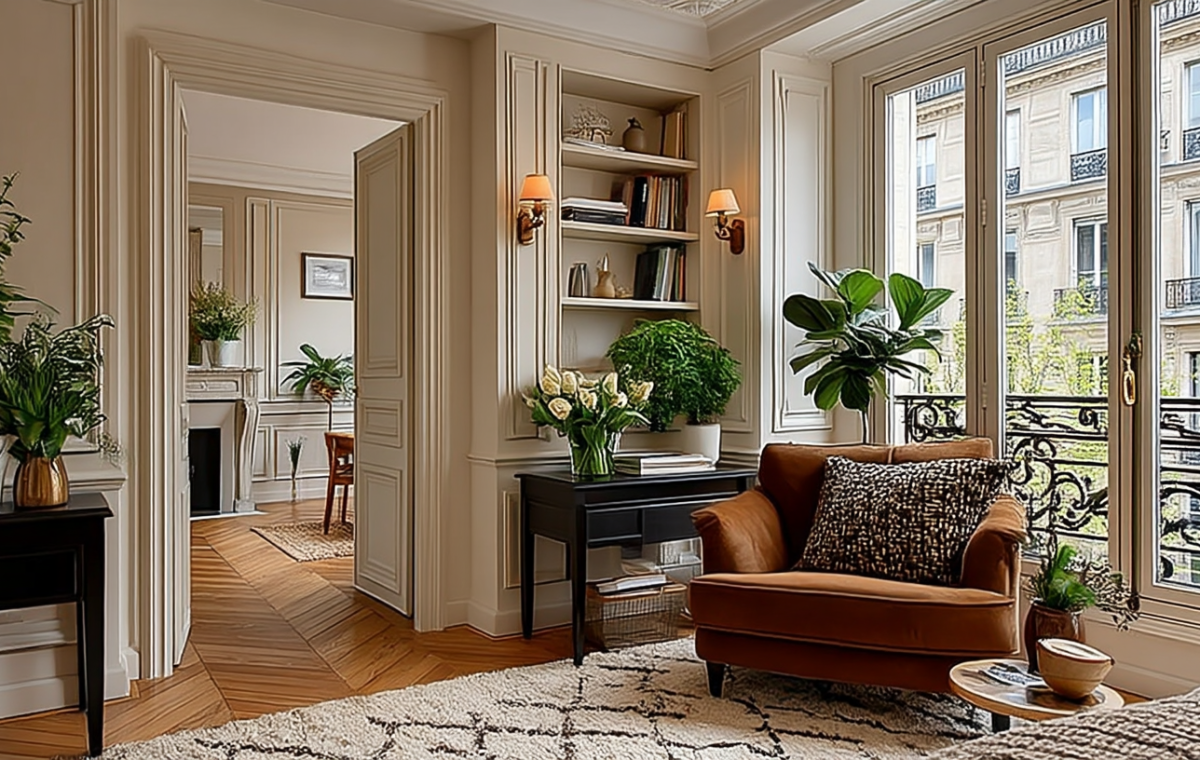
Historic European apartments command a specific design discipline. You do not fight ornate wall moldings or towering double doors. You lean into them. When a space already possesses centuries of character through carved paneling and soaring ceiling heights, modern furniture needs just the right amount of gravity to hold its ground. Heavy wood floors laid in crisp geometric patterns demand furniture that feels collected rather than showroom-fresh.
Neutral colorways rule these rooms for a reason. Soft creams, chalky ivories, and muted taupes let the natural light from tall casement windows bounce freely across the plasterwork. Yet, total neutrality can drift into sterility if you fail to introduce friction. A deep rust-colored armchair or a blackened wooden side table anchors the airy envelope. Contrast prevents elegance from turning into a museum.
Layering Texture Over Timeless Details
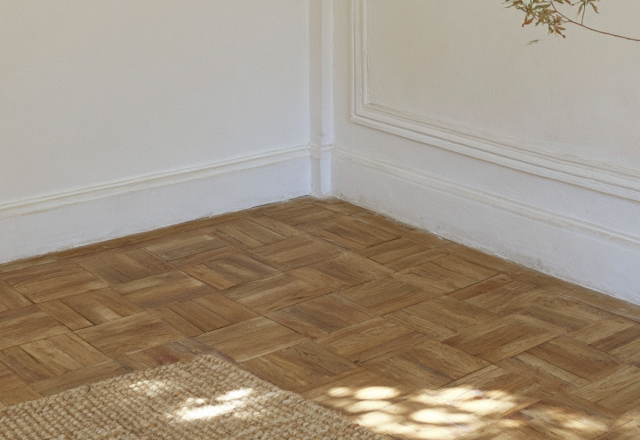
Textiles carry the burden of warmth in rooms dominated by hard plaster and glass. Consider the floor beneath your feet. A thick, textured wool rug with subtle geometric distressing breaks up the rigid lines of parquet wood without competing for attention. It invites bare feet and softens the acoustic echo typical of high-ceilinged historic chambers.
- Incorporate dark wood or painted black accent furniture to ground pale walls.
- Mix velvet upholstery with raw linen and heavy woven wools.
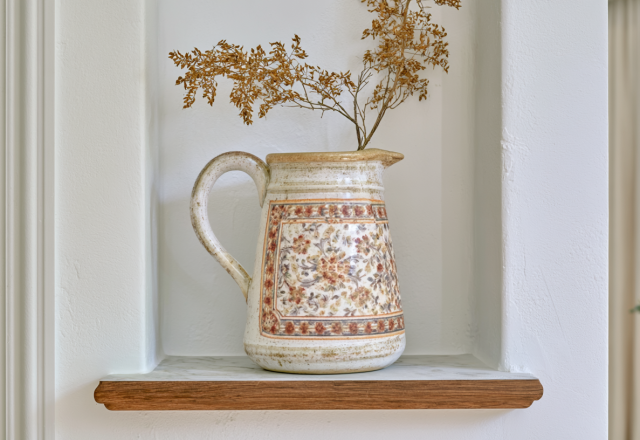
- Use built-in shelving not just for books, but as negative space to let decorative objects breathe.
Plants also play a vital role in keeping historic interiors feeling alive. A sprawling fiddle-leaf fig or a cluster of delicate ferns positioned near tall windows bridges the gap between urban architecture and organic growth. They introduce wild, asymmetrical shapes that soften the rigid geometry of French boiserie.
The Practical Reality of Historic Layouts
Living spaces connected by grand interior doorways challenge traditional furniture placement. Traffic flows differently when every room opens directly into the next. Instead of pushing sofas against walls, floating seating groups in the center of a room often creates better intimacy. It acknowledges the scale of the architecture while carving out human-sized zones for conversation or reading.
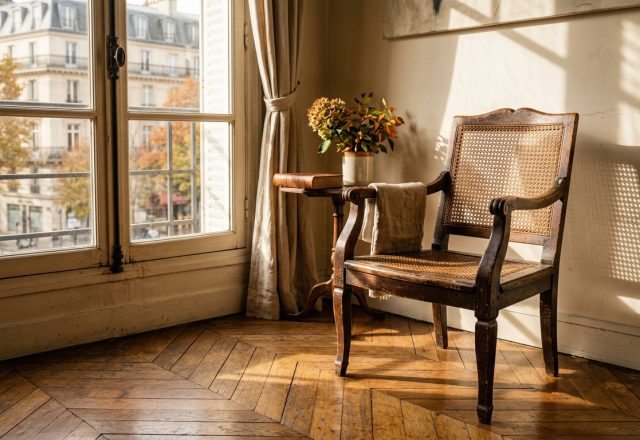
Upkeep requires patience, too. Historic plaster demands gentle maintenance, and delicate wrought-iron balcony railings outside require seasonal checks. But the effort pays off every time afternoon light filters through tall glass panes, casting long shadows across herringbone oak floors. How do you balance preserving historic architectural integrity with modern daily comfort in your own living space?
Editorial Lookbook & Photo Collection