The Atmosphere of Intent: Beyond the Flat Minimalist Horizon
There is a specific kind of quiet that only arrives when afternoon light grazes the grain of a hand-planed walnut table, revealing the microscopic peaks and valleys of the wood. These shifting furniture design trends reflect a collective yearning to move beyond the sterile, pixel-perfect renders of the last decade toward something visceral. We are witnessing the dawn of ‘Sensory Sovereignty,’ an era where the home is no longer a visual backdrop for a screen, but a three-dimensional vessel for tactile experience. This pivot is not merely about aesthetic preference; it is an architectural response to a world that feels increasingly intangible. When we touch a cold, hand-forged steel handle or rest our weight on a chair upholstered in heavyweight Belgian linen, we are grounding ourselves in the physical reality of our environment.
As we observe the evolution of the modern interior, the ‘flatness’ of mid-century mimicry is being replaced by a layered depth that demands engagement. The furniture design trends dominating the current landscape prioritize the way a material responds to the human hand. It is about the friction of unhoned stone, the warmth of oil-rubbed bronze, and the subtle scent of vegetable-tanned leather. This is the new luxury—not the brand name or the price tag, but the quality of the sensory dialogue between the inhabitant and the object. We are no longer designing rooms to be looked at; we are curating environments to be felt, where every sightline and surface is an invitation to pause and connect with the material world.
Sculptural Home Decor: Balancing Artistry and Ergonomics
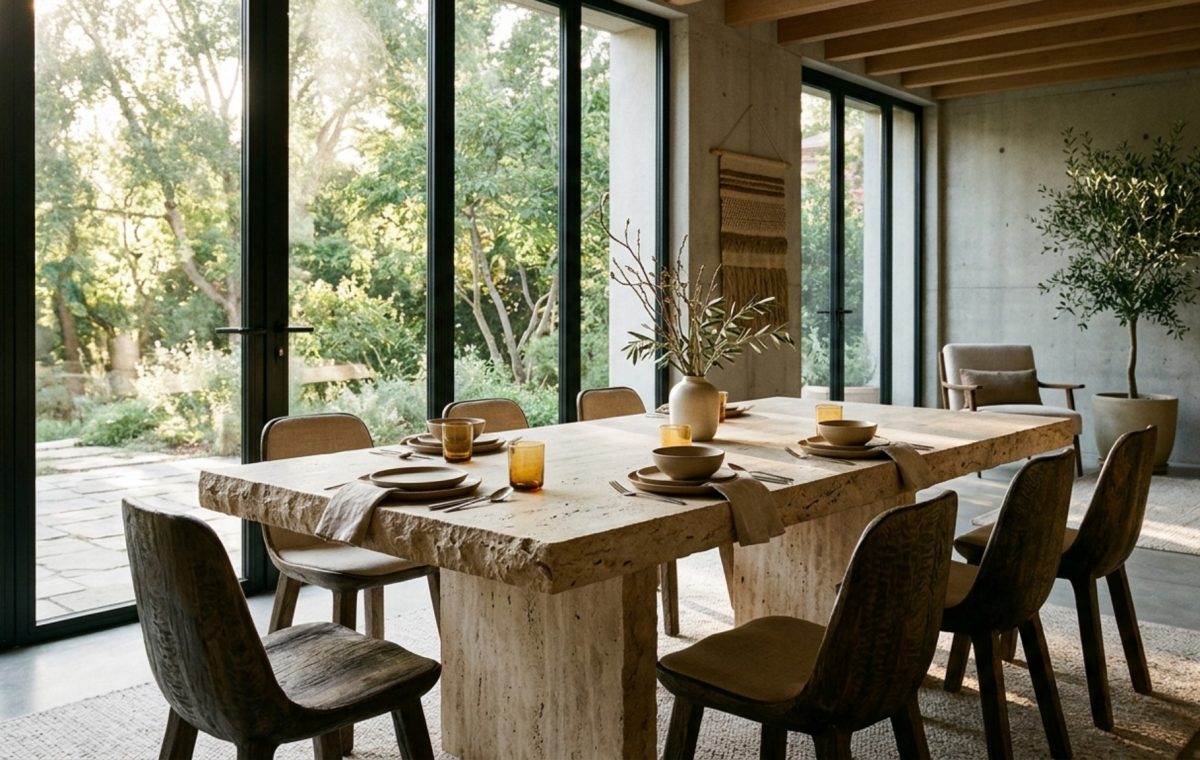
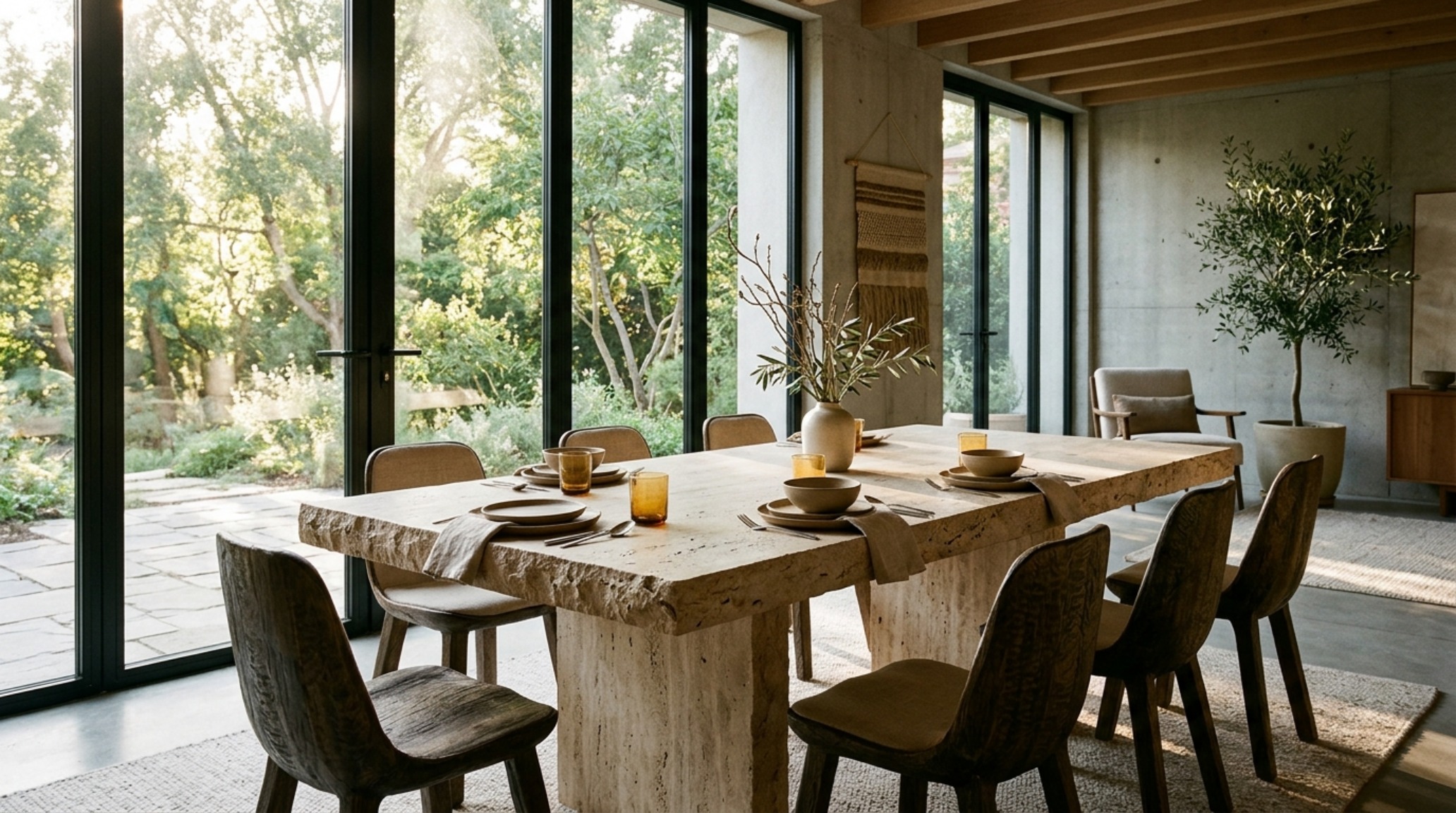
The boundary between furniture and fine art has effectively dissolved. In the current design cycle, we are seeing a surge in pieces that function as spatial anchors—items that possess enough visual mass to define a room without the need for excessive ornamentation. Sculptural home decor is no longer reserved for the pedestal; it has moved into the functional realm. Consider the dining table with a monolithic travertine base or a sofa with a continuous, serpentine silhouette that mimics the topography of a landscape. These pieces utilize furniture design trends to create a sense of ‘spatial cadence,’ where the eye is led through the room by the rhythm of curves and shadows rather than sharp, discordant angles.
Ergonomics in this sculptural era have undergone a sophisticated refinement. A chair can look like a piece of gallery art, but if it fails the 30-inch dining clearance rule or lacks lumbar support, it is a failure of design. The most successful 2025 pieces manage to hide their mechanical intelligence beneath fluid forms. We are seeing a return to the ‘carved’ look, where wood is shaped to cradle the body, eliminating the need for bulky cushions. This architectural rigor ensures that while the form is daring, the comfort is absolute. The negative space around these sculptural objects is just as important as the objects themselves, allowing the ‘sculptural form’ to breathe and the inhabitant to move with ease.
2025 Interior Design Forecast: The Death of the Flat Surface
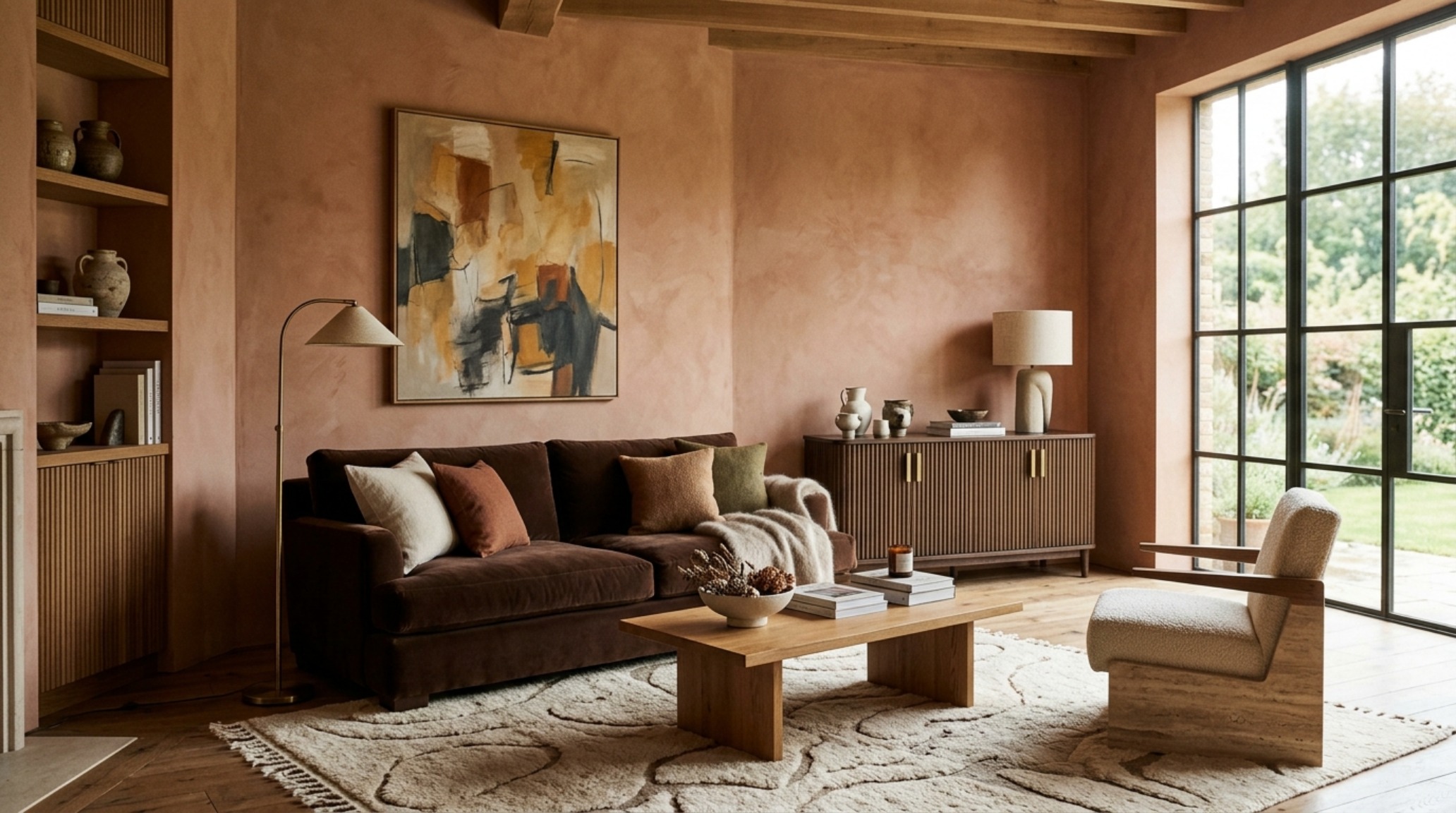
The 2025 interior design forecast points toward a definitive rejection of the ‘safe’ white-box aesthetic. In its place, we are seeing the rise of the ‘New Maximalism’—a philosophy of abundance that focuses on depth rather than clutter. This movement is anchored by a material palette that celebrates imperfection. We are seeing hand-troweled lime wash walls that catch the light at different angles and fluted cabinetry that adds a vertical rhythm to kitchens. These furniture design trends are about breaking up the monotony of flat planes. Even in minimalist settings, the ‘flatness’ is being disrupted by the application of ‘Mocha Mousse’ tones and deep ‘Cherry Red’ accents that provide a sense of atmospheric weight and historical grounding.
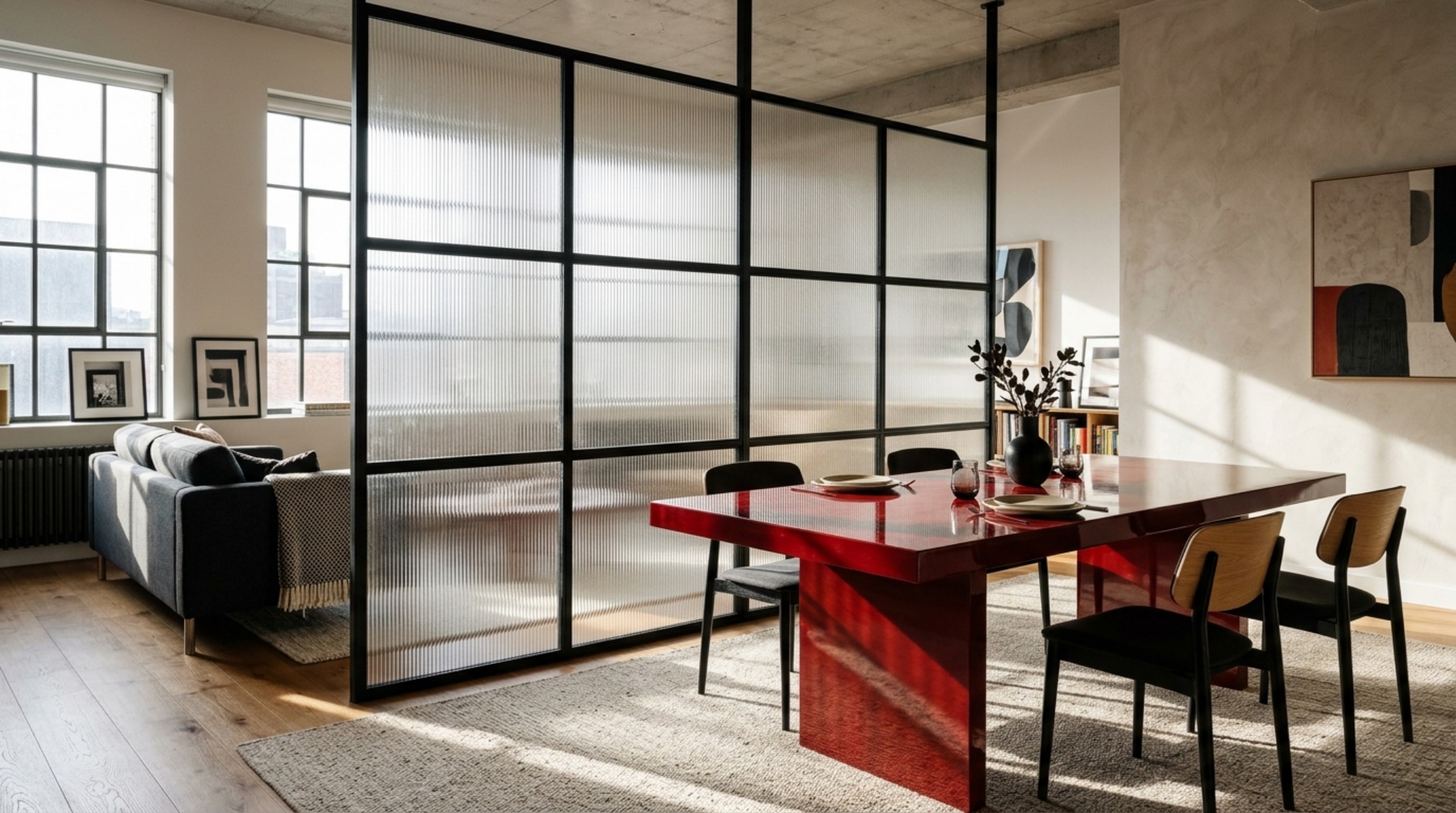
Color is being used not as a coating, but as a structural element. When a room is drenched in a single, saturated hue—like Farrow & Ball’s Setting Plaster—the furniture within it takes on a different character. The interplay between the wall color and the furniture design trends of the moment creates a cohesive envelope. Light-filtering materials, such as reeded glass and open-weave rattan, play a crucial role here, casting intricate shadow patterns that change throughout the day. This dynamic environment ensures that the home is never static; it is a living, breathing entity that evolves with the sun’s path across the sky.
Bespoke Artisan Furniture: The Soul of the Room
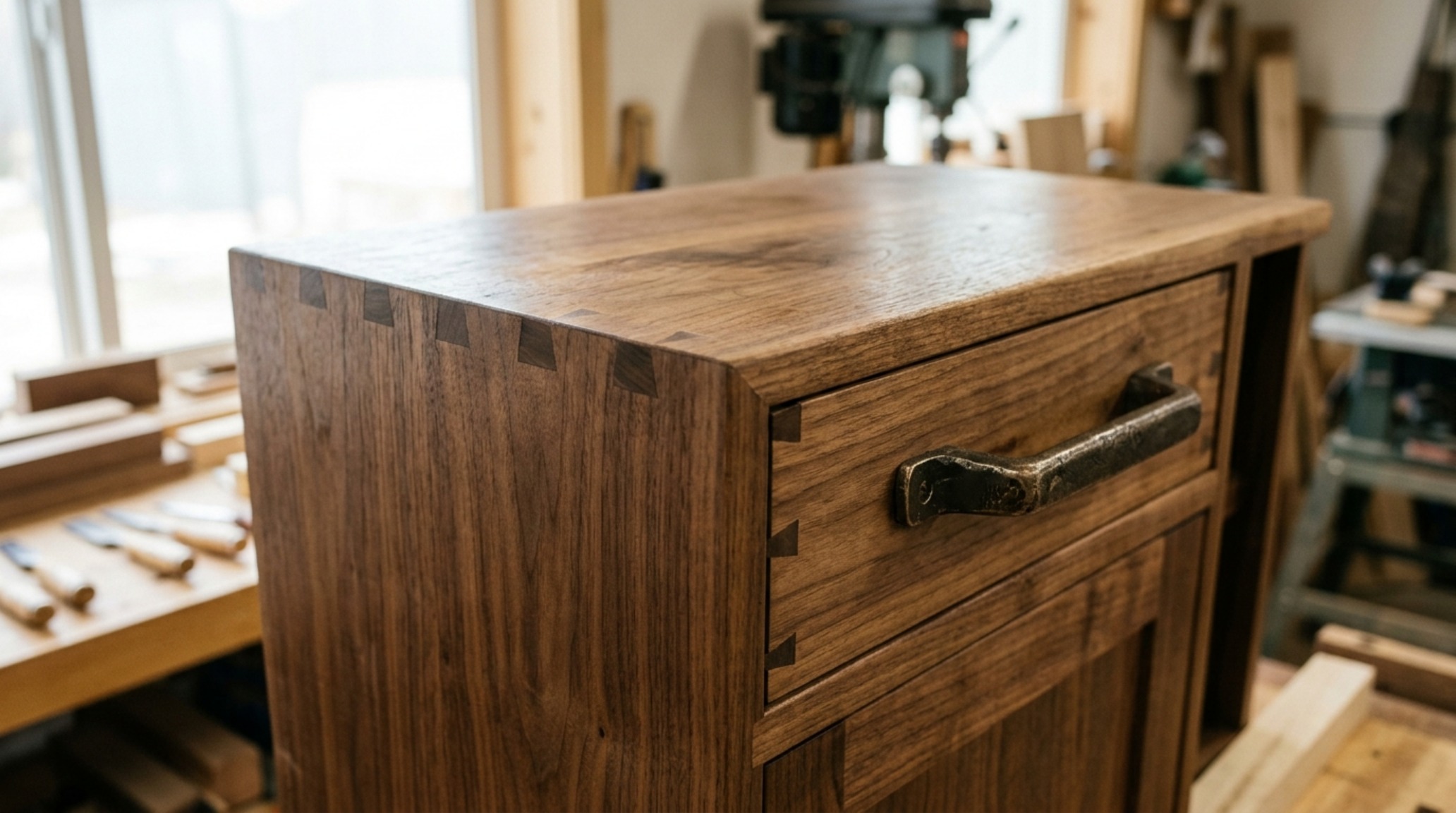
In a world of mass production, the ‘bespoke’ has become the ultimate marker of sovereignty. Bespoke artisan furniture represents a return to the guild-like traditions of craftsmanship, where the maker’s hand is visible in every joint and finish. These pieces are often the result of a collaboration between the designer and the craftsperson, ensuring that the furniture design trends are translated through a lens of local materiality and personal narrative. Whether it is a hand-turned leg on a side table or a custom-cast bronze light fixture, these elements provide a room with its ‘soul.’ They are the anti-algorithm choice, resisting the pressure of fleeting fashions in favor of ‘practical longevity.’
Working with an artisan allows for a level of precision that off-the-shelf options simply cannot match. It allows for the perfect alignment of sightlines—ensuring that a custom sideboard sits at the exact height to meet a window sill or that a dining bench is precisely scaled to allow for the standard 36-inch primary circulation path. This marriage of architectural rigor and artisanal skill is what defines the most successful contemporary interiors. These furniture design trends are not about novelty; they are about the pursuit of the ‘perfect fit,’ both spatially and emotionally.
Eco-Friendly Furniture Materials: The New Luxury Standard
Sustainability has shifted from a buzzword to a fundamental design requirement. The furniture design trends of 2025 and beyond are deeply rooted in eco-friendly furniture materials that prioritize the health of the planet and the occupant. We are seeing a move away from synthetic glues and VOC-heavy finishes toward natural alternatives like linseed oil, beeswax, and soy-based resins. Materials like reclaimed cork, hempcrete, and FSC-certified timbers are being reimagined through a high-design lens. This is ‘conscious materiality,’ where the provenance of every component is scrutinized for its environmental footprint.
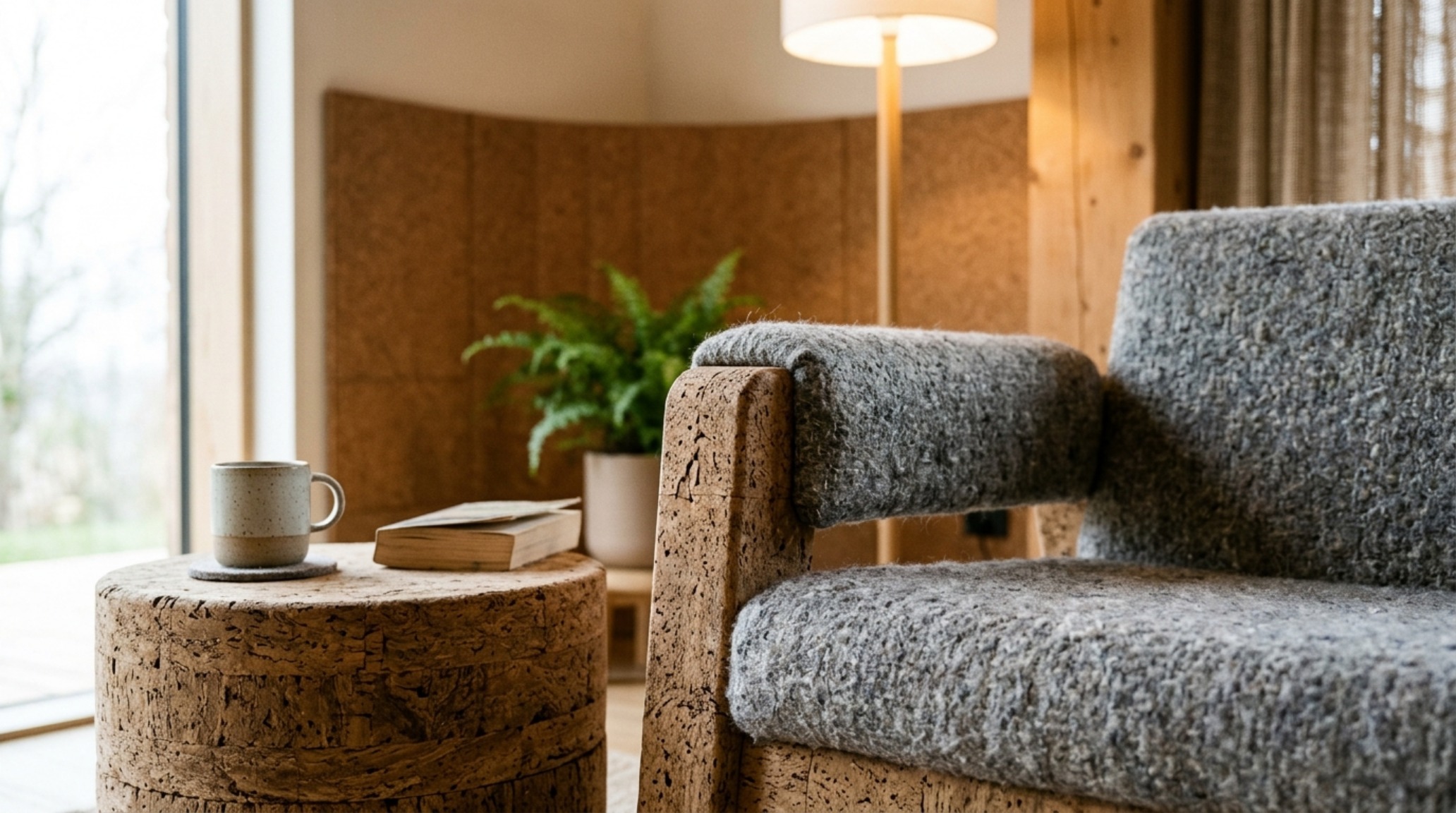
The aesthetic of eco-design has also matured. It is no longer about a ‘rustic’ look; it is about refined, high-performance surfaces. Mycelium-grown ‘leather’ and recycled aluminum are being used to create sleek, modern silhouettes that rival traditional luxury materials. These furniture design trends prove that ethics and aesthetics can coexist beautifully. By choosing materials that age gracefully—like copper that develops a patina or solid wood that can be refinished multiple times—we are moving toward a ‘circular’ home. This focus on durability is perhaps the most sustainable choice of all, reducing the cycle of waste and celebrating the beauty of a life well-lived.
Multifunctional Small Space Furniture: Intelligence in Motion
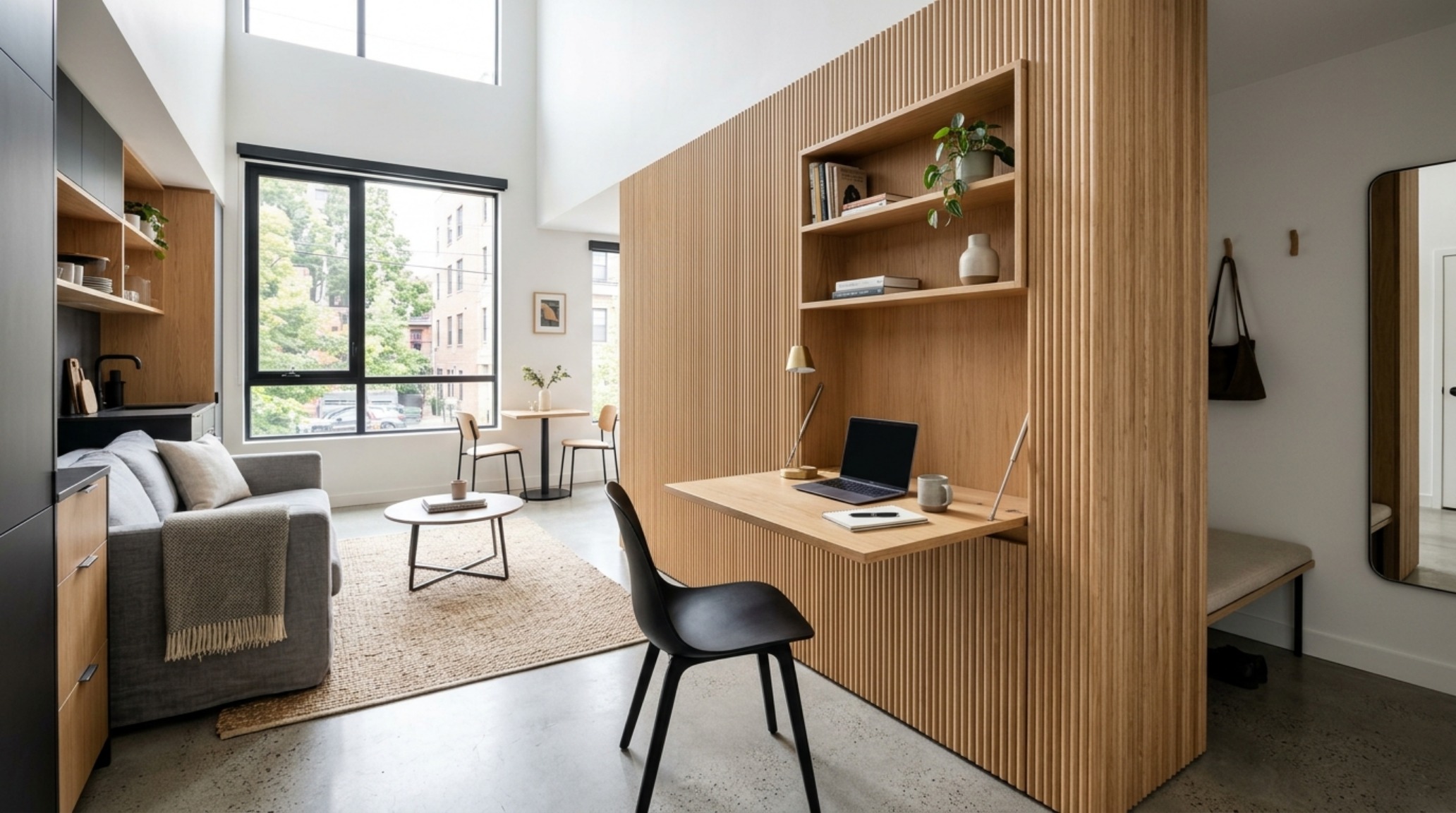
As urban living spaces become more compact, the demand for multifunctional small space furniture has reached a fever pitch. However, the current iteration of this trend is a far cry from the clunky ‘transformer’ pieces of the past. Today’s furniture design trends focus on ‘hidden intelligence’—pieces that look like static, beautiful objects but offer sophisticated utility. Think of a minimalist console table that expands into a full-scale dining table with a 30-inch clearance for guests, or a modular sofa system where the armrest doubles as a walnut work surface. This is design that respects the constraints of the floor plan while maximizing the potential for living.
Spatial efficiency is now a matter of architectural choreography. We use ‘spatial cadence’ to ensure that even in a small room, there is a sense of flow. By utilizing furniture design trends like floating vanities or wall-mounted shelving, we open up the ‘floor plane,’ creating the illusion of more space. Light-colored woods like Benjamin Moore’s Swiss Coffee-stained oak can help bounce light into darker corners, while mirrors placed at the end of a sightline can double the perceived depth of a room. The goal is to create a space that feels expansive and deliberate, regardless of its actual square footage.
Retro-Modern Furniture Revival: Nostalgia Meets Performance
There is a powerful comfort in the familiar, which explains the ongoing retro-modern furniture revival. We are seeing a resurgence of silhouettes from the 1970s and 80s—the low-slung ‘pit’ sofas, the rounded chrome edges, and the bold use of lacquer. However, these furniture design trends are not literal reproductions. They are being updated with 21st-century performance fabrics and improved ergonomic standards. A vintage-inspired velvet armchair today is likely upholstered in a stain-resistant, high-CRI fiber that can withstand the rigors of a modern family home while still offering that deep, nostalgic tactile grounding.
This revival is about more than just ‘vibes’; it is about a return to a more expressive, playful era of design. The integration of furniture design trends from the past allows for a layered, ‘collected’ look that feels more authentic than a room full of matching contemporary pieces. By mixing a sleek, modern glass coffee table (placed at the standard 18-inch reach from the sofa) with a vintage teak sideboard, we create a dialogue between different eras. This tension between the old and the new is what gives a room its character and ensures that the design remains timeless rather than trendy.
The Visual Concept Gallery: Materiality & Form
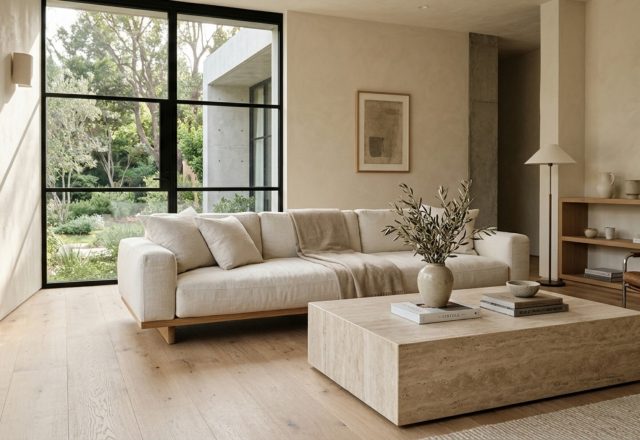
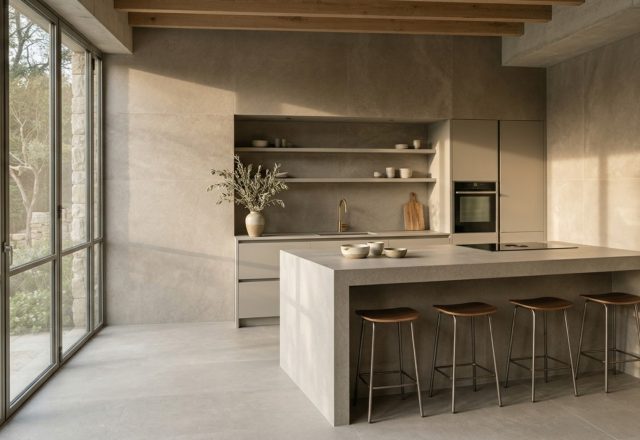
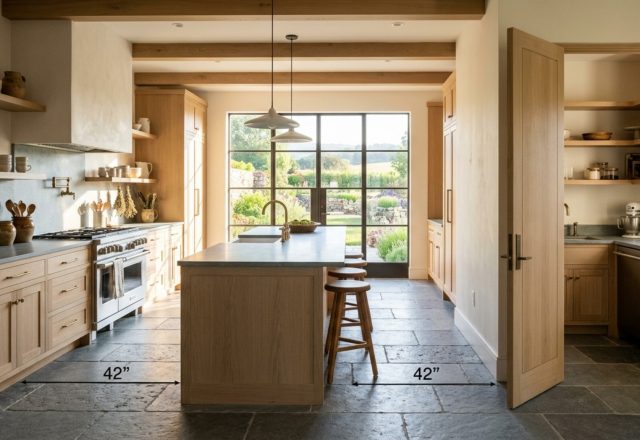
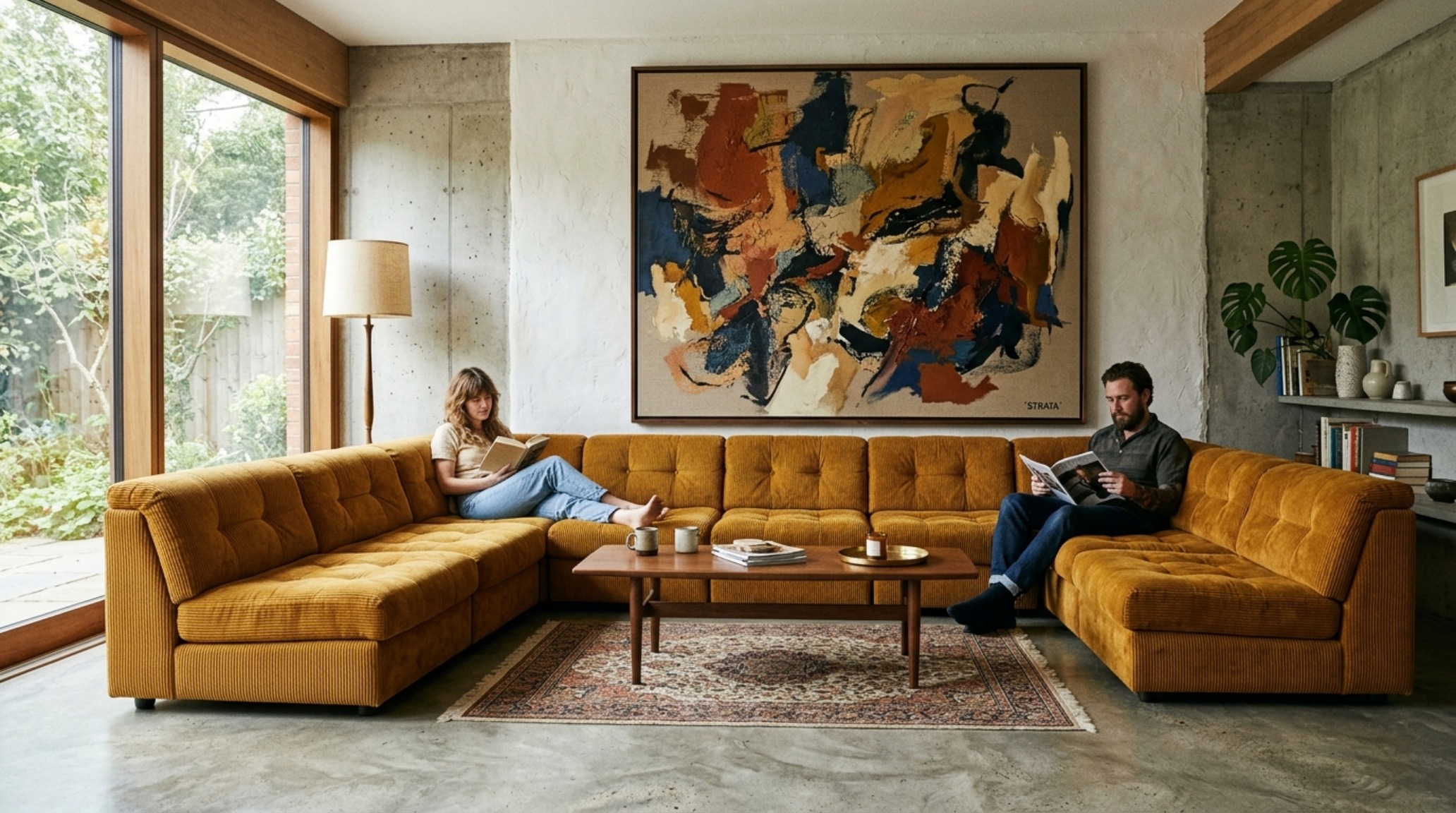
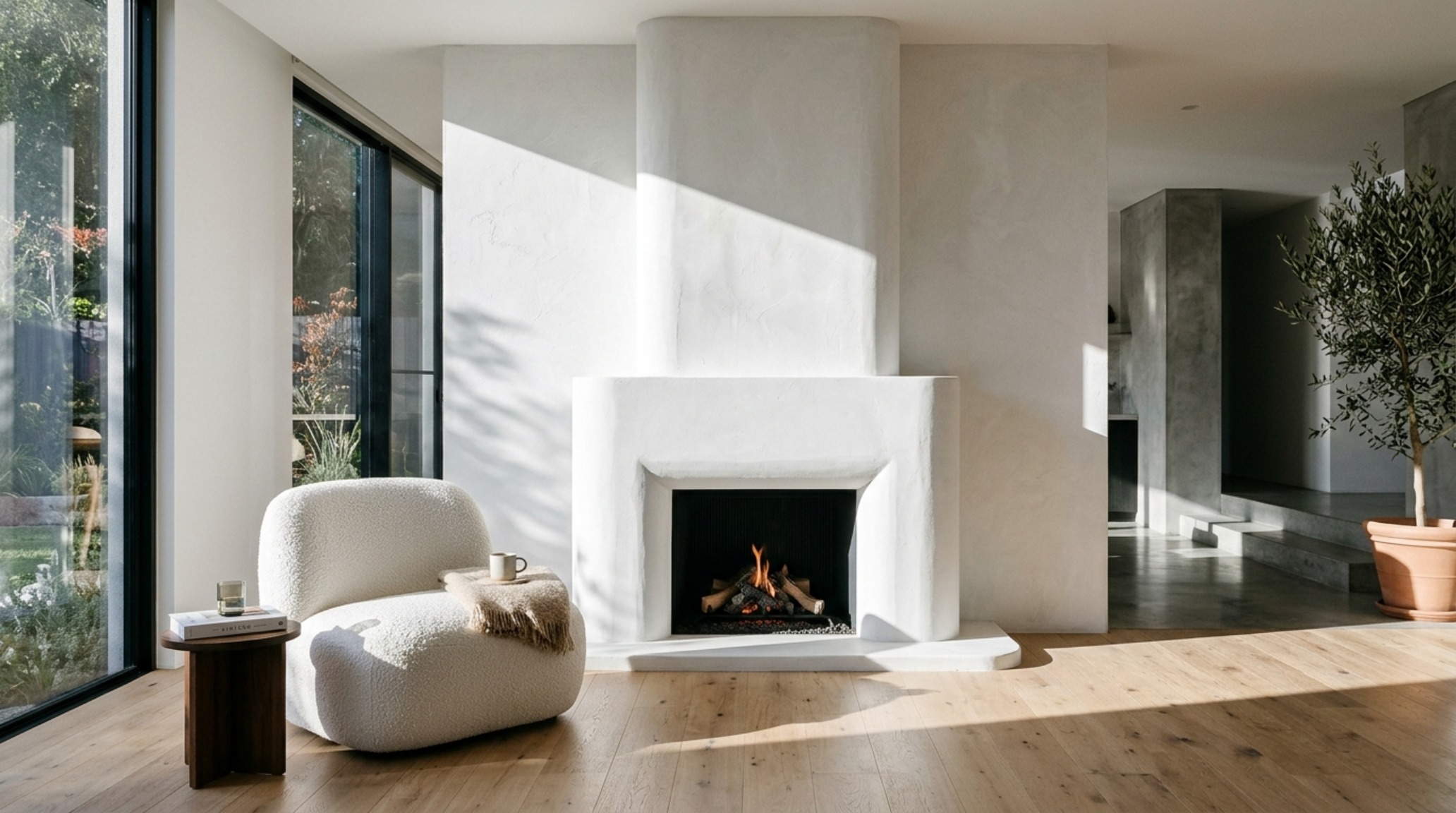
The following showcase illustrates the practical application of these sensory principles. From the way light filters through a reeded glass screen to the heavy, grounding presence of a stone kitchen island, these vignettes demonstrate how furniture design trends are manifesting in real-world architectural contexts. Notice the use of negative space around each piece, allowing the ‘sculptural form’ to serve as a focal point. The color stories—ranging from warm alabaster to deep charcoals—provide the atmospheric foundation upon which these material stories are built. Each frame is a study in the ‘spatial cadence’ that defines a well-resolved modern interior.
Design Ledger: Materials, Palette & Clearances
Comprehensive material guide featuring exact paint swatches, authentic finishes, and spatial clearances.
The future of living is not found in the rejection of technology or the blind embrace of the past, but in a synthesized sovereignty over our surroundings. As we move further into this decade, the most resonant furniture design trends will be those that honor the human need for both beauty and utility. Our homes are the final frontier of the physical world, the one place where we can truly curate the sensory inputs of our daily lives. By prioritizing materiality, color, and light, we transform a mere shelter into a deeply personal sanctuary. The era of the ‘flat’ home has ended; the era of the immersive, tactile, and deeply felt environment has only just begun.
Editorial Silo • Recommended Architecture Studies
- The Materiality Manifesto: Curation, Color Theory, and Sensory Depth in Modern House Design Blogs — Archival Design Case Study
- The Architectural Blueprint: Mastering Spatial Flow with Monolithic Kitchen Tile Options — Archival Design Case Study
Refined Living Space Catalog
Architectural studies focusing on material integrity, natural light articulation, and serene proportions.
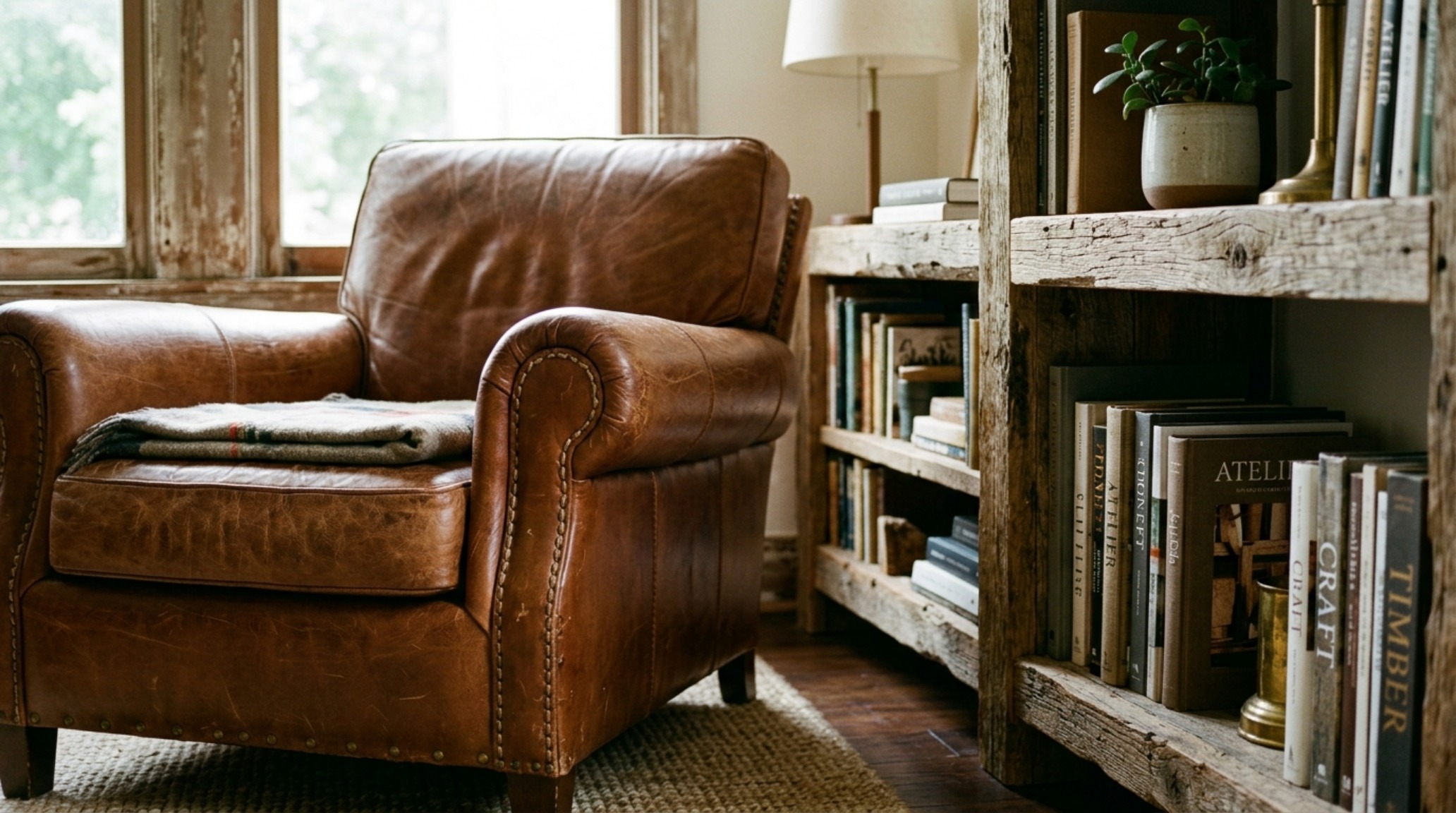
Curated Visual Lookbook
Design Gallery & Spatial Studies
A visual curation of architectural arrangements, lighting concepts, and material palettes featured in this space.