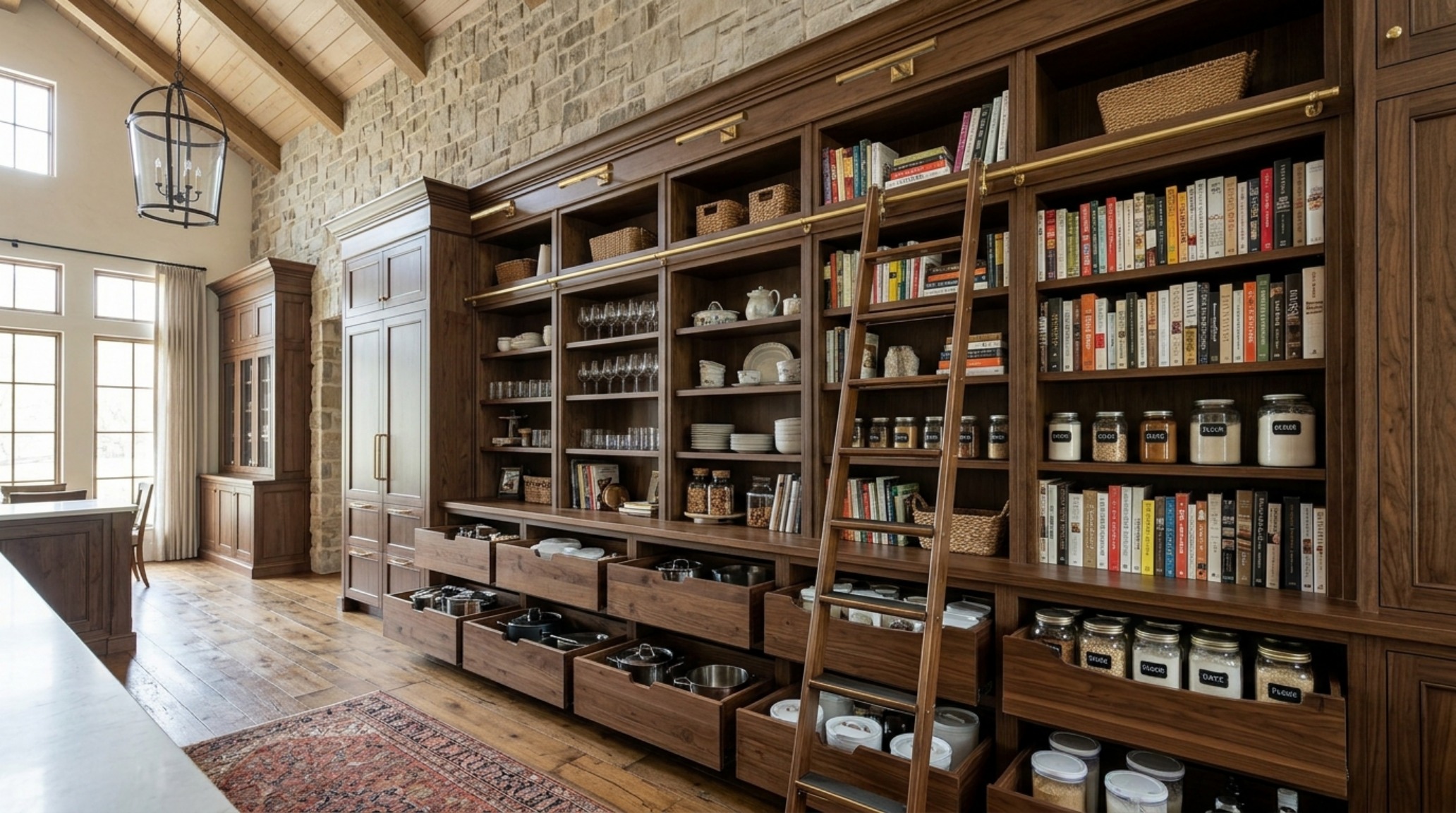
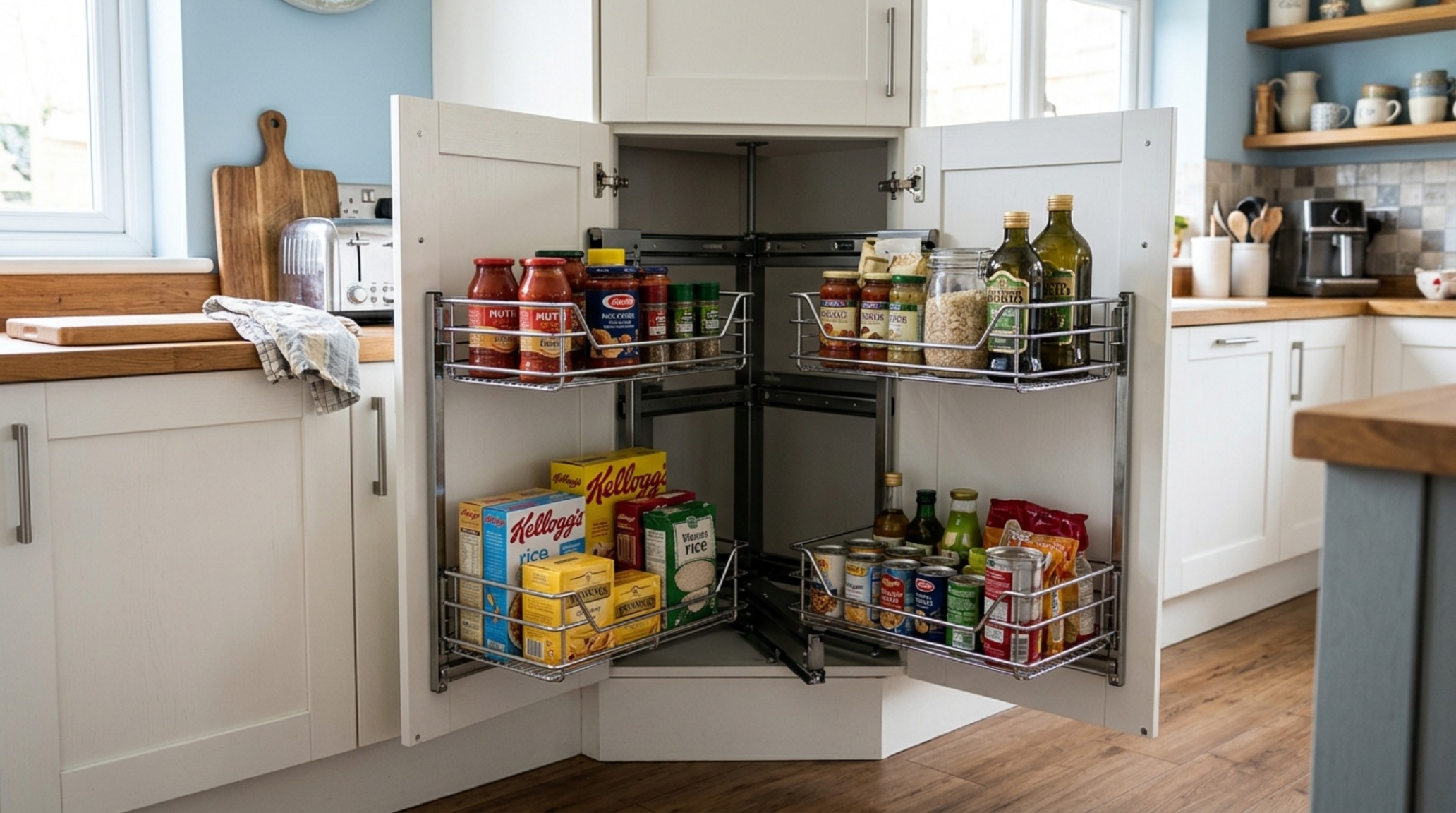
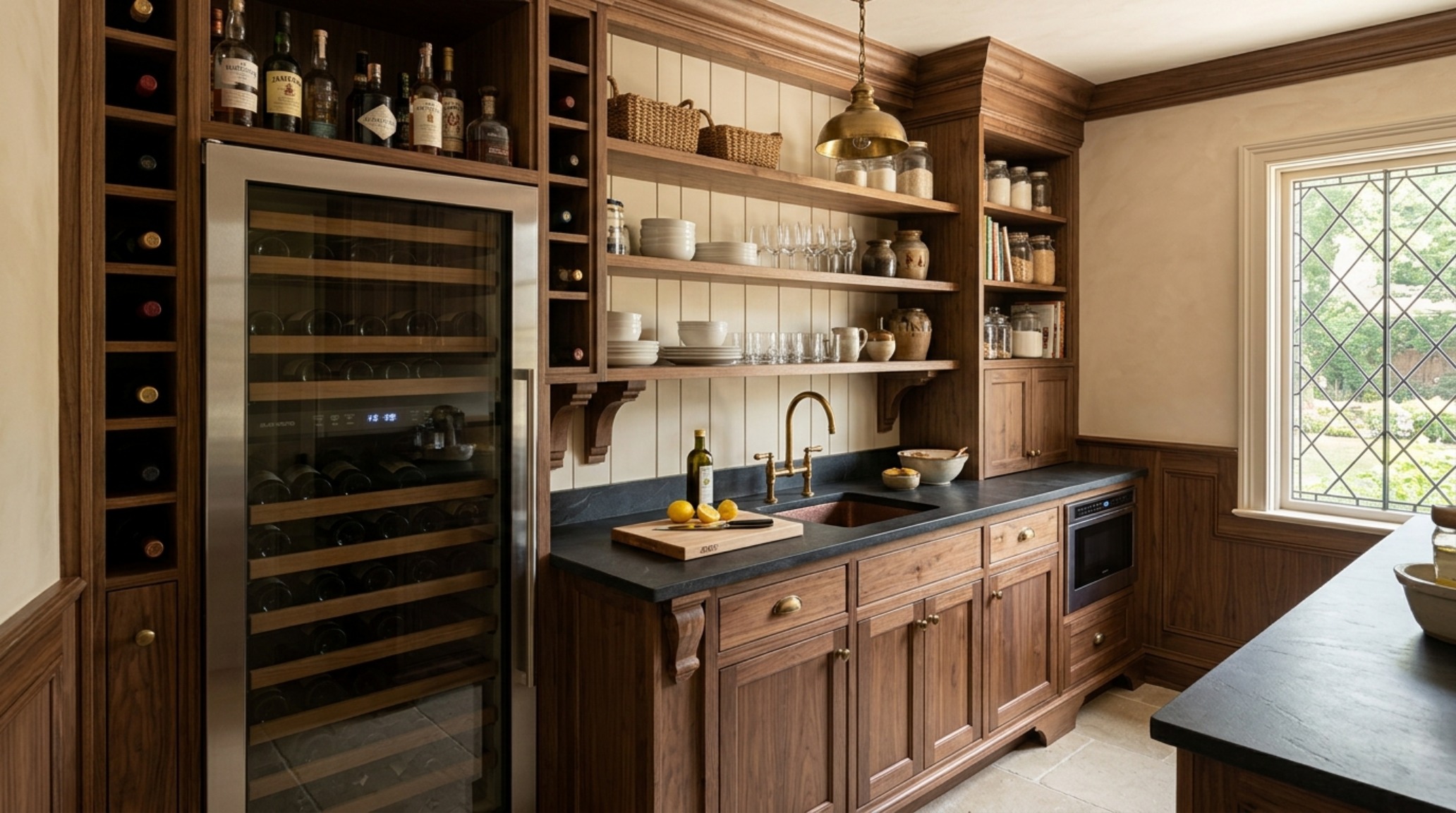
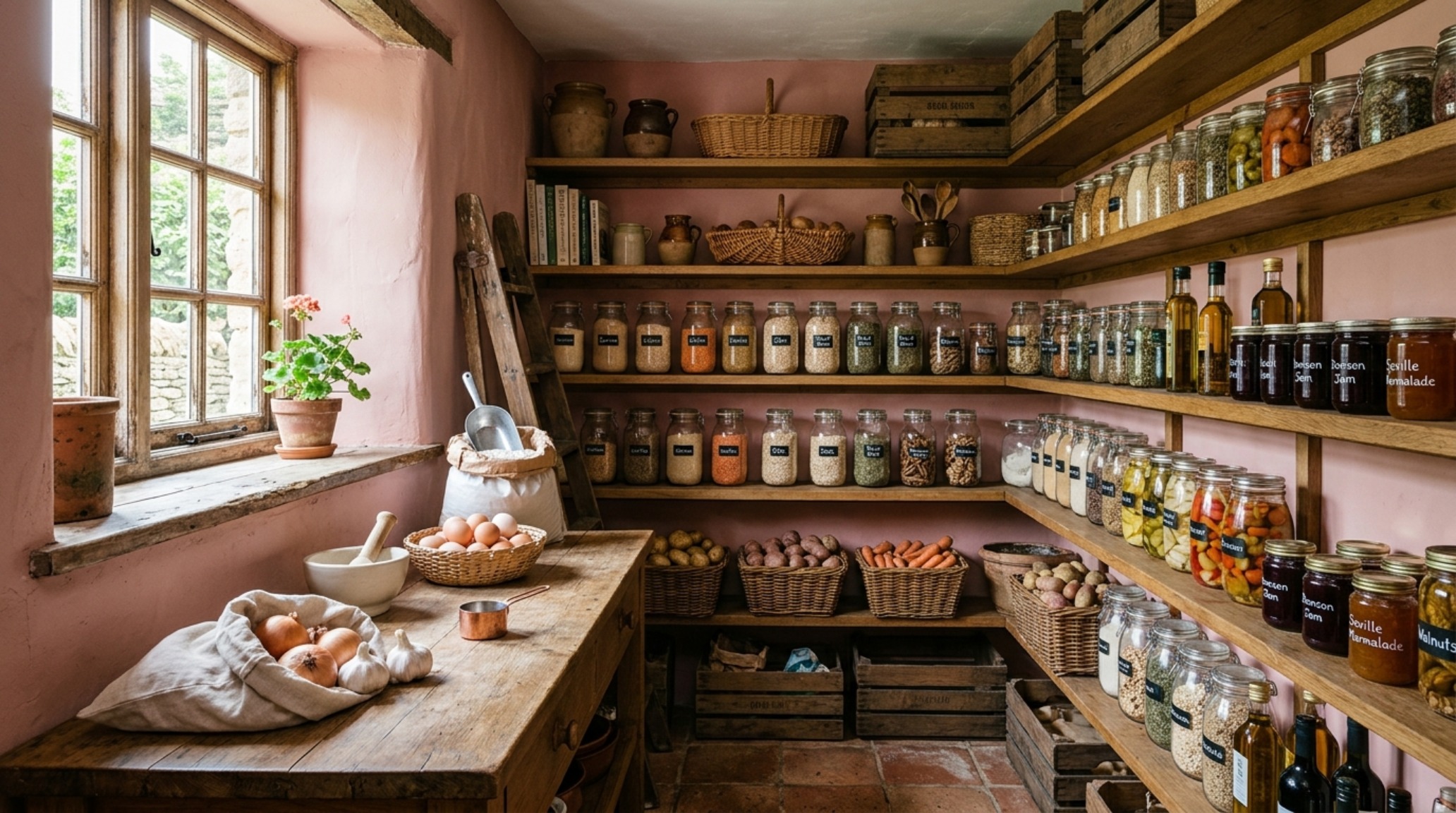
The kitchen pantry is no longer a neglected closet tucked behind a louvered door. As we move into the coming year, it has evolved into the definitive architectural heartbeat of the home. Modern domesticity demands more from our square footage, leading to a surge in sophisticated small pantry organization ideas that prioritize both high-end aesthetics and surgical precision in layout. We are seeing a departure from the cluttered wire-rack past, moving instead toward a ‘back kitchen’ philosophy where ergonomics meet tactile luxury. Whether you are retrofitting a reach-in or blueprinting a walk-in scullery, the goal for 2025 is clear: creating a space that breathes, functions, and elevates the daily ritual of preparation.
The Architectural Blueprint: Spatial Cadence and Ergonomic Flow
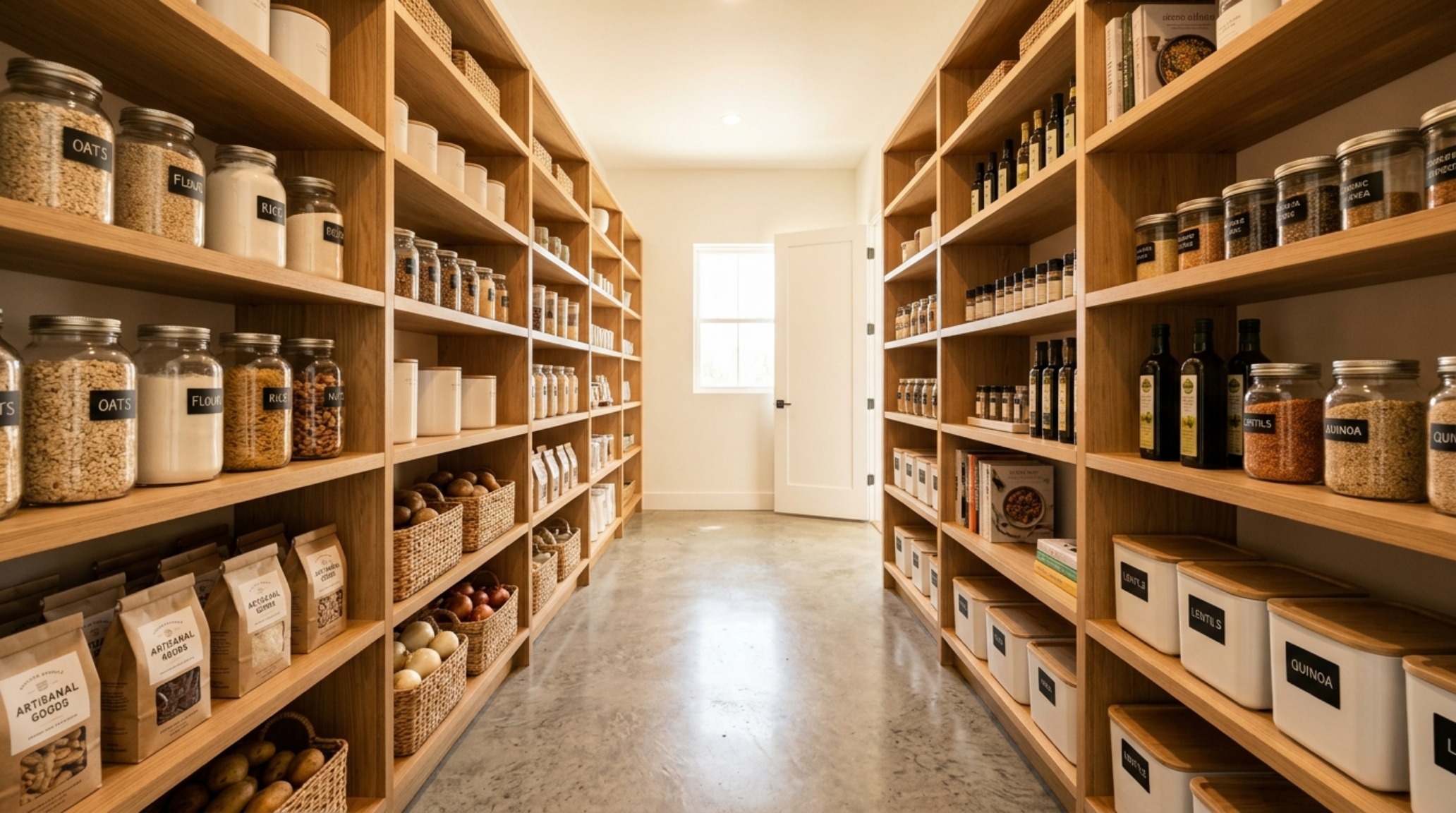
Design starts with the bones. In the world of small pantry organization ideas architecture, spatial cadence is everything. A common mistake in pantry design is over-building—cramming too many deep shelves into a narrow space, which creates a ‘black hole’ effect where ingredients are lost for years. For 2025, the industry is shifting toward shallow-depth shelving. Architects now recommend a 12-inch shelf depth for dry goods and a 15-to-18-inch depth only for heavy appliance zones. This ensures that every item remains within the primary ‘reach zone’—the ergonomic sweet spot between 28 and 64 inches from the floor.
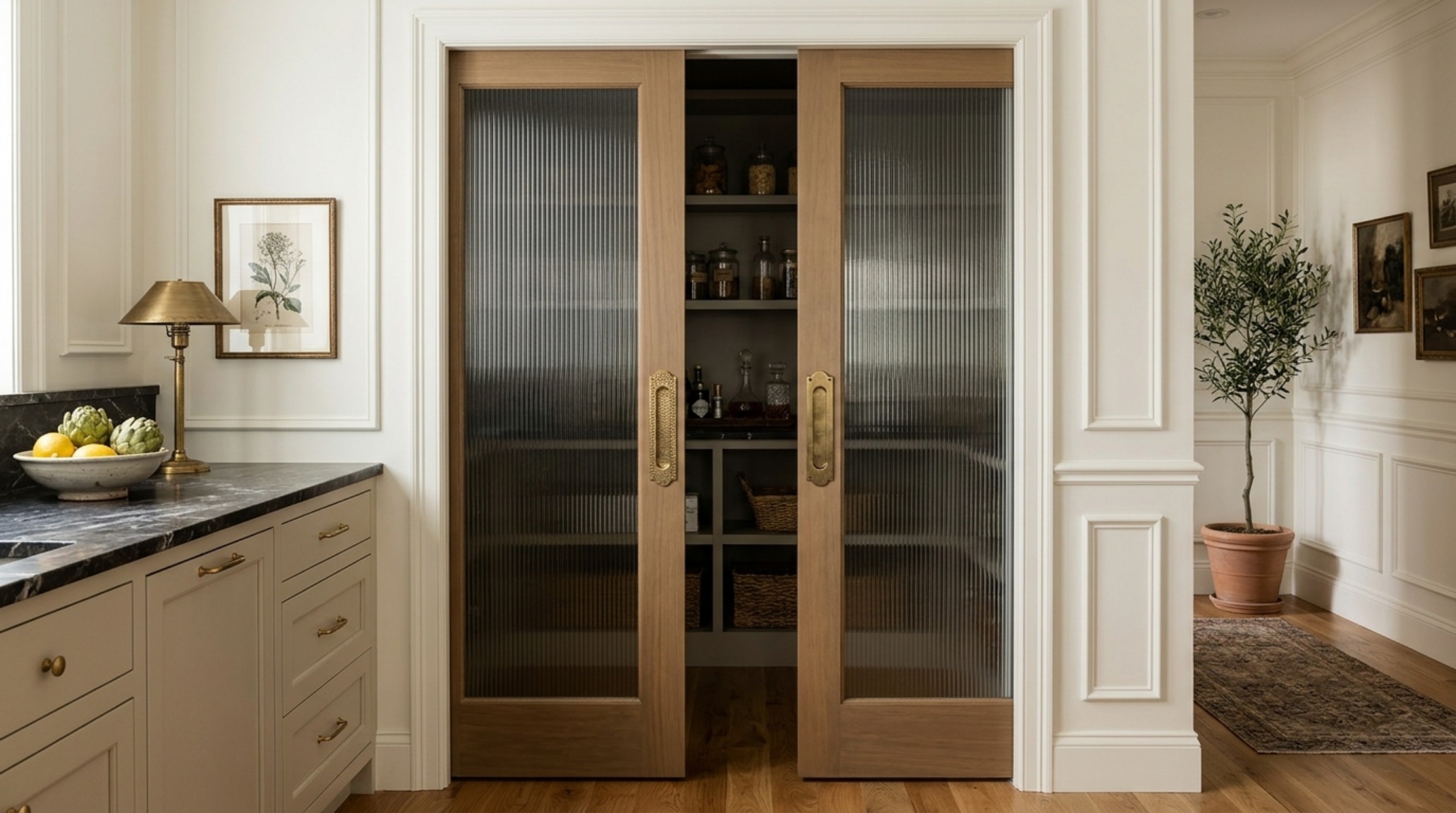
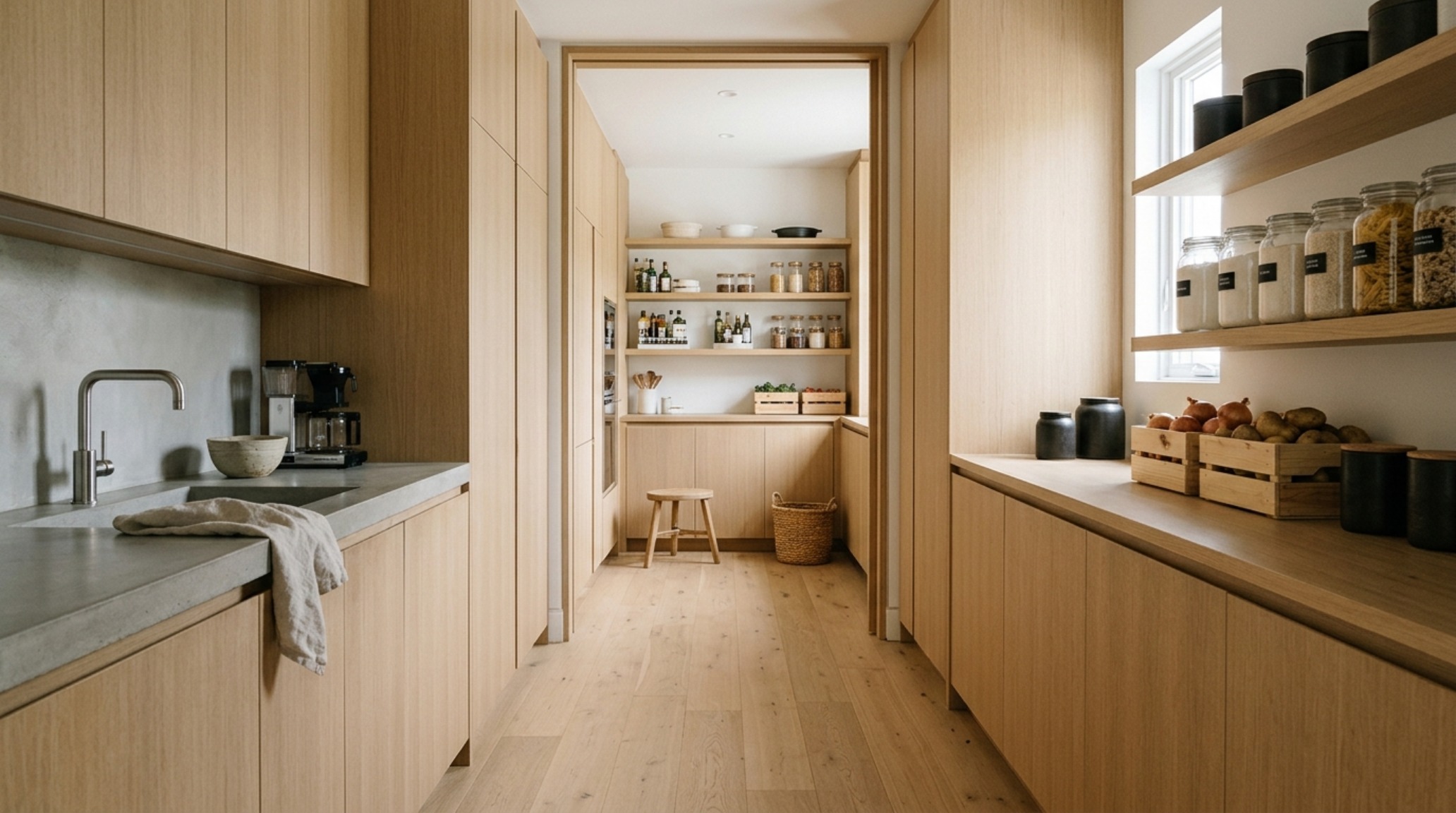
Circulation is the second pillar. Even in a compact footprint, a 36-inch primary circulation path is the gold standard for comfortable movement. If you are working with a galley-style pantry, maintaining this clearance ensures that two people can pass or that a pull-out drawer can fully extend without pinning the user against the opposite wall. We are seeing a rise in ‘pocket door’ integration—doors that slide into the wall cavity—to preserve these precious walkways. This architectural hack allows the pantry to remain open during high-traffic meal prep without obstructing the kitchen’s natural flow.
Refined Small Pantry Organization Ideas for the Modern Aesthetic
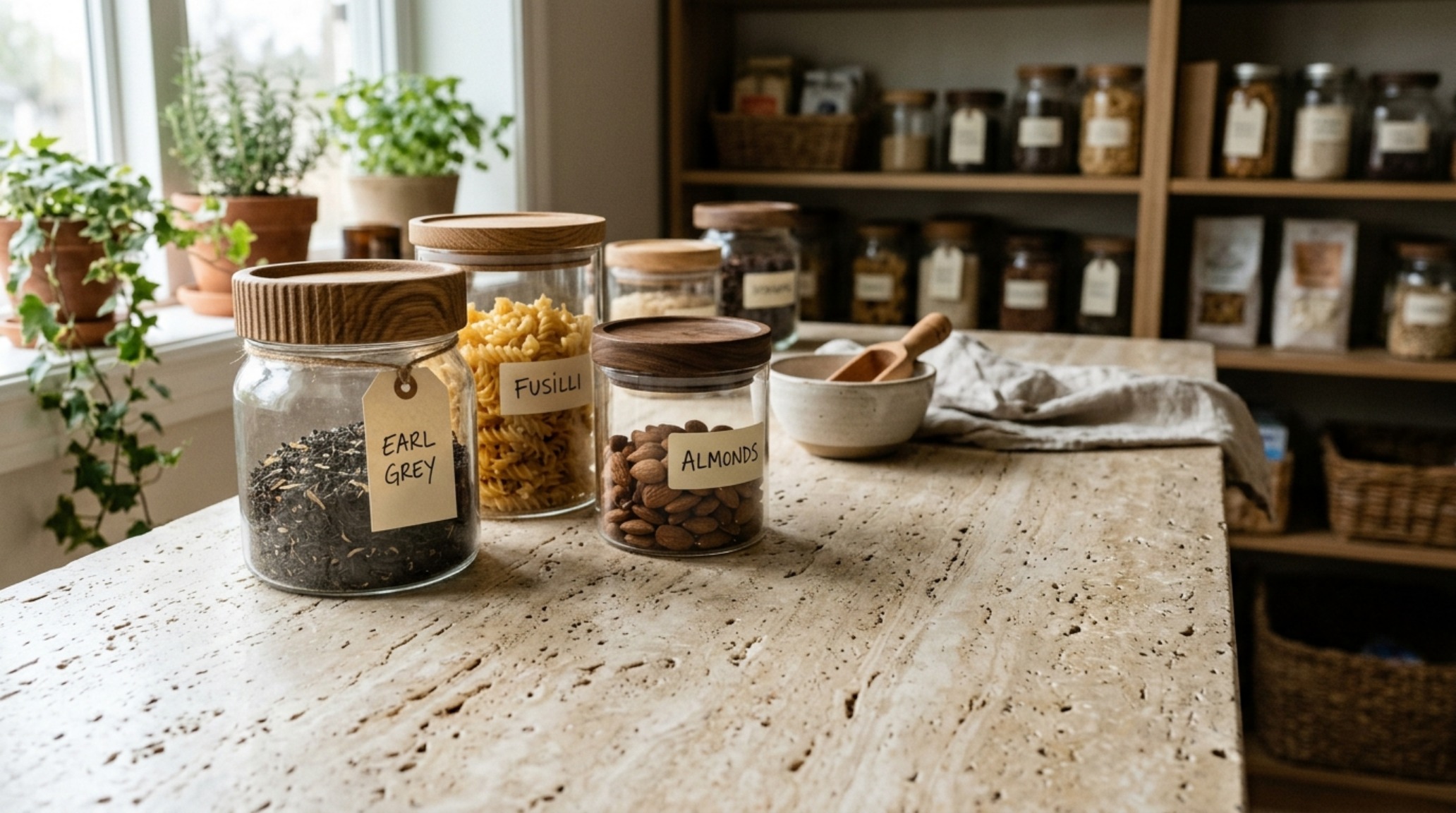
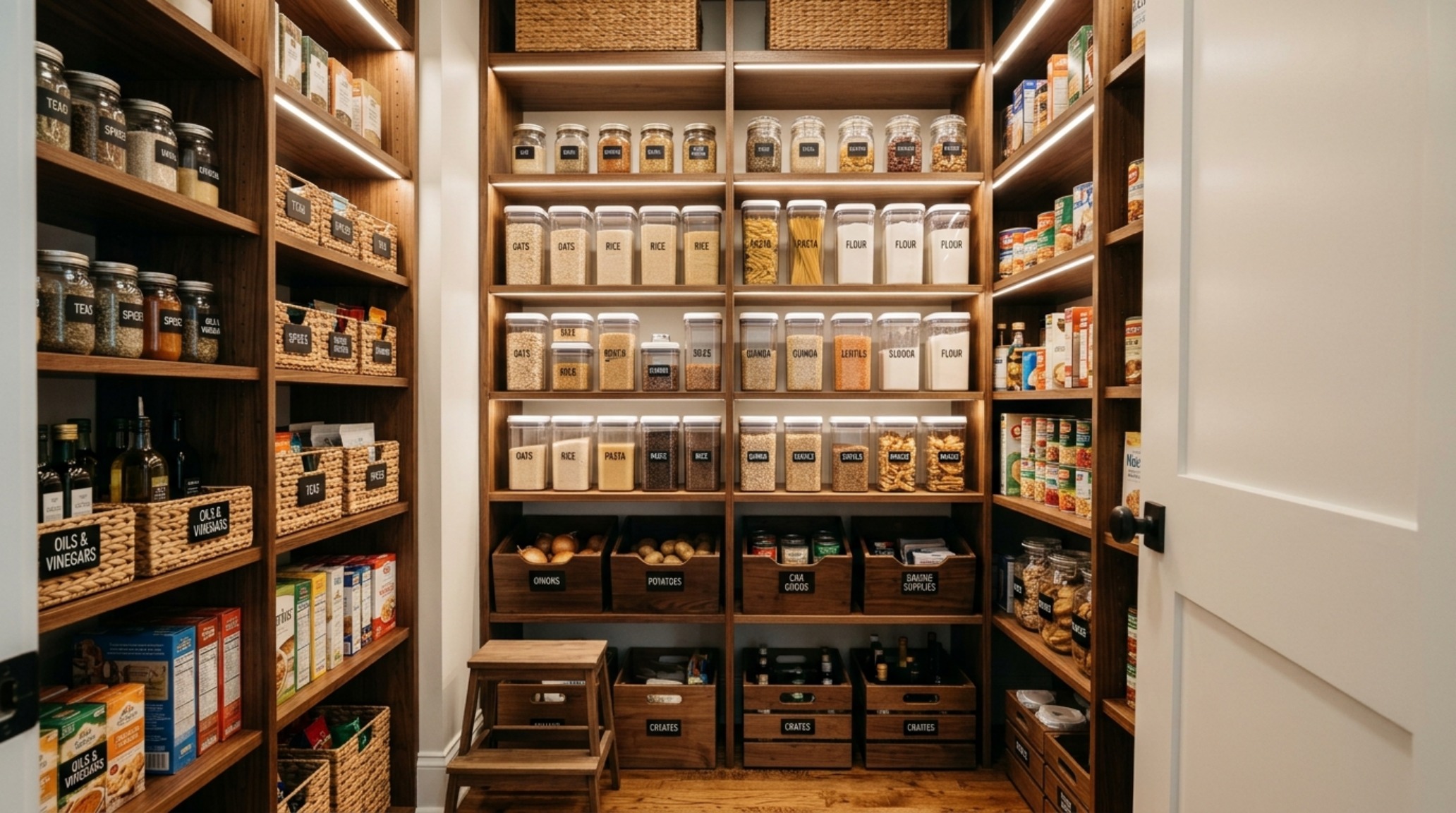
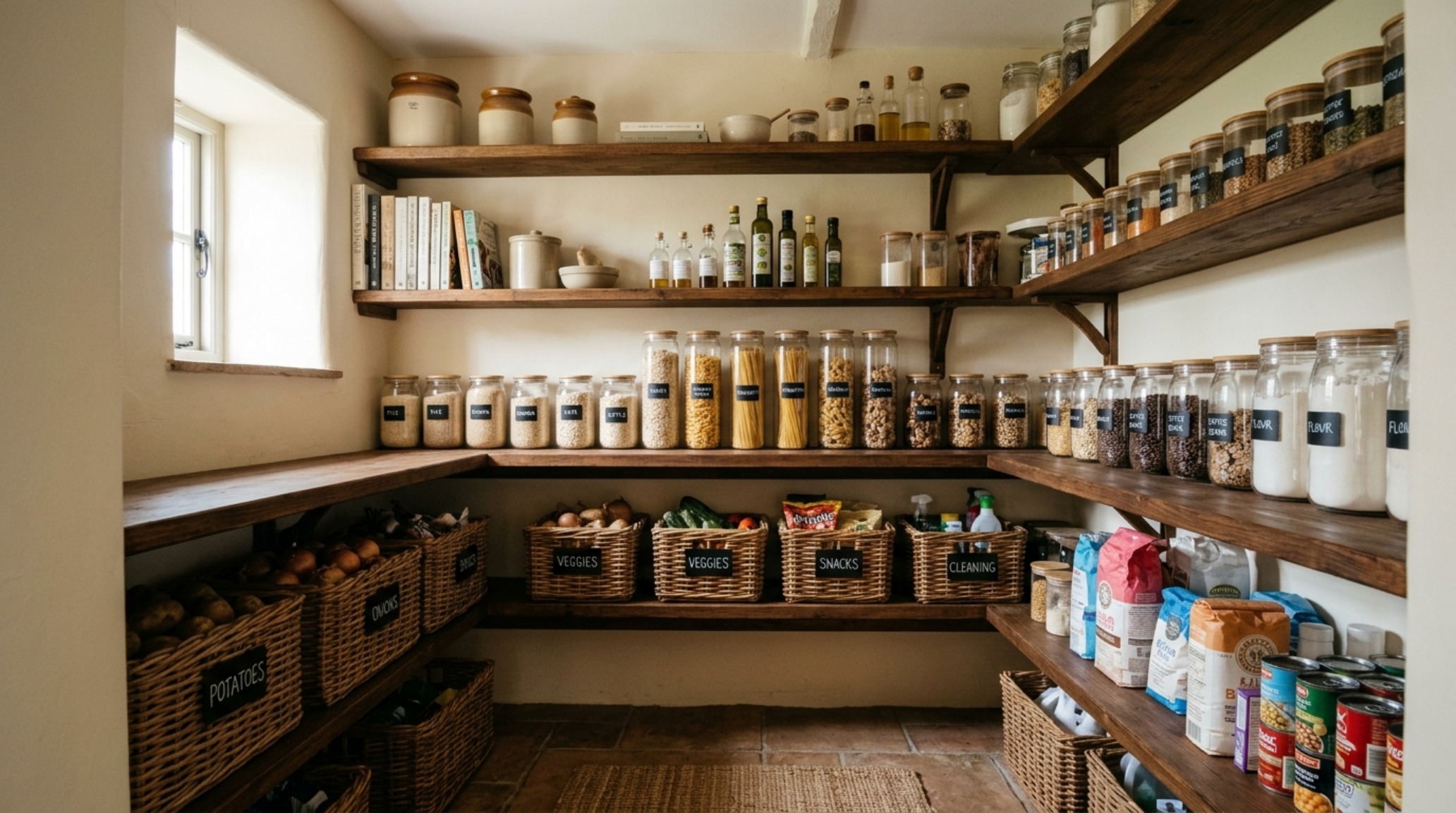
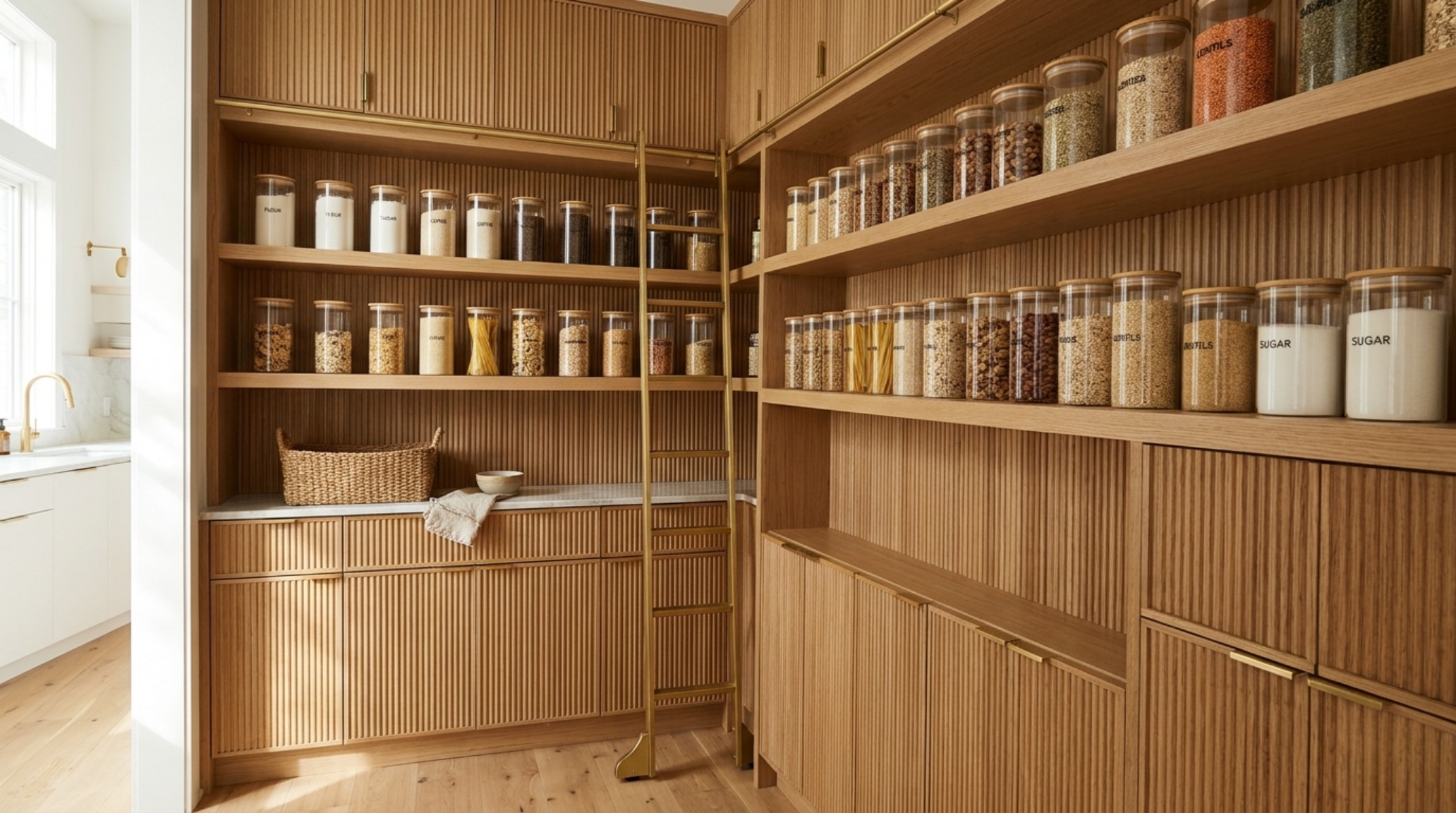
When we discuss small pantry organization ideas in 2025, we are discussing the art of the ‘visible larder.’ The trend is leaning heavily toward fluted glass doors and internal lighting that turns a storage room into a jewel box. To achieve this look without the visual chaos of mismatched packaging, professional organizers and designers are utilizing a ‘decanting hierarchy.’ The most frequently used grains and pastas are housed in uniform glass canisters at eye level, while bulky, less-attractive items are relegated to lower, opaque bins made of natural materials like water hyacinth or white oak.
The Rise of the Workstation Pantry
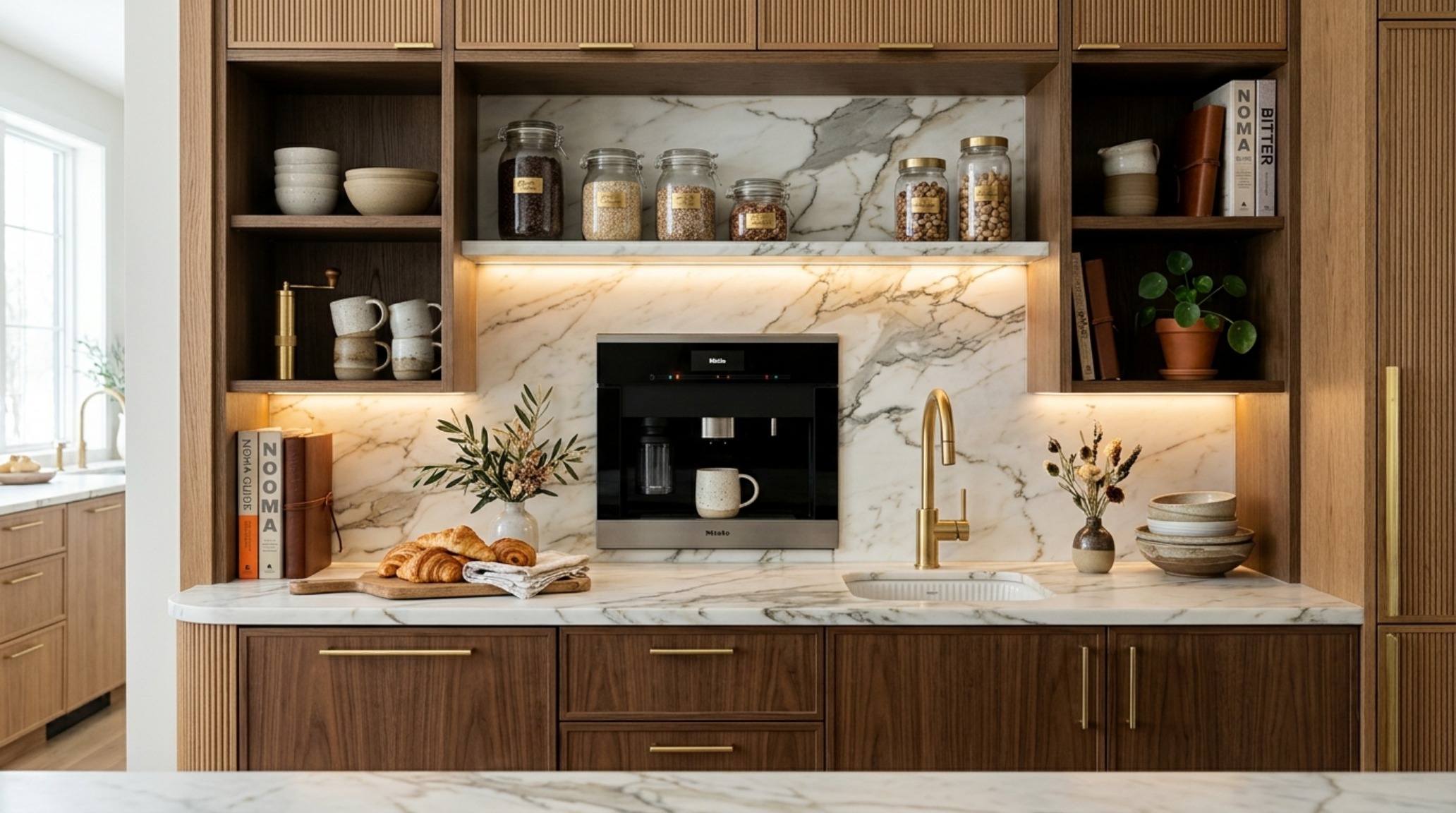
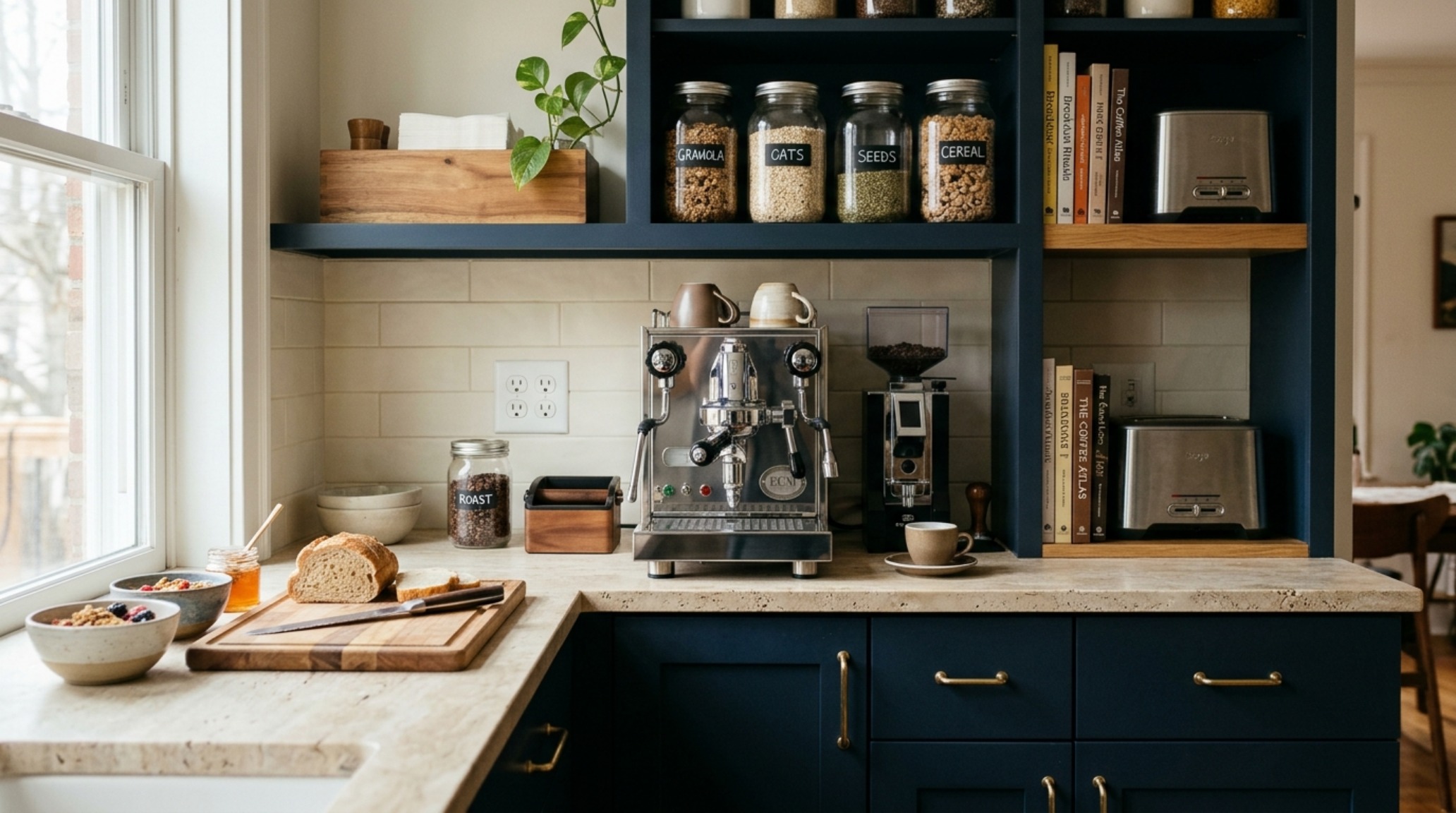
Perhaps the most significant of the Kitchen Pantry Trends 2025 is the transition from storage-only to a functional workstation. This is the ‘Breakfast Cupboard’ or ‘Coffee Station’ hidden within the pantry. By integrating a 24-inch deep countertop at a standard 36-inch height, you can house the espresso machine, toaster, and blender away from the main kitchen counters. This requires strategic electrical planning—installing quad-outlets at the backsplash level and ensuring adequate ventilation. It’s a space-saving hack that declutters the primary kitchen while creating a dedicated zone for morning rituals.
Tactile Grounding: Materials and Lighting Specifications
Materiality is where a pantry gains its soul. We are seeing a pivot away from clinical white toward warmer, more grounded palettes. Think Benjamin Moore Swiss Coffee for a soft, creamy backdrop that reflects light without feeling cold, or Farrow & Ball Setting Plaster for a subtle, earthy terracotta undertone. These hues pair beautifully with natural wood accents, specifically fluted white oak or walnut, which add a rhythmic, vertical texture to the cabinetry.
Lighting is the unsung hero of small pantry organization ideas lighting guide. For 2025, generic overhead flush mounts are out. In their place, we are specifying high-CRI (Color Rendering Index) 90+ LED tape lighting recessed into the underside of every shelf. A color temperature of 2700K provides a warm, inviting glow that mimics natural sunlight, while 3000K is preferred for task-heavy zones where visual clarity is paramount. These lights should be motion-activated; as you step into the space or open the pocket door, the interior should illuminate effortlessly, highlighting the contents without casting harsh shadows.
div class=”image-placeholder” data-index=”3″>