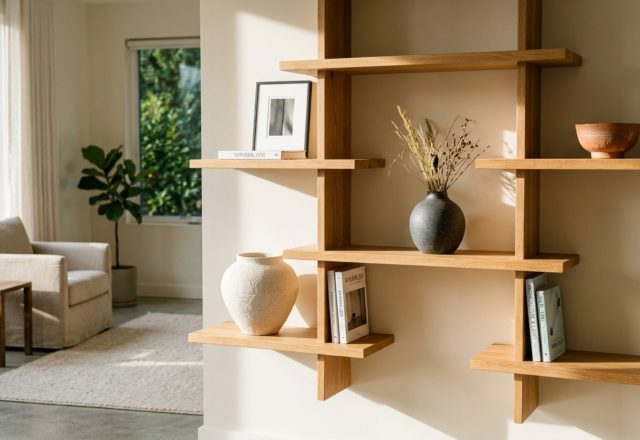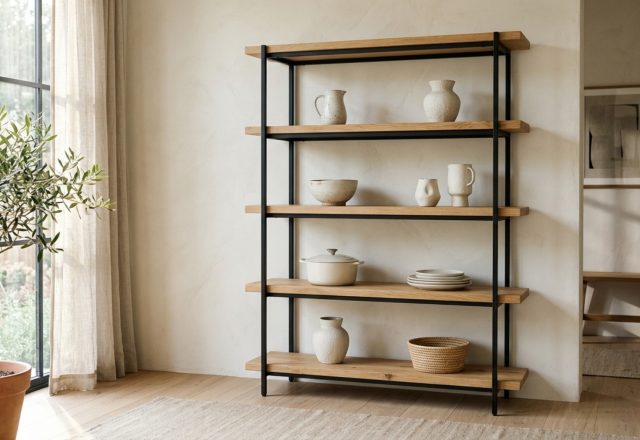
Urban dwelling often feels like a perpetual negotiation with square footage. In the tight confines of a metropolitan flat, the floor is a finite resource, guarded with the tenacity of a chess grandmaster. Yet, above the 36-inch datum line—the height of most standard cabinetry—lies an untapped wilderness: the vertical plane. When we discuss living room floating shelves ideas, we aren’t merely talking about storage; we are talking about architectural interventions that allow for a fluid, seasonal narrative without compromising the ergonomic flow of a high-traffic home.
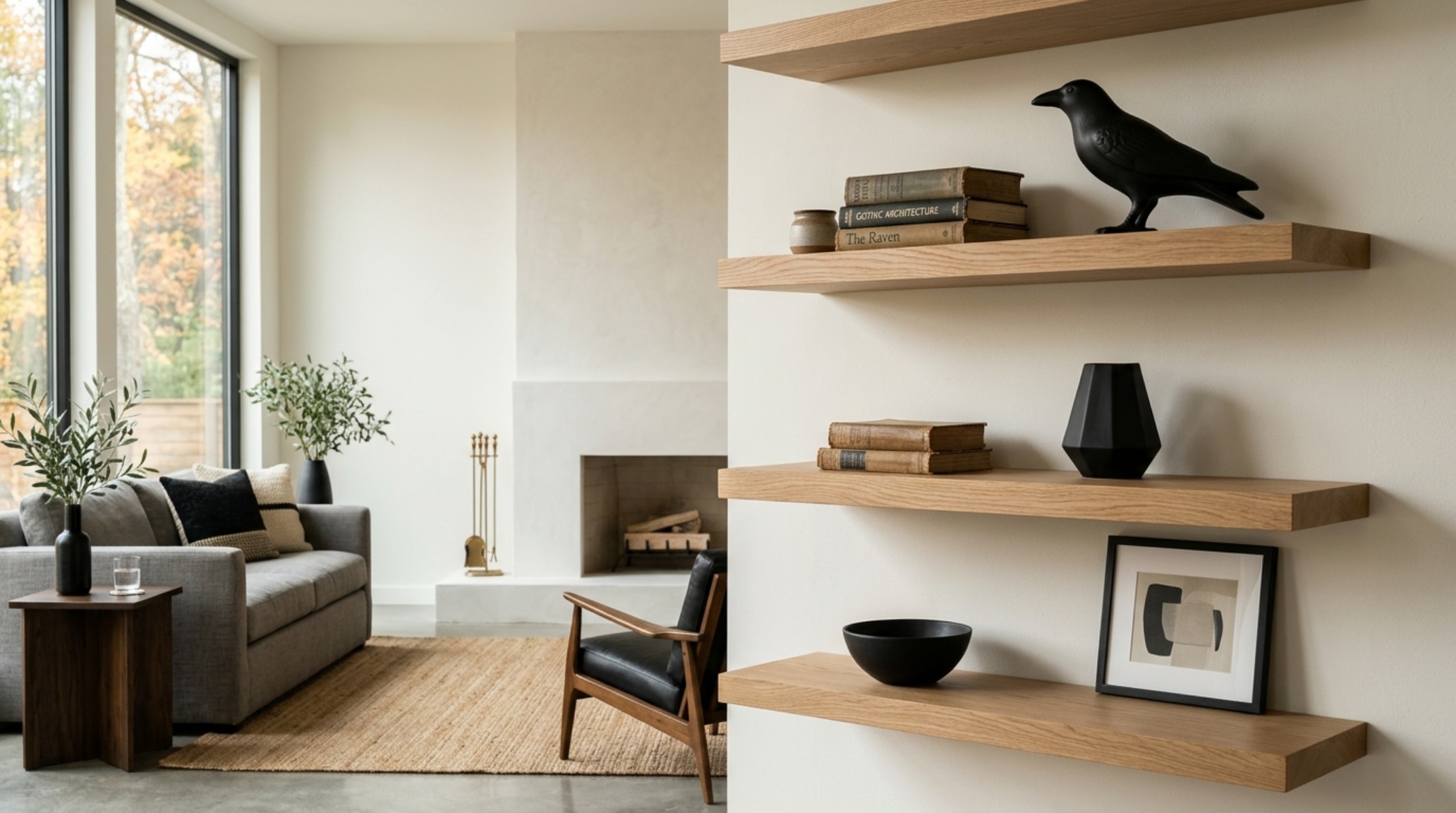
The concept of the ‘Invisible Haunt’ isn’t about kitsch or plastic skeletons. It is about a sophisticated, modular approach to the ‘Seasonal Rotation’ methodology. This involves creating a permanent architectural framework—sleek, museum-quality shelving—that serves as a canvas for high-impact displays that change with the calendar. By utilizing concealed brackets and deep-set wood wall shelves living room aesthetics are preserved year-round, while allowing for a moody, Dark Academia-inspired pivot as the light begins to thin in October.
The Structural Integrity of Living Room Floating Shelves Ideas
Before we can curate, we must construct. The hallmark of a high-end installation is the absence of visible hardware. To achieve that ‘hovering’ effect common in modern wall shelves styling, we look toward heavy-duty internal steel brackets anchored directly into the wall studs. For a small apartment, the depth is critical. A shelf deeper than 12 inches can begin to feel claustrophobic, infringing on the 36-inch primary circulation paths required for comfortable movement. We find the ‘sweet spot’ at 10 inches; deep enough for a large-format Taschen book or a vintage stoneware crock, but shallow enough to maintain visual lightness.
The Materiality of Permanence
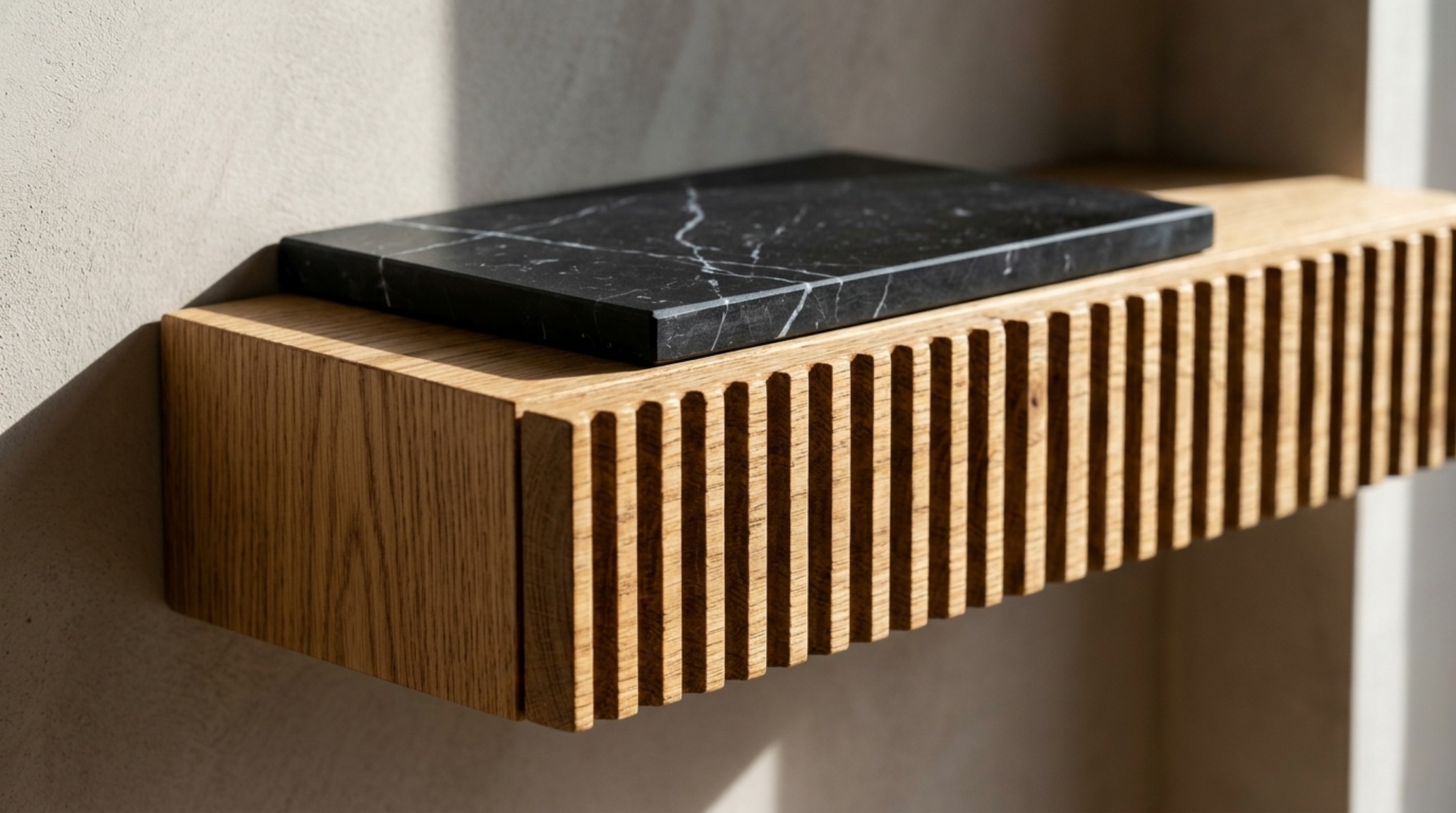
Selection of material is where most DIY efforts falter. To bridge the gap between ‘dorm room’ and ‘design studio,’ prioritize natural hardwoods. Fluted white oak offers a tactile rhythm that catches the light, while walnut provides a rich, chocolatey grounding that anchors a room. When considering living room floating shelves ideas, think of the grain as a secondary texture. A matte lacquer finish—something like a 5% sheen—ensures the wood looks raw and organic rather than plasticized. This tactile grounding provides a neutral baseline that can support both the airy minimalism of summer and the dense, textured layers of a Halloween shelf display.
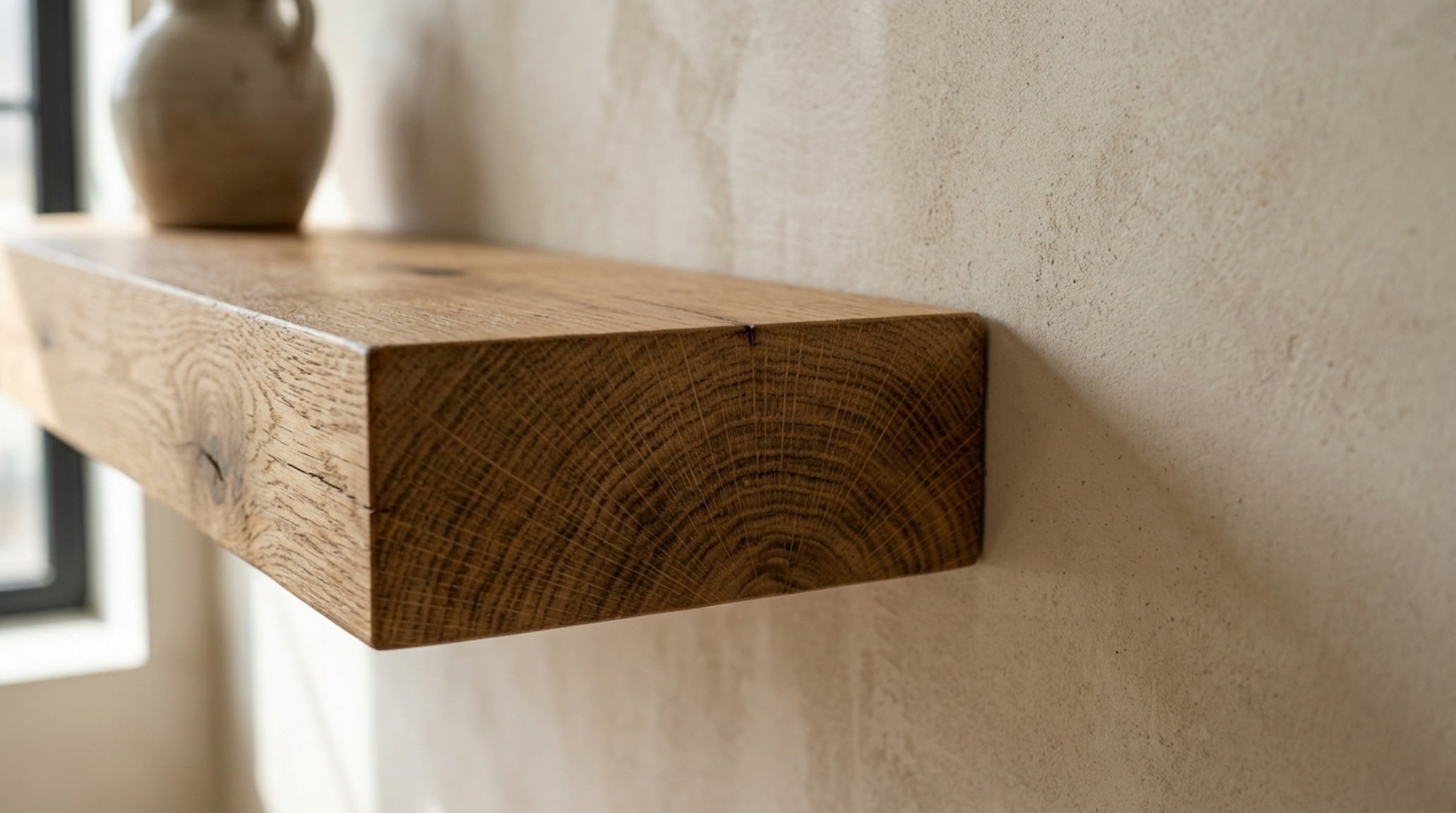
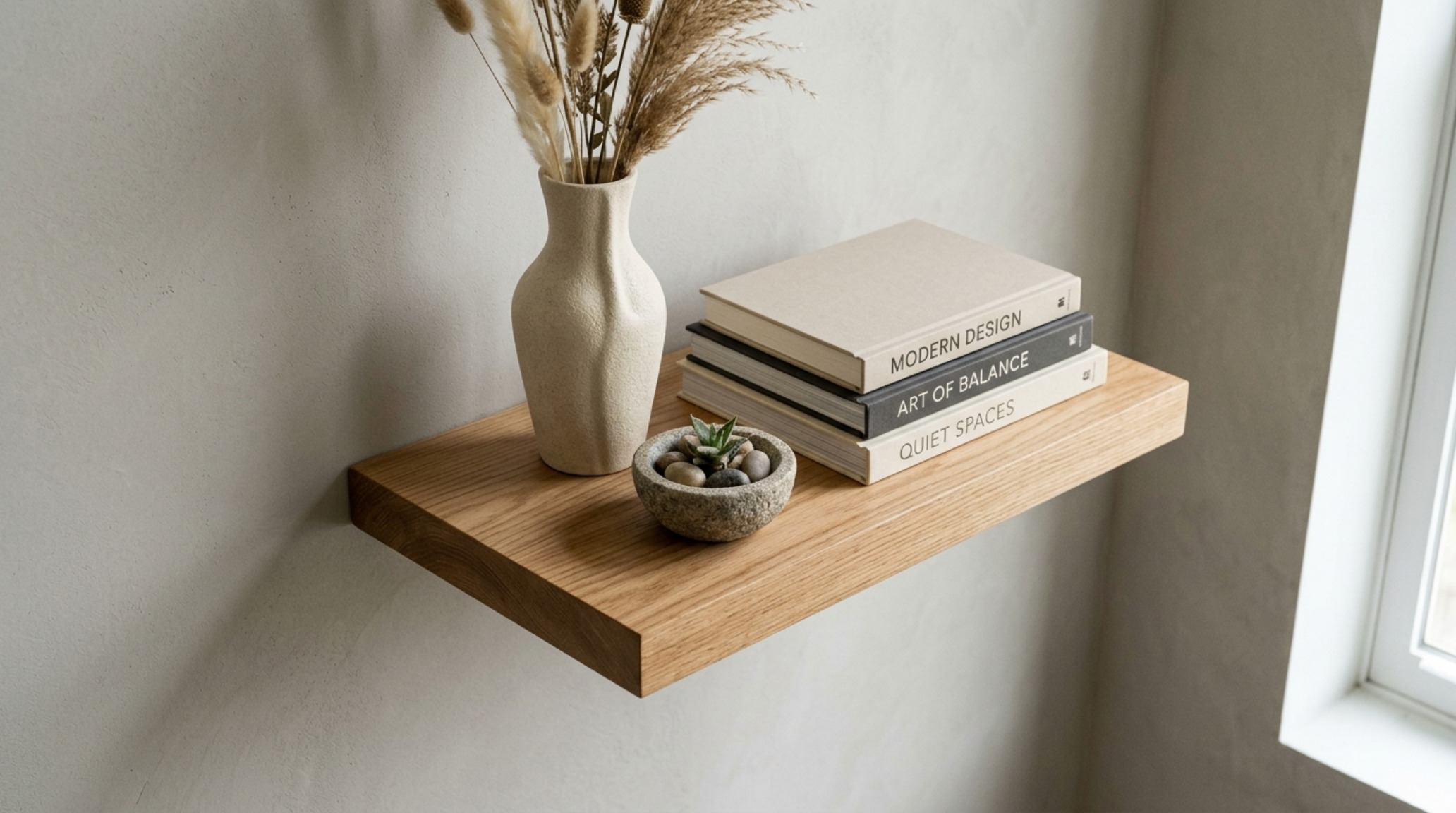
Notice the way a thicker profile—roughly 2 to 3 inches—imparts a sense of permanence. Thinner shelves can often look spindly and temporary. A thicker oak shelf, perhaps finished in a soft wash like Farrow & Ball’s Skimming Stone, creates a substantial architectural ledge that feels like a natural extension of the wall rather than an afterthought.
The Seasonal Rotation Methodology
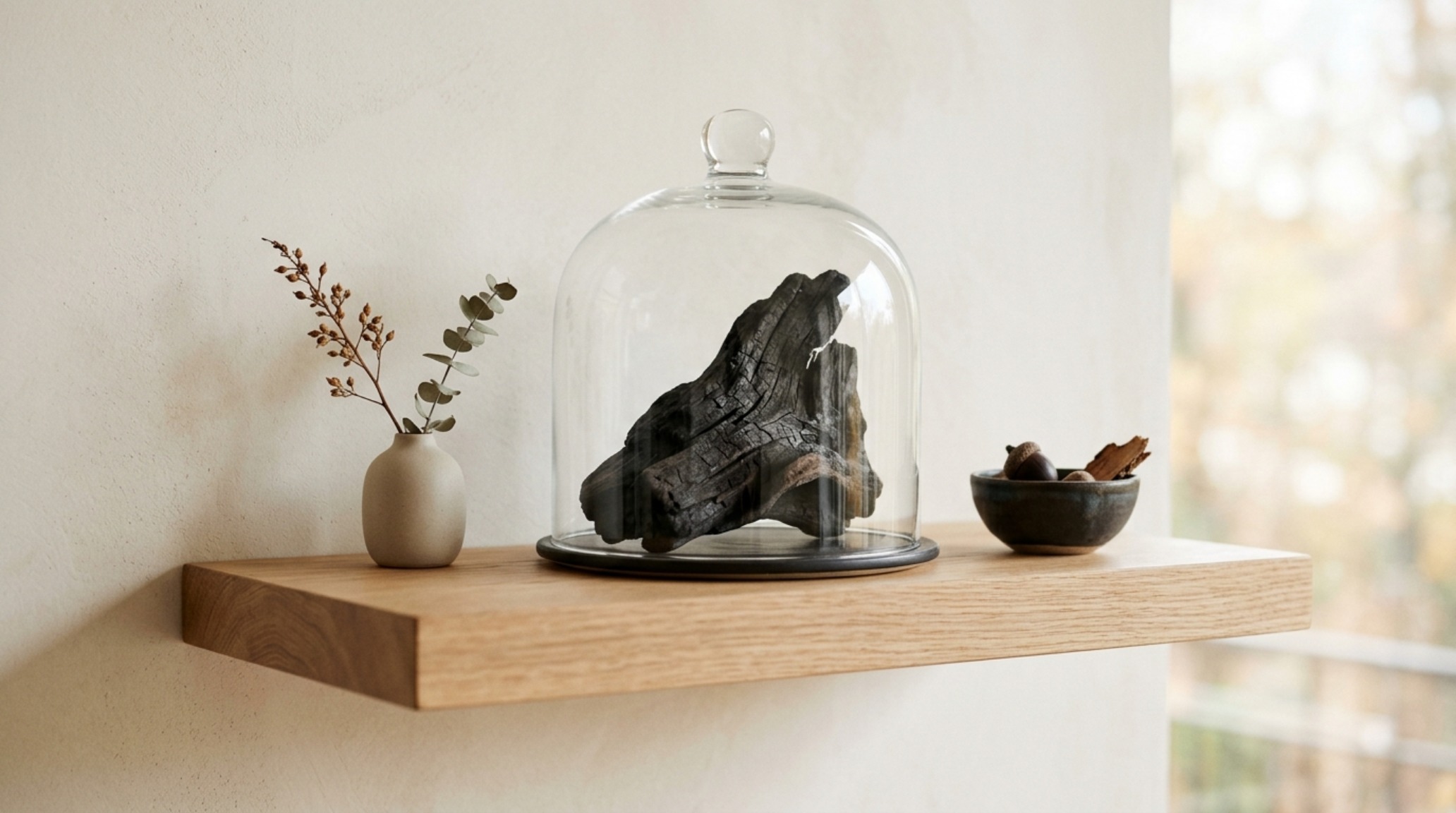
The secret to a successful seasonal transition is the 70/30 rule. 70% of your shelf content should be ‘anchors’—books, ceramic vessels, or sculptures that remain constant. The remaining 30% is your ‘atmospheric layer.’ As Halloween approaches, we don’t clear the decks; we integrate. This prevents the ‘clutter shock’ often associated with holiday decor. Instead of neon orange, we lean into the ‘minimalist halloween decor ideas 2024’ trend: charred wood, antiqued brass, and dried organic matter.
Curating the Dark Academia Aesthetic
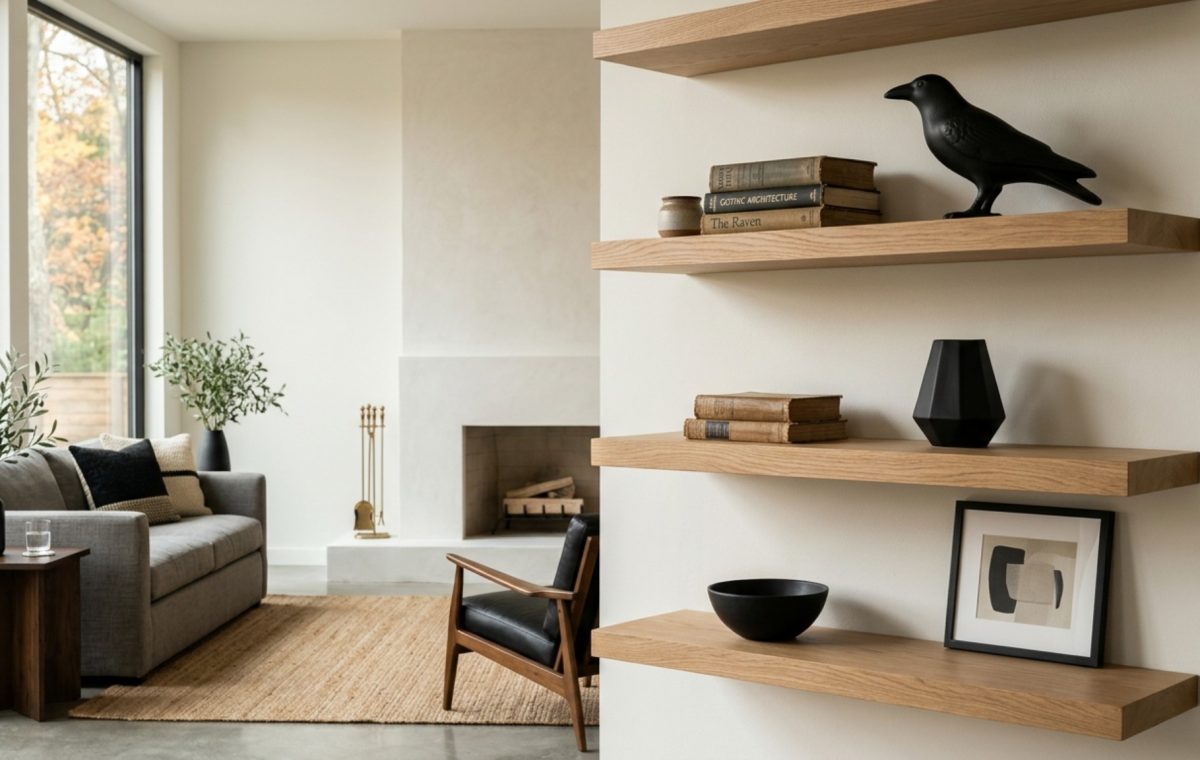
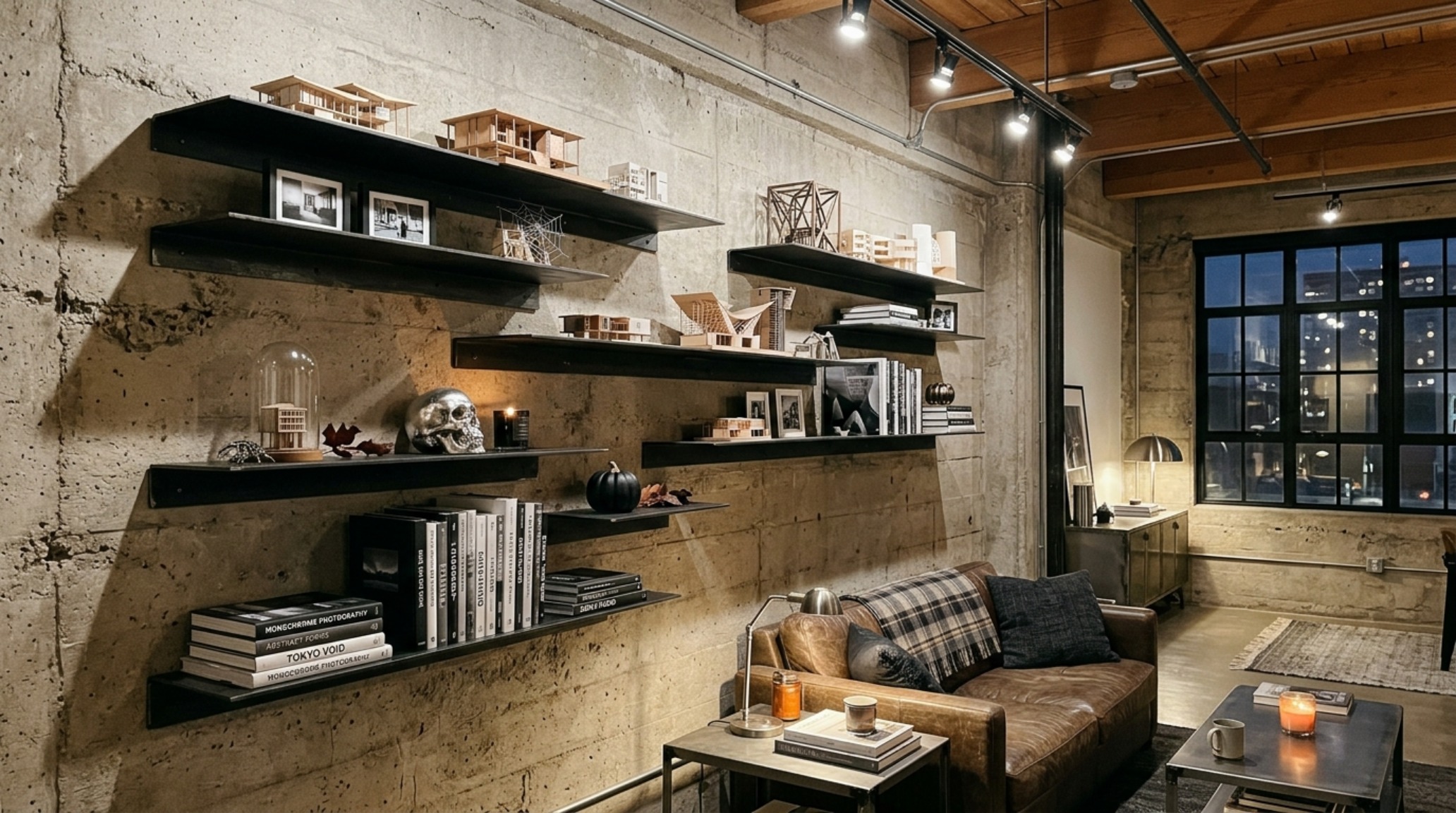
Halloween in a sophisticated apartment should feel like an invitation to a secret library. We swap bright summer ceramics for matte black stoneware or vintage mercury glass. The asymmetrical floating shelves decor style works best here. By clustering items in odd numbers and varying heights, you create a visual cadence that mimics the organic growth of a collection. A singular, oversized crow taxidermy (or a high-quality resin replica) placed on the highest shelf creates a focal point that draws the eye upward, maximizing the perception of ceiling height.
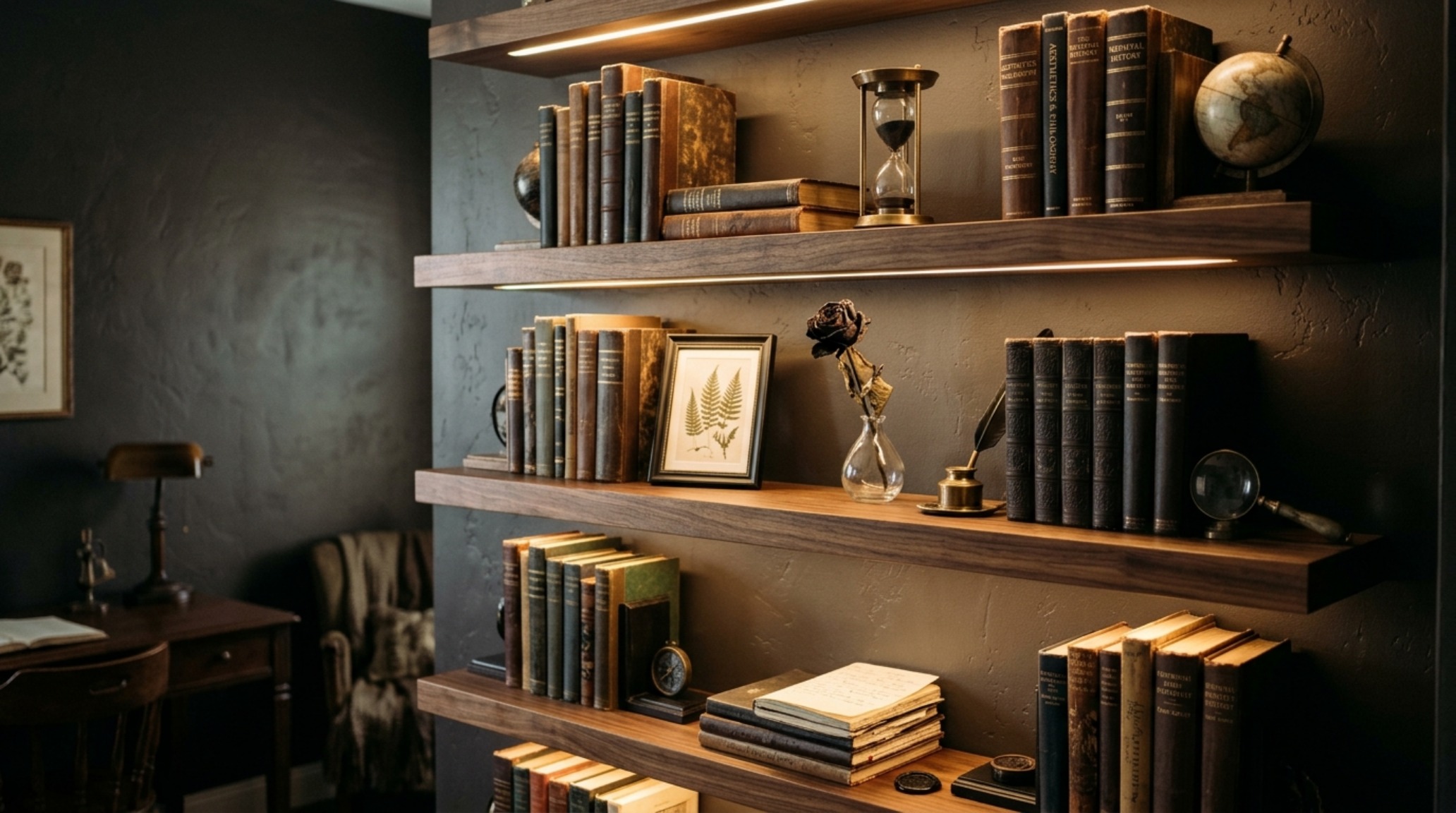
In the image above, observe how the negative space breathing room around each object prevents the display from feeling like a storage unit. The use of ‘shadow play’ is essential here. By placing a taller, jagged element—like a cluster of dried eucalyptus or a branch of black manzanita—on one end of the shelf, you create a silhouette that interacts beautifully with the wall behind it.
Atmospheric Physics: The 2700K Rule
Lighting is the connective tissue of any interior shelving systems. For seasonal displays, integrated LED shelf lighting is non-negotiable. However, the color temperature is where most people miss the mark. To achieve a cozy, mysterious glow, we specify 2700K warm ambient lighting. Anything higher—like 3000K or 4000K—feels clinical and cold, stripping the ‘soul’ from the wood and the mystery from the holiday decor. We look for high CRI (Color Rendering Index) ratings of 90+, which ensures that the deep plums, charcoals, and forest greens of your autumnal display are rendered with cinematic accuracy.
Diffused Directional Light
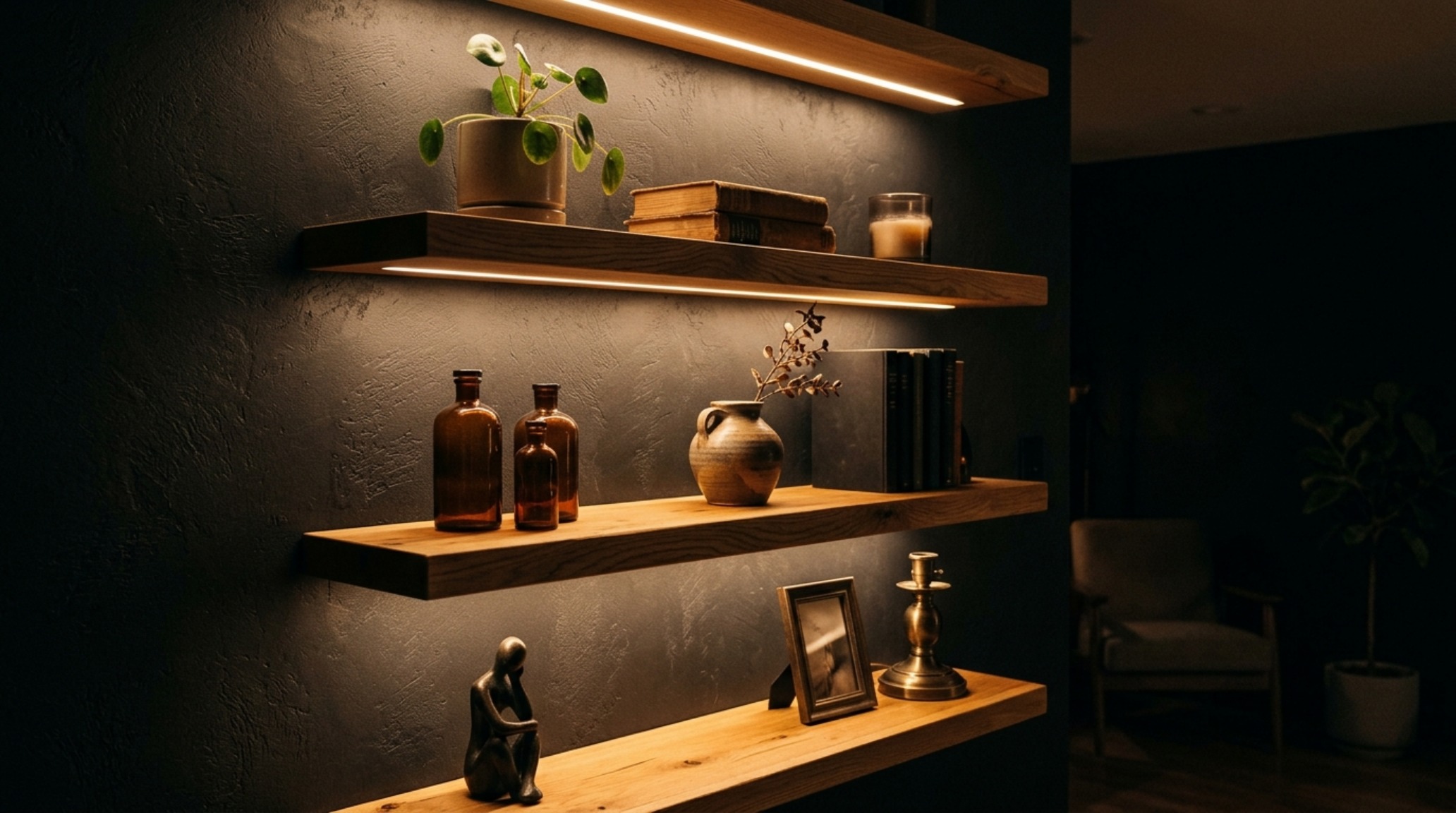
Recessed LED strips should be tucked into a 45-degree channel at the front of the shelf underside, throwing light back toward the wall. This creates a soft wash that highlights the textures of your objects without creating harsh, direct glare. When styling a Halloween shelf display, this backlighting turns a simple glass cloche into a glowing orb and makes the edges of old, tattered books look like they are vibrating with history.
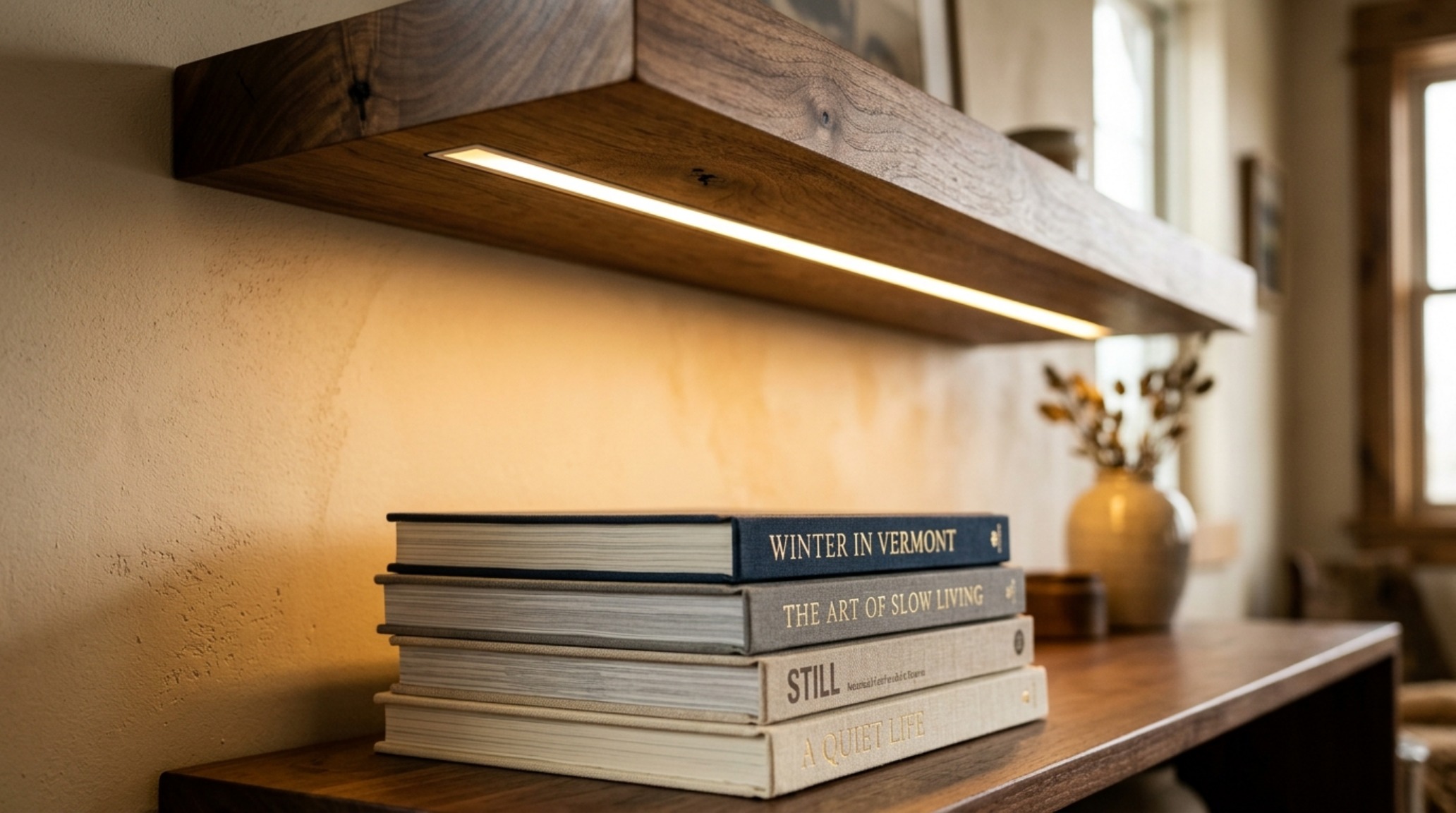
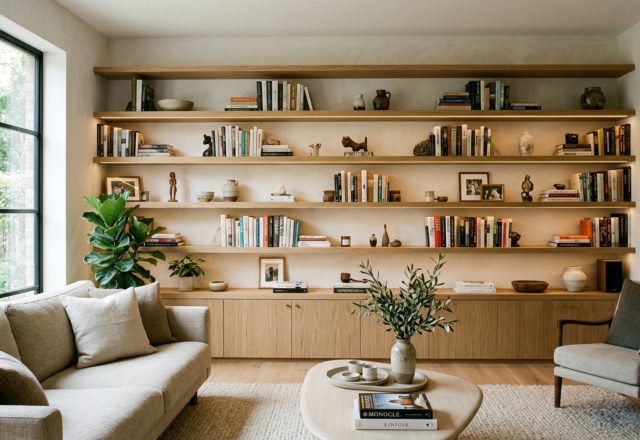
As seen in the lighting detail, the glow is soft and architectural. It acts as a secondary light source for the entire room, allowing you to turn off harsh overhead fixtures in favor of a layered, moody atmosphere. This is particularly effective in small apartments where a single light source can often feel overwhelming.
Spatial Cadence and Ergonomic Flow
One of the most common mistakes in urban apartments is ignoring sightline alignment. When you sit on your sofa, your primary shelf display should not feel like it’s looming over you. We generally recommend the lowest shelf be placed at least 18 inches above the top of the sofa back. This maintains a ‘breathable’ zone and ensures that anyone sitting doesn’t feel the psychological weight of the objects above them. Similarly, if your living room floating shelves ideas involve a placement near a dining area, ensure at least a 30-inch chair clearance so that guests can move freely without the fear of bumping into a curated ledge.
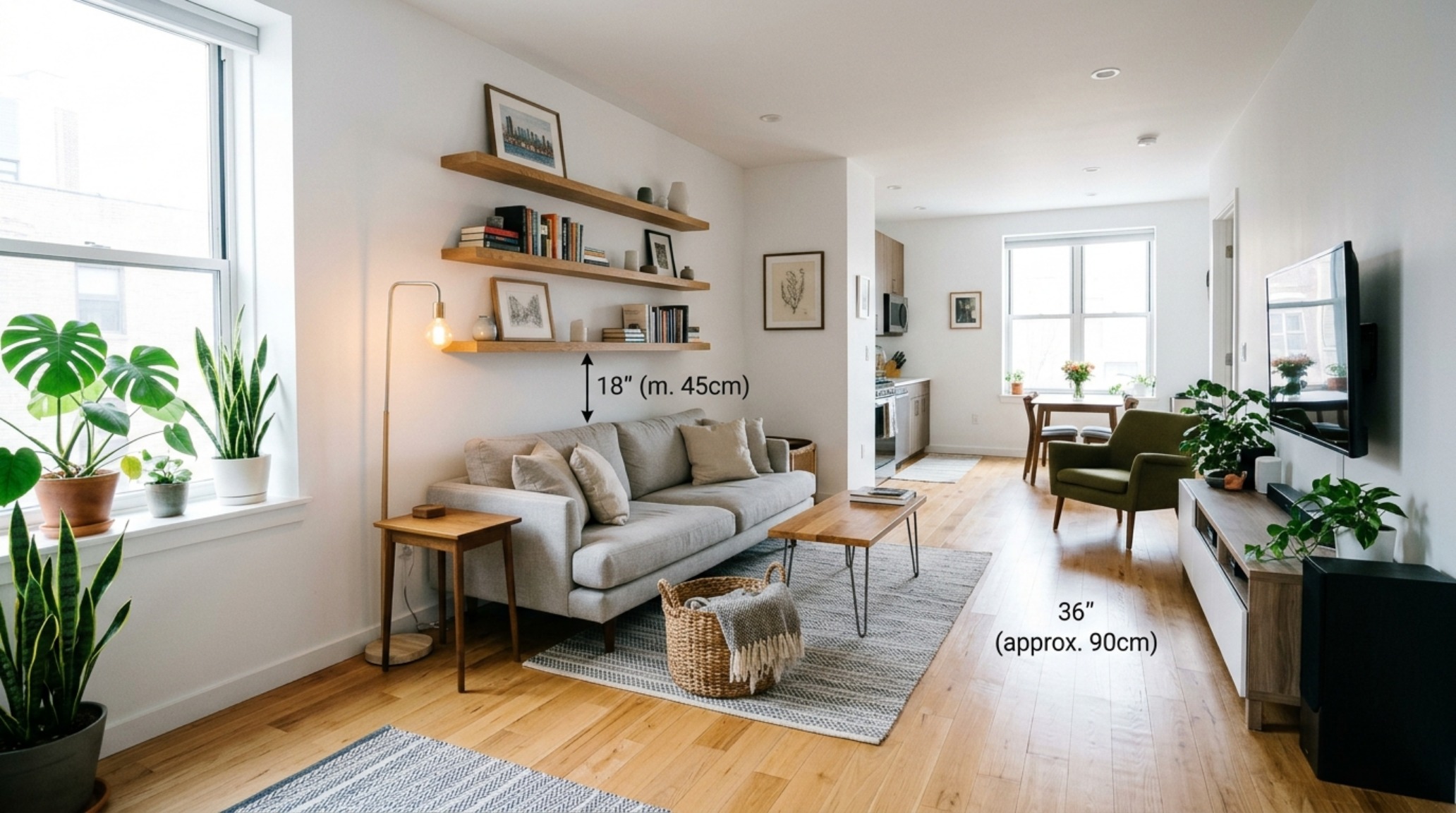
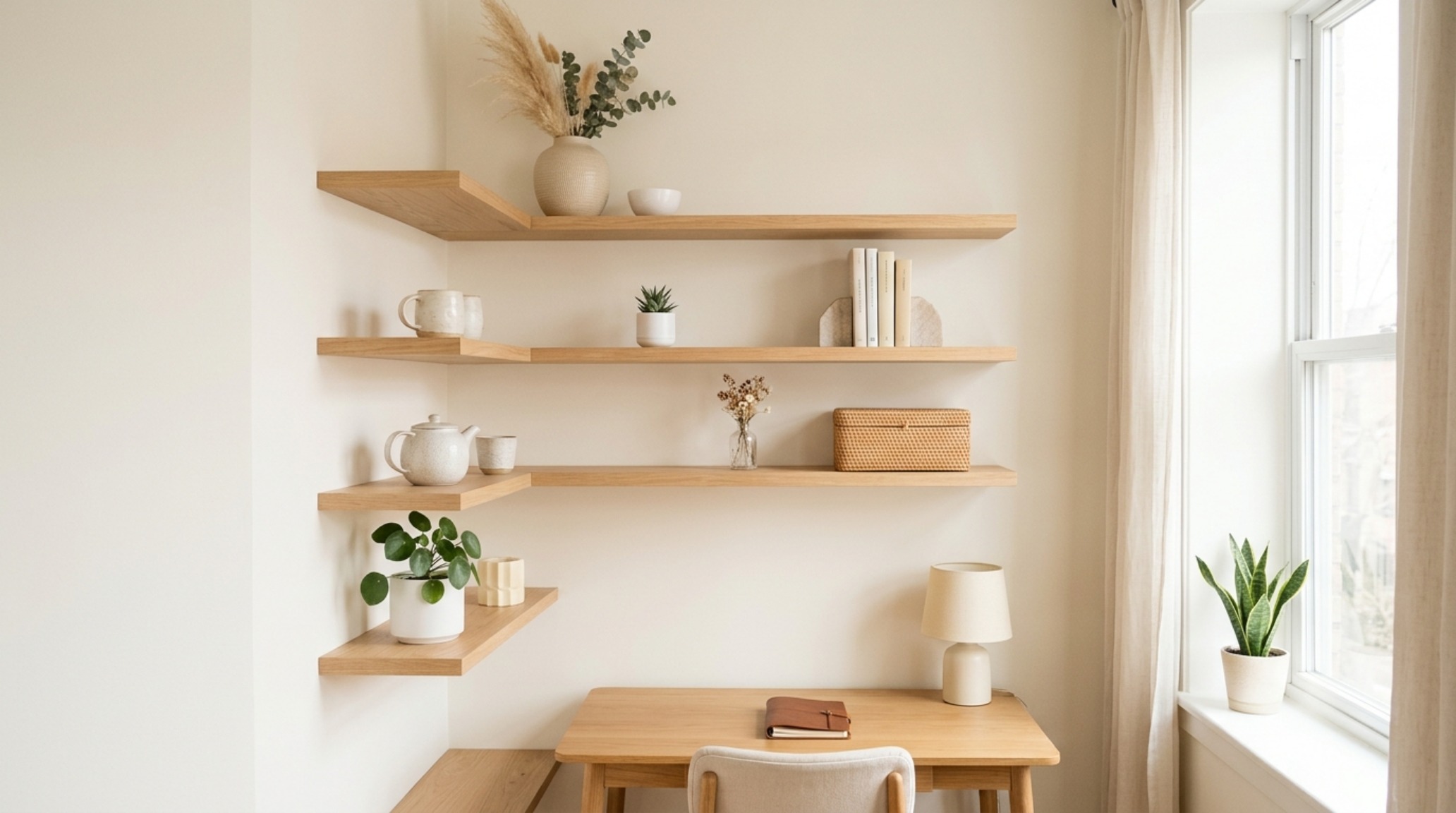
In smaller nooks, the asymmetrical floating shelves decor approach is a lifesaver. By staggering the lengths and heights of the shelves, you can navigate around existing architectural quirks—like a structural column or a radiator—without the rigid formality of symmetrical units. This creates a ‘gallery’ feel that is much more forgiving and easier to style for someone who isn’t a professional stager.
The Power of the Palette
To keep the look cohesive, stick to a tight tonal range. If your walls are a soft white like Benjamin Moore Swiss Coffee, your shelf objects should play with textures in that same family—bisque, cream, and sand—with only one or two ‘high contrast’ moments. For a seasonal shift, you might introduce a ‘moody’ base, such as Farrow & Ball Setting Plaster, which provides a dusty, earthen backdrop that makes black iron and weathered wood pop with an almost Victorian intensity.
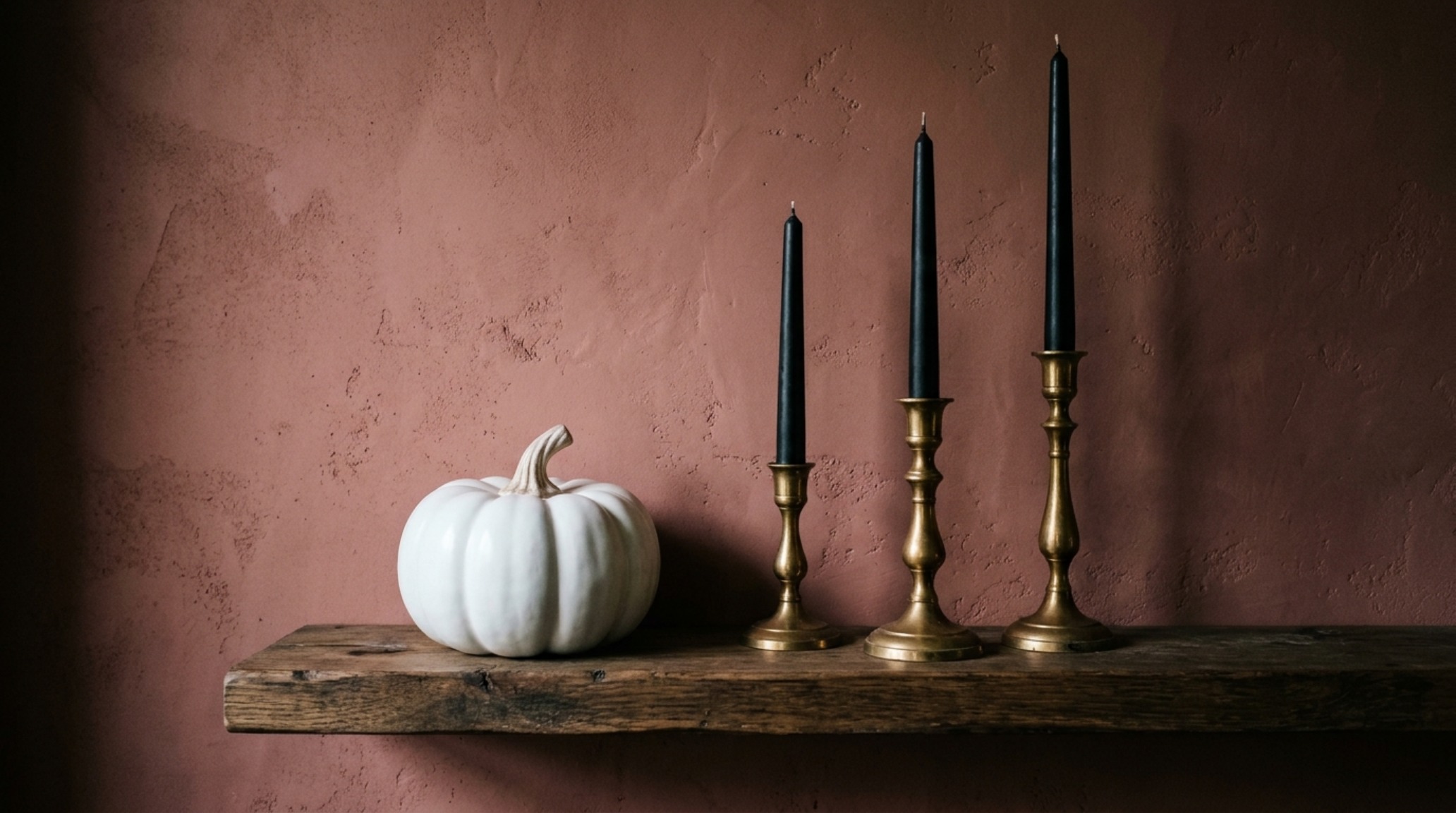
The image above illustrates this perfectly. By keeping the color palette restricted, the focus shifts to the form and the narrative. The transition to Halloween is subtle: a few vintage brass candlesticks, a stack of black-spined books, and perhaps a single, perfectly shaped white pumpkin. It is seasonal decor for the design-literate.
Architectural Specification & Material Matrix
Curated tactile palette, spatial dimensions, and atmospheric lighting index for this design scheme.
Ultimately, the most successful living room floating shelves ideas are those that honor the architecture of the space while allowing the personality of the inhabitant to breathe. By prioritizing structural integrity, lighting temperature, and a disciplined seasonal rotation, you transform a simple storage solution into a dynamic, living gallery. It’s an exercise in restraint—a way to invite the ‘haunt’ of the season into your home without ever letting it take over the room. As the nights lengthen, your shelves remain a curated sanctuary, reflecting the shifting shadows of the year with effortless, architectural grace.
Editorial Silo • Recommended Architecture Studies
- The Tactile Aesthetic of Product Of The Week Omba Bookshelf: Elevating Living Room Floating Shelves Ideas with Materials, Moods & Lighting Kelvin — Archival Design Case Study
- Ikea Hyllis Shelves Hacks: The Architectural Blueprint & Spatial Flow Guide — Archival Design Case Study
Architectural Inspiration Lookbook
A high-resolution study in spatial proportions, tactile materiality, and light choreography curated for enduring modern living.
Curated Visual Lookbook
Design Gallery & Spatial Studies
A visual curation of architectural arrangements, lighting concepts, and material palettes featured in this space.