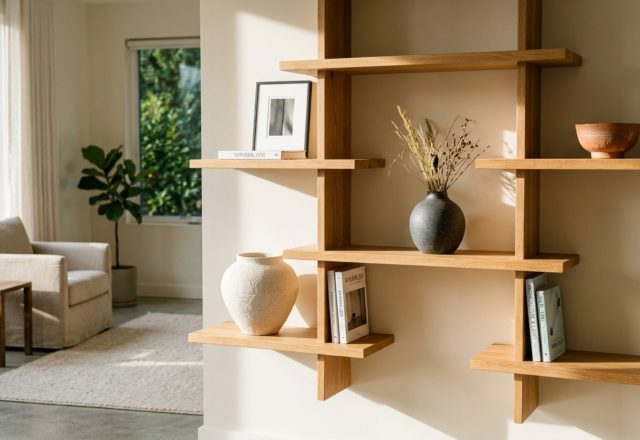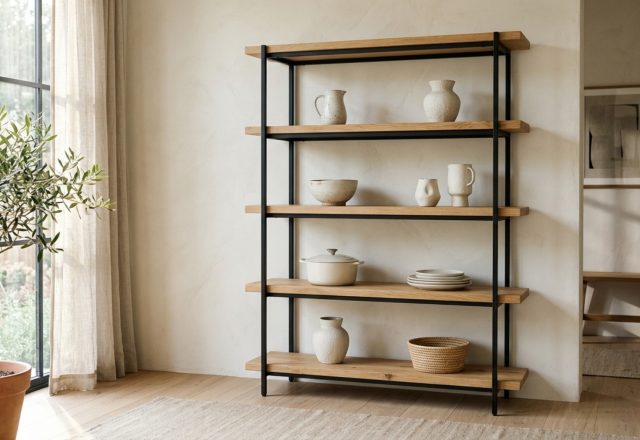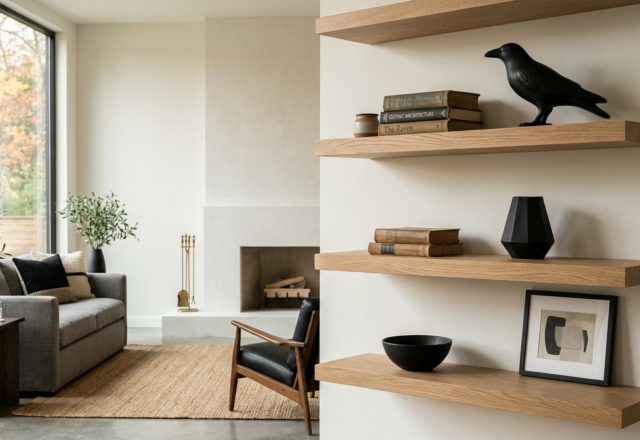
There is a specific kind of quiet frustration that comes with urban living: the moment you realize your floor plan simply cannot accommodate your lifestyle. We’ve all been there, standing in a 600-square-foot living room, wondering where the books, the curated ceramics, and the laptop go without suffocating the flow of the room. This is where the concept of the ‘Vertical Expansion’ takes hold. By shifting our perspective from the floor to the walls, we unlock a new architectural dimension. Integrating sophisticated living room floating shelves ideas isn’t just about storage; it is about reclaiming the spatial cadence of your home through elevation and light.
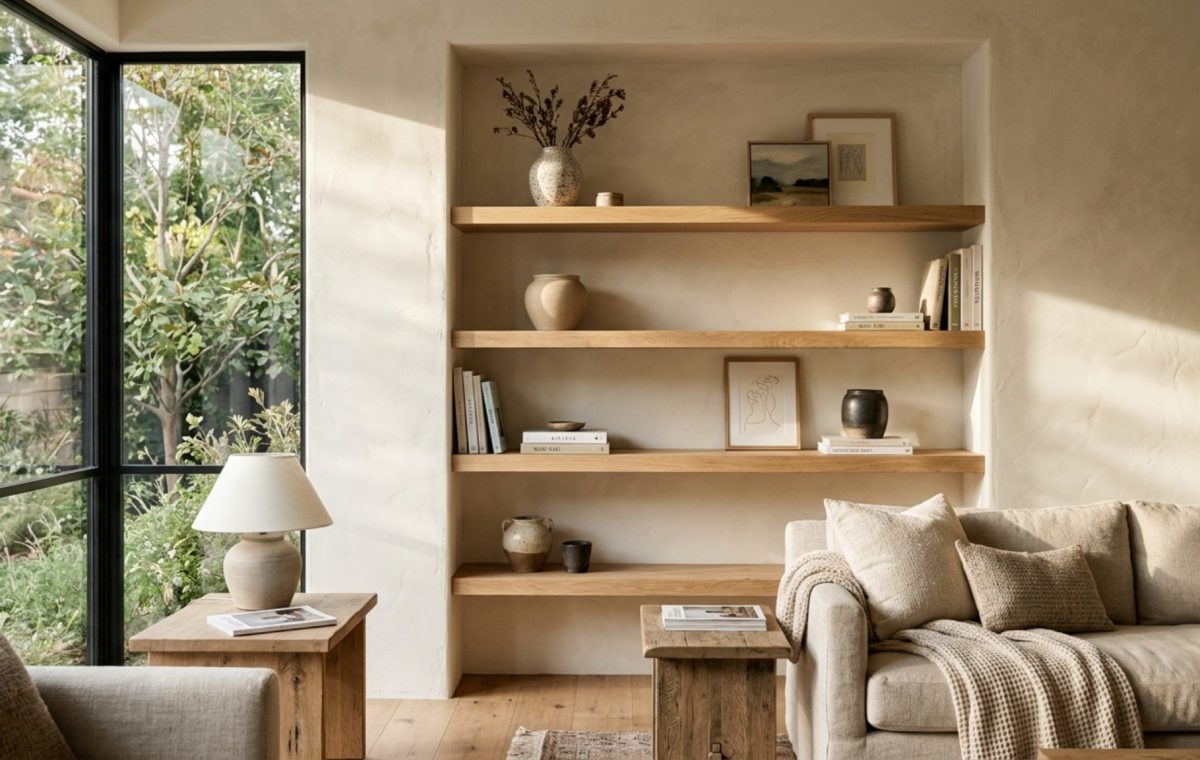
When we talk about verticality, we are looking for more than just a place to put things. We are looking for ‘breathing room’—that elusive negative space that makes a home feel like a sanctuary rather than a storage unit. The secret lies in the alcove, those awkward, often-ignored recesses flanking a fireplace or a structural column. Instead of seeing these as limitations, we see them as opportunities for structural rigor. A well-executed floating shelf installation can transform a dead-end wall into a focal point of quiet luxury, blending the line between furniture and architecture.
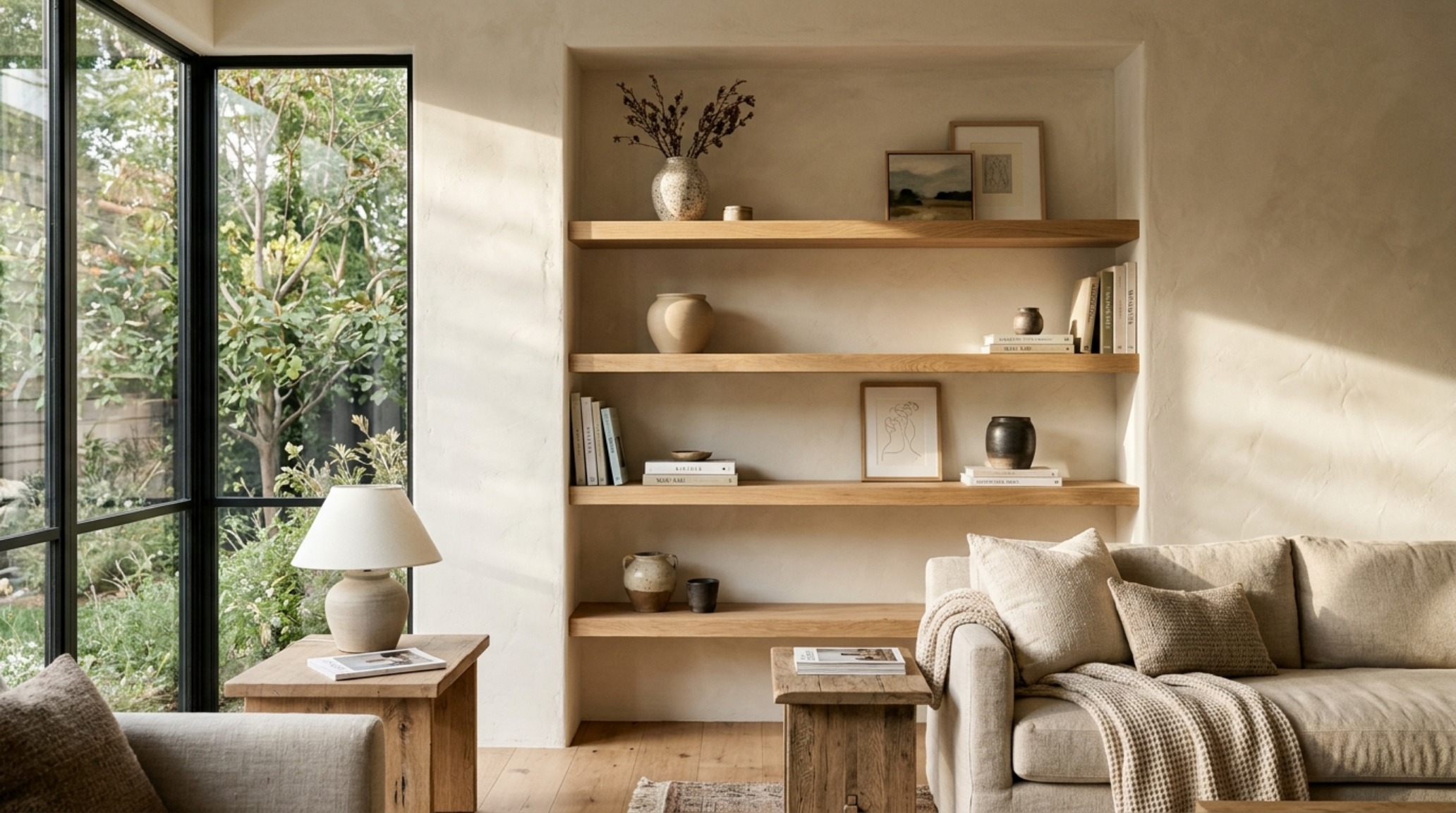
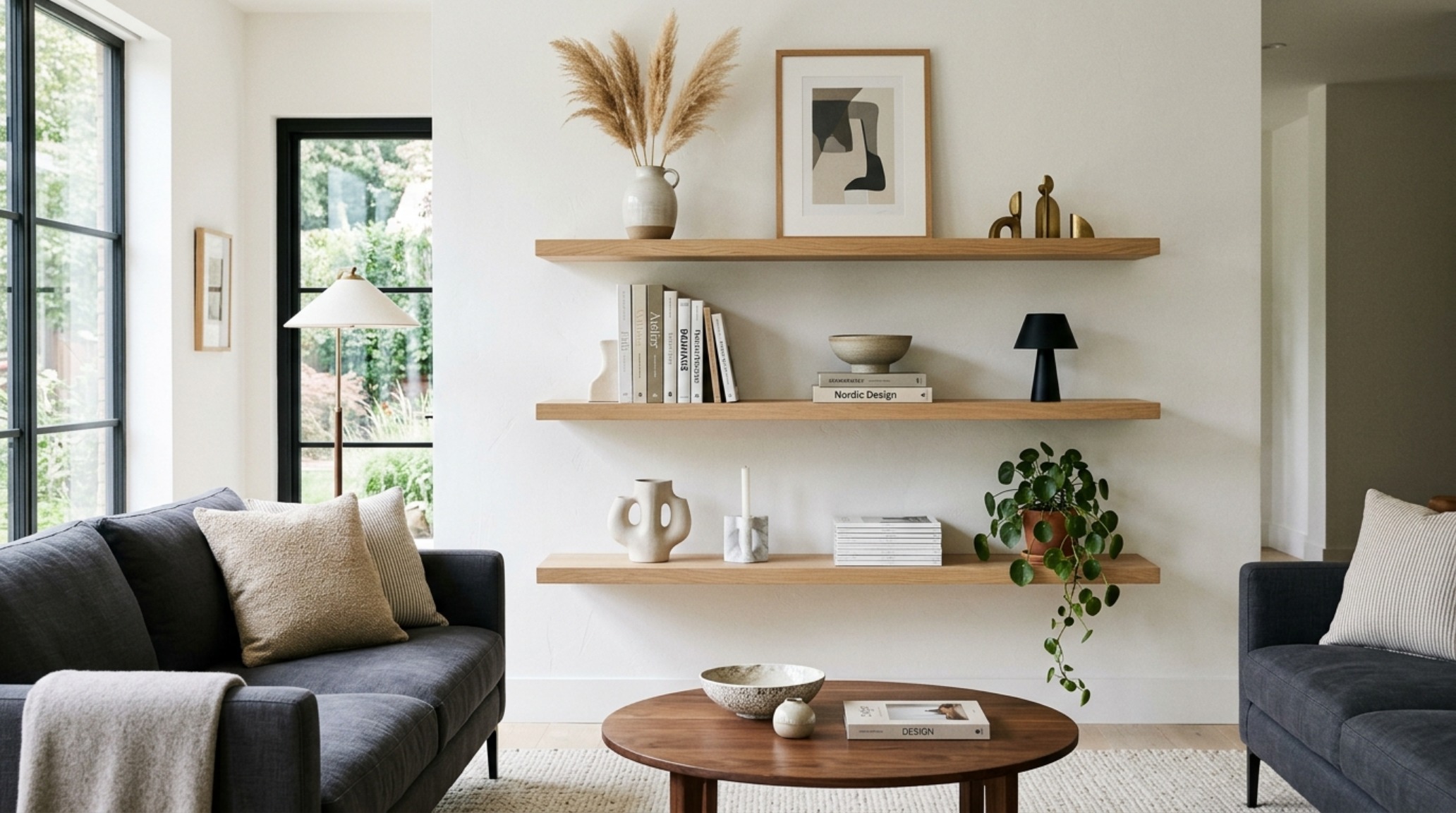
To begin this expansion, one must master the alchemy of the alcove. These recessed spaces are tailor-made for custom millwork, but the standard ‘bracket-and-board’ approach often feels too heavy. Instead, consider the seamless integration of heavy duty floating shelf brackets hidden behind thick-cut, fluted white oak. The goal is to make the shelves appear as if they grew out of the wall itself. This is where the choice of paint becomes a vital layer of the design. A backdrop of Benjamin Moore Swiss Coffee or the soft, clay-like warmth of Farrow & Ball Setting Plaster provides a tactile grounding that allows the wood grain to sing.
The Ergonomics of Elevation and Spatial Cadence
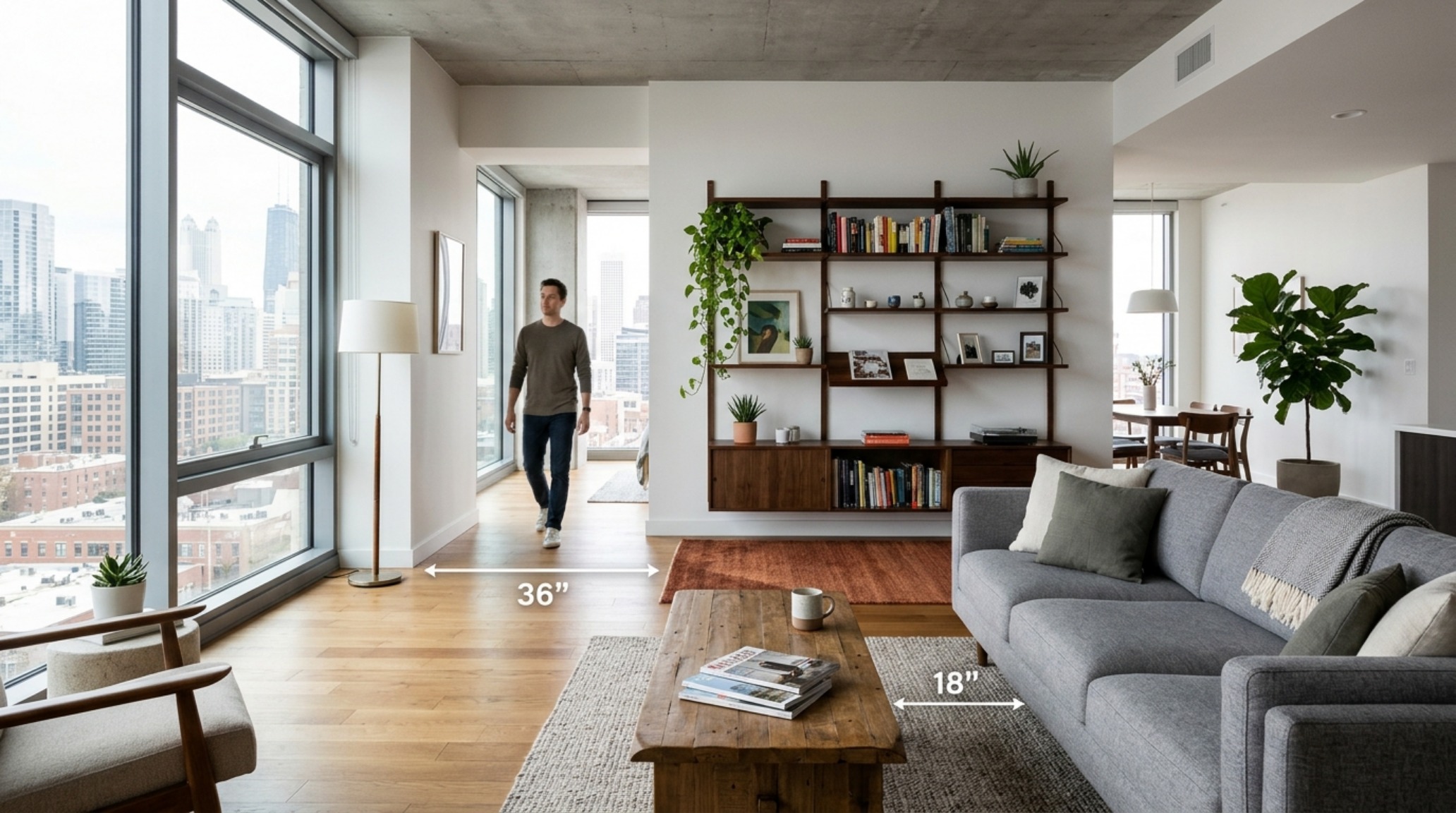
Design is a game of inches, and when it comes to floating wall shelves, those inches dictate the energy of the entire room. There is a fundamental rule of thumb used by architects: shelves should typically reside 12 to 18 inches above a piece of furniture—be it a sofa or a credenza. This provides enough clearance for the furniture to breathe while ensuring the items on the shelf remain within the primary field of vision. When you ignore these clearances, the room feels disjointed, as if the walls and the floor are in a constant state of friction.
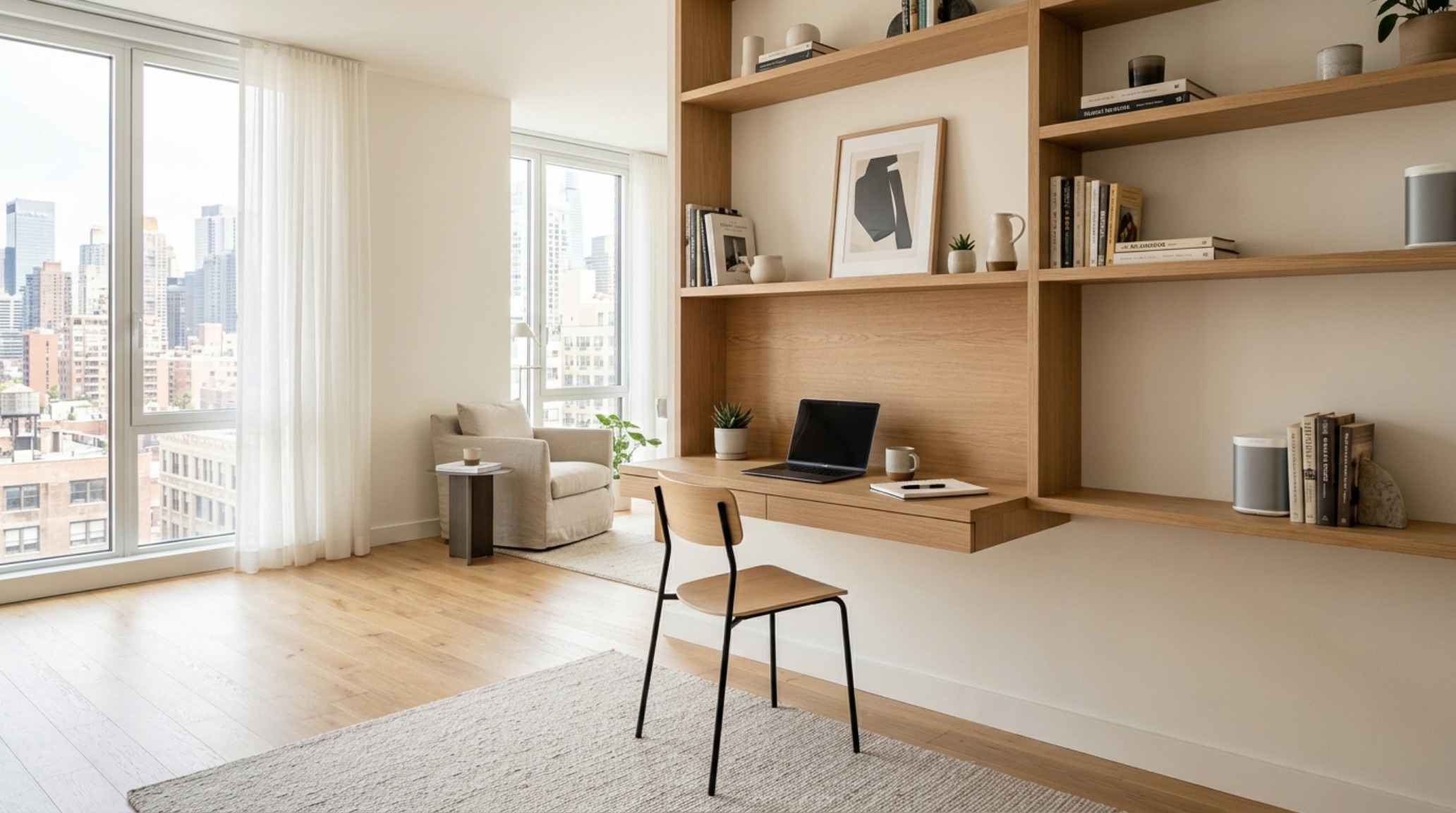
In a small living room, the 36-inch standard walkway clearance is non-negotiable. If a bookshelf protrudes too far into this path, the room feels claustrophobic. This is why thin-profile face-out book ledges have become a staple of modern floating shelf styling. By displaying the covers of books rather than the spines, you reduce the depth of the shelf from a standard 10-12 inches down to a mere 3-4 inches. This ‘slimming down’ of the wall profile maintains the airy, uncluttered aesthetic of a professional editorial shoot while still celebrating your personal library.
Mastering Living Room Floating Shelves Ideas for Multi-Functional Life
In the post-commute era, the living room has become a multi-hyphenate space. It is a gallery, a lounge, and frequently, a satellite office. The multifunctional shelf-desk hybrid is the crown jewel of the vertical expansion. By extending one of your lower floating shelves—ideally at a 30-inch height for ergonomic seating—you create a ‘perch’ for a laptop without the visual bulk of a traditional desk. This integration maintains the horizontal continuity of the wall, tricking the eye into perceiving the room as wider than it actually is.
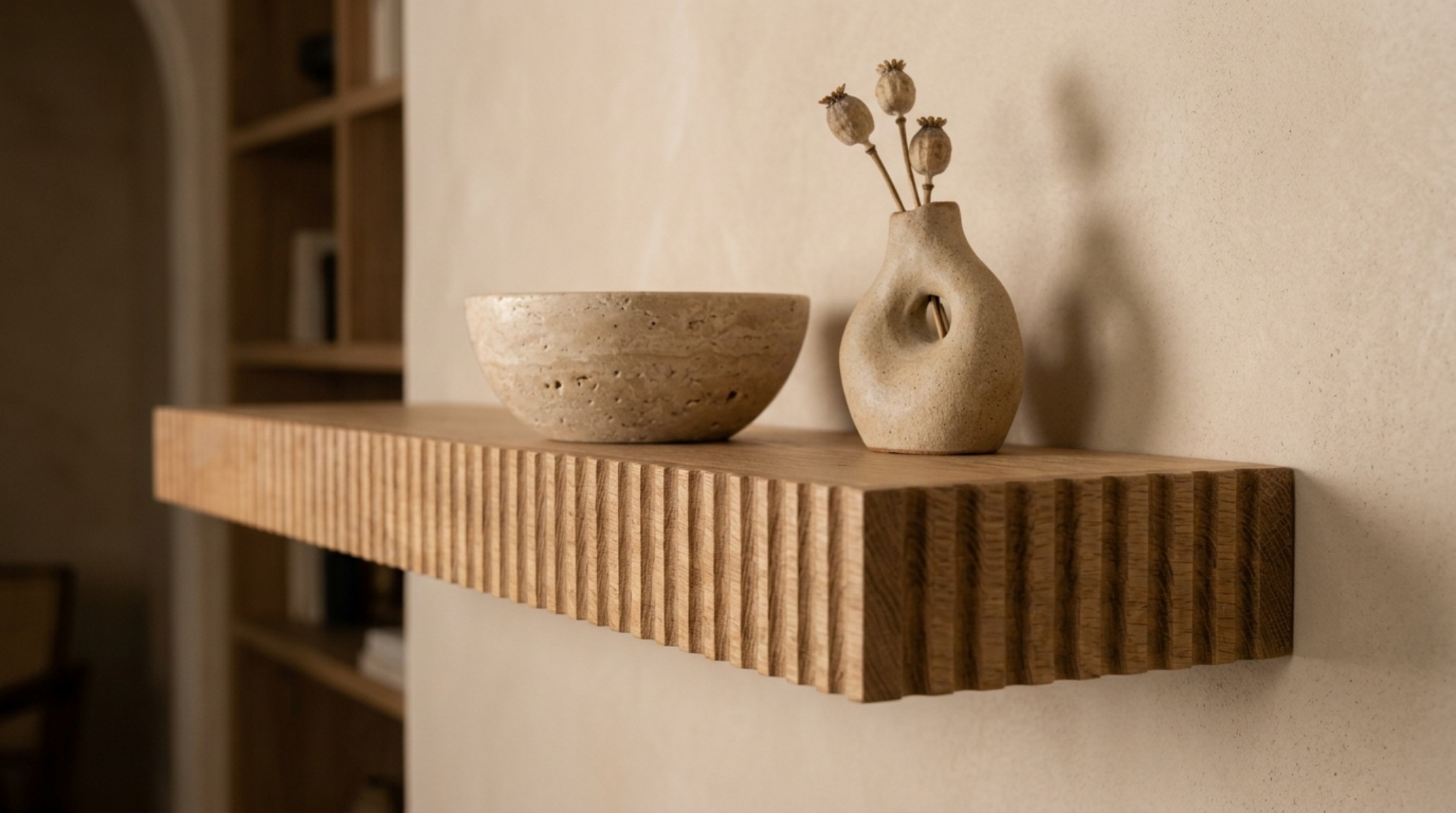
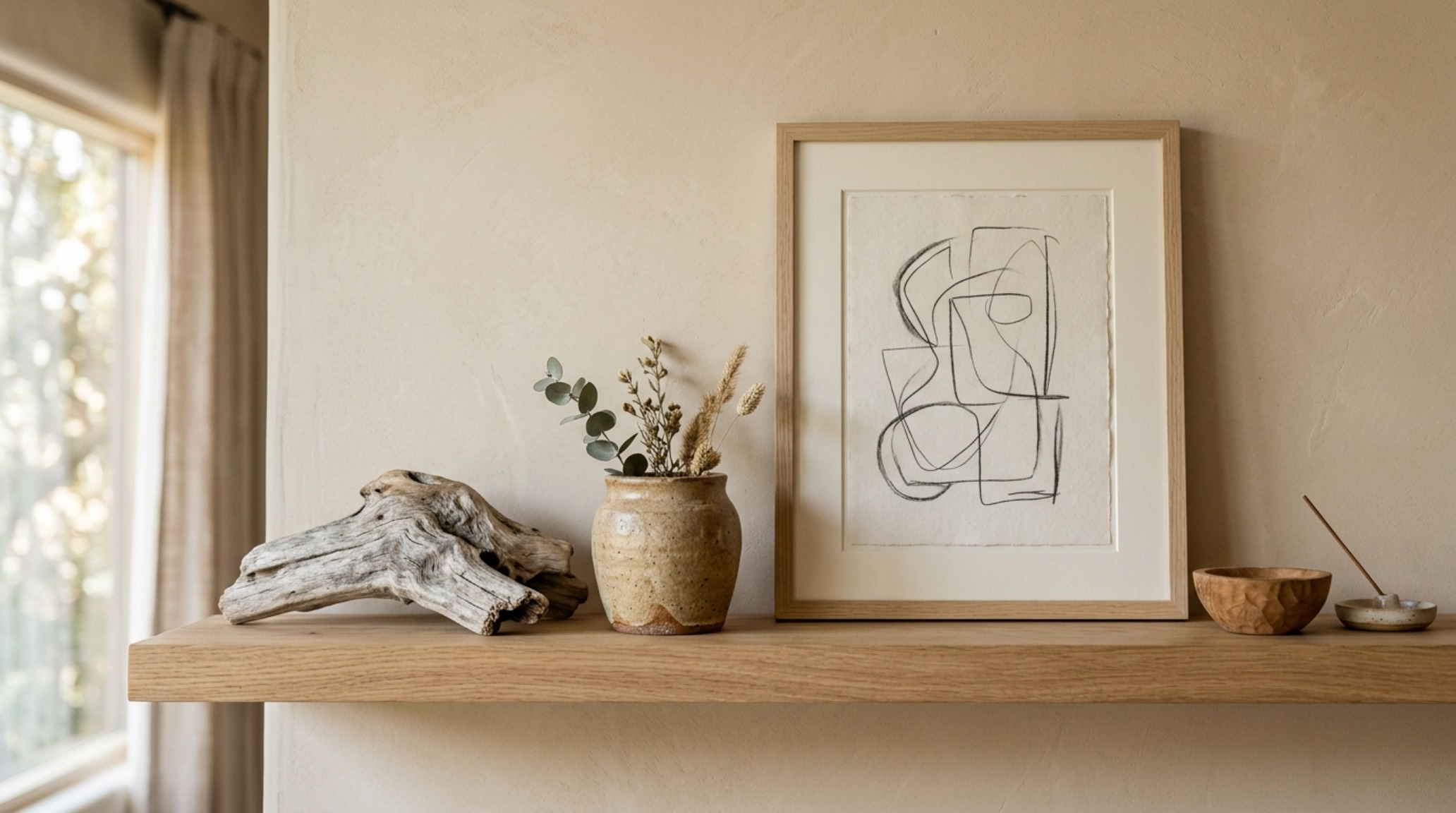
To keep this setup from looking clinical, we look to ‘Organic Modern’ aesthetics. Mix the clean lines of the shelves with tactile materials like a honed travertine bowl or a single sculptural branch. The contrast between the rigid geometry of the shelving and the fluid, irregular shapes of your decor creates a sophisticated tension. Remember, the ‘less is more’ philosophy is less about minimalism and more about intentionality. Each object should have enough space around it to be seen—a concept we designers call ‘visual breathing room’.
The Materiality of Quiet Luxury: Fluted Oak and Limewash
We are currently seeing a significant shift away from the stark, industrial metals of the past decade toward warmer, more authentic materials. White oak floating shelves living room installations are trending for a reason: they offer a softness that grounds the space. If you want to elevate the look further, consider the texture of fluted oak or tambour detailing on the shelf edges. This adds a rhythmic shadow play that changes throughout the day as the sunlight moves across the room.
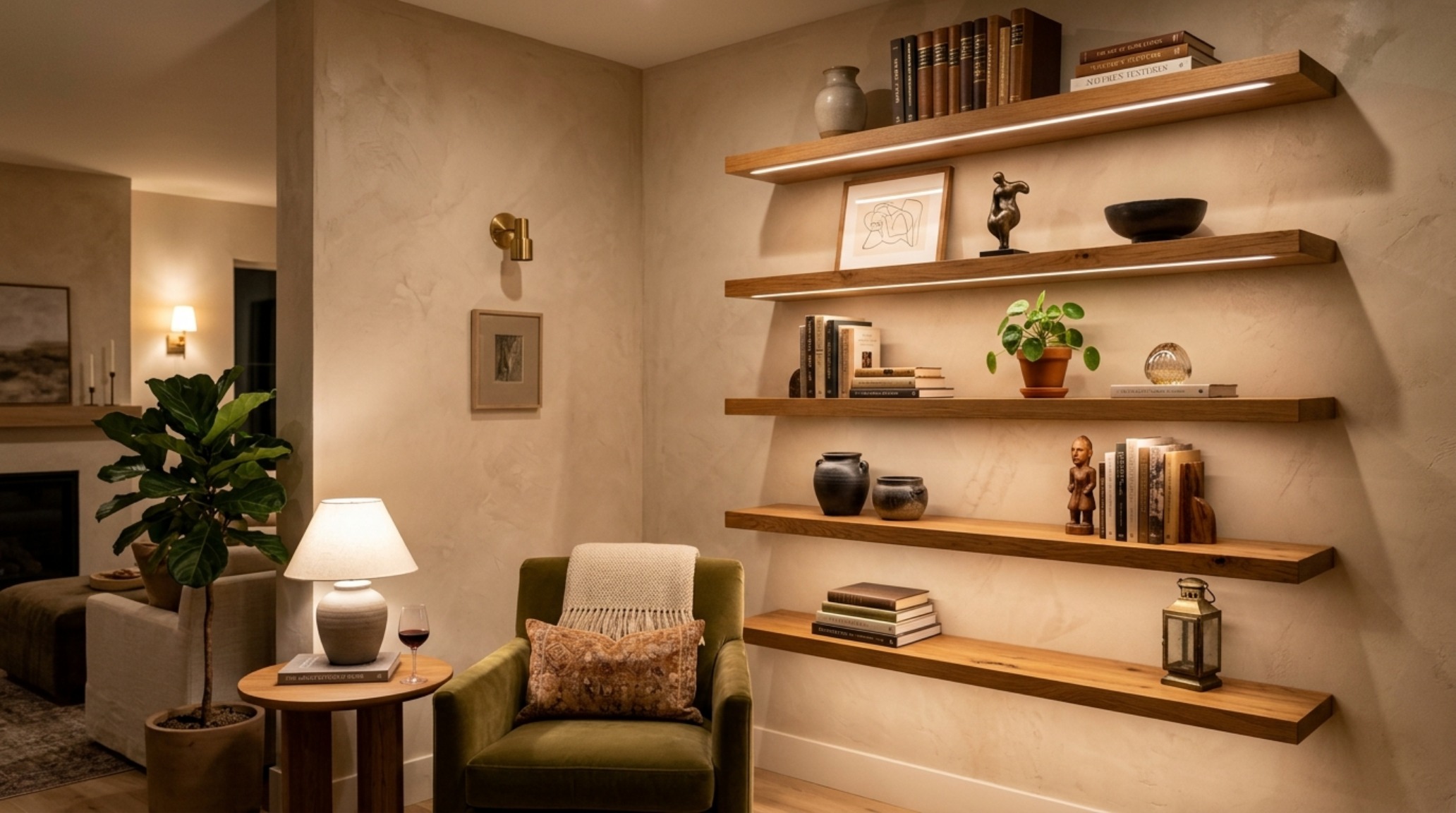
The backdrop is just as important as the shelf itself. A limewash finish on the wall behind your shelves creates a subtle, mottled texture that catches the light in ways flat latex paint never can. When paired with integrated LED floating shelves, the effect is transformative. By routing a small channel into the underside of the shelf for a high CRI 90+ LED strip (ideally in a 2700K warm ambient temperature), you eliminate harsh shadows and cast a soft glow on the objects below. This is not just lighting; it is architectural jewelry.
Styling with Intention: The Edit
Styling is where many people lose the ‘professional’ edge. The secret to how to style floating shelves with plants and objects lies in asymmetry. A perfectly symmetrical shelf feels stagnant and formal; asymmetrical shelving feels curated and alive. Group items in odd numbers—threes and fives—and vary the heights. Place a tall, trailing Pothos or Aeschynanthus on a higher shelf to draw the eye upward, then ground the bottom shelf with a stack of heavy art books or a solid stone vessel.
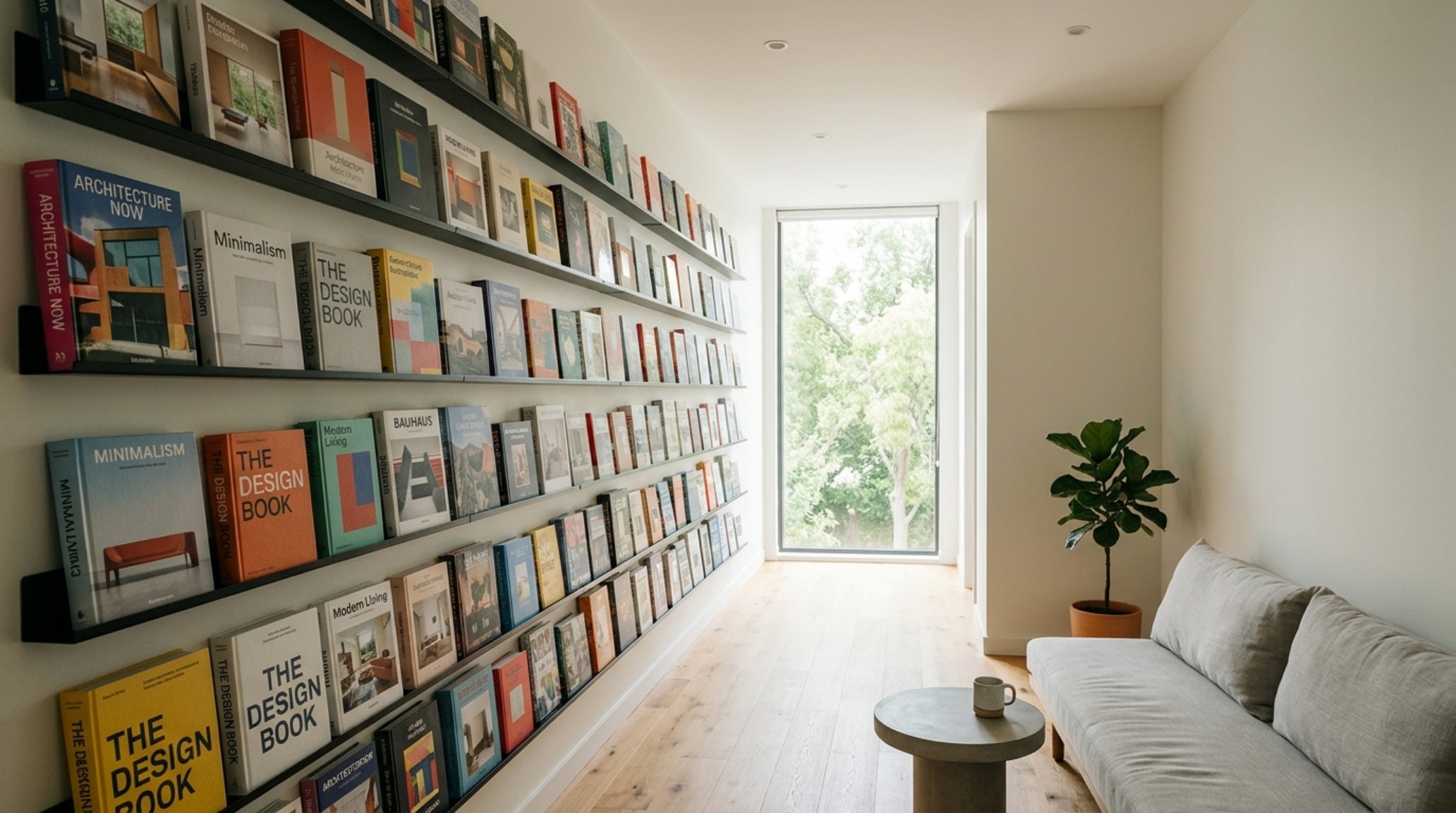
One of the most effective minimalist wall shelf decor tricks is the use of ‘sightline alignment’. When you enter the room, what is the first thing you see? That ‘hero’ spot should be reserved for your most cherished item. Around it, use neutral tones and varied textures to create a cohesive story. If your shelves are in an awkward alcove, use the depth of the recess to your advantage by staggering the shelf lengths, creating a waterfall effect that leads the eye through the space.
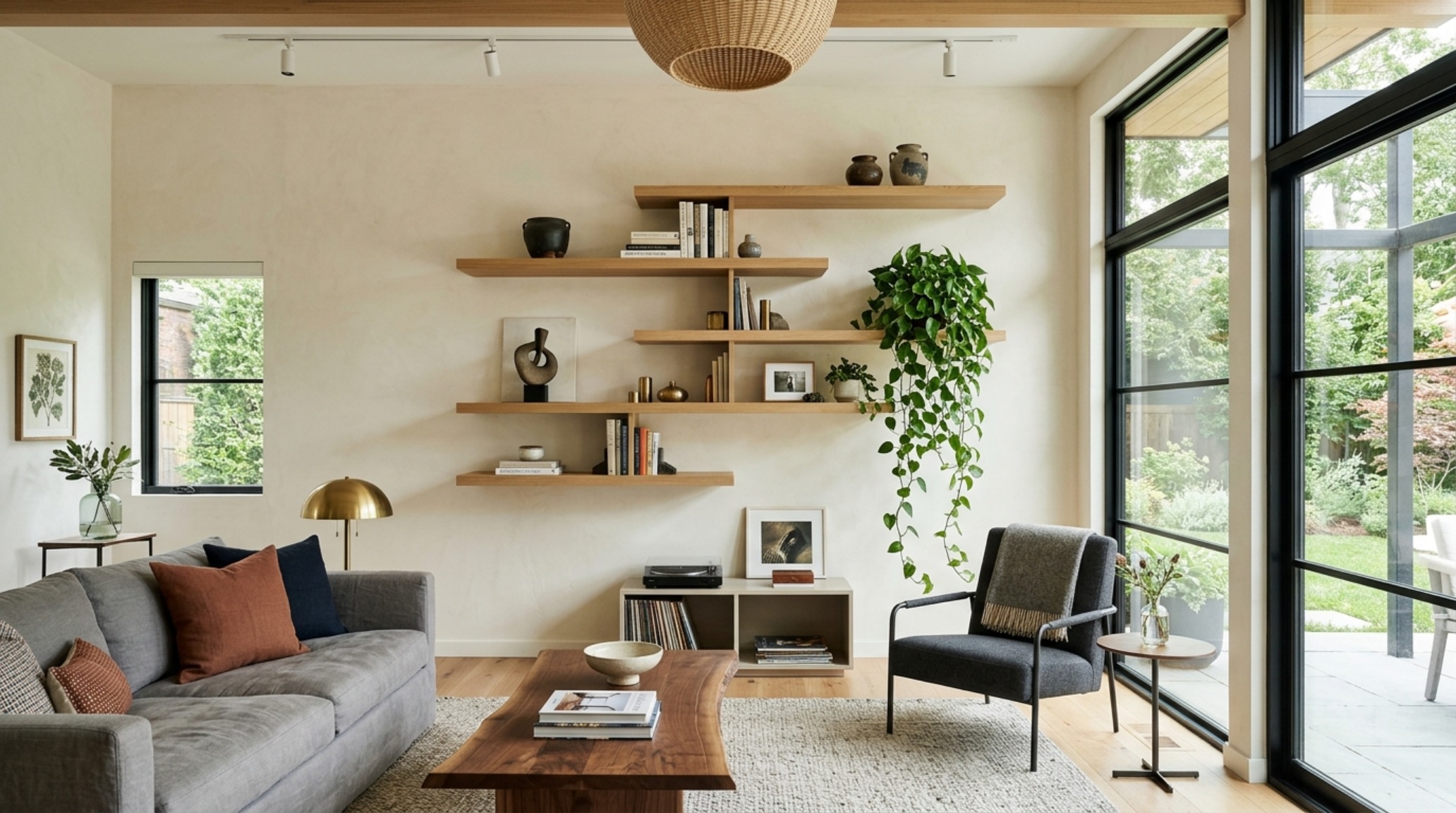
Ultimately, the vertical expansion is about more than just square footage. It’s about the psychology of the home. When our belongings are elevated and organized with intention, our minds follow suit. We stop seeing the walls as boundaries and start seeing them as canvases for our daily lives. By respecting architectural clearances, choosing premium materials like fluted oak, and utilizing smart-lighting, you don’t just solve a storage problem—you create an environment that feels expansive, light-filled, and deeply personal.
Architectural Specification & Material Matrix
Curated tactile palette, spatial dimensions, and atmospheric lighting index for this design scheme.
As we continue to evolve our relationship with the spaces we inhabit, the importance of structural flexibility cannot be overstated. A room that can adapt—shifting from a quiet reading nook to a high-functioning home office through the simple addition of a floating ledge—is a room that truly works for the modern dweller. Designing with living room floating shelves ideas is not merely a trend; it is a commitment to a more thoughtful, elevated, and airy way of living within the urban landscape. The walls are no longer the limit; they are the foundation of your next great expansion.
Editorial Silo • Recommended Architecture Studies
- The Tactile Aesthetic of Product Of The Week Omba Bookshelf: Elevating Living Room Floating Shelves Ideas with Materials, Moods & Lighting Kelvin — Archival Design Case Study
- Ikea Hyllis Shelves Hacks: The Architectural Blueprint & Spatial Flow Guide — Archival Design Case Study
Architectural Inspiration Lookbook
A high-resolution study in spatial proportions, tactile materiality, and light choreography curated for enduring modern living.
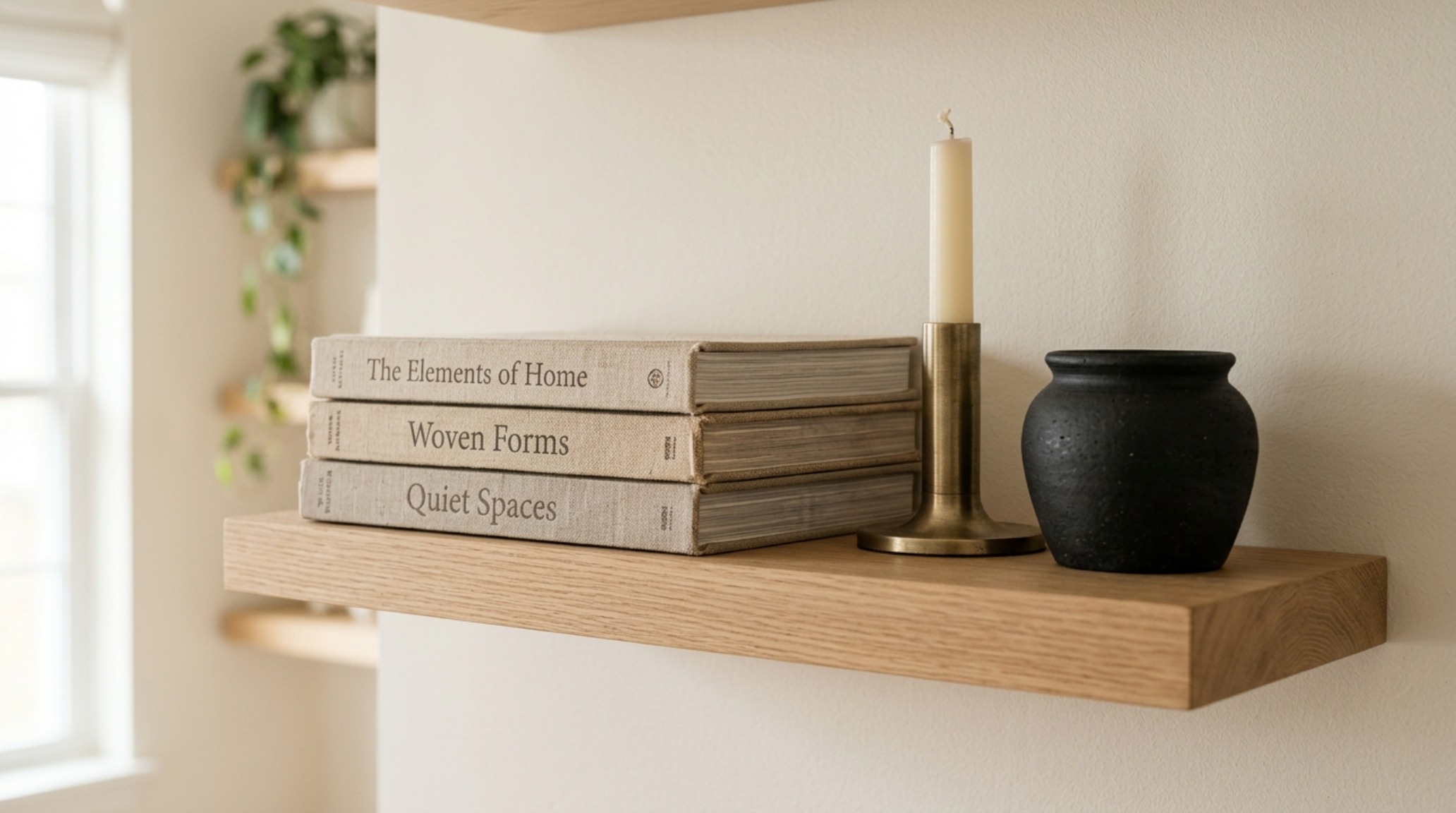
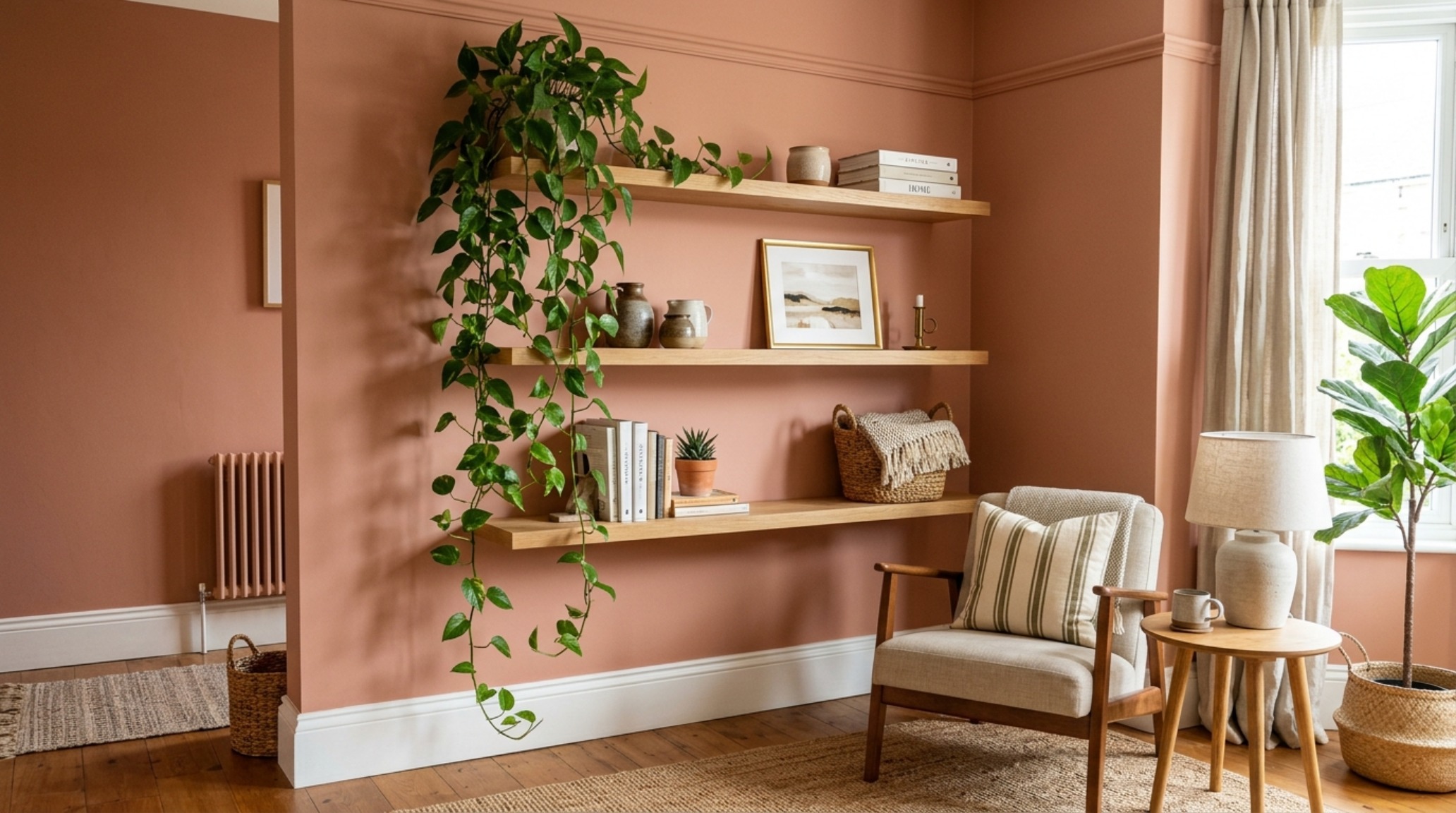
Curated Visual Lookbook
Design Gallery & Spatial Studies
A visual curation of architectural arrangements, lighting concepts, and material palettes featured in this space.