There is a specific kind of quiet that descends upon a room when the architecture does the heavy lifting for you. In the modern urban dwelling, where every square foot is a hard-won victory, the wall is no longer just a structural necessity; it is the ultimate frontier of performance. When we discuss living room wall shelf ideas, we are often tempted to talk about mere decoration. But for the high-performance home, shelving is an exercise in ghost storage—the art of making essential utility disappear into the very fabric of the room. This is where modularity meets the ‘Quiet Luxury’ movement, creating spaces that feel breathable, intentional, and profoundly curated.
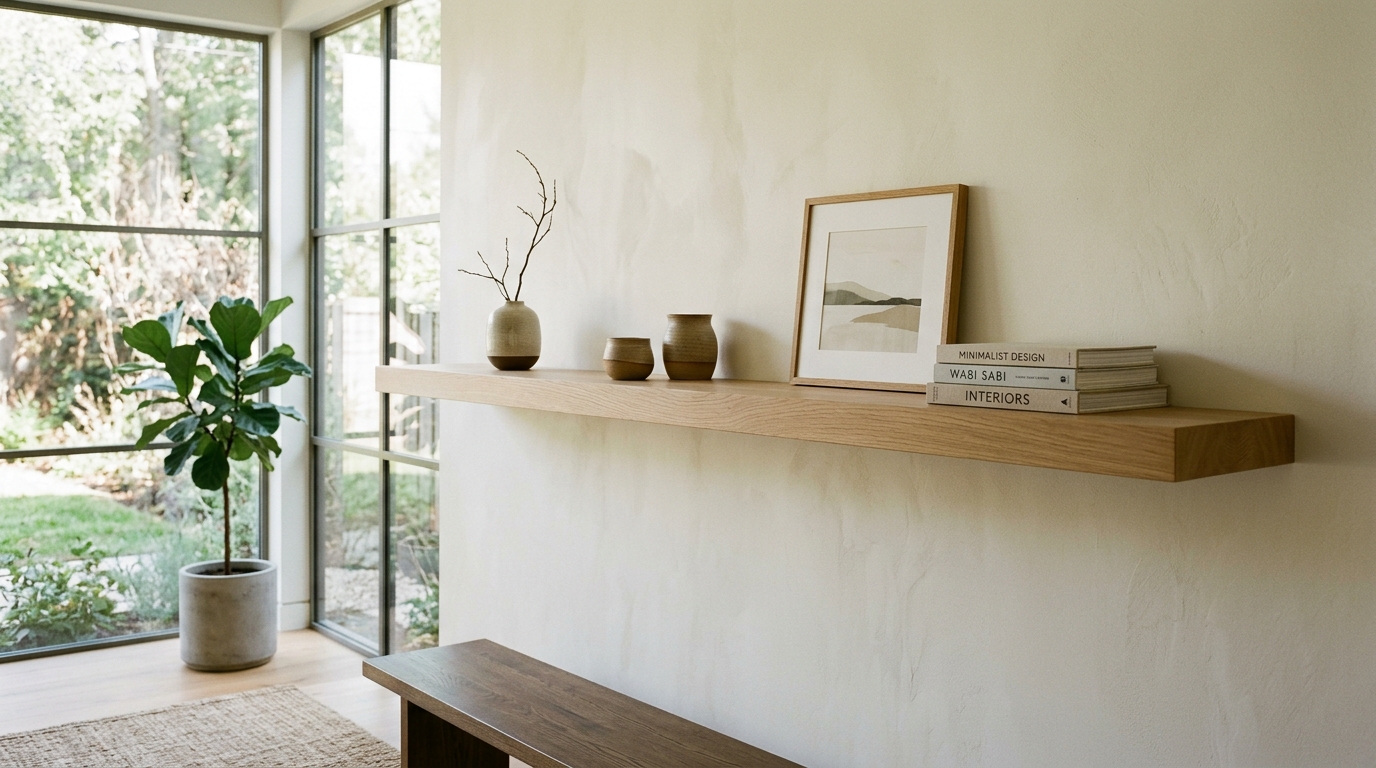
The Ghost Shelf: Engineering the Illusion of Weightlessness
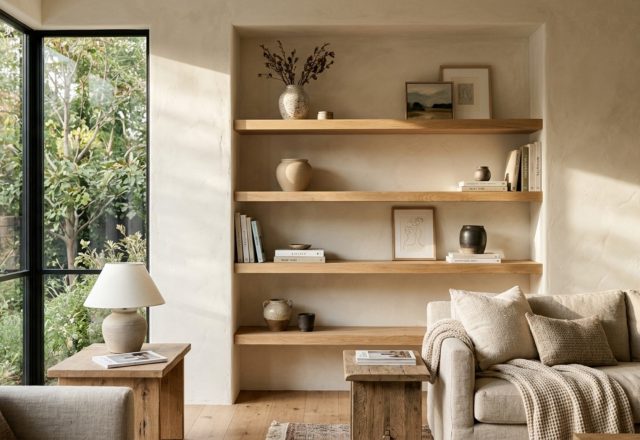
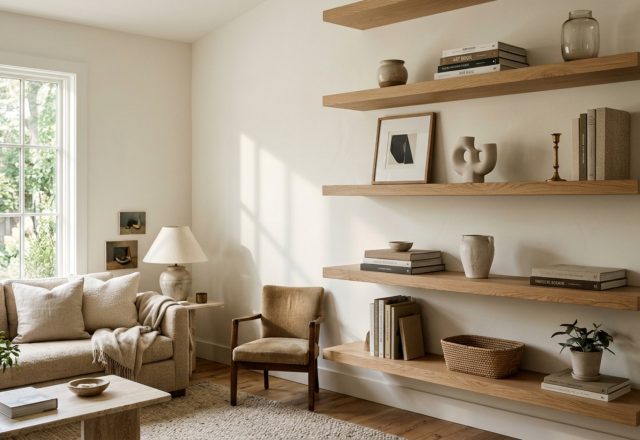
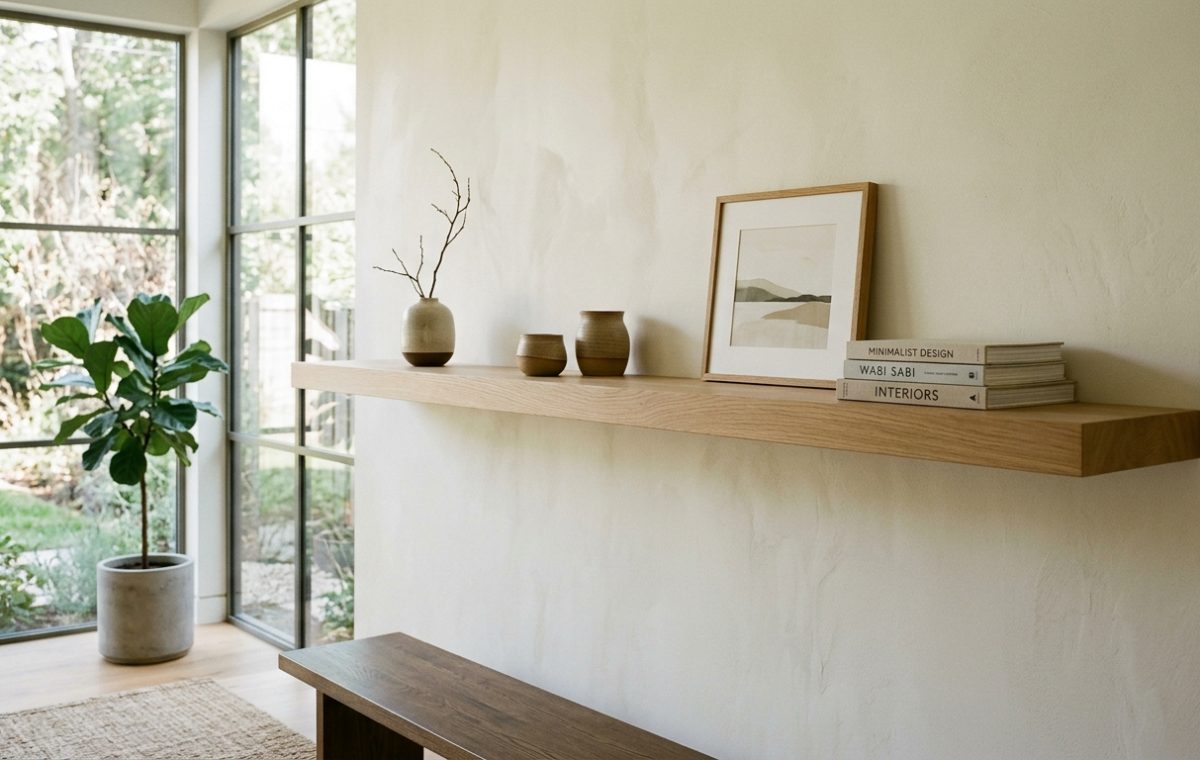
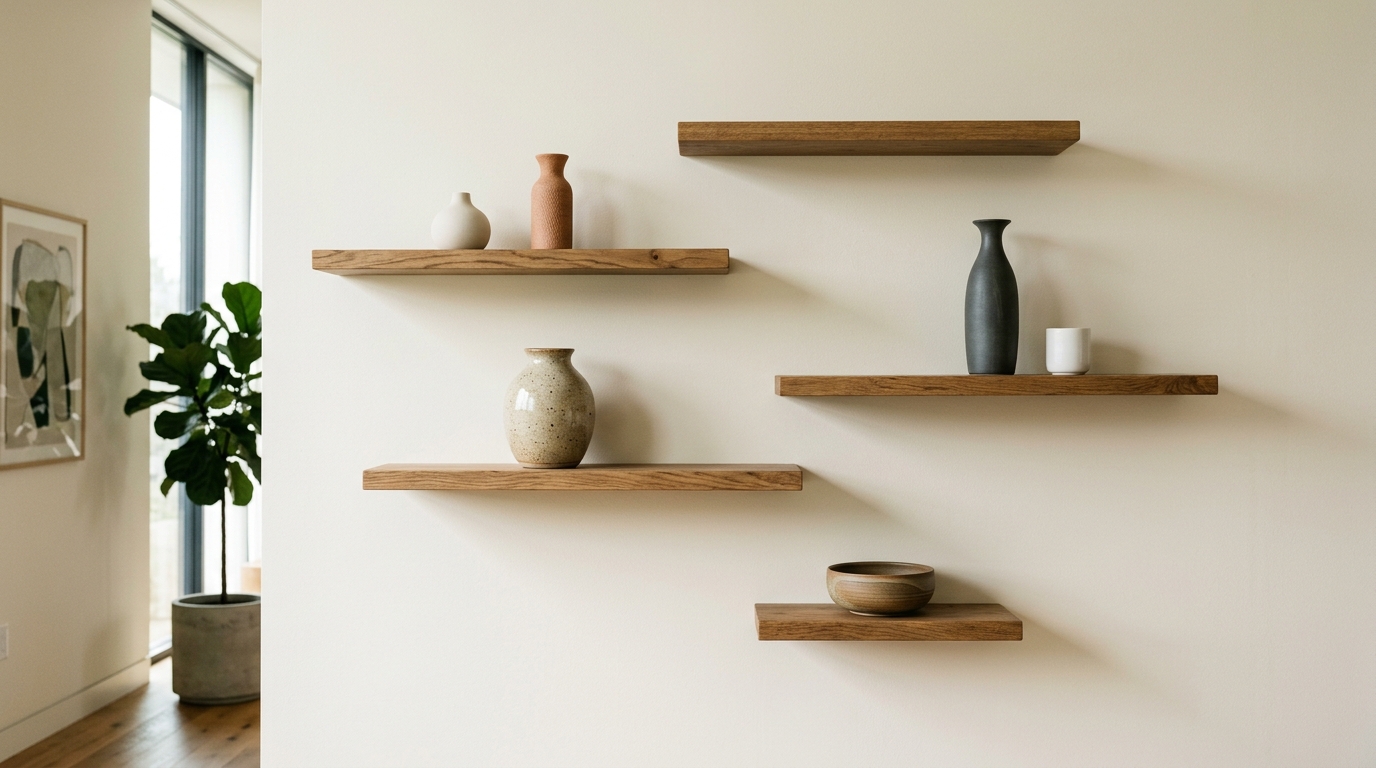
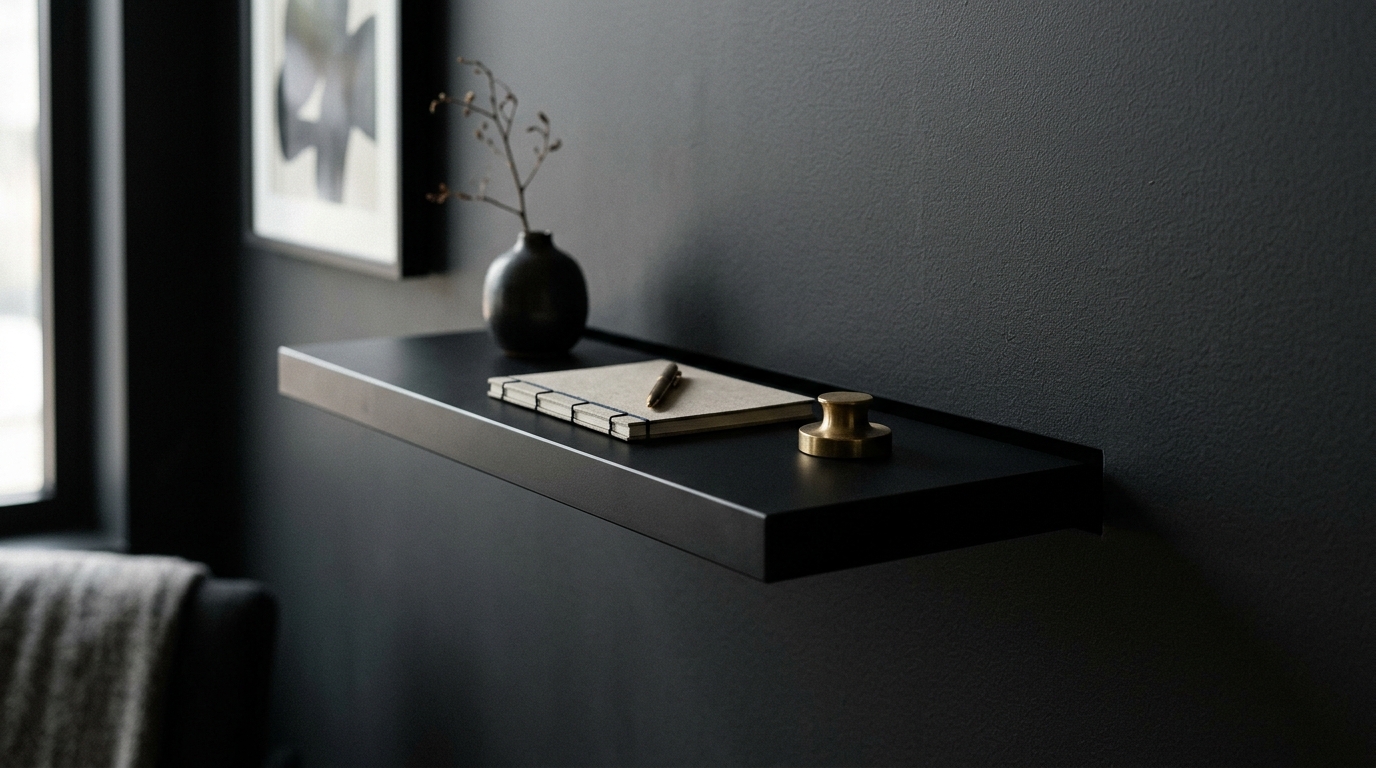
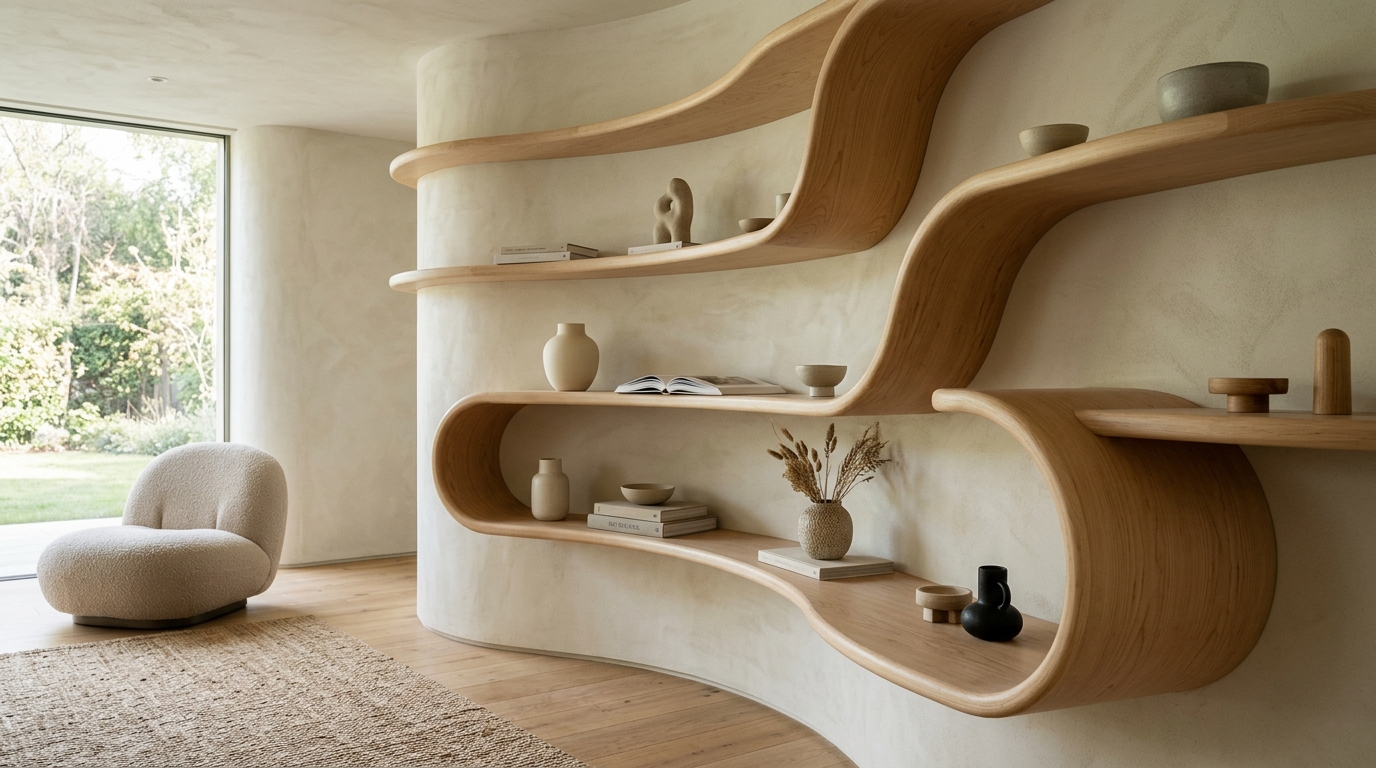
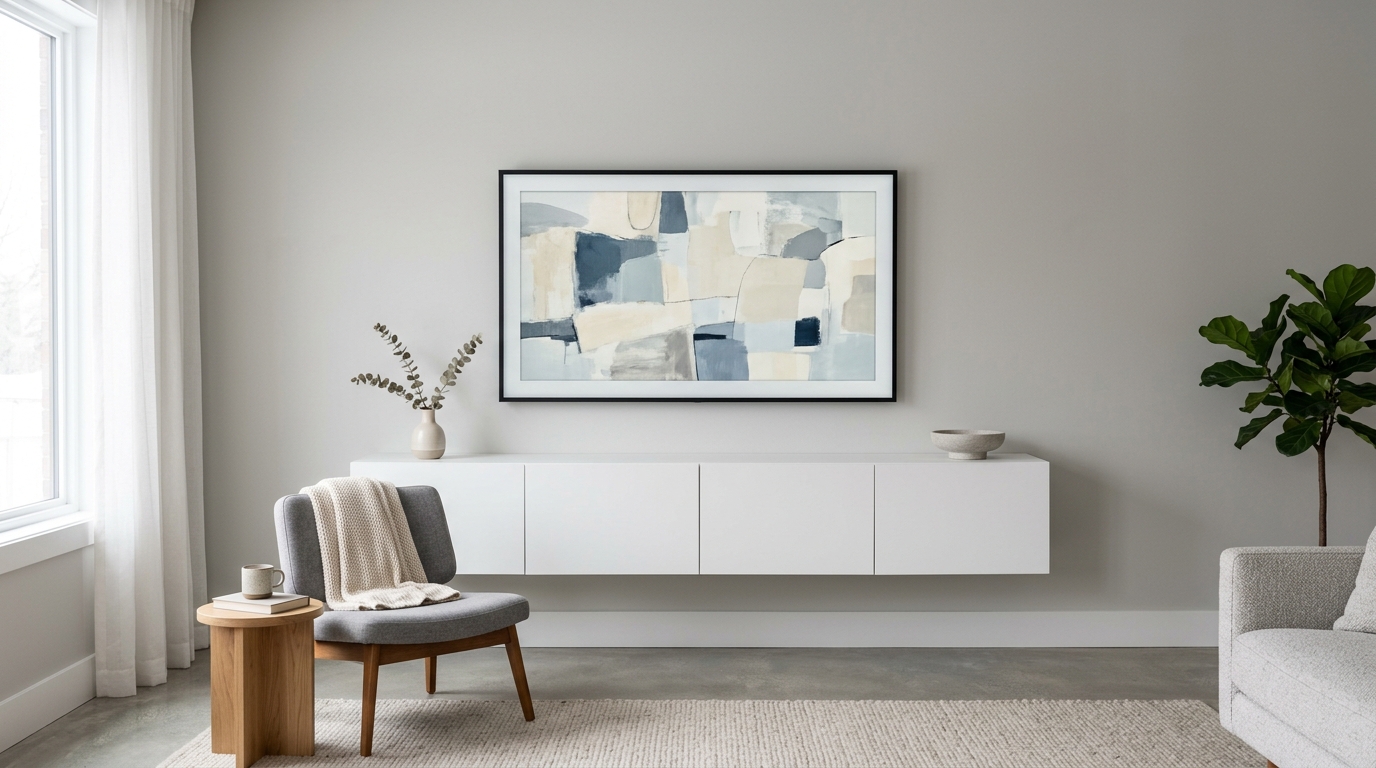
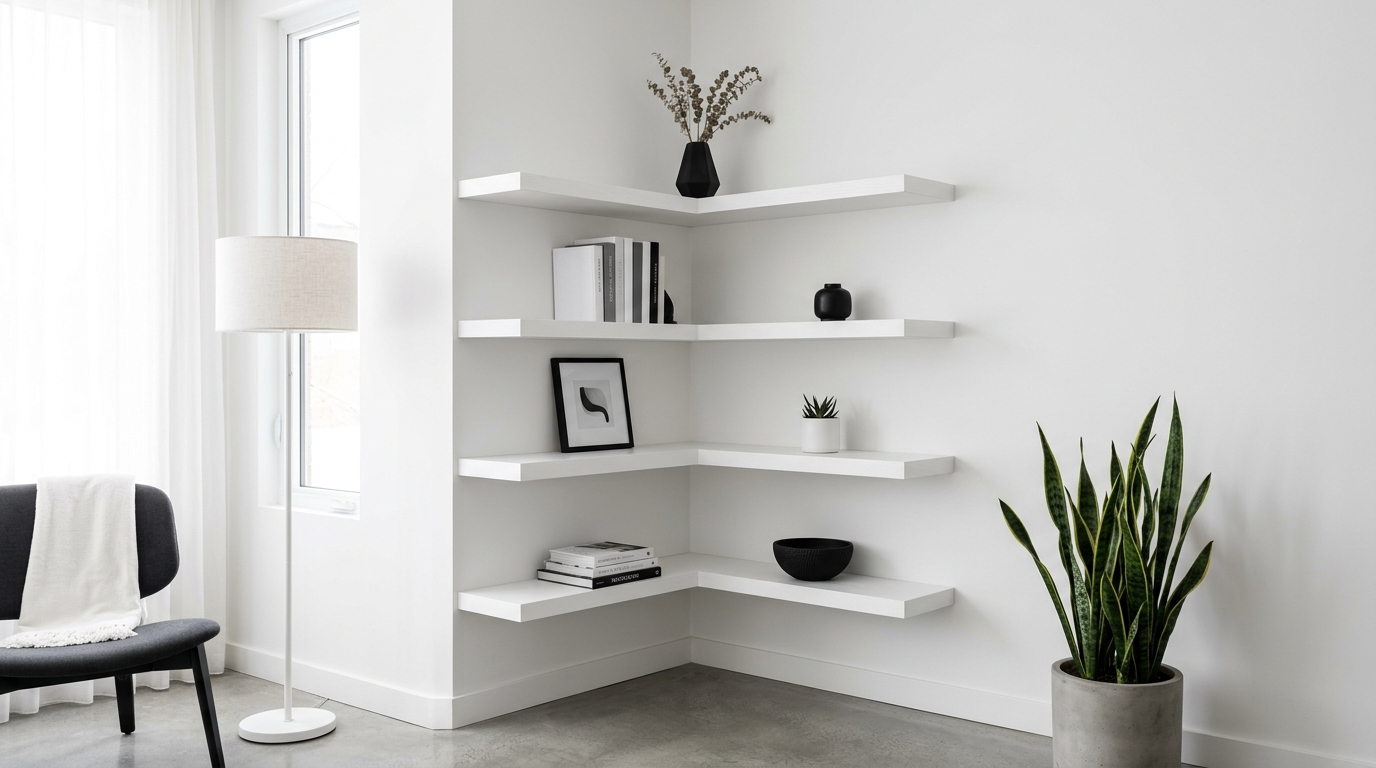
The core of the ‘Ghost Storage’ philosophy lies in the erasure of visible support. Architectural shelving today focuses on deep-integration systems where the shelf appears to grow organically from the wall. To achieve this, we look toward high-tension internal brackets and ‘blind’ support systems. Imagine a single, three-inch-thick slab of honed Carrara marble or fluted white oak, seemingly levitating against a backdrop of Benjamin Moore Swiss Coffee. The absence of visible corbels or brackets allows the eye to travel uninterrupted, which is the secret to making a 500-square-foot apartment feel like a sprawling loft.
When planning these installations, the technical specifications are as vital as the aesthetic ones. A standard floating shelf should be anchored into at least two studs using high-grade steel toggle bolts if studs are inaccessible. For true architectural impact, the ‘shadow gap’—a tiny 1/8-inch reveal between the shelf and the wall—creates a sophisticated silhouette that suggests a custom-built, high-end installation. This attention to detail transforms a simple storage solution into a sculptural focal point, bridging the gap between utility and art.
Refining the Narrative: High-Performance Living Room Wall Shelf Ideas for Every Aesthetic
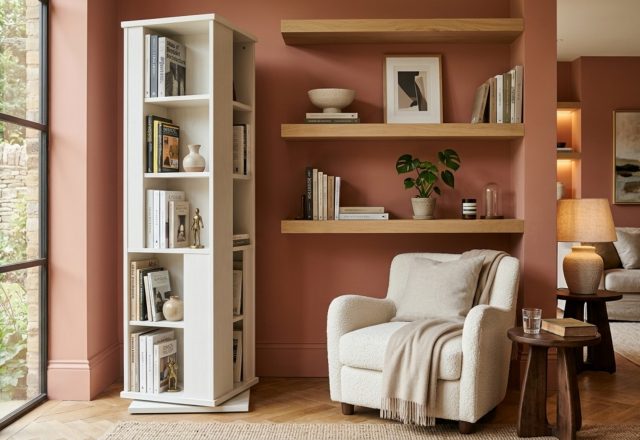
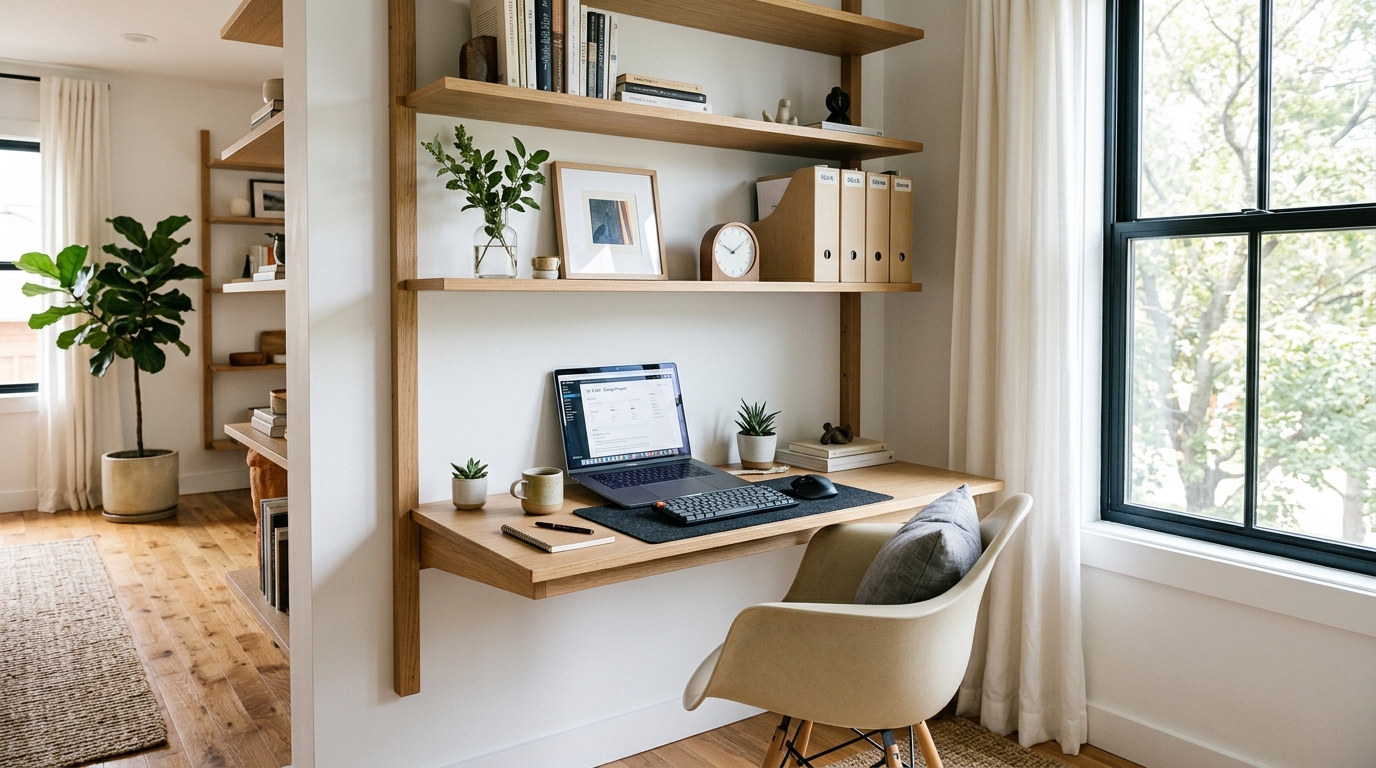
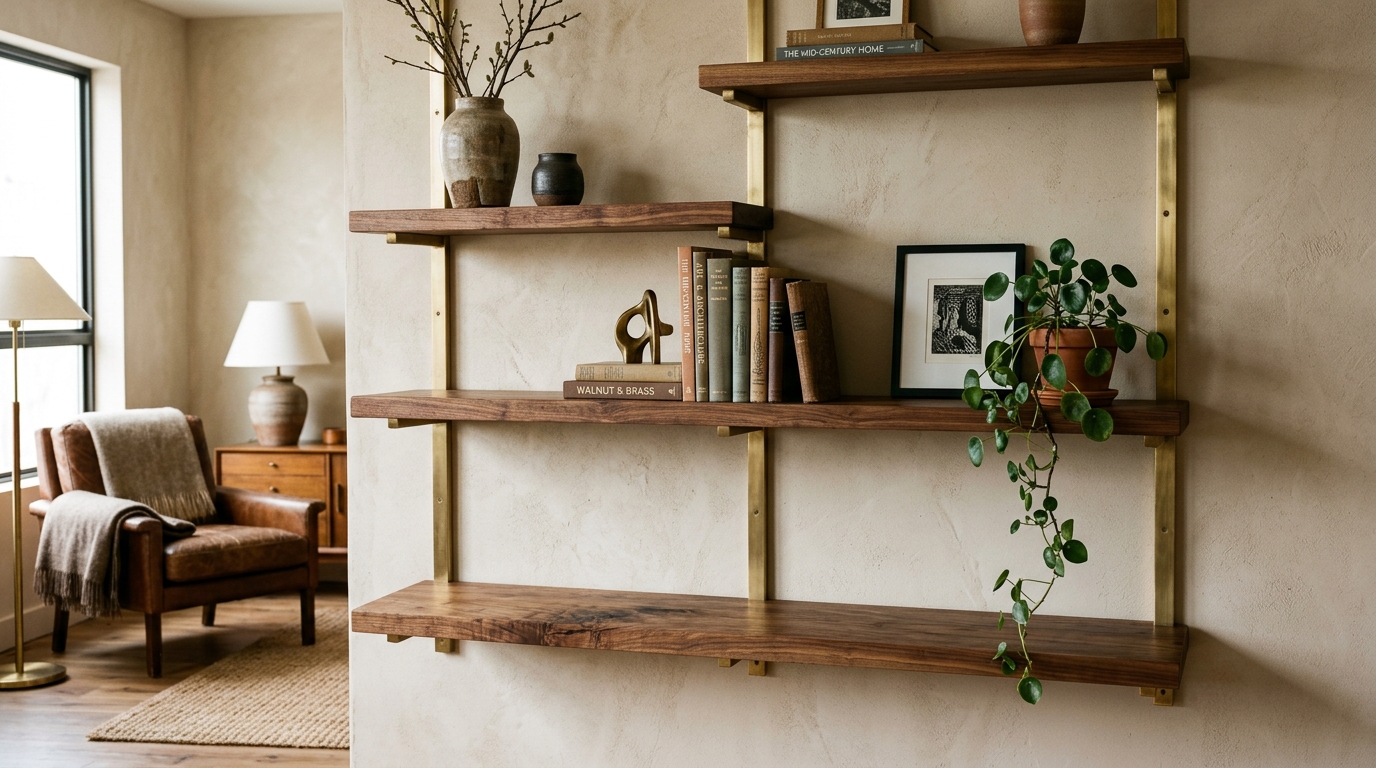
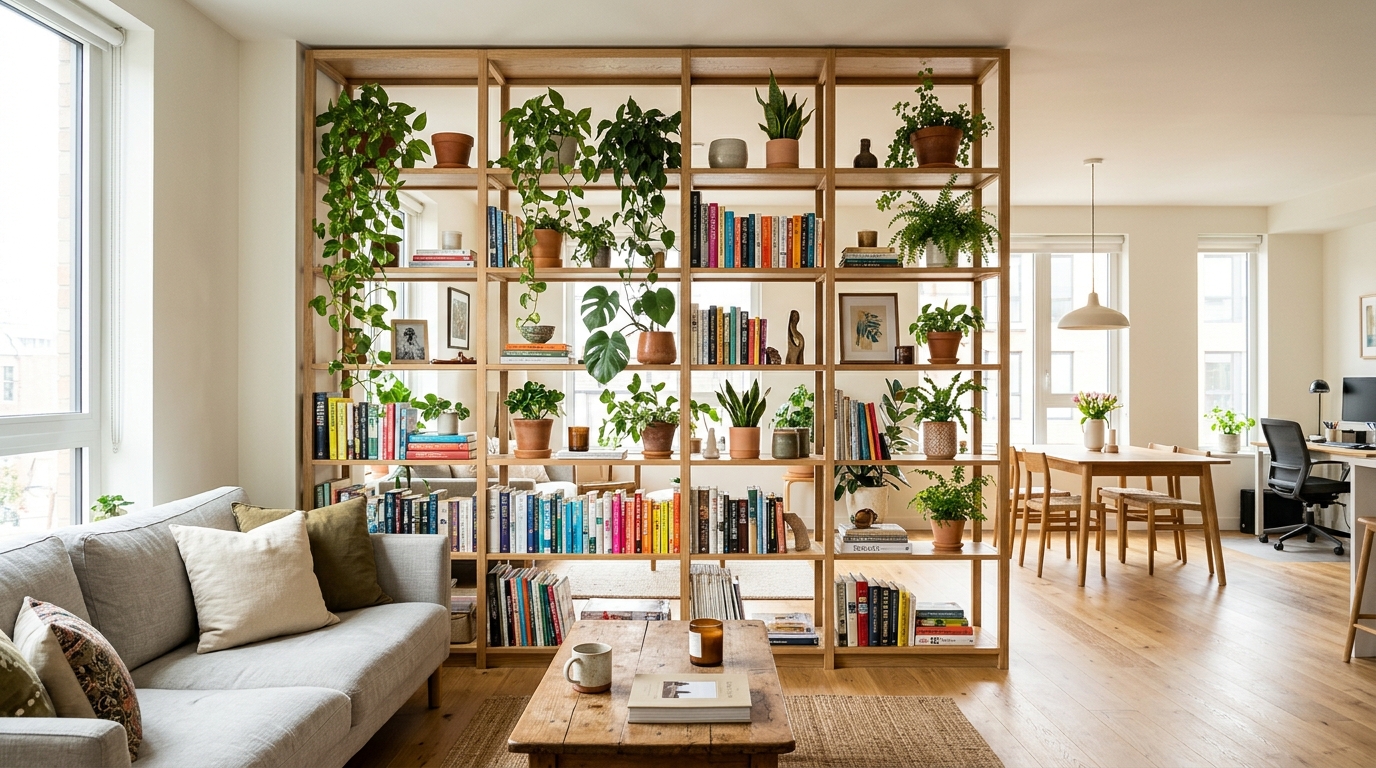
Modularity is the heartbeat of a high-performance wall. The rigid, fixed-shelf units of the past are being replaced by adaptive grids that evolve with our lives. Drawing inspiration from the iconic Vitsoe 606 Universal Shelving System, modern designers are leaning into aluminum tracks and interchangeable components. These systems allow for a ‘living’ wall where a shelf can be swapped for a drop-down desk or a slanted magazine rack in minutes. It is about future-proofing your environment against the changing demands of work-from-home life and shifting collections.
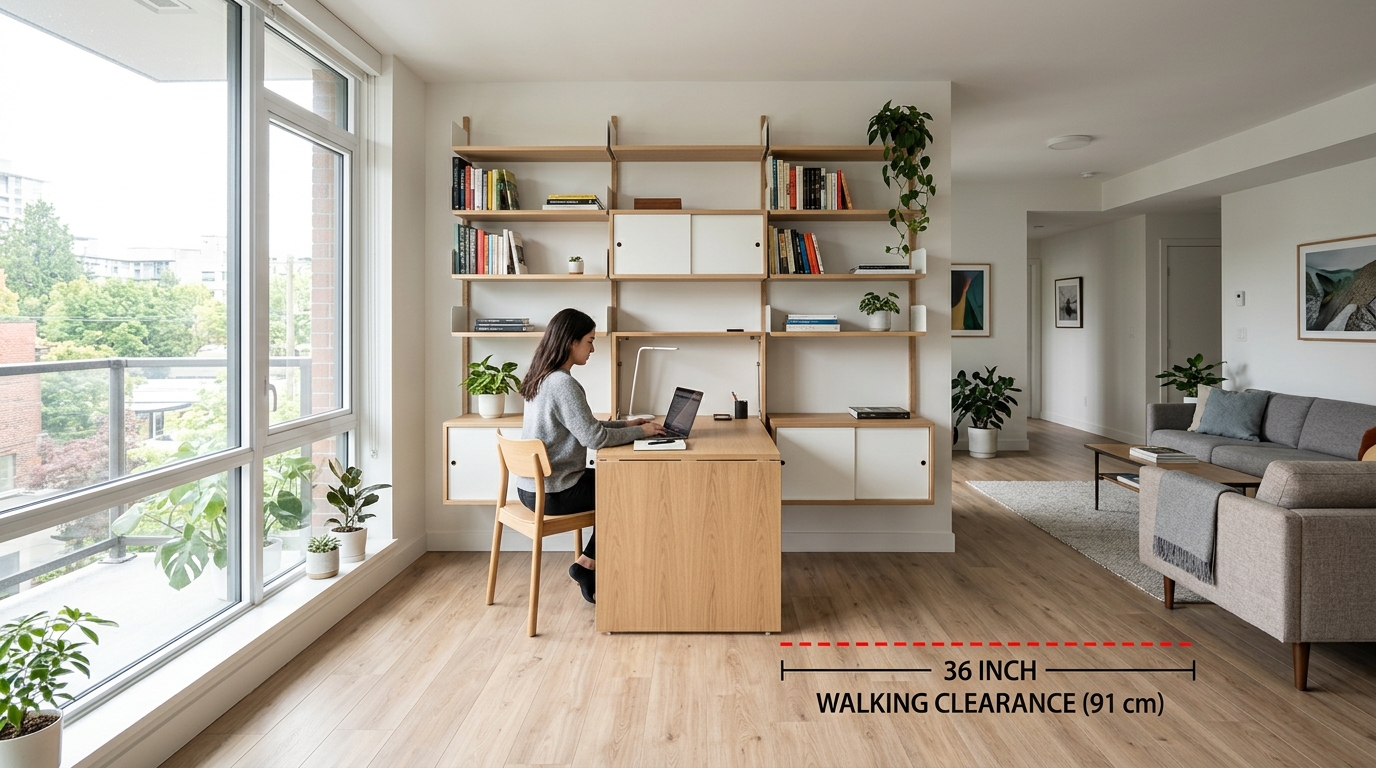
In a tight layout, the placement of these modular elements is governed by strict architectural clearances. To maintain a functional flow, ensure a 36-inch standard walkway clearance between the edge of your shelving and any major furniture pieces like a sofa or dining table. If you are integrating a drop-down work surface within your shelving grid, allow for a 30-inch dining chair clearance behind the seat to ensure the space remains navigable even when the ‘office’ is in use. By respecting these physical boundaries, your storage solution remains an asset rather than an obstacle.
The Organic Modern Pivot: Materiality and Tactile Grounding
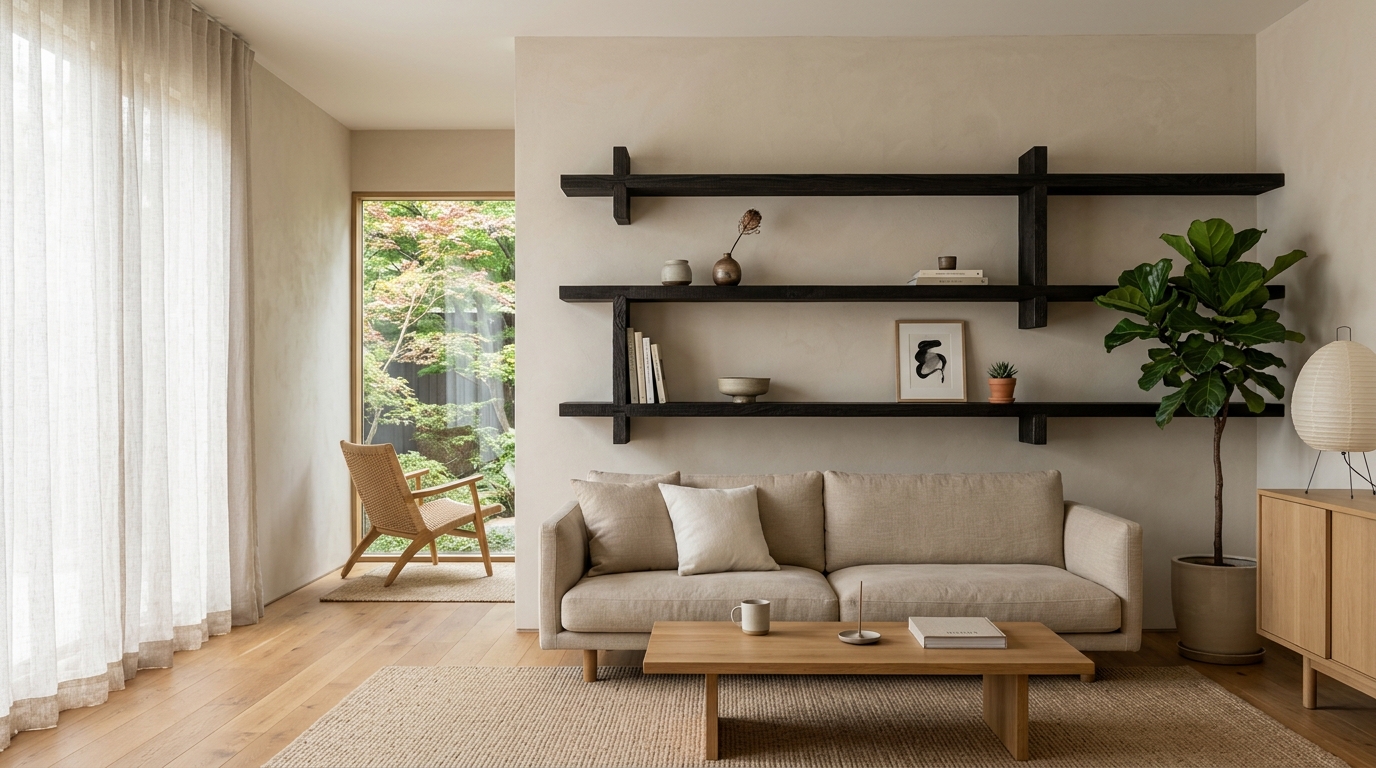
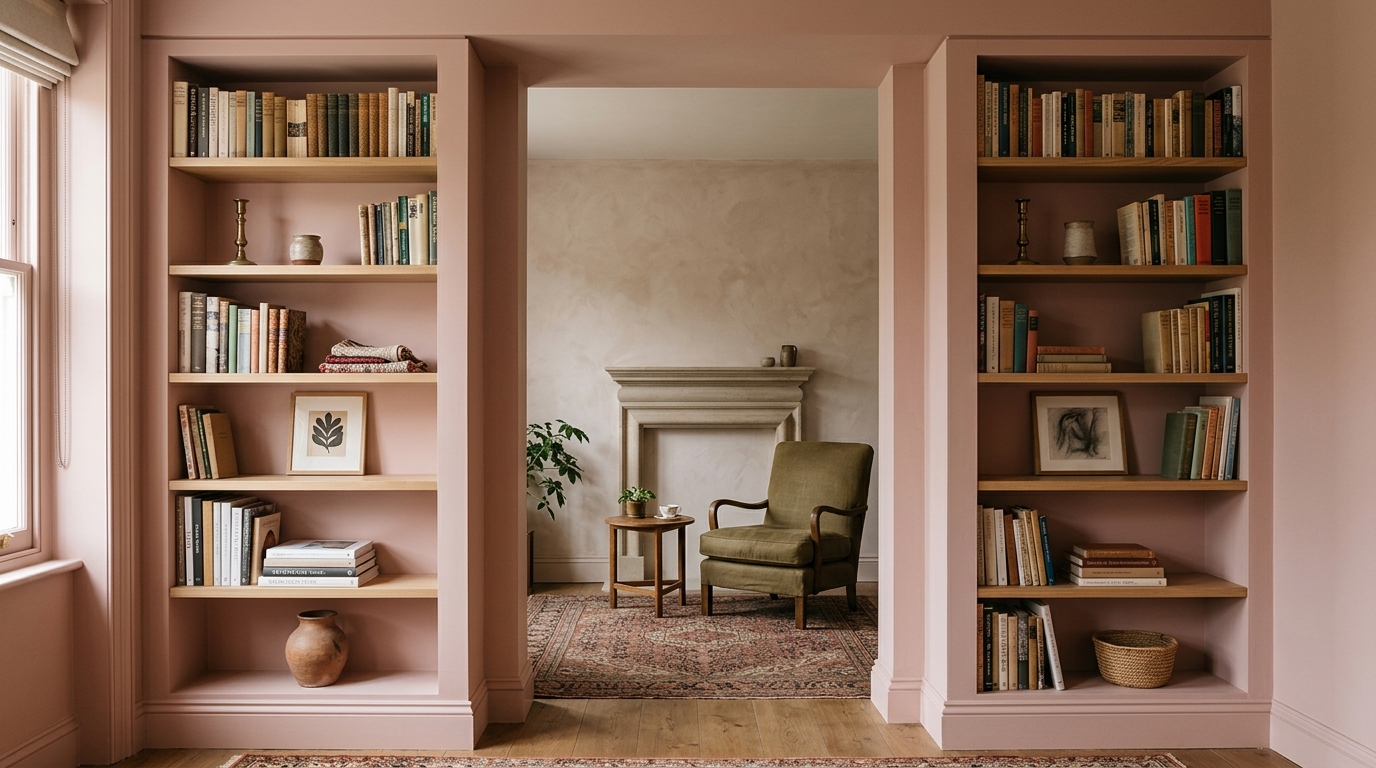
We are seeing a definitive shift toward organic modern wall storage, where the coldness of minimalism is tempered by rich, tactile materials. Think of a minimalist alcove shelving unit rendered in raw, sandblasted Douglas fir, or shelves finished in a velvety limewash that matches the walls. The goal is a monochromatic layering that emphasizes texture over color. Utilizing a palette like Sherwin-Williams Shoji White for both the wall and the shelf creates a seamless, built-in look that expands the visual boundaries of the room.
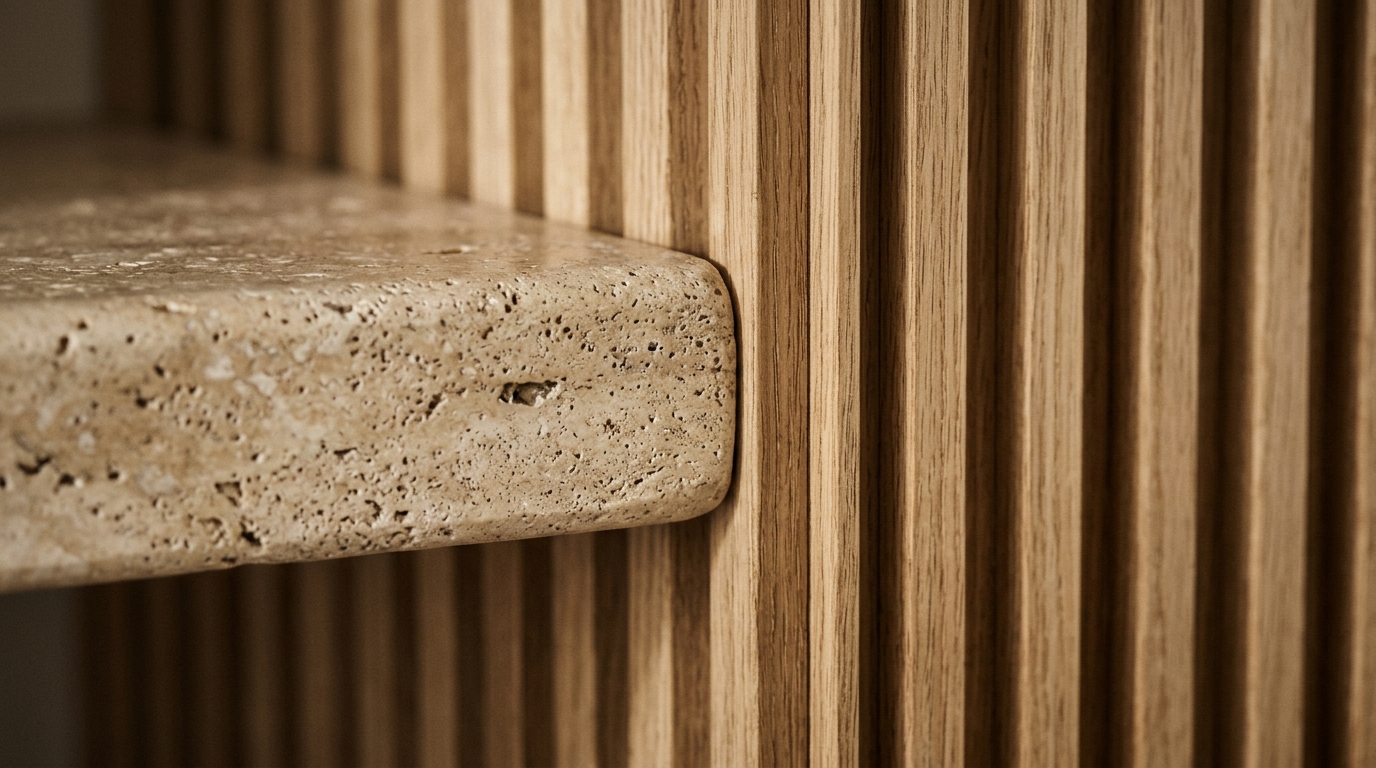
Materiality also dictates the ‘sound’ of a room. Hard, reflective surfaces like glass or polished metal can make a small living room feel sterile. Conversely, using natural wood with a matte wax finish or even felt-lined modular bins introduces acoustic softening. In high-performance design, we think about how a shelf feels to the touch as you reach for a book, and how it absorbs the ambient noise of a bustling city outside. This is where storage becomes a sensory experience, grounding the dweller in their physical environment.
The Luminous Edge: Lighting Strategies for Architectural Shelving
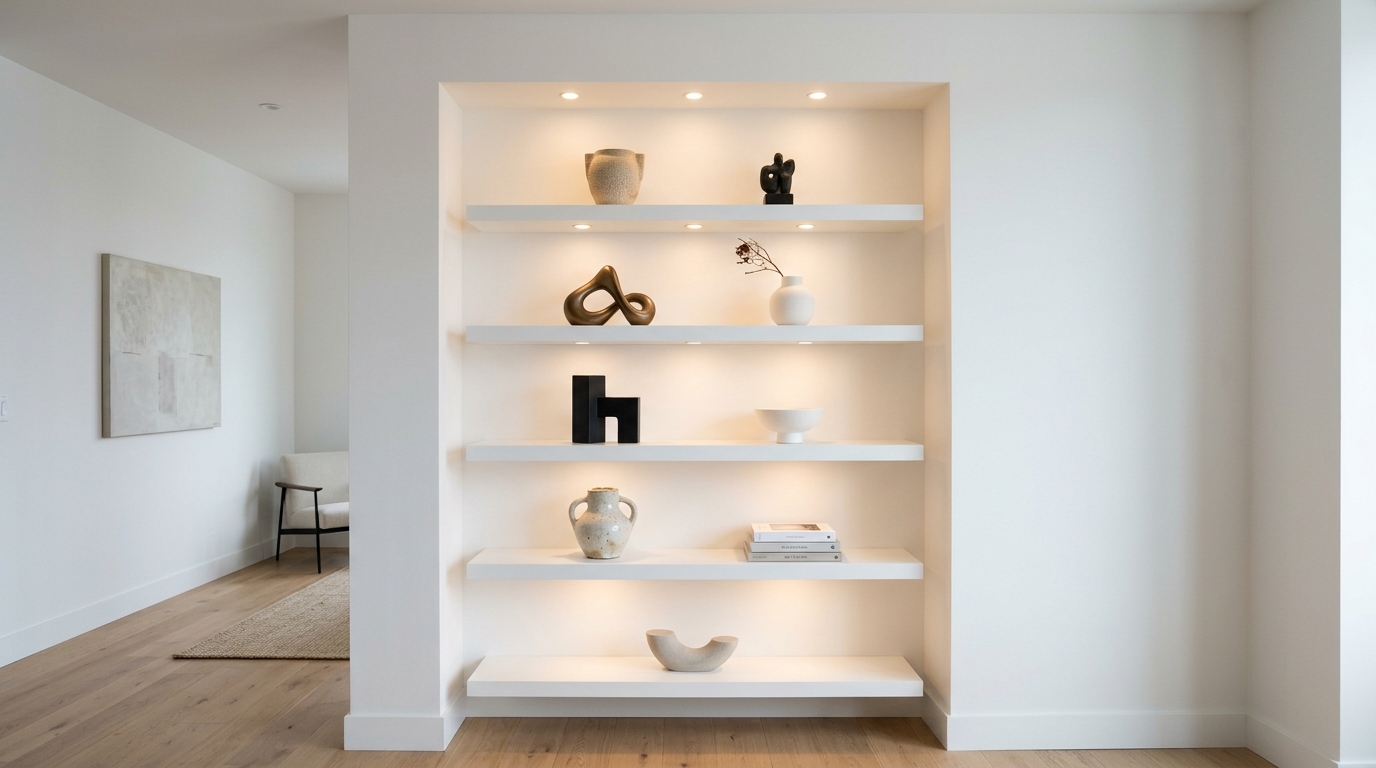
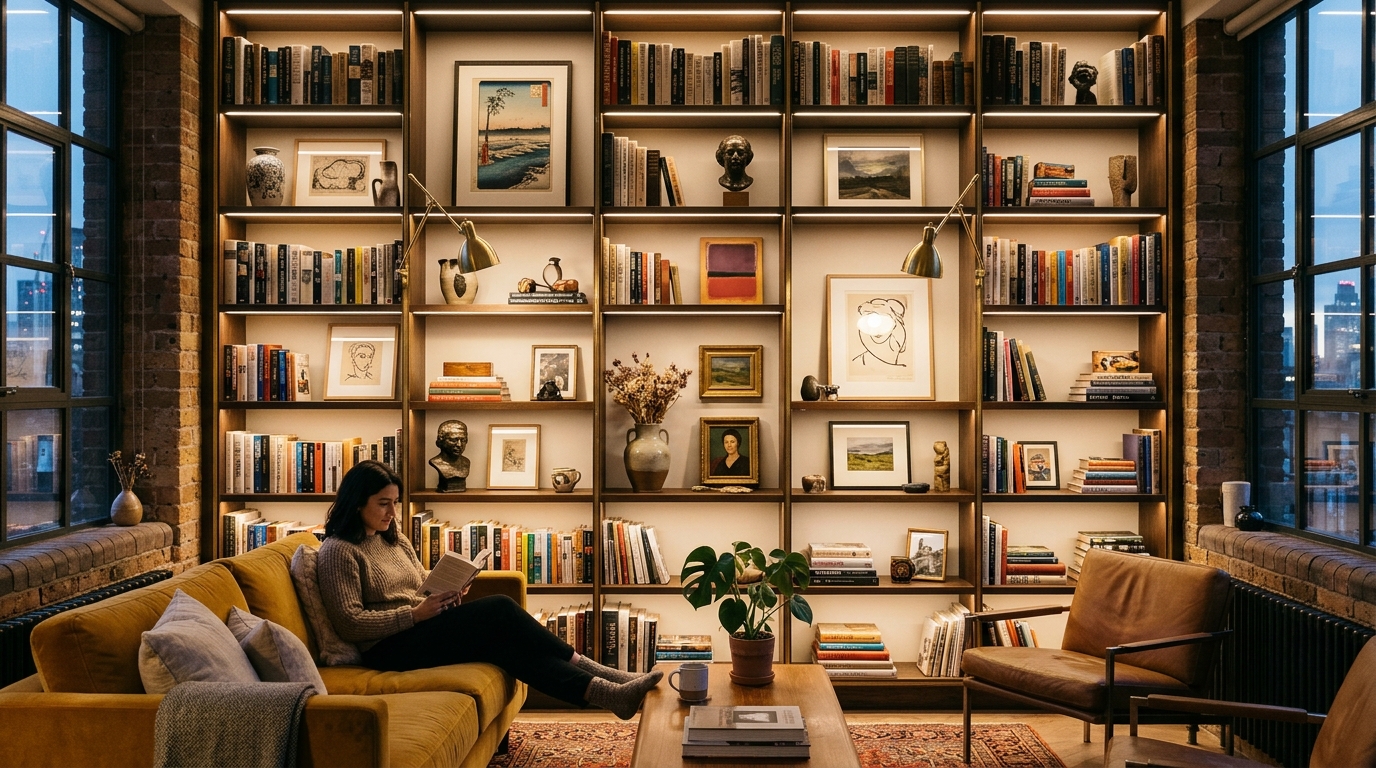
A wall shelf without proper lighting is a missed opportunity for drama. To elevate living room wall shelf ideas from basic to breathtaking, one must master the Kelvin scale. For residential spaces, 2700K warm ambient lighting is the gold standard, mimicking the golden hour glow. However, for task-oriented areas—like that integrated drop-down desk—a 3000K light provides the necessary clarity without feeling clinical. We look for high CRI (Color Rendering Index) ratings of 90 or above to ensure that the textures of your decor and the spines of your books appear vibrant and true to life.
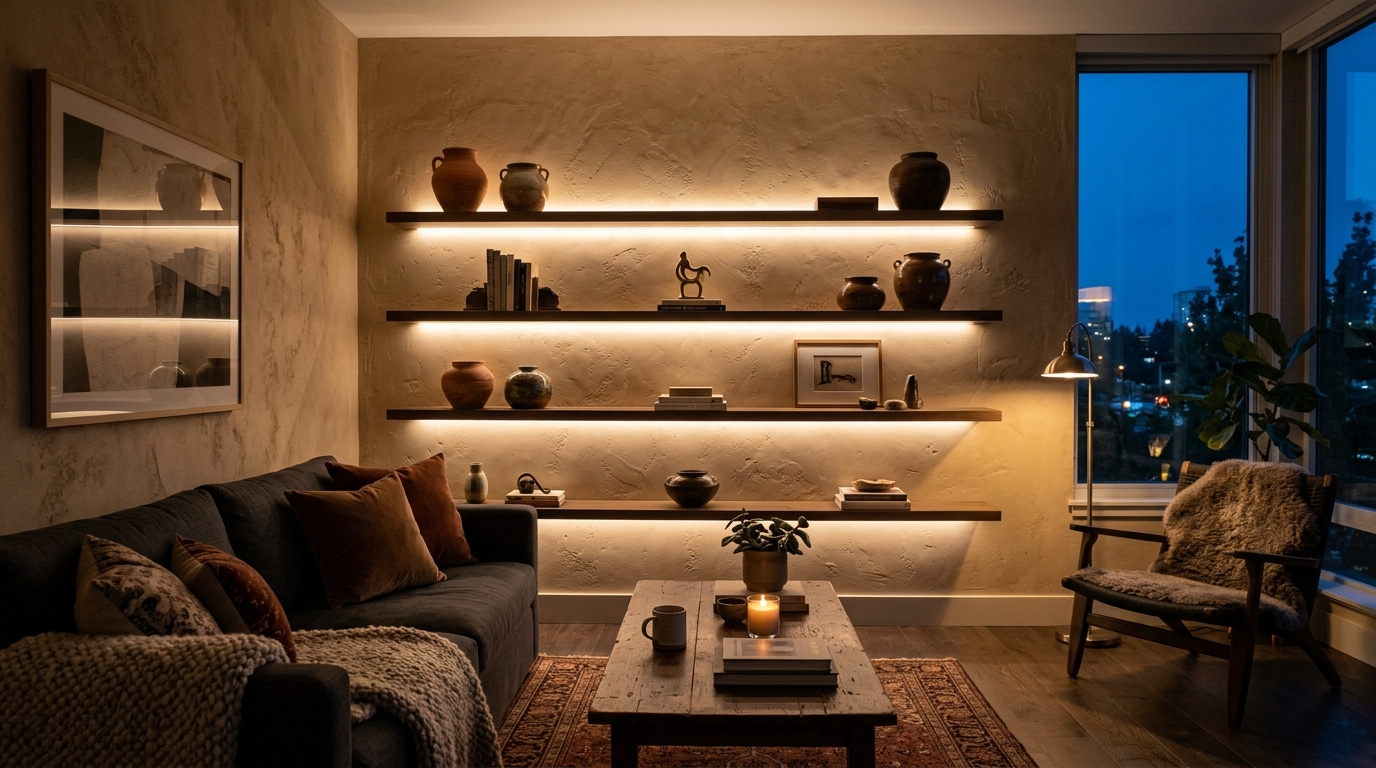
Backlit LED wall shelves are no longer a futuristic gimmick; they are a fundamental tool for creating depth. By recessing LED strips into a channel at the rear of the shelf, you create a soft wash of light that pushes the wall back, making the room feel larger. This ‘wash’ also highlights the vertical texture of your walls, whether it is a hand-applied plaster or a subtle grasscloth wallpaper. For a truly high-performance setup, these lights should be smart-integrated, allowing you to transition from bright, focused morning light to a dimmed, moody atmospheric glow as the sun sets.
Ergonomics and the Reach Zone: Design for the Human Body
Functionality is the cornerstone of architectural shelving. The most successful installations respect the ‘reach zone.’ Items used daily—remotes, keys, or frequently read journals—should live within the ergonomic sweet spot between 30 and 60 inches from the floor. Lower shelves (below 30 inches) are ideal for heavy art books or baskets that hide unsightly tech, while the ‘deep storage’ area above 72 inches is reserved for seasonal decor or archival items. Positioning shelves at eye level for accessibility ensures that the wall remains a functional part of the home’s rhythm, not just a static display.
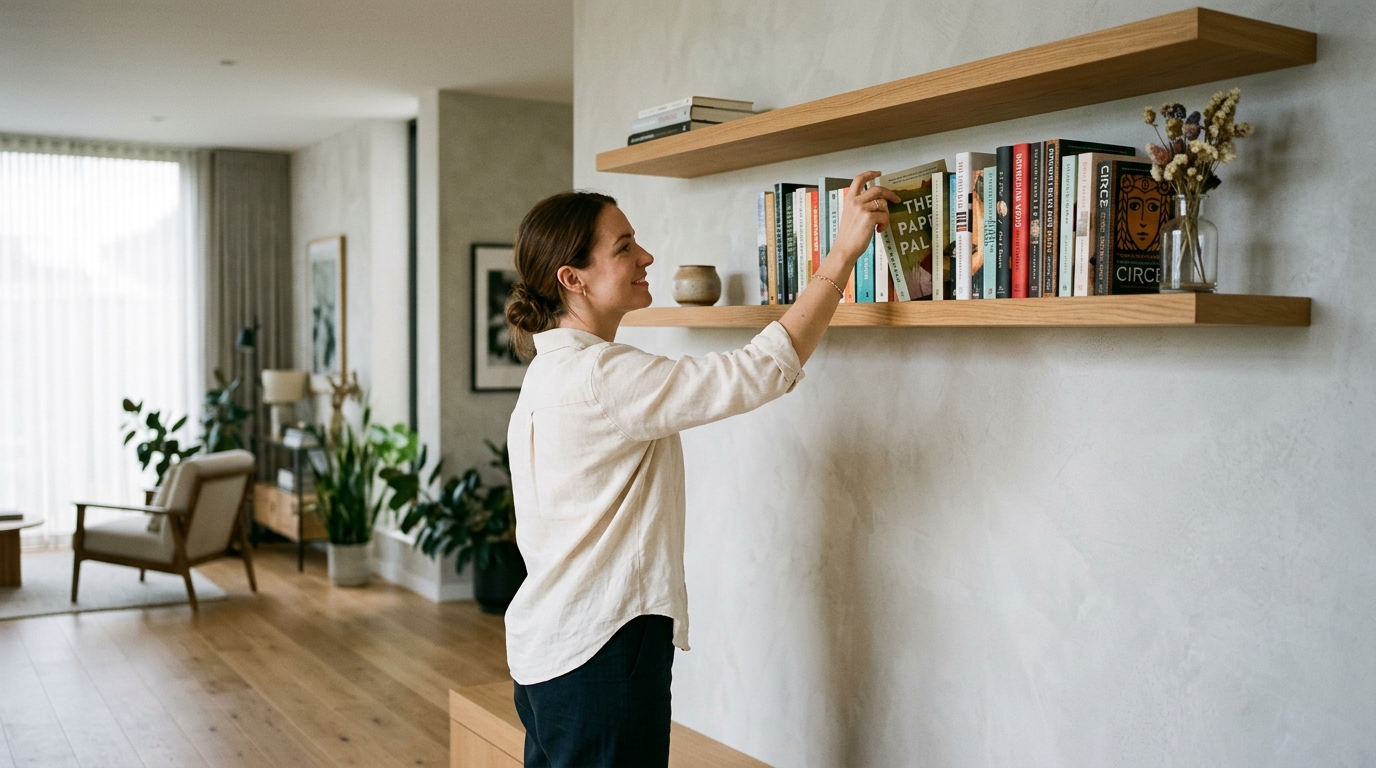
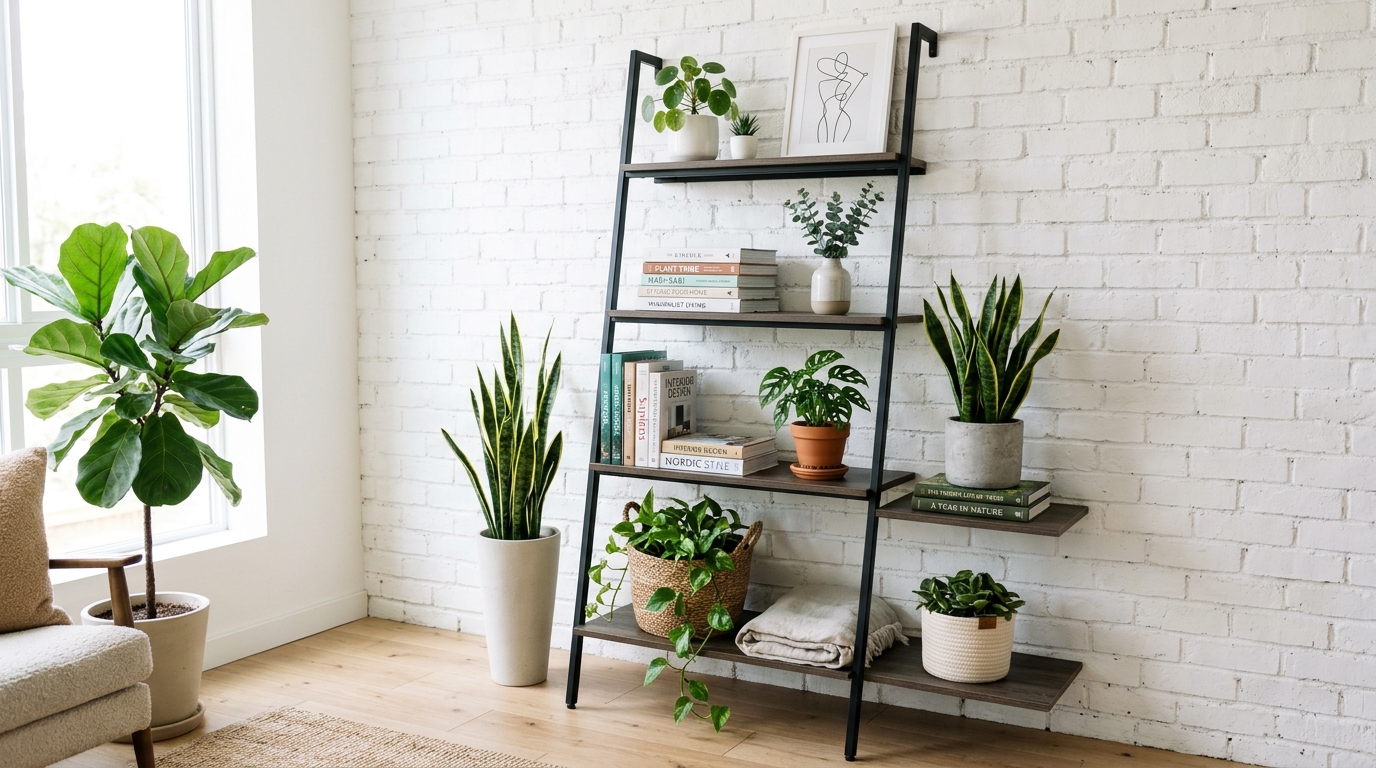
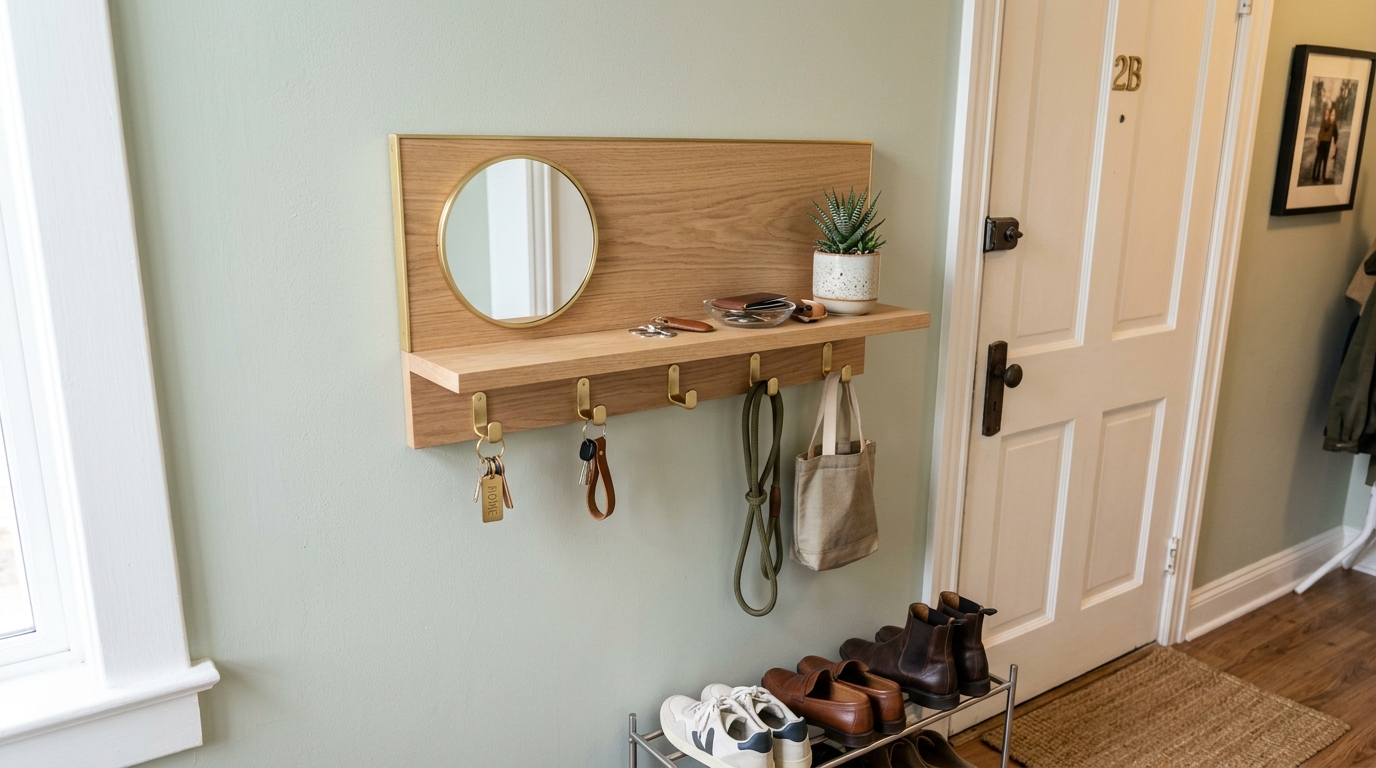
For renters or those in temporary spaces, the challenge is achieving this high-performance look without permanent modifications. This is where renter-friendly ladder solutions and tension-based modularity shine. A sleek, black powder-coated leaning ladder shelf provides the verticality of a built-in without the commitment. When styled with the same attention to negative space and material harmony as a permanent installation, these pieces offer a sophisticated, flexible storage solution that can travel with you from one apartment to the next.
The Invisible Utility: Cable Management and Tech Integration
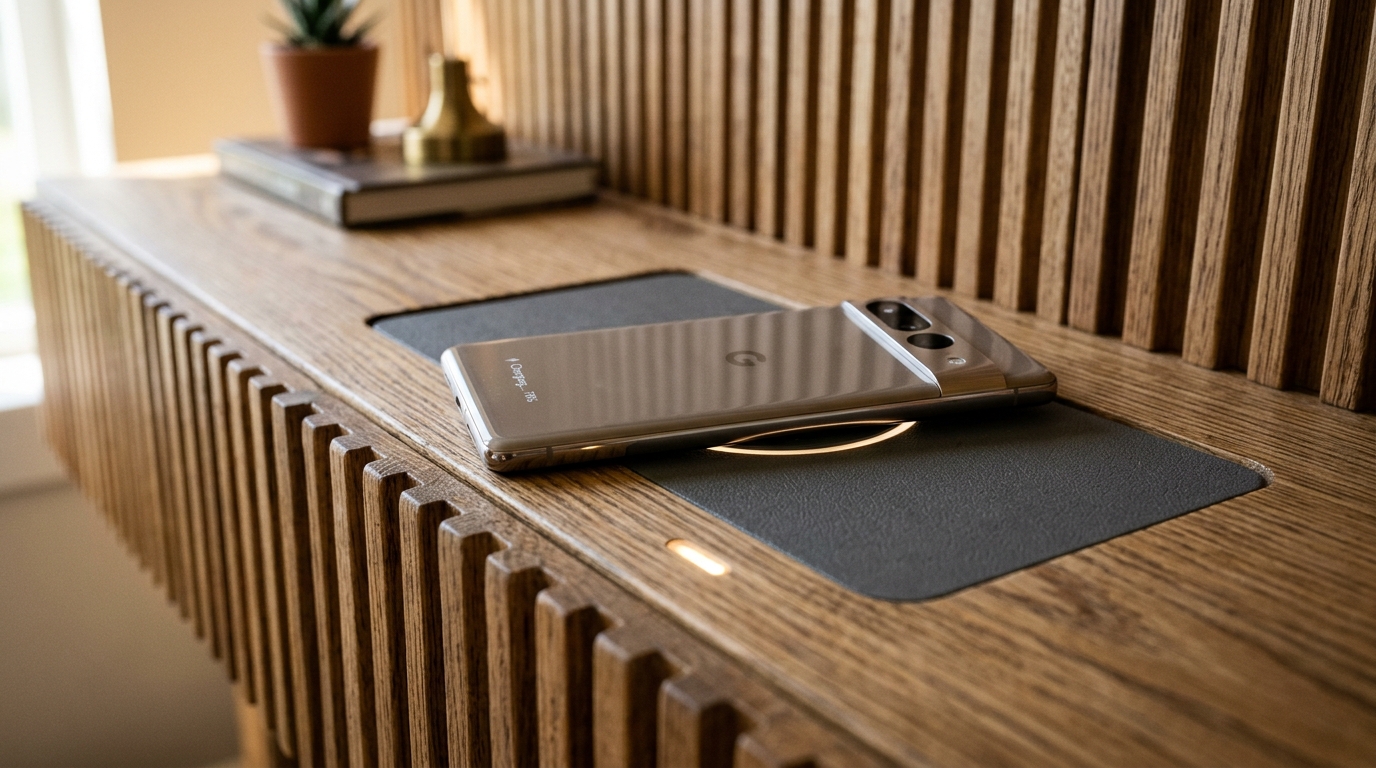
Nothing shatters the illusion of a ‘Ghost Shelf’ faster than a tangle of black plastic cables. In a modern floating entertainment hub, hidden cable management is the unsung hero. Professional designers utilize ‘brush plates’ and in-wall rated conduits to route power and data behind the drywall. If you cannot go behind the wall, consider a custom-routed groove on the underside of your wooden shelves to tuck away thin LED wires. Integrated wireless charging pads can even be routed into the surface of a shelf, allowing your tech to power up while remaining part of a clean, clutter-free aesthetic. It is this marriage of high-tech capability and low-visual-impact design that defines the modern high-performance wall.
As we move toward a future where our homes must be more versatile than ever, the way we occupy our vertical space becomes a reflection of our internal order. The art of the living room wall shelf ideas we choose to implement is less about what we display and more about how we allow our spaces to breathe. By prioritizing modularity, respecting architectural clearances, and embracing the subtle interplay of light and shadow, we transform our walls into dynamic partners in our daily lives. The high-performance wall is not just a place to put things; it is a framework for living with clarity, purpose, and a timeless sense of architectural grace.
Editorial Silo • Recommended Architecture Studies
- The Vertical Expansion: High-Function Living Room Floating Shelves Ideas for Urban Alcoves — Archival Design Case Study
- Sensory Library Luxe: Integrating Living Room Floating Shelves Ideas with Viral Prime Day Rotating Bookshelves — Archival Design Case Study
Architectural Inspiration Lookbook
A high-resolution study in spatial proportions, tactile materiality, and light choreography curated for enduring modern living.


Curated Visual Lookbook
Design Gallery & Spatial Studies
A visual curation of architectural arrangements, lighting concepts, and material palettes featured in this space.